EN
EN
What is Aluminum Profile and How Does It Work?
2026/09/30
Source aluminum profiles for versatile modular framing. Learn extrusion mechanics, strength benefits & corrosion resistance. Request details.

2026/09/21
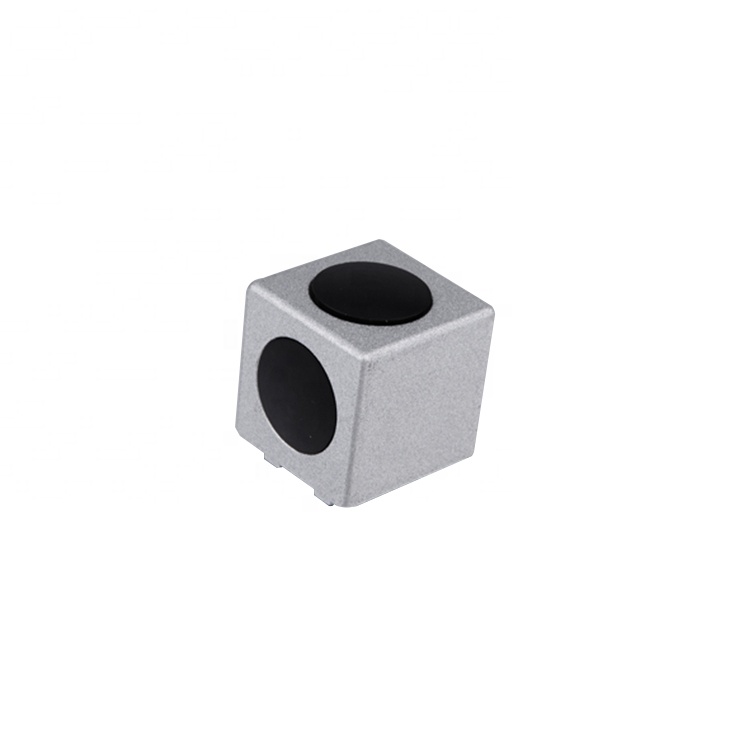
Frame stability depends on numerous components working in harmony, but few elements are as crucial as end connectors. These structural components form the backbone of any robust assembly, transferring loads efficiently while maintaining alignment and rigidity. Without properly designed and installed end connectors, even the highest-quality frame materials will fail to deliver the stability and longevity that industrial applications demand.
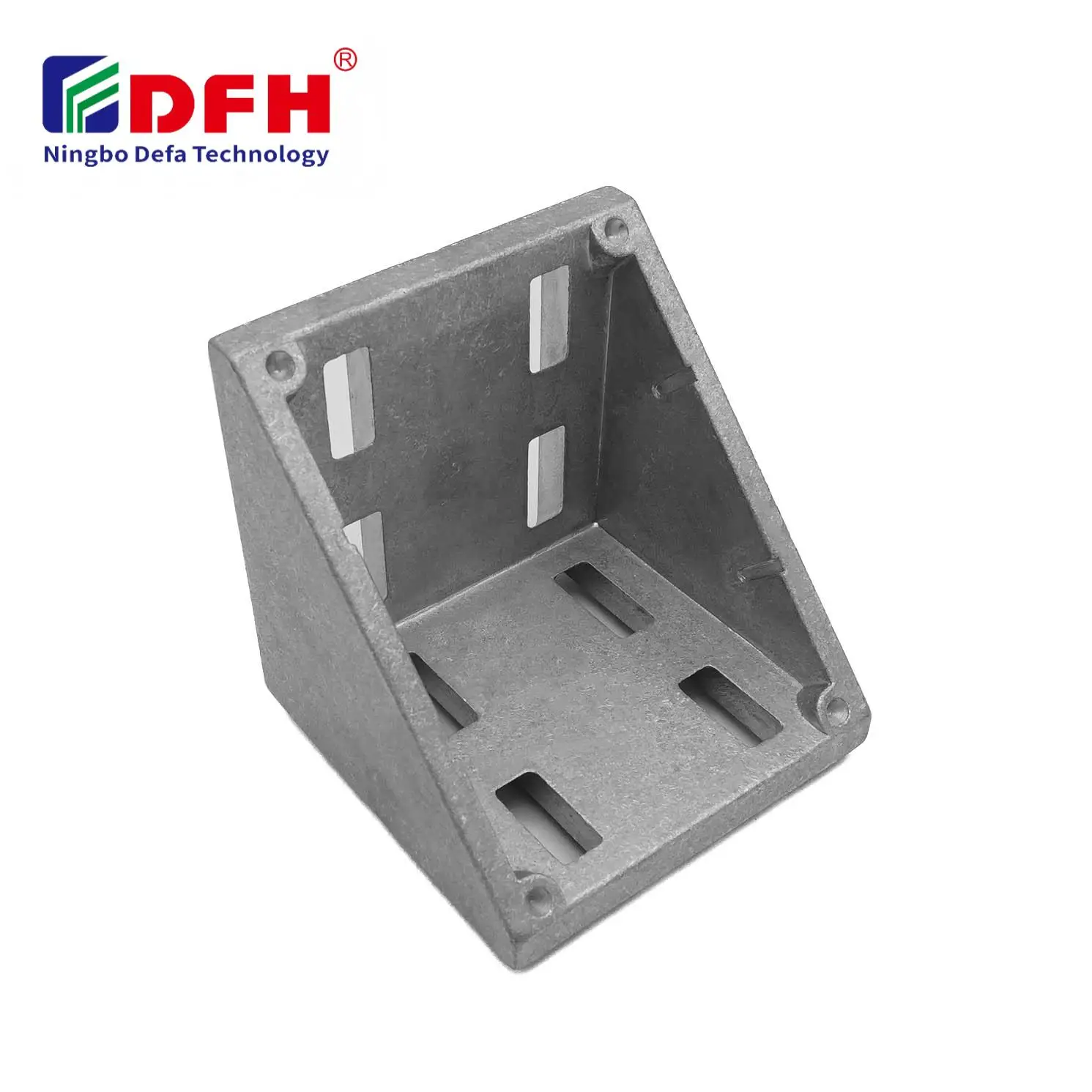
Industrial facilities, manufacturing equipment, automation systems, and construction projects all rely on end connectors to achieve structural integrity. Whether you are designing machinery frames, building support structures, or assembling modular systems, understanding the role of connector installation in your fastening systems is essential. This article explores why end connectors matter, how they function within structural assembly processes, and what factors determine their effectiveness in real-world applications.
End connectors serve as the critical junction points where frame members meet and loads transition between components. When stress is applied to a frame, whether from weight, vibration, or external forces, these connectors must distribute that load evenly across all connected elements. Poor connector installation can create stress concentrations at specific points, leading to premature failure or deformation.
The geometry and material composition of end connectors directly influence how effectively they manage this load distribution. High-strength steel or aluminum connectors with optimized angles and reinforced mounting surfaces prevent local buckling and ensure loads travel through the entire structural assembly rather than concentrating at weak points. This characteristic is why fastening systems that incorporate precision-engineered connectors outperform generic alternatives.
When end connectors are undersized, misaligned, or installed incorrectly, stress concentrates at connection points. This concentration creates localized areas of extreme stress that far exceed the design limits of adjacent materials. Over time, these hotspots initiate cracks, permanent deformation, or sudden fracture, even when the overall frame materials are rated for higher loads.
Industrial environments compound this risk through repetitive loading, vibration, and environmental exposure. A properly designed connector installation strategy accounts for these dynamic conditions and ensures that every fastening system component works together to distribute loads safely. The difference between frame longevity and premature failure often comes down to connector selection and placement.
Accurate connector installation requires precise alignment between mating frame members. Misalignment introduces bending moments that the fastening systems must accommodate, reducing their load capacity and accelerating wear. Industry standards emphasize measuring and verifying alignment before tightening any fasteners, as even small deviations compound across multiple connection points in a structural assembly.
Modern alignment techniques use laser tools, precision fixtures, and calibrated torque specifications to ensure end connectors sit perfectly square to their mounting surfaces. This attention to detail prevents eccentric loading, which is a primary cause of frame instability in manufacturing and construction settings. The cost of proper connector installation is minimal compared to the expense of frame failure or structural repair.
The tightness of bolts, screws, and rivets within end connectors directly affects how effectively they maintain frame stability. Under-tightened fasteners allow relative motion between components, creating micro-slipping that generates vibration and heat. This motion progressively loosens fasteners further, leading to catastrophic failure in severe cases.
Conversely, over-tightening can strip threads, crack connectors, or damage the frame members they are designed to hold together. Fastening systems require calibrated torque specifications that apply enough clamping force to eliminate movement while staying within the structural limits of connector materials. Many industrial accidents stem from fastening procedures that bypass these specifications in pursuit of faster assembly timelines.
The material composition of end connectors determines their strength, corrosion resistance, and long-term stability in various environments. Steel connectors offer superior strength but require protective coatings in humid or corrosive settings. Aluminum connectors provide excellent corrosion resistance and lightweight properties but demand careful design to ensure adequate stiffness in fastening systems.
Stainless steel combines the benefits of both materials, offering high strength and inherent corrosion resistance for demanding industrial applications. The choice of connector material shapes the entire structural assembly strategy, influencing bolt specifications, assembly procedures, and maintenance requirements. Selecting the wrong material can compromise frame stability regardless of how well connector installation procedures are executed.
Outdoor, high-temperature, or chemical-exposure environments accelerate connector degradation if improper materials are specified. Corrosion weakens connectors over time, reducing their load-bearing capacity and increasing the risk of unexpected frame failure. Regular inspection of end connectors in harsh environments allows early detection of corrosion or damage before structural assembly integrity is compromised.
Fastening systems should include protective measures such as rubber washers, corrosion inhibitors, or drainage provisions to minimize environmental damage. Proper connector installation includes applying protective coatings and selecting fasteners that resist environmental attack. These preventive measures cost far less than replacing failed frames or dealing with equipment downtime caused by structural collapse.
Under-tightened end connectors allow micro-motion between frame members, which generates vibration, heat, and progressive loosening of fastening systems. This motion reduces the stiffness of the structural assembly, allowing excessive deflection under load. Eventually, the frame may fail suddenly, or fasteners may completely disengage from their mounting points, creating safety hazards and equipment damage.
Precise connector installation with proper alignment and torque control establishes a foundation for frame stability that persists throughout the structure's operational life. Poor connector installation, by contrast, initiates stress concentrations and material fatigue that gradually degrade the frame's ability to handle loads. Investing time in correct installation procedures during assembly prevents costly frame failures and extends service life significantly.
Aluminum connectors can achieve excellent structural assembly performance when properly designed with adequate thickness, reinforcement, and material grade for the application's load requirements. Steel typically offers higher strength-to-weight ratios and greater absolute load capacity, making it preferable for extremely demanding environments. The choice between materials depends on specific performance requirements, environmental conditions, and the overall design of the frame structure.
2026/09/30
Source aluminum profiles for versatile modular framing. Learn extrusion mechanics, strength benefits & corrosion resistance. Request details.
2026/09/30
Source aluminum profiles for construction projects. Learn structural framing, cladding & window benefits for maximum ROI. Download guide.
2026/09/30
Source optimal aluminum profile sizing techniques. Evaluate load, space, alloy, environment & cost factors to prevent deflection. Download guide.
2026/09/30
Struggling with fastener failures or rework? Master screw sizing by diameter, pitch, material, and load—plus industry-specific standards. Optimize reliability & compliance now.
2026/09/30
Source aluminum profiles for industrial engineering. Discover strength-to-weight ratios, corrosion resistance & 30% cost savings. Download guide.
2026/09/30
Source heat-resistant aluminum profile systems. Master thermal expansion science & stress management strategies for industrial builds. Download guide.