EN
EN
What is Aluminum Profile and How Does It Work?
2026/09/30
Source aluminum profiles for versatile modular framing. Learn extrusion mechanics, strength benefits & corrosion resistance. Request details.

2026/09/30
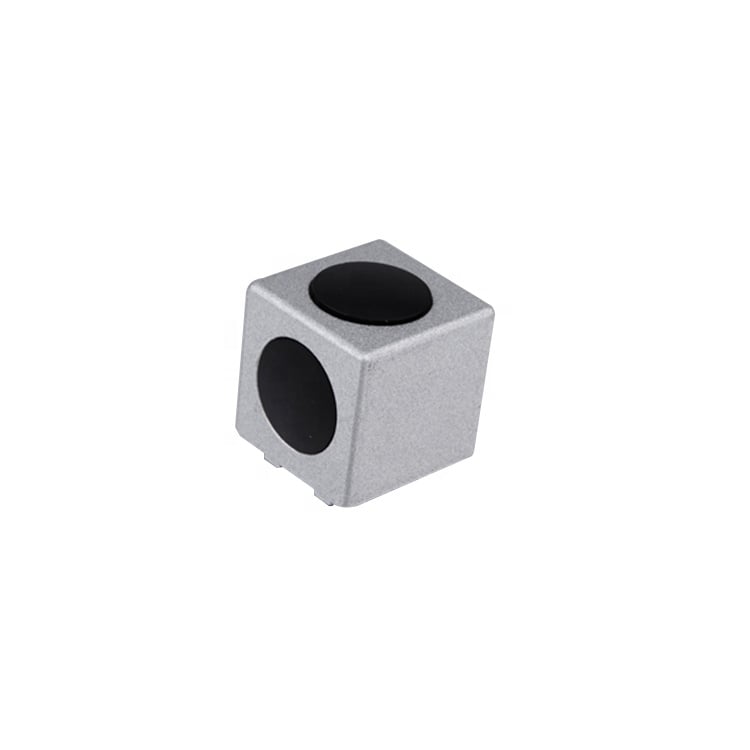
The construction industry relies heavily on materials that combine strength, durability, and design flexibility. An aluminum profile has emerged as one of the most versatile and widely adopted solutions for modern building projects. Whether in residential, commercial, or industrial applications, extruded aluminum profiles deliver performance benefits that traditional materials simply cannot match. Their lightweight nature, corrosion resistance, and aesthetic appeal make them ideal for countless construction scenarios where reliability and design matter equally.
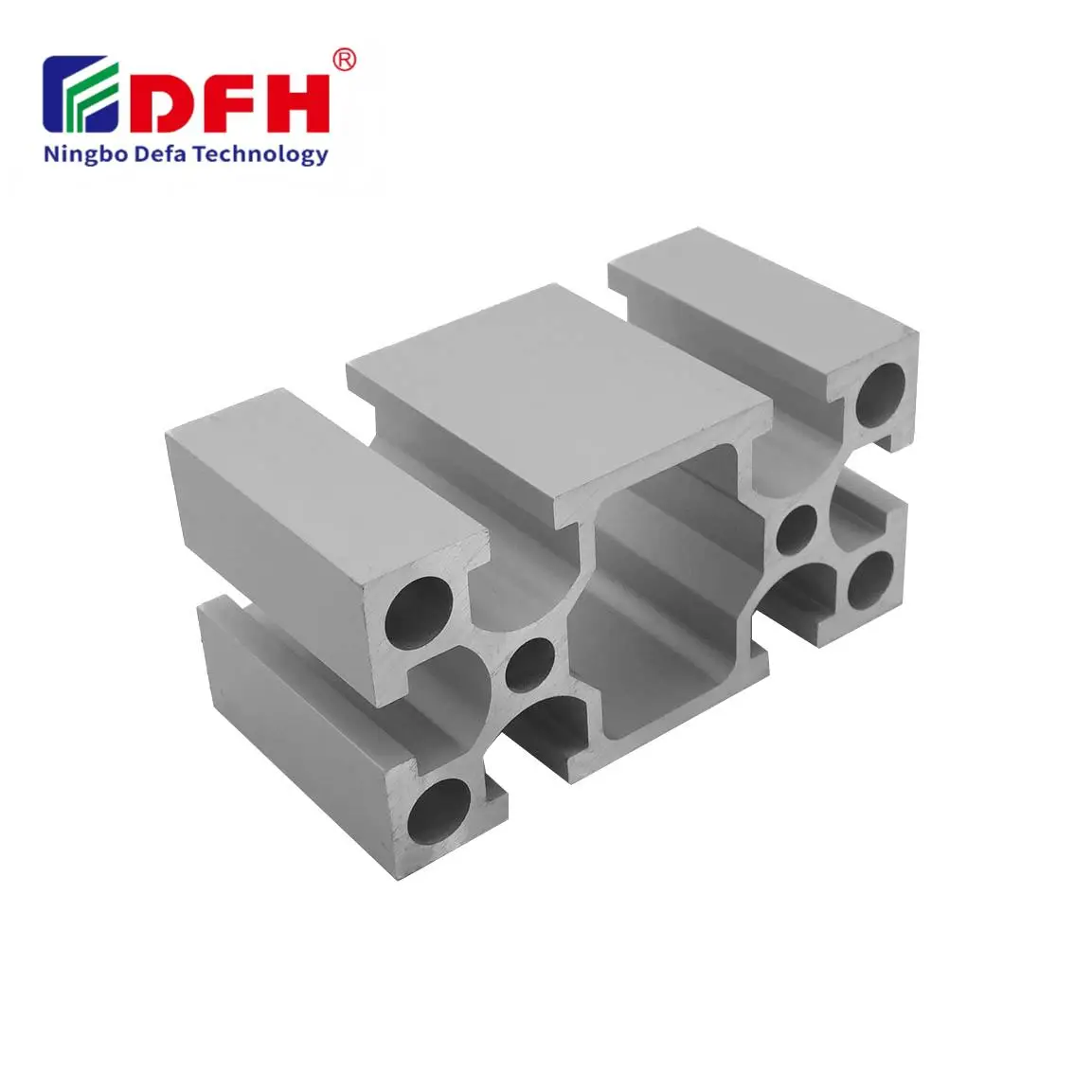
From window frames and door systems to structural supports and decorative elements, extruded aluminum continues to transform how builders approach design and functionality. Understanding the specific applications of aluminum frame systems helps architects, engineers, and construction managers make informed decisions that balance budget, performance, and aesthetic goals. This guide explores the primary use cases where industrial aluminum extrusions provide clear advantages and practical solutions for contemporary construction challenges.
Building facades demand materials that withstand weather exposure while maintaining visual appeal. Extruded aluminum profiles form the backbone of modern curtain wall systems and ventilated facades that protect interior spaces from rain, wind, and temperature extremes. These aluminum frame systems allow architects to create clean lines and expansive glass panels that define contemporary urban skylines. The modular nature of aluminum extrusions enables rapid assembly and precise alignment, reducing on-site labor costs and construction timelines significantly.
Aluminum naturally resists corrosion when exposed to moisture and salt air, making industrial aluminum extrusions particularly valuable in coastal and harsh-weather environments. The anodized or powder-coated surface finishes applied to aluminum profiles provide additional protection while allowing unlimited color customization. Architects specify aluminum frame systems because they require minimal maintenance over decades of exposure, reducing lifecycle costs for building owners. This durability advantage makes extruded aluminum profiles the preferred choice for high-rise buildings and structures in challenging climates.
Residential and commercial buildings depend on window and door systems that minimize heat transfer while providing structural integrity. Industrial aluminum extrusions form the frame components that hold glass panes securely while allowing smooth operation. Modern aluminum profile designs incorporate thermal breaks that reduce energy loss, helping buildings meet increasingly stringent energy codes. The thermal efficiency of contemporary extruded aluminum systems rivals traditional wood and vinyl alternatives while offering superior strength and longevity.
Architects appreciate aluminum frame systems because the extrusion process allows virtually unlimited profile shapes and configurations. Designers can specify custom aluminum profiles to match specific building aesthetics, from minimalist commercial projects to heritage-sensitive residential renovations. Large glass-to-frame ratios become possible with aluminum profiles due to their superior strength-to-weight ratio compared to other materials. The versatility of extruded aluminum enables window and door manufacturers to offer both standard and bespoke solutions that differentiate their products in competitive markets.
Beyond exterior applications, industrial aluminum extrusions serve as internal structural elements in modular building systems and industrial facilities. Aluminum frame systems create lightweight support structures for mezzanines, internal partitions, and equipment mounting that reduce overall building weight without sacrificing load capacity. Factory-built modular construction increasingly relies on extruded aluminum profiles because they simplify assembly sequences and reduce on-site welding and fastening requirements. These aluminum profiles enable faster project delivery while maintaining engineering precision and quality control.
Safety and building code compliance drive the specification of aluminum profiles in staircase systems, railings, and access platforms throughout commercial and industrial buildings. Extruded aluminum profiles offer the strength required for safety applications while their corrosion resistance ensures long-term reliability in stairwells exposed to moisture and varying humidity. Custom aluminum profile extrusions can integrate handrail geometry, mounting provisions, and decorative elements into single components, reducing assembly complexity. Industrial aluminum extrusions used in railings and staircases provide architects with design freedom while meeting all applicable safety standards and accessibility requirements.
Extruded aluminum profiles weigh significantly less than equivalent steel components, reducing transportation costs and making installation faster. Aluminum naturally resists corrosion without additional coating in many environments, whereas steel requires ongoing maintenance and protection from rust. While steel offers slightly higher strength per unit weight in some applications, aluminum frame systems deliver superior performance-to-cost ratios for most construction projects. The ease of customizing aluminum profiles through extrusion also provides design advantages that justify specification in modern buildings.
Thermal breaks interrupt the continuous metal path through window and door frames, preventing heat transfer between interior and exterior environments. Industrial aluminum extrusions with thermal breaks achieve insulation values comparable to traditional vinyl and wood frames while maintaining superior structural strength. Building energy performance improves measurably when architects specify aluminum frame systems incorporating advanced thermal break technology. This energy efficiency helps buildings achieve LEED certification and reduces operational costs over the building's lifetime.
Yes, industrial aluminum extrusions are specified in structural applications where load requirements and corrosion exposure make them suitable. Structural-grade aluminum alloys provide adequate strength for many building components including columns, beams, and bracing members in modular construction. Engineers must verify that aluminum frame systems meet applicable building codes and perform proper calculations for each specific application. The lightweight nature of extruded aluminum allows larger spans and reduced foundation requirements compared to heavier alternative materials.
2026/09/30
Source aluminum profiles for versatile modular framing. Learn extrusion mechanics, strength benefits & corrosion resistance. Request details.
2026/09/30
Source optimal aluminum profile sizing techniques. Evaluate load, space, alloy, environment & cost factors to prevent deflection. Download guide.
2026/09/30
Struggling with fastener failures or rework? Master screw sizing by diameter, pitch, material, and load—plus industry-specific standards. Optimize reliability & compliance now.
2026/09/30
Source aluminum profiles for industrial engineering. Discover strength-to-weight ratios, corrosion resistance & 30% cost savings. Download guide.
2026/09/30
Source heat-resistant aluminum profile systems. Master thermal expansion science & stress management strategies for industrial builds. Download guide.