EN
EN
Where Can You Use Aluminum Profiles in Construction?
2026/09/30
Source aluminum profiles for construction projects. Learn structural framing, cladding & window benefits for maximum ROI. Download guide.

2026/09/30
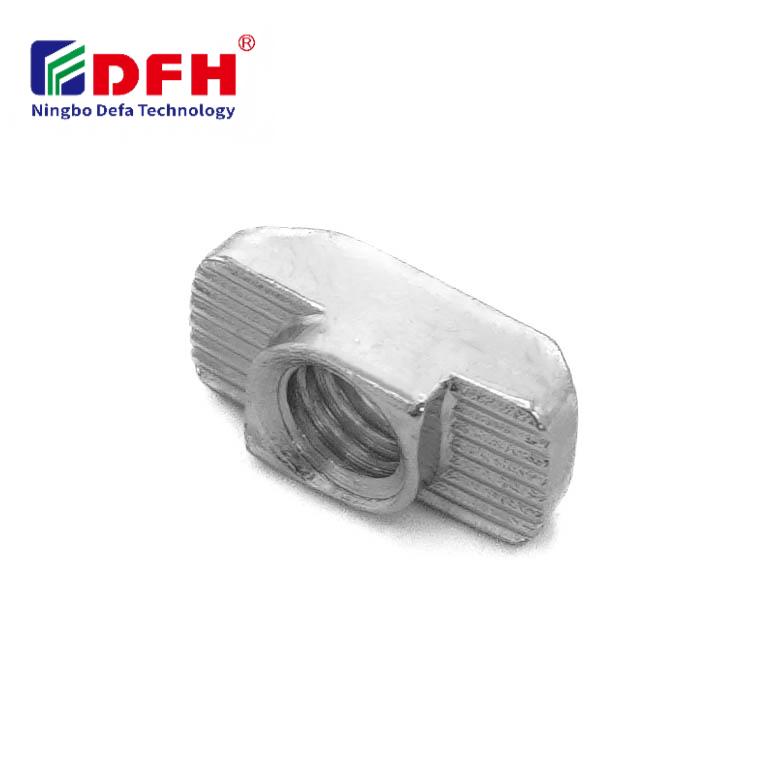
An Aluminum Profile is a structural component manufactured through the extrusion process, where aluminum alloy is forced through a die to create a specific cross-sectional shape. These profiles serve as the foundational building blocks for industrial structures, machinery frames, and modular assembly systems across manufacturing, automotive, construction, and automation industries. Understanding what aluminum profile is and how it functions is essential for engineers, manufacturers, and procurement professionals who need to select appropriate materials for structural applications, mechanical assemblies, and system integrations.
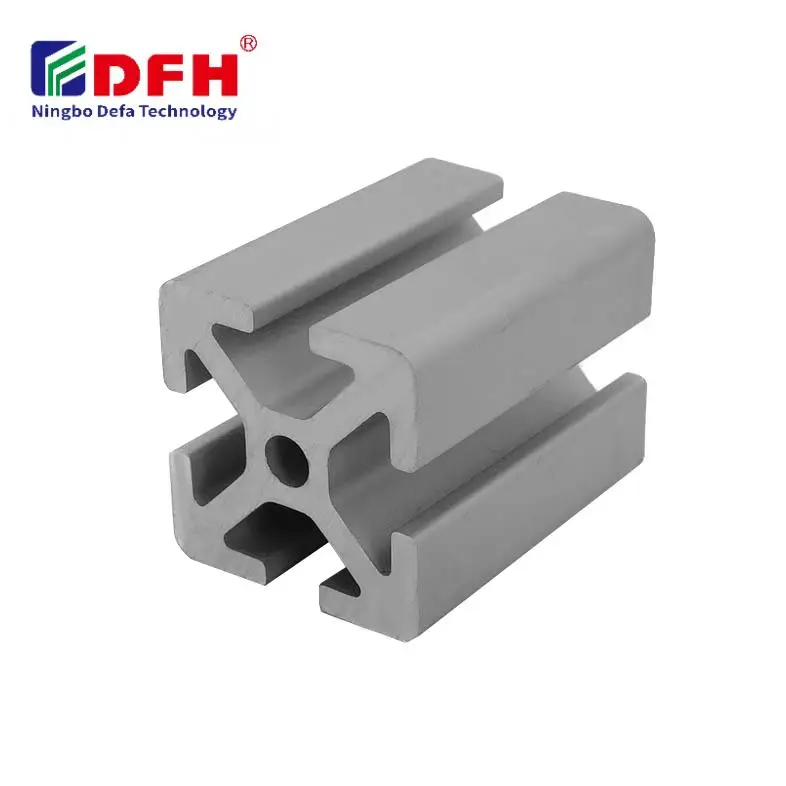
The versatility of aluminum profiles stems from their lightweight nature combined with exceptional strength-to-weight ratios, corrosion resistance, and ease of fabrication. Industrial aluminum extrusions are available in thousands of standardized and custom configurations, enabling designers to create complex assemblies without extensive welding or machining. Extruded aluminum components integrate seamlessly into aluminum frame systems, where modular slots and connection points allow rapid prototyping, assembly, and reconfiguration for evolving production demands.
An aluminum profile is fundamentally a solid aluminum extrusion created by pushing molten or semi-solid aluminum alloy through a shaped die opening. The resulting cross-section—whether rectangular, T-shaped, U-channel, or fully custom—retains that geometry along the entire length of the profile. The composition typically involves aluminum alloyed with elements such as copper, magnesium, silicon, or zinc to enhance specific mechanical properties like hardness, corrosion resistance, or machinability. Industrial aluminum extrusions maintain tight dimensional tolerances and consistent material properties, making them reliable for precision engineering applications where uniformity is non-negotiable.
Extruded aluminum offers a compelling combination of low density—approximately one-third the weight of steel—with tensile strength comparable to many steel grades when properly alloyed. The material resists oxidation naturally due to an oxide layer that forms on the aluminum surface, eliminating the need for painting in many applications or reducing maintenance requirements dramatically. Thermal conductivity is another significant advantage; aluminum dissipates heat efficiently, making aluminum frame systems ideal for heat-sensitive equipment housings and thermal management applications. Electrical conductivity, machinability, and formability further expand the design flexibility available to engineers working with aluminum profiles in prototype development and mass production scenarios.
The creation of aluminum profiles begins with heating aluminum ingots to 400–500 degrees Celsius, a temperature that softens the metal enough for extrusion without causing brittleness. A hydraulic press forces the heated aluminum through a hardened steel die shaped to produce the desired cross-section. As the extruded material emerges from the die, it is cooled through air or water to stabilize its crystalline structure and set the final dimensions. This process allows manufacturers to produce industrial aluminum extrusions with complex geometries in a single pass, significantly reducing secondary machining requirements compared to alternative manufacturing methods like casting or forging. The flexibility of die design means that custom profile shapes can be developed for specific application needs without prohibitive tooling costs for moderate production volumes.
Aluminum frame systems leverage the standardized geometry of extruded aluminum components to build modular, reconfigurable structures. Most industrial aluminum extrusions incorporate integrated T-slots or grooved channels running along their length, designed to accept nuts, fasteners, and connectors without additional drilling or tapping. This design philosophy enables rapid assembly of frames, enclosures, conveyor supports, and machine guards using simple bolt-together connections. The modular nature of aluminum frame systems makes them exceptionally valuable in industries requiring frequent design changes, custom installations, or field modifications without specialized welding skills or equipment. Engineers can prototype new configurations, test structural performance, and scale production quickly by simply reordering profiles and adjusting connection points rather than redesigning entire assemblies.
Industrial aluminum extrusions appear in nearly every manufacturing sector where strength, corrosion resistance, and ease of assembly matter. Automotive assembly lines use aluminum frame systems for robotic work cell boundaries, safety guarding, and equipment mounting. Electronics manufacturers employ aluminum profiles in control panel frames and thermal enclosures where electrostatic discharge protection and heat dissipation are critical. Food and beverage processing facilities benefit from aluminum's hygienic properties and resistance to corrosive cleaning solutions, making aluminum frame systems ideal for washdown environments. Renewable energy industries utilize extruded aluminum for solar panel mounting structures and wind turbine component housings. Furniture and modular workspace manufacturers rely on the aesthetic appeal and strength of aluminum profiles to create adaptable, professional-grade structural solutions.
Choosing the correct aluminum profile for a given application requires evaluating multiple factors: load-bearing requirements, environmental conditions, vibration exposure, thermal cycling, and cost constraints all influence the decision. Extruded aluminum comes in various tempers—designations like T4, T5, and T6—indicating different heat-treatment states that affect strength and ductility. Engineers must also consider whether standard off-the-shelf profiles meet dimensional needs or whether custom extrusions justify the tooling investment for longer production runs. Surface finish options including anodizing, powder coating, or polishing affect corrosion resistance, appearance, and friction characteristics for moving assemblies. The modular nature of aluminum frame systems allows designers to mix and match different profile types, reducing complexity compared to welded structures where each modification requires engineering redesign and manufacturing time.
Aluminum profiles offer superior weight savings—approximately 65% lighter than steel—while maintaining comparable strength in engineered configurations. The natural corrosion resistance eliminates rust prevention requirements in outdoor applications, and the ease of cutting, drilling, and connecting aluminum profiles reduces fabrication costs and assembly time. Extruded aluminum also provides superior thermal and electrical conductivity compared to steel, making it ideal for heat-sensitive or electrostatic-prone environments where these properties directly improve product performance.
Yes, one of the defining characteristics of aluminum frame systems is their modularity and flexibility. The integrated T-slots and grooved channels allow fasteners, connectors, and components to be repositioned, added, or removed without cutting or welding. This capability makes aluminum profiles exceptionally valuable in manufacturing environments where layout changes occur frequently or in research settings where continuous design iterations are necessary. Modifications can typically be completed with basic tools and minimal downtime compared to permanently welded structures.
Selection depends on calculating the actual load the aluminum profile will experience, considering both static weight and dynamic forces like vibration or impact. Consult the material's load tables and deflection charts provided by extrusion manufacturers, cross-reference your safety factor requirements, and verify that the chosen profile meets dimensional constraints. For critical applications, performing finite element analysis or consulting with a structural engineer ensures that industrial aluminum extrusions are appropriately specified. Material temper selection—whether T4, T5, or T6—should balance the strength requirements against any need for subsequent machining or bending operations.
2026/09/30
Source aluminum profiles for construction projects. Learn structural framing, cladding & window benefits for maximum ROI. Download guide.
2026/09/30
Source optimal aluminum profile sizing techniques. Evaluate load, space, alloy, environment & cost factors to prevent deflection. Download guide.
2026/09/30
Struggling with fastener failures or rework? Master screw sizing by diameter, pitch, material, and load—plus industry-specific standards. Optimize reliability & compliance now.
2026/09/30
Source aluminum profiles for industrial engineering. Discover strength-to-weight ratios, corrosion resistance & 30% cost savings. Download guide.
2026/09/30
Source heat-resistant aluminum profile systems. Master thermal expansion science & stress management strategies for industrial builds. Download guide.