EN
EN
What is Aluminum Profile and How Does It Work?
2026/09/30
Source aluminum profiles for versatile modular framing. Learn extrusion mechanics, strength benefits & corrosion resistance. Request details.

2026/09/30
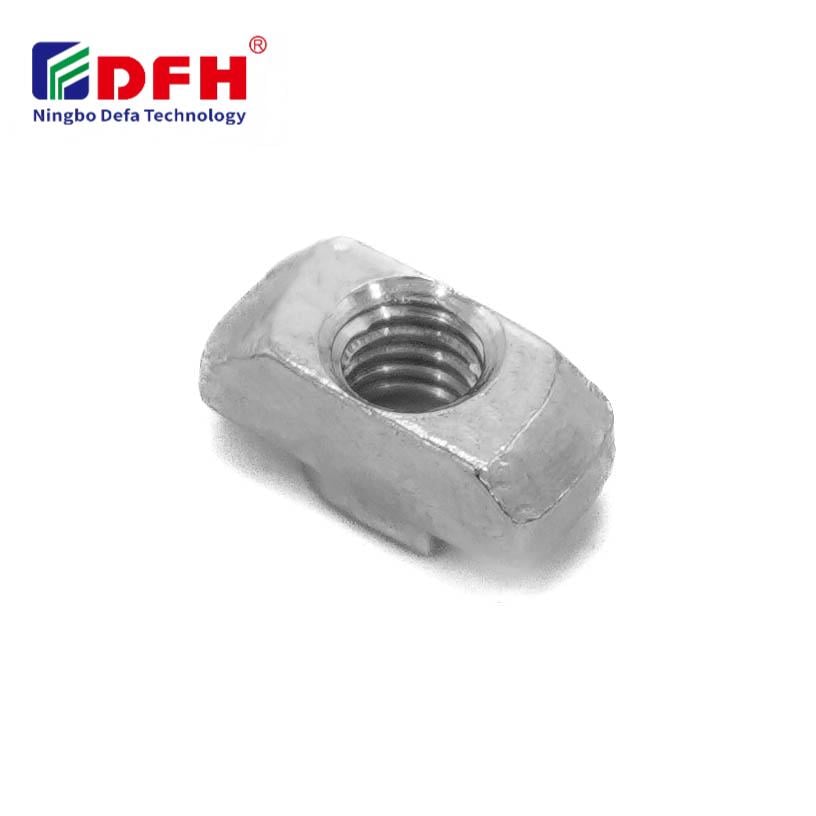
Selecting the correct screw size is fundamental to any fastening project, whether you're working in manufacturing, construction, or maintenance. The right choice ensures structural integrity, prevents material damage, and guarantees long-term reliability. Many professionals underestimate how critical proper screw selection is, often leading to project delays, failed connections, or costly rework. Understanding the principles behind screw sizing will help you make informed decisions and avoid common pitfalls that compromise quality.
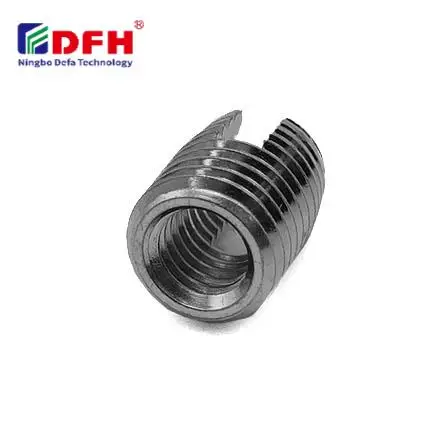
The process of choosing the right screw size involves understanding multiple factors including material composition, application requirements, load-bearing capacity, and environmental conditions. Screws come in various dimensions and specifications, and each fastener is designed for specific purposes. By mastering the key parameters that influence screw selection, you can optimize your fastening solutions and achieve superior results across different industries and applications.
Screw sizing relies on three primary measurements: diameter, length, and pitch. The diameter, also called gauge, determines the thickness of the fastener and the amount of material it can hold. Length is measured from the tip to the base of the head and directly affects how deep the screw penetrates into your substrate. Pitch refers to the distance between threads, influencing the holding power and ease of installation. These measurements follow standardized specifications such as ISO and ANSI to ensure compatibility across industries.
Diameter is typically expressed in fractions of an inch or millimeters, ranging from very small 0.4mm fasteners to large industrial screws exceeding 12mm. The gauge number system, common in the United States, uses numbers like #4, #6, #8, #10, and #12, where higher numbers indicate larger diameters. Understanding this classification system helps you quickly identify whether a specific fastener matches your project requirements. Pitch classification distinguishes between coarse and fine threads, with coarse threads providing faster insertion and fine threads offering greater holding power in delicate materials.
Thread type is a critical component of fastener selection that many overlooking professionals fail to consider adequately. Machine screws feature uniform threads along the entire shaft and work best in pre-drilled holes or threaded inserts, making them ideal for precision applications. Self-tapping screws create their own threads as they're driven into material, eliminating the need for pre-drilling and reducing assembly time significantly. Wood screws have specialized thread patterns optimized for holding in timber, while thread-forming screws compress material without removing it. Each bolt types category serves distinct purposes, and choosing the wrong thread configuration can result in poor holding power or material damage.
Load capacity is the maximum force a screw can withstand without failing, making it essential for structural applications. The holding power increases with diameter and thread engagement depth, so larger fasteners generally support heavier loads. Material strength plays an equally important role; stainless steel screws offer superior corrosion resistance, while hardened steel fasteners provide maximum tensile strength for high-stress environments. Engineers must calculate both shear stress and tensile stress to ensure the selected fastener won't fail under operational conditions. This calculation involves understanding the application's expected loads, safety margins, and environmental factors that might weaken the connection over time.
Threaded fastening applications require careful analysis of how forces will be distributed across the connection points. When selecting fasteners, consider whether loads will be static, dynamic, or cyclical, as each type demands different specifications. Vibration-prone environments may require lockwashers or threadlocker compounds to prevent loosening over time. For critical structural applications, always reference engineering specifications and industry standards to ensure compliance and reliability. Oversizing fasteners provides a safety buffer, but it wastes material and can cause splitting in delicate substrates, so precise calculation remains important.
Material compatibility between the screw and substrate is paramount to prevent premature failure and corrosion. Stainless steel fasteners should be paired with compatible materials to avoid galvanic corrosion, where dissimilar metals create electrical potential that accelerates deterioration. Soft metals like aluminum and copper require special consideration when selecting bolt types, as standard hardened fasteners might strip threads or cause galling. Plastic and composite materials need fasteners with larger washers to distribute pressure and prevent surface crushing or cracking. Temperature extremes also influence material selection; titanium and specialty alloys excel in high-temperature applications, while standard steel may lose strength or become brittle in cold environments.
Different industries demand distinct fastener specifications based on their unique operational challenges and regulatory requirements. Automotive manufacturers rely on precision fasteners with strict tolerances to ensure safety and performance consistency across vehicles. Aerospace applications require exceptional reliability, traceability, and resistance to extreme conditions, necessitating premium-grade screws meeting rigorous certification standards. Electronics manufacturing uses smaller fasteners in dense assemblies where vibration resistance and precise fit are critical. Construction relies on larger fasteners capable of withstanding dynamic loads and environmental exposure for extended periods. Understanding your industry's standards and expectations helps you select fasteners that not only fit physically but also meet performance benchmarks and compliance requirements.
Environmental exposure significantly impacts fastener longevity and performance, requiring careful material selection. Outdoor applications demand corrosion-resistant fasteners like stainless steel or galvanized options to prevent rust and material degradation over years. Marine environments present particularly challenging conditions where salt spray accelerates corrosion, necessitating specialized coatings or high-nickel alloys. High-temperature industrial processes require heat-resistant fasteners that maintain strength and structural integrity under extreme conditions. Moisture-prone areas benefit from coatings and materials that resist oxidation and deterioration. Selecting threaded fastening solutions with appropriate environmental ratings ensures your connections remain reliable throughout the project's intended lifespan, reducing maintenance costs and preventing unexpected failures.
The correct screw size depends on material thickness, load requirements, material type, and application purpose. You must consider the substrate's depth available for thread engagement, the expected forces the fastener will endure, and environmental conditions like moisture or temperature. Consulting engineering specifications and material compatibility charts helps ensure you select fasteners that provide adequate holding power without damaging delicate substrates or wasting resources on oversized fasteners.
Thread pitch determines how quickly a screw advances into material and influences holding power, with finer pitches offering greater resistance to vibration-induced loosening. Diameter affects both load-bearing capacity and the resistance to shear forces; larger diameters provide superior strength but may split delicate materials. Together, these parameters define the fastener's mechanical advantage and suitability for specific applications, making their selection critical to achieving reliable connections.
Material compatibility prevents galvanic corrosion, galling, and chemical reactions that can compromise connection integrity and longevity. Mismatched materials can lead to accelerated deterioration, thread stripping, or surface damage that weakens the joint over time. Proper fastener selection based on substrate material ensures optimal performance, extended service life, and reduced maintenance requirements across diverse industrial and commercial applications.
2026/09/30
Source aluminum profiles for versatile modular framing. Learn extrusion mechanics, strength benefits & corrosion resistance. Request details.
2026/09/30
Source aluminum profiles for construction projects. Learn structural framing, cladding & window benefits for maximum ROI. Download guide.
2026/09/30
Source optimal aluminum profile sizing techniques. Evaluate load, space, alloy, environment & cost factors to prevent deflection. Download guide.
2026/09/30
Source aluminum profiles for industrial engineering. Discover strength-to-weight ratios, corrosion resistance & 30% cost savings. Download guide.
2026/09/30
Source heat-resistant aluminum profile systems. Master thermal expansion science & stress management strategies for industrial builds. Download guide.