EN
EN
What is Aluminum Profile and How Does It Work?
2026/09/30
Source aluminum profiles for versatile modular framing. Learn extrusion mechanics, strength benefits & corrosion resistance. Request details.

2026/09/30
Choosing the correct size for an aluminum profile is one of the most critical decisions in industrial design and manufacturing. Whether you are building a frame system, machinery enclosure, or structural component, the dimensions and specifications of your aluminum profile directly impact performance, cost efficiency, and project success. This guide walks you through the essential factors that engineers and procurement professionals must consider when selecting the right aluminum profile size for your specific application.
The selection process involves understanding load requirements, dimensional constraints, material properties, and cost factors. Industrial aluminum extrusions come in countless cross-sectional shapes and sizes, each designed for specific mechanical demands. Getting this decision right from the start prevents costly redesigns, material waste, and production delays down the line.
The foundation of any profile size selection begins with a thorough load analysis. You must identify all forces acting on the aluminum frame—compression, tension, bending, and shear loads. Extruded aluminum performs differently under different stress conditions, and undersizing a profile can lead to deflection or failure, while oversizing wastes material and increases cost.
Start by documenting the maximum force in newtons or pounds that your structure will experience during normal operation and worst-case scenarios. For machinery frameworks, this includes the weight of components, operational vibration, and dynamic forces. Industrial aluminum extrusions are typically rated with moment of inertia values, which help engineers determine deflection and load-bearing capacity at various sizes.
Engineering standards require applying safety factors to calculated loads. Most industrial applications use a factor of safety between 1.5 and 3.0, depending on the application criticality and regulatory environment. An aluminum profile size must be selected such that even with applied loads multiplied by this safety factor, the material remains within acceptable stress limits.
This conservative approach ensures your aluminum frame systems perform reliably across varying conditions and temperature changes. The relationship between profile cross-sectional area and load capacity is not linear; a modest increase in profile size often yields significantly improved strength and stiffness characteristics.
Real-world projects always operate within physical space limitations. Your facility, machinery envelope, or structural cavity dictates maximum width, height, and depth for the aluminum profile. A larger profile size may theoretically offer better performance, but if it physically does not fit your design space, you must choose a smaller option or redesign the layout.
When space is tight, engineers often turn to aluminum frame systems with optimized cross-sectional shapes. T-slot profiles, L-channel profiles, and box sections each offer different strength-to-weight ratios and spatial efficiency. Measuring your available space precisely and comparing it against standard profile dimensions ensures compatibility before manufacturing begins.
Industrial aluminum extrusions are lighter than steel equivalents, but weight still matters for transportation, installation, and operational efficiency. Selecting the smallest profile size that meets strength and stiffness requirements minimizes weight and material consumption. This decision becomes especially important in high-volume production or large-scale structural projects where savings per unit multiply across thousands of components.
Extruded aluminum allows engineers to design hollow sections and optimized geometries that remove unnecessary material while maintaining rigidity. Comparing the weight-per-unit-length of candidate profile sizes helps identify the most material-efficient choice without compromising performance or reliability.
The aluminum alloy composition significantly influences strength, corrosion resistance, and machinability. Common alloys for industrial applications include 6061-T6, 6063-T5, and 7075-T6, each offering distinct mechanical properties and environmental suitability. When selecting the right aluminum profile size, you must simultaneously choose an alloy grade that provides adequate strength in the smallest feasible cross-section.
Extruded aluminum in different alloys and tempers exhibits different yield strengths and fatigue resistance. A higher-strength alloy may allow you to use a smaller profile size, reducing weight and cost. Conversely, if your application requires superior corrosion resistance in a coastal or chemical environment, a lower-strength alloy may be necessary, necessitating a slightly larger profile to compensate.
Exposure to temperature extremes, moisture, salt spray, or chemical agents affects how aluminum profile materials age and perform over time. Industrial aluminum extrusions used in outdoor or harsh environments require careful sizing decisions that account for potential property degradation. Thermal expansion also influences fit and tolerance in complex assemblies.
When environmental stresses are present, many engineers increase the profile size slightly beyond minimum calculations as a protective margin. This approach reduces the risk of unexpected failure due to environmental factors not fully captured in initial load analysis. Material specifications and protective surface treatments must align with the chosen profile size to ensure long-term durability of aluminum frame systems.
Larger profile sizes cost more in raw material and often require more complex machining or assembly operations. However, smaller sizes may require secondary reinforcement, additional fasteners, or more complex joining methods that offset material savings. A comprehensive cost analysis compares total project cost, not just material cost, across viable profile size options.
Industrial aluminum extrusions from standard catalog sizes typically cost less than custom or non-standard profiles. When your design allows flexibility, choosing a standard profile size from the manufacturer's catalog reduces lead time and cost compared to special orders. This makes sense from both purchasing and production scheduling perspectives.
Smaller profiles are sometimes more challenging to machine and assemble precisely because dimensional tolerance becomes a larger percentage of the overall size. Larger profiles offer more material to work with and often tolerate slightly looser tolerances while maintaining dimensional control. When tight tolerances are essential, a marginally larger aluminum profile may actually simplify manufacturing and reduce scrap rates.
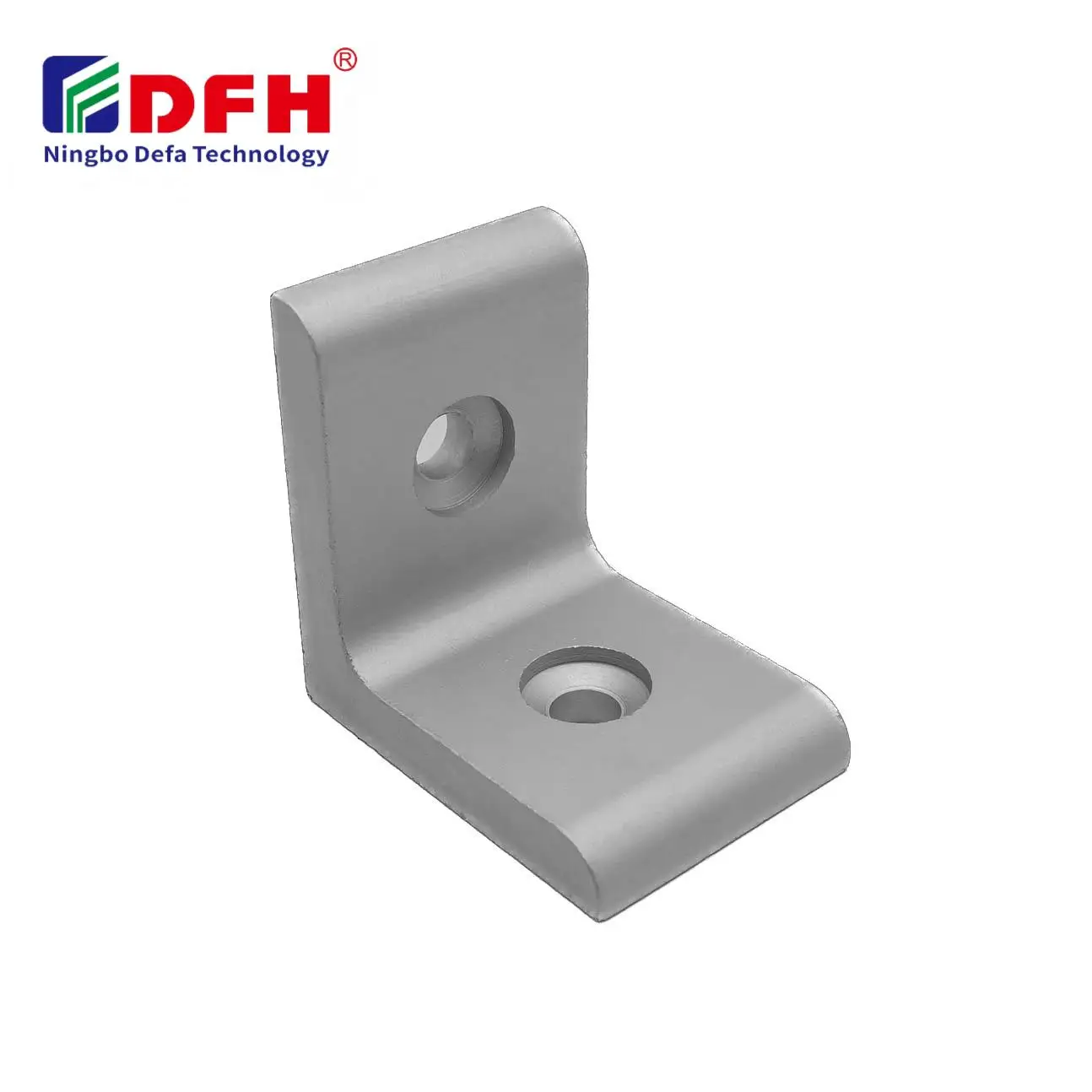
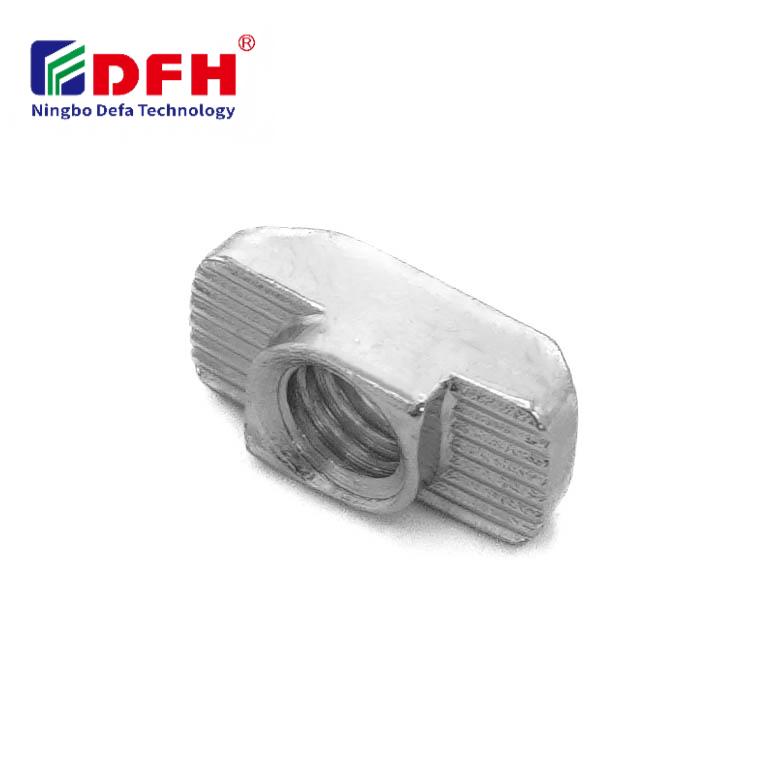
The aluminum profile you choose must also integrate seamlessly with fasteners, connectors, and other assembly components. Standard aluminum frame systems are designed around specific profile dimensions that match readily available T-slot nuts, corner brackets, and joining hardware. Deviating from standard sizes can create compatibility issues and increase assembly labor costs significantly.
When two extruded aluminum options satisfy structural demands, cost, weight, machinability, and availability become the deciding factors. A slightly larger profile may cost marginally more in material but could reduce manufacturing complexity and assembly time. Compare total project cost, not just material cost, and consider long-term maintenance and replacement accessibility. Industrial aluminum extrusions with standard dimensions typically offer the best value and availability.
Use engineering calculation software or load tables provided by the aluminum profile manufacturer to verify deflection, stress, and buckling resistance under your specific load conditions. Apply the appropriate safety factor for your application, then test the selected profile size against worst-case scenarios. If deflection or stress exceeds acceptable limits, move to the next larger standard size. Industrial aluminum extrusions are typically offered in graduated size increments, making this iterative process straightforward.
Yes, mixing aluminum profile sizes within a single assembly is common and cost-effective engineering practice. Larger profiles can be used where loads concentrate or structural rigidity is critical, while smaller extruded aluminum sections can reduce weight and cost in lower-stress areas. This approach optimizes both performance and budget but requires careful attention to joining methods and stress distribution at transitions between different profile sizes.
2026/09/30
Source aluminum profiles for versatile modular framing. Learn extrusion mechanics, strength benefits & corrosion resistance. Request details.
2026/09/30
Source aluminum profiles for construction projects. Learn structural framing, cladding & window benefits for maximum ROI. Download guide.
2026/09/30
Struggling with fastener failures or rework? Master screw sizing by diameter, pitch, material, and load—plus industry-specific standards. Optimize reliability & compliance now.
2026/09/30
Source aluminum profiles for industrial engineering. Discover strength-to-weight ratios, corrosion resistance & 30% cost savings. Download guide.
2026/09/30
Source heat-resistant aluminum profile systems. Master thermal expansion science & stress management strategies for industrial builds. Download guide.