EN
EN
What is Aluminum Profile and How Does It Work?
2026/09/30
Source aluminum profiles for versatile modular framing. Learn extrusion mechanics, strength benefits & corrosion resistance. Request details.

2026/09/10
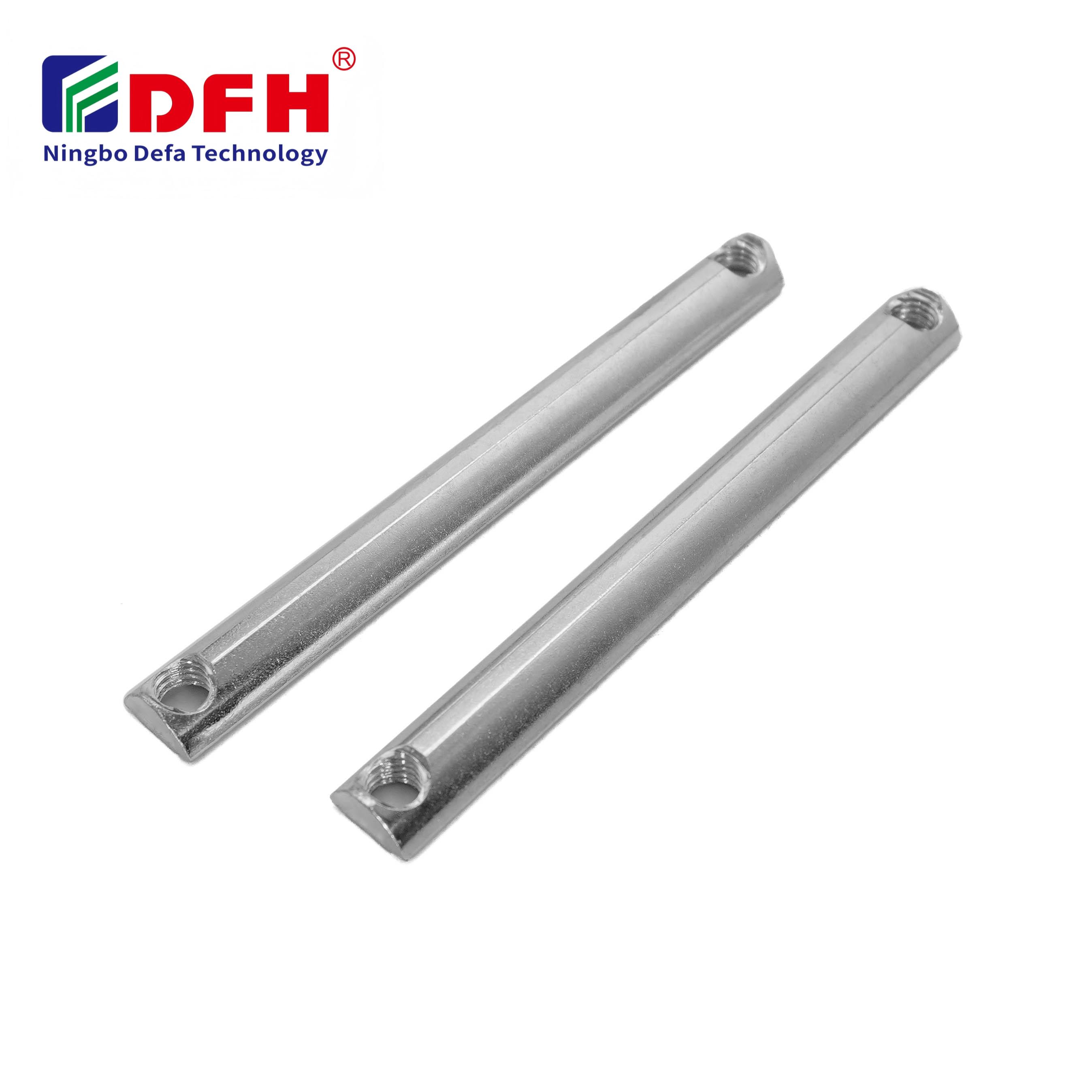
The T Nut has become an essential component across manufacturing, construction, automotive, and industrial automation sectors. This fastening hardware solution enables rapid assembly, reconfiguration, and maintenance of modular systems without requiring permanent modification. Industries ranging from aerospace to furniture production depend on T-slot nut technology to maintain flexibility, reduce assembly time, and lower production costs. Understanding which sectors benefit most from this technology reveals why T Nut fastening hardware has become indispensable in modern industrial operations.
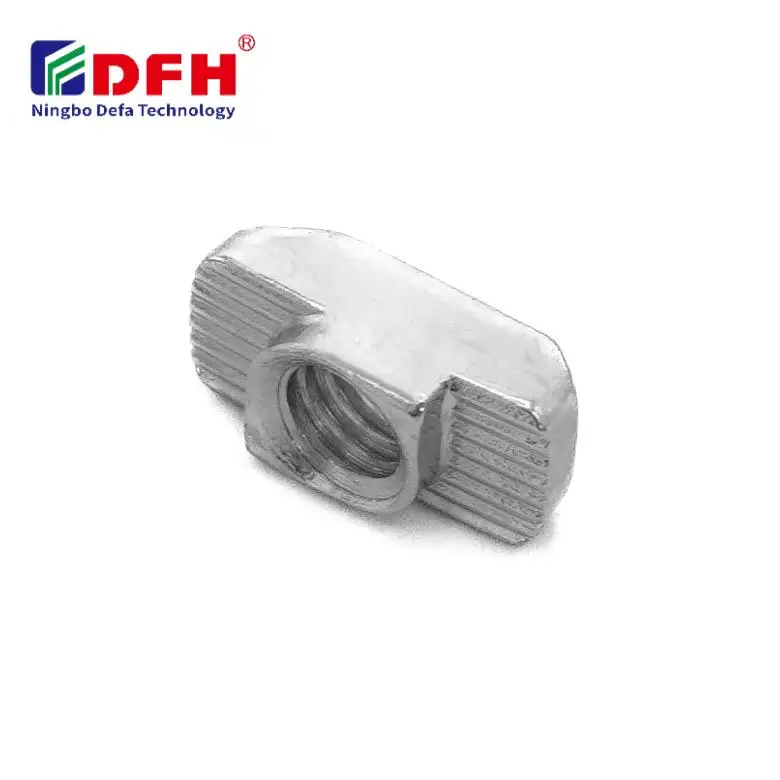
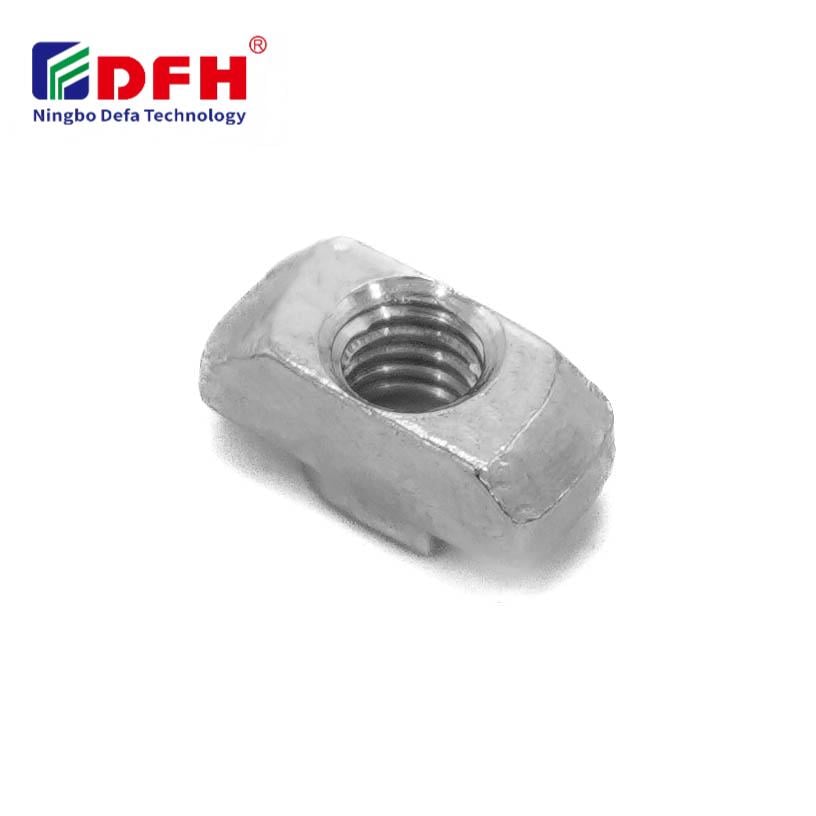
T-slot nut systems work by sliding into pre-formed channels on aluminum profiles, creating secure mounting points for bolts, brackets, and accessories. This threaded insert design allows components to be positioned anywhere along the slot, offering unprecedented design flexibility. The threaded insert mechanism eliminates the need for welding or drilling new holes, making the T Nut a preferred choice for industries that require frequent equipment reconfiguration or customization.
Automotive manufacturers have long relied on T-slot nut technology to construct flexible production lines. Factory robots, conveyor systems, and workbenches use aluminum profile frameworks secured with T Nut fastening hardware to create modular assembly stations. When production requirements change, workers can quickly reposition components without structural disruption. This fastening hardware adaptability reduces downtime and accelerates line changeovers, directly impacting production efficiency and cost management in high-volume automotive environments.
Suppliers manufacturing vehicle parts, including seating, dashboard assemblies, and electrical components, depend on threaded insert solutions for holding work fixtures in place. The T-slot nut system enables jigs and fixtures to be repositioned across workstations with minimal effort. This threaded insert capability streamlines batch production, reduces tooling costs, and allows rapid pivots to different vehicle models without equipment replacement.
Industrial automation relies heavily on T Nut technology to mount robotic arms, end-of-arm tools, and safety guarding systems. Aluminum extrusion frameworks secured with T-slot nut components provide the structural foundation for precision machinery. The threaded insert design ensures robots maintain alignment and load capacity while allowing technicians to make quick adjustments for new production tasks or maintenance procedures. This fastening hardware flexibility is critical in rapidly evolving manufacturing environments.
Packaging equipment, conveyor systems, and material handling machinery require frequent repositioning and reconfiguration based on product specifications. T Nut fastening hardware enables equipment builders to create modular systems that adapt to different packaging formats and line speeds. The T-slot nut framework supports quick-change fixtures, sensors, and automated guidance systems without requiring structural reinforcement or complex installation procedures.
The construction industry increasingly adopts modular building systems that utilize aluminum profiles secured with T-slot nut technology. Temporary scaffolding, safety railings, and framework components benefit from the threaded insert system's reusability and quick assembly characteristics. Construction firms can transport T Nut-based systems between sites, reducing material waste and accelerating project timelines. This fastening hardware approach supports sustainable building practices while maintaining structural integrity and safety compliance.
Aerospace manufacturers demand precision fastening solutions that maintain strict tolerances while allowing component repositioning during assembly and maintenance. T Nut technology provides reliable load-bearing capacity through threaded insert configurations that meet aerospace quality standards. The T-slot nut framework supports test fixtures, assembly jigs, and equipment mounting without compromising safety or performance requirements. Aerospace suppliers depend on this fastening hardware to reduce assembly defects and maintain documentation compliance.
Research institutions, testing facilities, and laboratory environments rely on T-slot nut systems to build customizable equipment frameworks. The threaded insert flexibility allows researchers to modify experimental setups quickly without permanent modifications. T Nut fastening hardware supports instrument mounting, environmental chamber construction, and calibration systems that must be reconfigured between experiments. This adaptability accelerates innovation cycles and reduces equipment development costs in research-intensive sectors.
The furniture and retail display sectors have embraced T Nut technology for creating modular, reconfigurable product lines. Workstations, shelving systems, and display frameworks utilize T-slot nut components to enable quick assembly and customization without specialized tools. Interior design professionals appreciate the threaded insert flexibility that allows clients to modify layouts based on changing needs. This fastening hardware approach extends product lifespan while reducing manufacturing complexity and inventory requirements for retailers and wholesalers.
Industries choose T-slot nut technology because it delivers tangible operational benefits. The T Nut fastening hardware eliminates welding, drilling, and complex machining processes that increase labor costs and production timelines. Threaded insert systems reduce assembly errors by simplifying installation procedures, leading to higher first-pass quality rates. The reusability of T Nut components across projects and product generations lowers total cost of ownership while supporting sustainability initiatives that modern businesses prioritize.
Automotive manufacturing, industrial automation, aerospace, construction, furniture production, and laboratory equipment industries are the primary sectors relying on T-slot nut technology. These industries benefit from the flexibility, rapid assembly, and reconfiguration capabilities that T Nut fastening hardware provides compared to traditional permanent fastening methods.
The threaded insert system eliminates expensive welding, drilling, and retooling operations required by traditional fastening approaches. T Nut components enable quick assembly and repositioning without equipment downtime, reducing labor hours and production delays. The ability to reuse T-slot nut frameworks across multiple products and projects lowers material expenses and capital investment requirements.
Yes, T-slot nut technology is engineered to support substantial loads when properly selected for application requirements. Threaded insert design provides load distribution across aluminum profile channels, enabling structural applications in industrial machinery, robotics, and aerospace equipment. Load capacity depends on nut size, material grade, and profile thickness, making proper engineering critical for safety-critical applications.
2026/09/30
Source aluminum profiles for versatile modular framing. Learn extrusion mechanics, strength benefits & corrosion resistance. Request details.
2026/09/30
Source aluminum profiles for construction projects. Learn structural framing, cladding & window benefits for maximum ROI. Download guide.
2026/09/30
Source optimal aluminum profile sizing techniques. Evaluate load, space, alloy, environment & cost factors to prevent deflection. Download guide.
2026/09/30
Struggling with fastener failures or rework? Master screw sizing by diameter, pitch, material, and load—plus industry-specific standards. Optimize reliability & compliance now.
2026/09/30
Source aluminum profiles for industrial engineering. Discover strength-to-weight ratios, corrosion resistance & 30% cost savings. Download guide.
2026/09/30
Source heat-resistant aluminum profile systems. Master thermal expansion science & stress management strategies for industrial builds. Download guide.