EN
EN
What is Aluminum Profile and How Does It Work?
2026/09/30
Source aluminum profiles for versatile modular framing. Learn extrusion mechanics, strength benefits & corrosion resistance. Request details.

2026/09/03
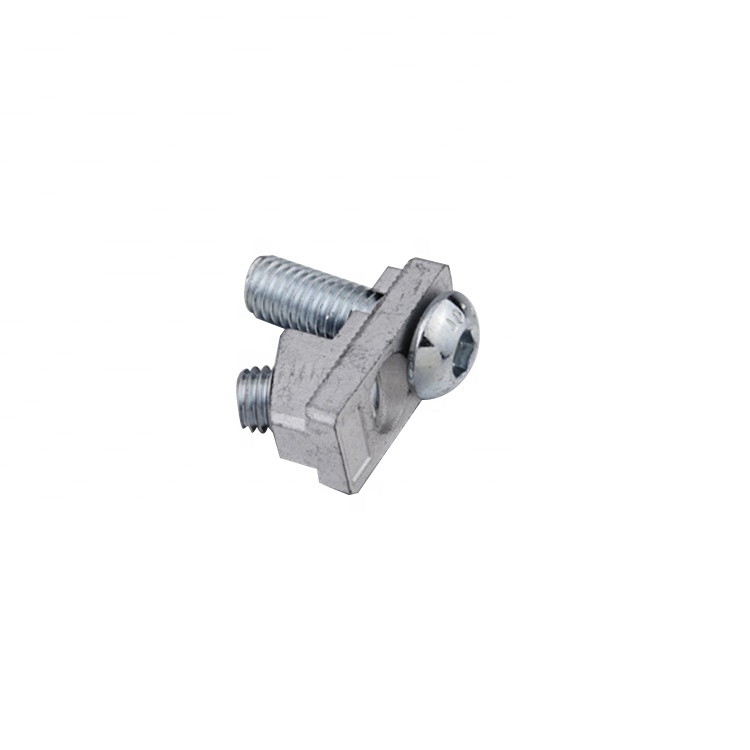
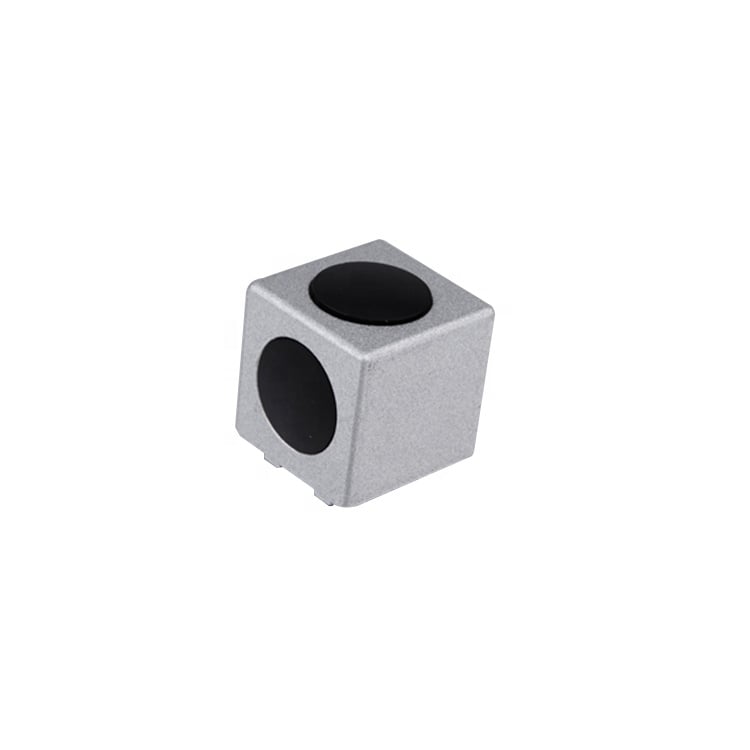
Inner connectors are critical structural elements in modular assembly systems, enabling seamless integration between aluminum profiles and framework components. These internal connection hardware solutions provide the mechanical foundation for creating robust, scalable industrial assemblies without requiring external fastening methods. Understanding where to deploy inner connectors optimizes structural integrity, reduces assembly time, and improves overall system reliability across manufacturing, automation, and infrastructure applications.
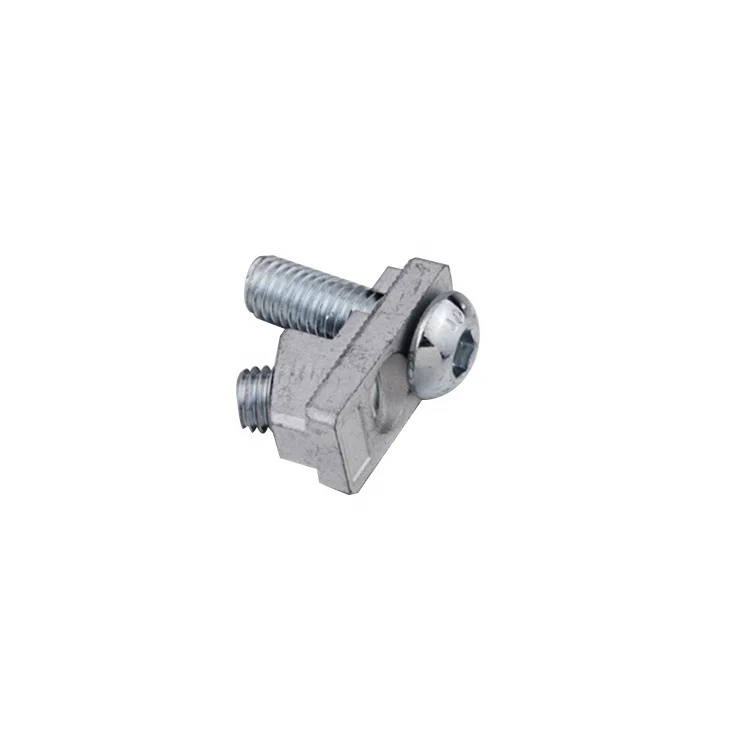
Selecting the right placement for inner connectors depends on load requirements, assembly geometry, and operational conditions. Profile joint systems that incorporate inner connectors deliver precise alignment, repeatability, and modularity essential for industrial frameworks. Whether building conveyor systems, machine frames, workstations, or automation equipment, knowing where inner connectors belong ensures your assembly meets performance specifications while maintaining cost efficiency.
Inner connectors excel at frame intersections where multiple profiles meet at right angles or diagonal planes. These connection points experience concentrated stress during assembly and operation, making internal connection hardware the ideal solution for distributing loads evenly. By inserting inner connectors directly into profile channels, you eliminate external brackets that reduce aesthetics and create potential weak points. This approach works particularly well in machine frames, structural supports, and modular workstation designs where precision alignment is non-negotiable.
The profile joint systems utilizing inner connectors provide superior rigidity compared to surface-mounted alternatives. In heavy-duty manufacturing environments, corner joints reinforced with inner connectors withstand vibration, thermal cycling, and repeated stress cycles without loosening or degrading. The internal load path created by properly positioned inner connectors ensures stress concentration zones remain within acceptable engineering limits, extending assembly service life significantly.
Complex assemblies requiring connections in three dimensions benefit tremendously from modular assembly components like inner connectors. Manufacturing cells, robotic work envelopes, and large-scale automation frameworks often need T-junction connections, cross-bracing, and diagonal reinforcement. Inner connectors inserted at these critical nodes create load paths that resist bending, torsion, and shear forces from multiple directions simultaneously. This omni-directional strength is impossible to achieve with simple surface bolting alone.
Automation equipment manufacturers increasingly rely on internal connection hardware to build flexible machine frames that accept quick-change modules and tooling adapters. Inner connectors positioned at frame perimeter edges and load-bearing ribs create a strong backbone that distributes dynamic loads from operating machinery. Conveyor drive frames, press bed supports, and gantry systems all benefit from the clean internal joints that inner connectors provide. The modular assembly components approach allows manufacturers to redesign quickly without purchasing new structural frames.
In food processing, pharmaceutical, and electronics manufacturing environments, inner connectors enable frequent equipment reconfiguration without tool marks or surface damage. The profile joint systems remain hidden inside aluminum profiles, protecting internal connection hardware from dust, moisture, and chemical exposure. This sealed design extends connector service life and maintains hygiene compliance in regulated industries where contamination risk must be minimized.
Linear motion platforms, vision system mounts, and precision sensor frameworks demand repeatable, accurate positioning that inner connectors deliver naturally. The tight tolerances inherent in profile joint systems ensure that components reassemble to identical positions across multiple production runs. When integrated into modular assembly components layouts, inner connectors support sub-assemblies that mount, adjust, and remount consistently without calibration drift. This repeatability reduces downstream rework and maintains statistical process control in demanding manufacturing environments.
Conveyor systems, sorter frames, and material flow infrastructure rely heavily on profile joint systems that inner connectors anchor securely. The internal connection hardware approach keeps external profiles clean and prevents debris accumulation in fastening recesses common with external bolting. Pallet handling systems, automated storage and retrieval equipment, and sortation machinery all utilize inner connectors to create stable, vibration-resistant structures that operate reliably during extended production cycles. The modular assembly components design allows operators to reconfigure conveyor paths or routing logic by simply relocating inner connectors to different profile positions.
In high-speed logistics applications, the impact resistance and dampening characteristics of profile joint systems incorporating inner connectors reduce shock transmission through the assembly. Continuous operation, temperature fluctuations, and mechanical shock from dropped loads do not degrade connections hidden inside aluminum profiles. This robustness translates to reduced maintenance costs and higher equipment availability rates that directly improve operational profitability.
Ergonomic workstations benefit from the aesthetic advantages of inner connectors embedded within aluminum framework. Rather than displaying industrial fasteners externally, workstations using profile joint systems present clean, professional appearances that improve workplace perception and safety. The internal connection hardware arrangement reduces trip hazards, prevents sharp protrusions from catching clothing or skin, and creates smooth surfaces for operator interaction. Adjustable workstations using modular assembly components can be reconfigured to accommodate different operators, tasks, and production requirements without visible structural modifications.
Inner connectors typically offer load capacities ranging from a few hundred pounds to several tons, depending on connector material, profile dimensions, and application geometry. Profile joint systems engineered with appropriate inner connector sizing can support dynamic loads during sustained operation. Always verify that your specific modular assembly components selection matches calculated load requirements from structural analysis, accounting for safety factors and environmental stress conditions.
Yes, internal connection hardware elements like inner connectors are designed for repeated insertion and removal across different profile positions. This reusability makes modular assembly components economical for industries requiring frequent equipment reconfiguration. Over extended lifecycles, periodic inspection ensures connector surfaces remain clean and profile channels are free from debris that could impede repositioning or compromise alignment in profile joint systems.
Since inner connectors sit inside aluminum profiles, they receive protection from extreme temperature swings, moisture, and corrosive substances. Industrial assembly environments benefit from this sealed design that keeps internal connection hardware isolated from harsh conditions. For applications involving chemical exposure or marine environments, ensure connector materials match corrosion resistance requirements and that profile joint systems incorporate appropriate surface treatments or protective coatings on any exposed surfaces.
2026/09/30
Source aluminum profiles for versatile modular framing. Learn extrusion mechanics, strength benefits & corrosion resistance. Request details.
2026/09/30
Source aluminum profiles for construction projects. Learn structural framing, cladding & window benefits for maximum ROI. Download guide.
2026/09/30
Source optimal aluminum profile sizing techniques. Evaluate load, space, alloy, environment & cost factors to prevent deflection. Download guide.
2026/09/30
Struggling with fastener failures or rework? Master screw sizing by diameter, pitch, material, and load—plus industry-specific standards. Optimize reliability & compliance now.
2026/09/30
Source aluminum profiles for industrial engineering. Discover strength-to-weight ratios, corrosion resistance & 30% cost savings. Download guide.
2026/09/30
Source heat-resistant aluminum profile systems. Master thermal expansion science & stress management strategies for industrial builds. Download guide.