EN
EN
What is Aluminum Profile and How Does It Work?
2026/09/30
Source aluminum profiles for versatile modular framing. Learn extrusion mechanics, strength benefits & corrosion resistance. Request details.

2026/09/02
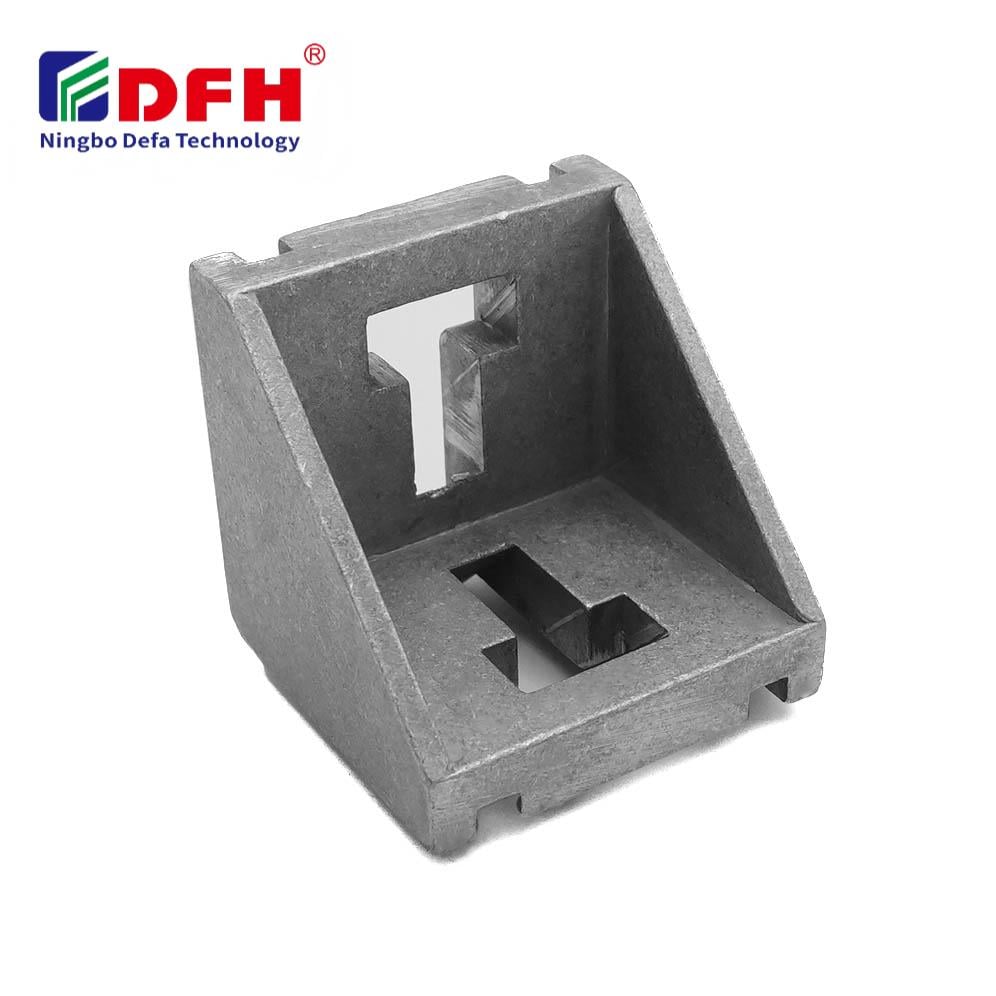
Precision and stability are fundamental to successful manufacturing operations. Equipment that shifts or tilts during production can compromise product quality, damage machinery, and create safety hazards for workers. Leveling feet address these critical challenges by providing reliable support and alignment for industrial equipment across diverse manufacturing environments.
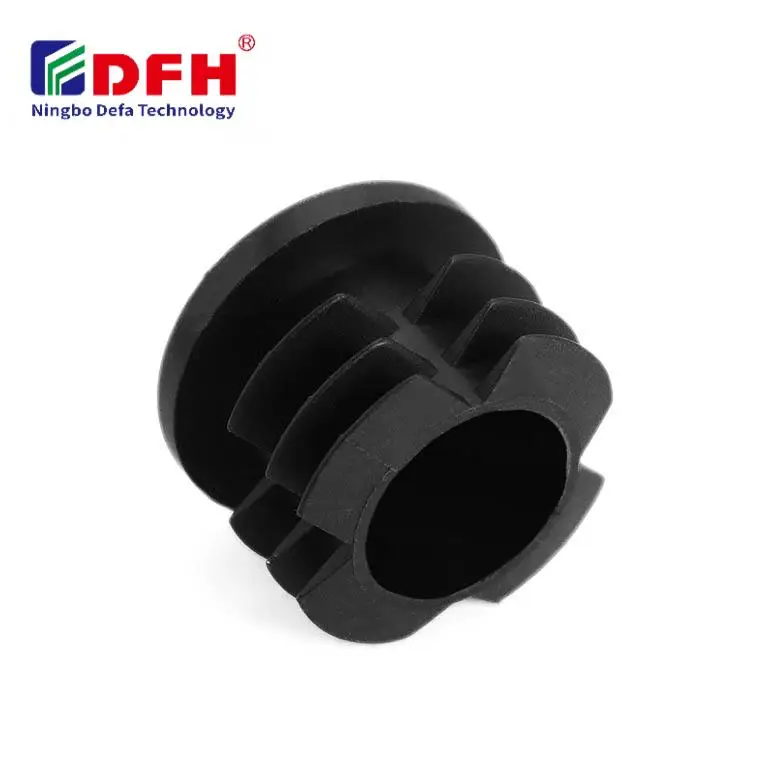
Manufacturing facilities rely on equipment stabilizer feet to maintain consistent operation on uneven or sloped floors. Whether dealing with concrete imperfections, slight inclines, or outdoor production areas, adjustable leveling feet enable equipment to sit perfectly level and stable. This foundation prevents vibration transfer, reduces wear on machinery components, and ensures uniform product output. Understanding where and how to deploy these stabilization solutions is essential for facility managers and production engineers.
Heavy manufacturing environments feature large presses, mills, and assembly equipment that demand absolute stability. Production machinery operating on factory floors must withstand constant vibration and operational loads without shifting position. Adjustable leveling feet provide the precision foundation these systems require, preventing cumulative misalignment that would otherwise compound over thousands of production cycles. Manufacturing facilities using CNC machines, hydraulic presses, and automated assembly systems consistently implement equipment stabilizer feet to lock machinery in precise positions.
Leveling feet in this context serve multiple functions beyond simple stabilization. They absorb vibration energy, protecting precision tools and reducing noise levels throughout the facility. When machinery remains properly leveled, tool wear decreases significantly, maintenance intervals extend, and downtime for realignment becomes unnecessary. Manufacturing supervisors recognize that investing in quality leveling feet prevents expensive production interruptions and equipment failures.
Industrial floors rarely meet perfect flatness specifications, and adjustable leveling feet solve this reality efficiently. Rather than resurfacing costly concrete areas, manufacturers install equipment with adjustable feet that compensate for floor irregularities within operational tolerances. This approach dramatically reduces installation time and cost compared to concrete work. Equipment stabilizer feet allow technicians to fine-tune positioning during startup, ensuring machinery operates optimally regardless of underlying floor conditions.
Quality control departments depend on precision measurement equipment that cannot tolerate vibration or misalignment. Coordinate measuring machines, vision inspection systems, and calibration testing devices require absolutely stable mounting platforms. Leveling feet maintain the exact positioning these systems demand, preventing measurement drift that would invalidate quality control data. Manufacturing facilities using advanced metrology equipment understand that furniture leveling pads and adjustable feet represent essential investments in measurement accuracy and data integrity.
Environmental vibration from adjacent machinery, foot traffic, or external sources can compromise sensitive measurement systems. Quality assurance managers specify equipment stabilizer feet during installation to isolate testing equipment from facility vibration. This isolation ensures consistent measurement results, maintains traceability for quality certifications, and prevents false rejections or approvals that would compromise product integrity. Leveling feet essentially become part of the measurement system infrastructure itself.
Environmental testing chambers used for product validation and materials analysis require perfect stability to deliver accurate results. These expensive systems must maintain precise temperature and humidity control within confined spaces where vibration interference can skew measurements. Adjustable leveling feet ensure chambers remain precisely positioned during extended test cycles, preventing mechanical drift that would invalidate results. Manufacturing quality labs recognize that proper equipment stabilizer feet installation protects both equipment investment and test data reliability.
Pharmaceutical manufacturing and food production environments impose strict sanitation and precision requirements where leveling feet play critical roles. Filling machines, mixing equipment, and packaging systems must operate without vibration-induced spillage or product loss. Adjustable leveling feet maintain perfect positioning for these sensitive operations while supporting frequent cleaning and sterilization protocols. Food and pharmaceutical manufacturers select equipment stabilizer feet specifically designed to withstand repeated wash-down procedures and chemical exposure common in these industries.
Leveling feet in food and pharmaceutical settings prevent product contamination caused by equipment misalignment. When machinery remains perfectly level, product flow patterns remain consistent, quality metrics stay uniform, and regulatory compliance becomes easier to maintain. Facility managers in these industries understand that furniture leveling pads and adjustable feet directly impact food safety, product efficacy, and compliance certifications required for market access.
Textile mills and printing operations demand precision alignment where adjustable leveling feet ensure consistent product quality across production runs. Printing equipment, weaving machines, and finishing systems must maintain exact positioning to prevent registration errors, pattern misalignment, or product defects. Equipment stabilizer feet compensate for old factory floors and equipment settling, maintaining the calibration necessary for high-quality output. Textile producers and print shops rely on leveling feet to minimize waste, reduce rework, and maintain production efficiency.
Adjustable leveling feet work effectively on concrete, composite, and steel floors commonly found in manufacturing facilities. They compensate for minor floor irregularities, slight slopes, and settling that occurs in older buildings. For floors with significant damage or extreme unevenness, floor repair may be necessary before installation. Manufacturers should verify floor conditions and foot material compatibility before selecting specific equipment stabilizer feet models.
Regular inspection of furniture leveling pads and adjustable leveling feet ensures equipment remains properly positioned and stable. Monthly visual checks catch wear, corrosion, or loosening, while annual detailed inspections verify alignment hasn't drifted over time. High-vibration environments may require more frequent inspection schedules. Production managers should incorporate leveling feet checks into preventive maintenance programs to catch issues before they affect equipment performance or product quality.
Most equipment stabilizer feet designs accommodate moderate weight variations through their adjustment range, but exceeding rated load capacities compromises stability and safety. Manufacturers must verify that selected leveling feet match equipment weight specifications and potential dynamic loads. If equipment weight changes significantly, such as adding new components or tooling, leveling feet must be re-evaluated and potentially adjusted or replaced. Proper load rating selection ensures leveling feet maintain equipment stability throughout the equipment's operational life.
2026/09/30
Source aluminum profiles for versatile modular framing. Learn extrusion mechanics, strength benefits & corrosion resistance. Request details.
2026/09/30
Source aluminum profiles for construction projects. Learn structural framing, cladding & window benefits for maximum ROI. Download guide.
2026/09/30
Source optimal aluminum profile sizing techniques. Evaluate load, space, alloy, environment & cost factors to prevent deflection. Download guide.
2026/09/30
Struggling with fastener failures or rework? Master screw sizing by diameter, pitch, material, and load—plus industry-specific standards. Optimize reliability & compliance now.
2026/09/30
Source aluminum profiles for industrial engineering. Discover strength-to-weight ratios, corrosion resistance & 30% cost savings. Download guide.
2026/09/30
Source heat-resistant aluminum profile systems. Master thermal expansion science & stress management strategies for industrial builds. Download guide.