EN
EN
What is Aluminum Profile and How Does It Work?
2026/09/30
Source aluminum profiles for versatile modular framing. Learn extrusion mechanics, strength benefits & corrosion resistance. Request details.
2026/09/04
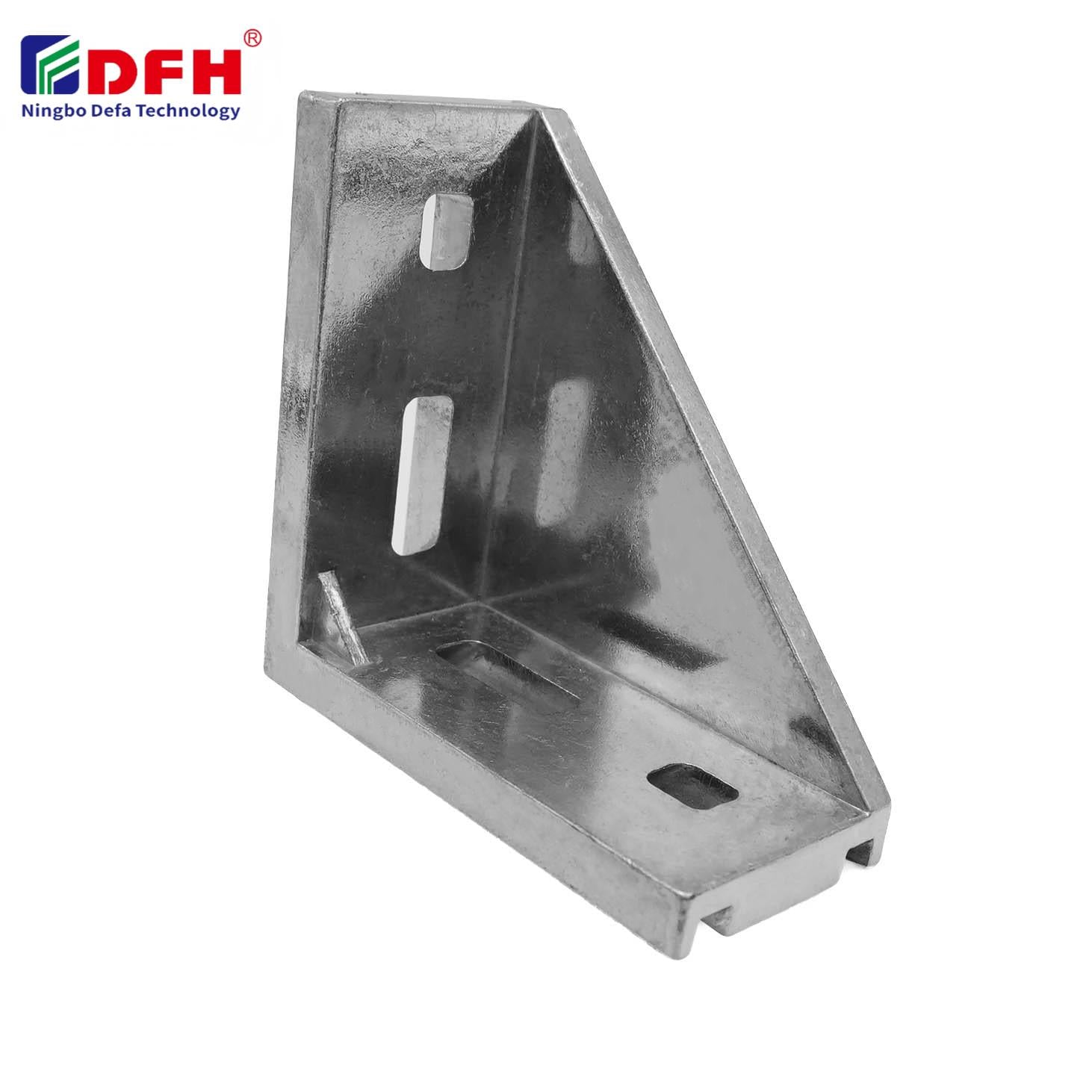
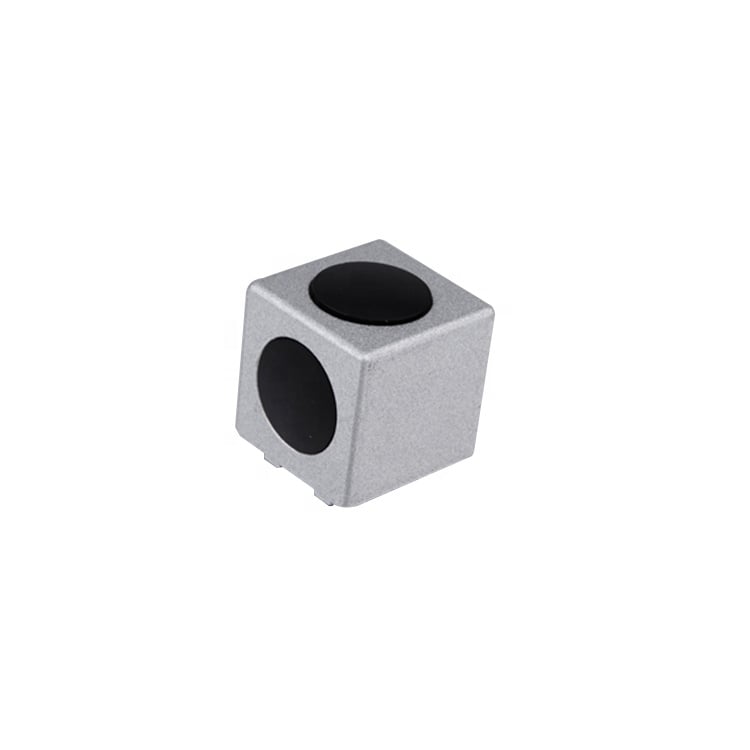
Inner connectors have become essential components in modern industrial projects, particularly when building modular structures and framework systems. These versatile fastening elements enable seamless integration between structural profiles and assemblies, providing the structural integrity and flexibility that contemporary manufacturing demands. Understanding where and how to deploy inner connectors can significantly enhance project efficiency, reduce assembly time, and improve overall system reliability.
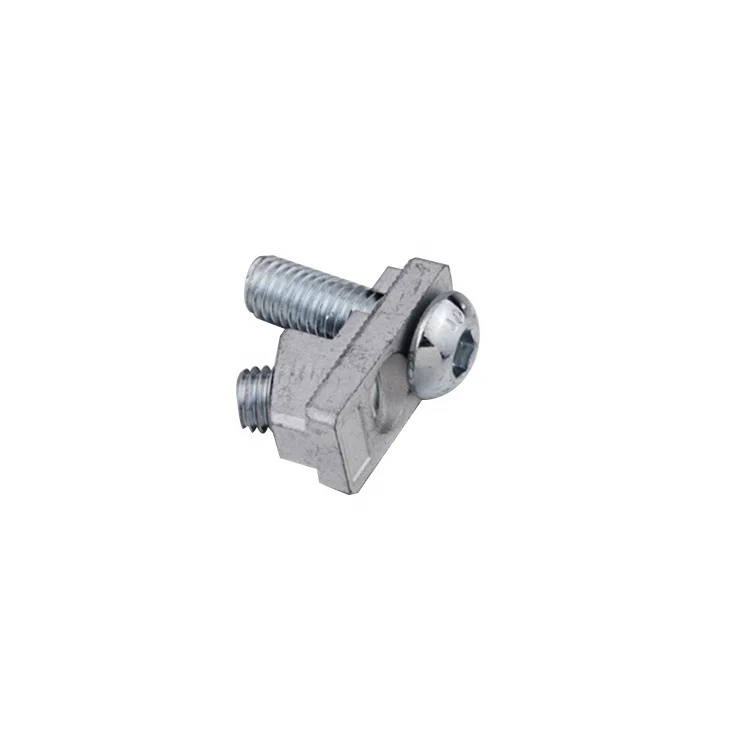
When working with aluminum profiles and structural frameworks, the selection of appropriate internal connection hardware directly impacts both performance and longevity. Inner connectors serve as the hidden backbone of many industrial applications, allowing manufacturers to create robust systems without compromising on aesthetics or functionality. This guide explores the practical applications of inner connectors across various project types and industries.
In automation and manufacturing environments, Inner Connectors play a crucial role in building robust machinery frames and conveyor systems. These internal connection hardware components allow engineers to construct modular assembly components that can be easily reconfigured or expanded as production requirements change. The profile joint systems created with inner connectors provide the rigidity needed for high-speed operations while maintaining the flexibility for quick modifications.
Assembly lines benefit tremendously from the use of inner connectors because they enable rapid prototyping and field adjustments without requiring complete structural redesigns. When machinery needs to accommodate different product sizes or specifications, inner connectors facilitate smooth transitions between configurations. The modular assembly components approach reduces downtime and allows manufacturers to optimize their production capabilities efficiently.
Heavy machinery requires reliable support structures that can withstand continuous operational stress. Internal connection hardware solutions provide the necessary strength and stability for equipment mounting systems. Profile joint systems utilizing inner connectors distribute loads evenly across the framework, preventing stress concentrations that could lead to premature failure or safety hazards.
Cleanroom facilities demand precision in every component, including the connection methods used in modular assembly components. Inner connectors enable the construction of seamless partition walls and enclosure systems that maintain environmental integrity. The internal connection hardware design ensures that no external fasteners compromise the sealed environment or create dust collection points.
When building pharmaceutical manufacturing spaces, medical device production areas, or semiconductor cleanrooms, profile joint systems with concealed inner connectors offer distinct advantages. These systems can be disassembled and reconfigured without leaving visible damage, making them ideal for facilities that undergo frequent process modifications. The modular approach allows facility managers to adapt workspace layouts quickly while maintaining strict environmental controls.
Modular assembly components designed with inner connectors create flexible enclosures that protect sensitive operations from external contamination. The concealed fastening approach maintains aesthetic standards while ensuring structural reliability. Internal connection hardware provides the strength needed for equipment isolation without the visual clutter of external bolting systems.
Laboratory environments require adaptable workspace solutions that support evolving research needs and equipment configurations. Inner connectors enable the creation of profile joint systems that can be modified quickly as research priorities shift. These modular assembly components provide the structural foundation for equipment mounting, safety enclosures, and organizational infrastructure without requiring permanent installations.
Research facilities benefit from the flexibility that internal connection hardware provides when integrating new instruments or reconfiguring laboratory spaces. The ability to modify structures rapidly reduces project timelines and allows researchers to focus on their core work. Profile joint systems with concealed fasteners maintain a professional appearance while delivering industrial-strength durability.
Laboratory safety enclosures demand reliability and ease of modification as experimental requirements change. Inner connectors facilitate the construction of modular assembly components that provide complete containment without visible external fasteners. The internal connection hardware approach ensures that structural integrity remains uncompromised while allowing straightforward reconfiguration when needed.
Inner connectors find applications across diverse sectors including automotive manufacturing, pharmaceutical production, semiconductor fabrication, and research institutions. Any industry requiring modular assembly components with internal connection hardware benefits from the flexibility and structural integrity these fastening solutions provide. Profile joint systems utilizing inner connectors are particularly valuable in facilities that frequently modify their layouts or equipment configurations.
Internal connection hardware offers significant advantages over traditional external bolting approaches. Inner connectors enable cleaner aesthetics, eliminate external fasteners that collect dust or debris, and provide superior load distribution across profile joint systems. The modular assembly components approach with concealed fasteners reduces assembly time and allows for easier future modifications without visible damage to structures.
Yes, one of the primary advantages of inner connectors is their reusability and adaptability in modular assembly components. When modifying profile joint systems or reconfiguring structures, internal connection hardware can typically be retained and repositioned for new layouts. This capability makes projects utilizing inner connectors more economical over their lifecycle and supports sustainable manufacturing practices.
2026/09/30
Source aluminum profiles for versatile modular framing. Learn extrusion mechanics, strength benefits & corrosion resistance. Request details.
2026/09/30
Source aluminum profiles for construction projects. Learn structural framing, cladding & window benefits for maximum ROI. Download guide.
2026/09/30
Source optimal aluminum profile sizing techniques. Evaluate load, space, alloy, environment & cost factors to prevent deflection. Download guide.
2026/09/30
Struggling with fastener failures or rework? Master screw sizing by diameter, pitch, material, and load—plus industry-specific standards. Optimize reliability & compliance now.
2026/09/30
Source aluminum profiles for industrial engineering. Discover strength-to-weight ratios, corrosion resistance & 30% cost savings. Download guide.
2026/09/30
Source heat-resistant aluminum profile systems. Master thermal expansion science & stress management strategies for industrial builds. Download guide.