EN
EN
What is Aluminum Profile and How Does It Work?
2026/09/30
Source aluminum profiles for versatile modular framing. Learn extrusion mechanics, strength benefits & corrosion resistance. Request details.

2026/09/10
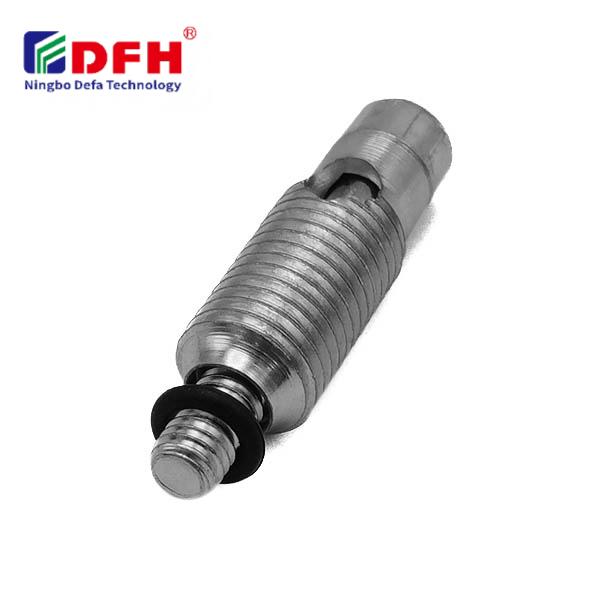
End connectors are fundamental components in modern industrial projects, serving as critical interfaces that establish reliable electrical and mechanical connections across diverse applications. Whether you're designing automation systems, constructing power distribution networks, or assembling modular equipment, understanding where and how to deploy end connectors directly impacts project success, safety, and longevity. These specialized connection components bridge gaps between cables, terminals, and system components, ensuring stable signal transmission and load capacity throughout the operational lifecycle.
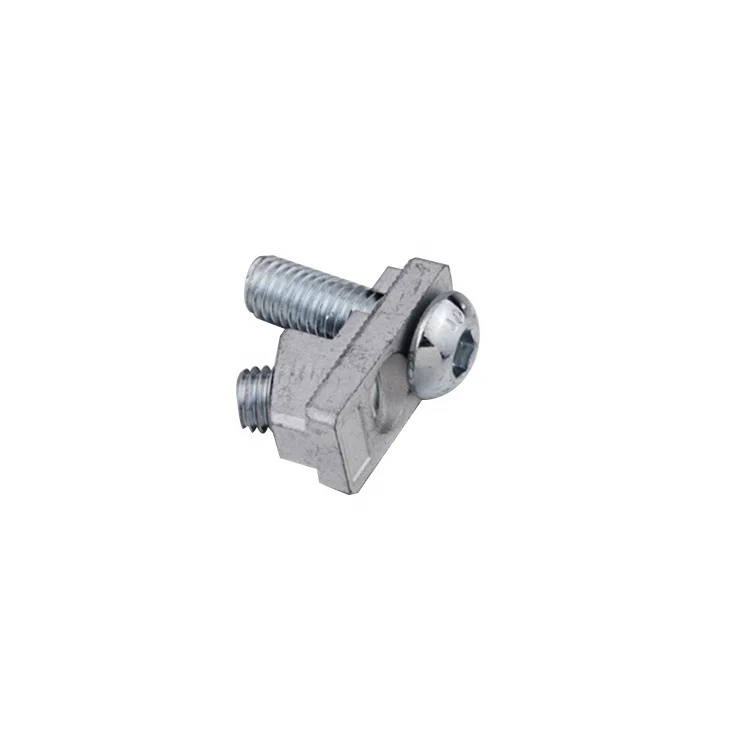
The versatility of End Connectors extends across manufacturing, telecommunications, renewable energy, automotive, and aerospace sectors. Each industry faces unique environmental demands, voltage specifications, and reliability requirements that shape connector selection and deployment strategy. This article explores practical project scenarios where cable end connectors and connector terminals deliver measurable value, alongside the criteria that guide implementation decisions in real-world engineering contexts.
End connectors play a vital role in power distribution projects where cables must terminate securely at switchboards, transformers, and industrial control panels. Connector terminals within these systems handle substantial current loads while maintaining low contact resistance, preventing voltage drop and heat generation. In manufacturing facilities, cable end connectors link motor circuits, pump systems, and conveyor assemblies to central power hubs, where any connection failure disrupts production schedules and compromises safety protocols.
Connection hardware solutions for power systems must meet strict compliance standards and withstand thermal cycling, vibration, and occasional mechanical stress. Engineers specify connector terminals based on wire gauge, current rating, environmental exposure, and operational temperature ranges. Projects spanning outdoor installations, petrochemical plants, and food processing environments demand specialized end connectors rated for corrosion resistance, humidity, and chemical exposure. The reliability of these connections directly correlates with facility uptime and insurance compliance verification.
Telecommunications infrastructure and data center projects rely heavily on precision cable end connectors to maintain signal integrity across fiber optic and twisted-pair copper networks. These connector terminals must preserve bandwidth capacity, minimize electromagnetic interference, and provide consistent impedance matching throughout transmission pathways. Network expansion projects frequently incorporate modular end connector systems that allow rapid reconfiguration without rewiring entire backbone infrastructure.
Connection hardware specifications for data applications emphasize shielding effectiveness, frequency response, and environmental sealing against dust and moisture ingress. Data center cooling systems, redundant server rack interconnections, and distributed antenna systems all depend on reliable cable end connectors that sustain gigabit-speed performance under sustained operational loads. The financial impact of network downtime drives rigorous connector selection and installation protocols within telecommunications project scopes.
Industrial automation projects deploy end connectors extensively within robot control cabinets, sensor integration nodes, and motion control subsystems where rapid disconnection and reconfiguration streamline maintenance cycles. Connector terminals in these environments must tolerate electromagnetic noise from high-frequency switching circuits, motor drives, and wireless communication systems without introducing signal degradation. Modular production lines increasingly utilize standardized cable end connectors that reduce changeover time when switching between product variants or assembly configurations.
Connection hardware designed for automation typically features robust mechanical latching, color-coded connector terminals for error-prevention, and environmental ratings supporting washdown sanitation protocols. Projects integrating collaborative robots, vision systems, and programmable logic controllers benefit from end connectors that simplify wiring harness management and support predictive maintenance diagnostic capabilities. The ability to rapidly disconnect subsystems for troubleshooting and component replacement directly accelerates project commissioning timelines and reduces production losses during equipment updates.
Solar photovoltaic installations and wind turbine projects incorporate specialized cable end connectors rated for direct current transmission, outdoor environmental exposure, and rapid disconnection during maintenance operations. Connector terminals in renewable energy systems must withstand extreme temperature fluctuations, intense ultraviolet radiation, salt spray exposure, and mechanical stress from vibration and wind loading. These applications frequently specify weathersealed end connectors with enhanced mechanical strength to prevent accidental disconnection during high-wind events or installation mishaps.
Connection hardware for renewable installations balances cost efficiency with long-term reliability, as connector failures directly reduce energy generation capacity and delay project revenue realization. Grid-tie inverter systems, battery energy storage installations, and microgrid projects all depend on robust cable end connectors that maintain consistent electrical characteristics across decades of operational cycling. Engineers prioritize connector terminal materials with inherent corrosion resistance, such as stainless steel or nickel-plated brass, to minimize maintenance interventions in geographically isolated installations.
Projects operating in extreme environments demand end connectors engineered specifically for chemical exposure, thermal cycling, and mechanical abuse conditions that would compromise standard connector terminals. Offshore oil drilling platforms, underground mining operations, and arctic infrastructure installations require cable end connectors with specialized sealing compounds, stainless steel hardware, and enhanced vibration-damping features. The consequences of connector failure in these settings extend beyond equipment downtime to include personnel safety risks, environmental spill potential, and catastrophic operational losses.
Connection hardware manufacturers provide specialized material certificates, temperature stability documentation, and environmental test reports that substantiate connector terminal suitability for extreme applications. Project engineers conduct detailed failure mode analysis to identify potential connector vulnerabilities and specify redundant connection points where mission-critical systems demand maximum reliability assurance. The investment in premium-grade end connectors often yields substantial returns through extended service intervals, reduced maintenance costs, and avoided emergency repair mobilization expenses in remote operational settings.
Compact equipment designs and confined installation spaces frequently necessitate miniaturized cable end connectors that minimize footprint while maintaining full electrical capacity and mechanical strength. Automotive electrical systems, medical device assemblies, and portable instrumentation projects all benefit from connector terminals designed for space-efficient integration without compromising performance characteristics. End connectors engineered for high-density applications enable tighter packaging geometries, reduce overall equipment weight, and simplify field service procedures through standardized quick-disconnect interfaces.
Modular project architectures incorporate standardized cable end connectors that facilitate interchangeable subsystem integration and future technology upgrades without redesigning core infrastructure. Connection hardware libraries that catalog compatible connector terminal options accelerate design cycles and reduce technical risk by leveraging proven compatibility matrices. Projects leveraging standardized end connector ecosystems achieve superior supply chain resilience and reduced procurement lead times compared to custom-engineered connector solutions.
Cable end connectors are essential across manufacturing, telecommunications, renewable energy, automotive, aerospace, and utilities sectors. Any industry requiring reliable electrical connections, power distribution, or signal transmission depends on specialized connector terminals to maintain operational reliability and safety compliance standards.
Environmental exposure directly shapes connector terminal material specifications, sealing features, and temperature ratings required for project success. Offshore, underground, arctic, and chemical-intensive environments demand specialized end connectors with enhanced corrosion resistance, mechanical durability, and environmental sealing capabilities that standard connectors cannot provide.
Standardized cable end connectors and modular connection hardware enable rapid disconnection, subsystem replacement, and technology upgrades without extensive rewiring or infrastructure modifications. Utilizing compatible connector terminals across project phases reduces technical complexity, accelerates troubleshooting procedures, and extends equipment service intervals through improved accessibility and diagnostic capabilities.
2026/09/30
Source aluminum profiles for versatile modular framing. Learn extrusion mechanics, strength benefits & corrosion resistance. Request details.
2026/09/30
Source aluminum profiles for construction projects. Learn structural framing, cladding & window benefits for maximum ROI. Download guide.
2026/09/30
Source optimal aluminum profile sizing techniques. Evaluate load, space, alloy, environment & cost factors to prevent deflection. Download guide.
2026/09/30
Struggling with fastener failures or rework? Master screw sizing by diameter, pitch, material, and load—plus industry-specific standards. Optimize reliability & compliance now.
2026/09/30
Source aluminum profiles for industrial engineering. Discover strength-to-weight ratios, corrosion resistance & 30% cost savings. Download guide.
2026/09/30
Source heat-resistant aluminum profile systems. Master thermal expansion science & stress management strategies for industrial builds. Download guide.