EN
EN
What is Aluminum Profile and How Does It Work?
2026/09/30
Source aluminum profiles for versatile modular framing. Learn extrusion mechanics, strength benefits & corrosion resistance. Request details.

2026/09/29
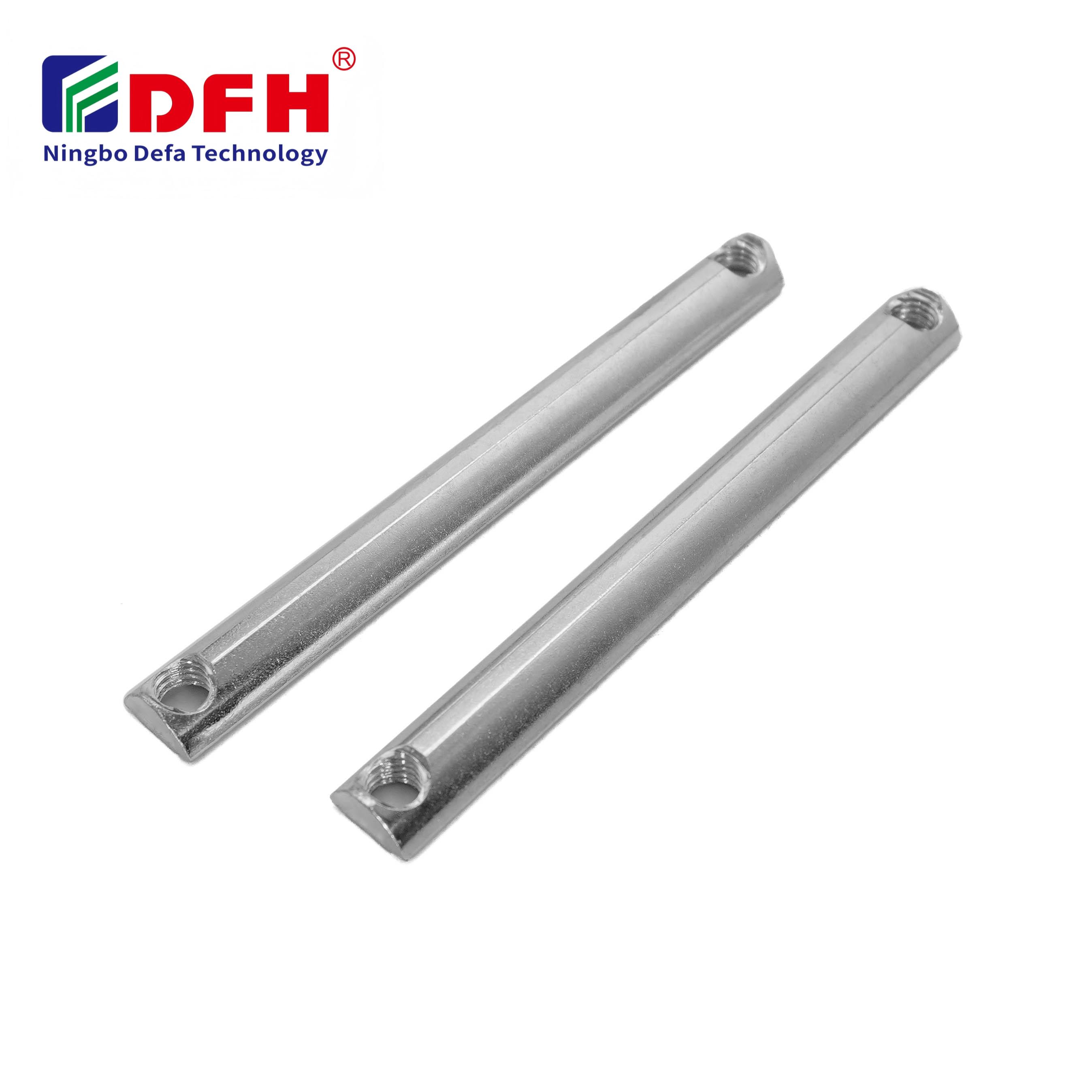
The T Nut represents a critical fastening hardware component in modern industrial manufacturing and assembly operations. These specialized fasteners enable quick, flexible, and repeatable assembly configurations across diverse production environments. Understanding where T Nuts are deployed reveals their essential role in maintaining operational efficiency, reducing assembly time, and enabling modular construction methodologies throughout industrial sectors.
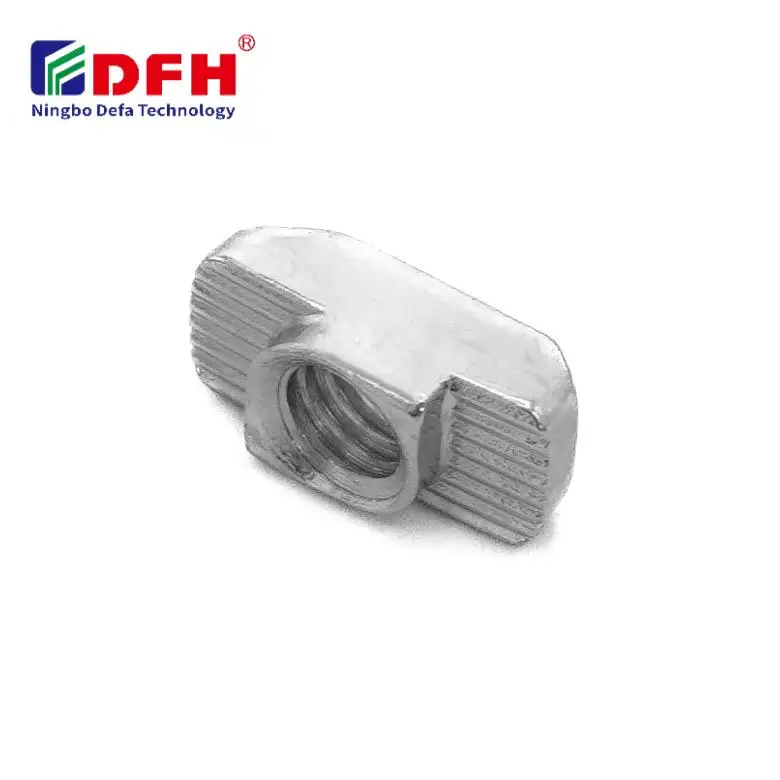
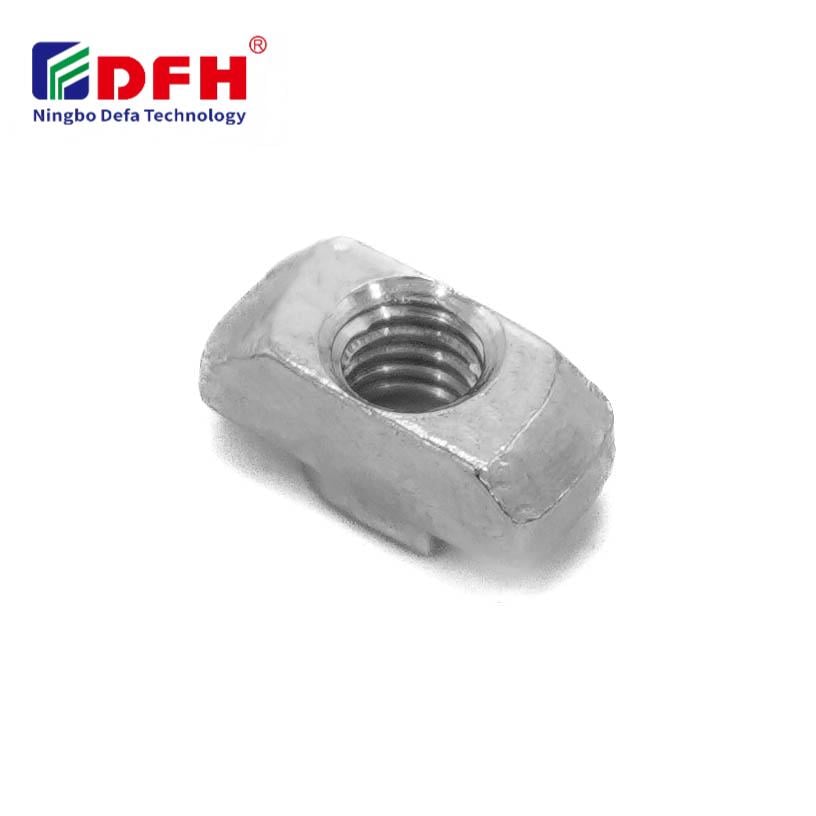
T Nuts function as a threaded insert solution that slides into T-slot channels commonly found on aluminum profiles, machine bases, and modular work surfaces. Their hammer-head or wedge-shaped design allows them to lock securely when bolts are tightened, creating dependable connection points without requiring access to the rear surface. This fundamental advantage makes T Nuts indispensable across manufacturing plants, assembly lines, automation systems, and fabrication shops worldwide.
Automotive manufacturers rely heavily on T Nuts for constructing modular assembly jigs and production fixtures. These fastening hardware components enable engineers to rapidly reconfigure workstations as production requirements shift or new vehicle models enter manufacturing phases. The slot nut assembly concept allows fixtures to be adjusted, repositioned, or completely rebuilt without requiring new structural components, significantly reducing equipment downtime and capital expenditure on specialized tooling.
In welding stations and robotic assembly zones, T Nuts anchor guide rails, component positioning brackets, and safety barriers to aluminum profile frames. The threaded insert design allows operators to add or relocate mounting points quickly, accommodating design variations across different automotive platforms without extensive re-engineering of the fixture infrastructure.
Conveyor systems, automated storage solutions, and material positioning devices all integrate T Nuts into their structural frameworks. The flexibility of slot nut assembly designs enables manufacturers to create scalable material handling systems that grow with production volume or adapt when product specifications change. T Nuts secure sensor mounts, adjustment mechanisms, and safety components throughout these integrated systems, ensuring reliable long-term performance in demanding manufacturing environments.
Precision machine tools and CNC centers depend on secure yet adjustable work surfaces, where T Nuts serve as the primary fastening hardware for securing clamps, vises, locating pins, and workholding accessories. Machinists benefit from the threaded insert capability that allows repositioning clamps without disrupting the overall machine setup. This adaptability is crucial when processing different part geometries or batch sizes, enabling shops to maximize machine utilization without lengthy reconfiguration procedures.
Modern modular machining centers often use aluminum T-slot tables as their foundation, with T Nuts providing the connection mechanism for quick-change systems. This slot nut assembly approach supports rapid tool changing and workpiece relocation, directly improving throughput and reducing setup time between production runs.
T Nuts anchor brackets, channels, and collection trays for coolant delivery and chip evacuation systems in machine shops. The threaded insert design allows these components to be positioned precisely at points where machining generates the most debris. When coolant systems require maintenance or reconfiguration for different part families, T Nuts enable technicians to adjust collection infrastructure without disassembling major machine components.
Industrial automation facilities use T Nuts extensively in modular robotic cell construction, where collaborative robots and traditional industrial arms require flexible mounting infrastructure. The fastening hardware properties of T Nuts allow automation engineers to position end-effectors, safety enclosures, and sensor arrays at optimal locations relative to production workflow. When production demands evolve or robots are relocated to new stations, T Nuts support these transitions without requiring structural modifications to facility infrastructure.
Automated guided vehicles and mobile robotic platforms often incorporate T-slot aluminum frames secured by T Nuts, enabling installers to mount sensors, bumpers, and communication equipment at precisely calculated positions. The threaded insert flexibility means system integrators can customize platforms for specific applications without retooling or structural redesign.
Quality control stations rely on T Nuts to position camera mounts, lighting arrays, and component staging surfaces within inspection systems. The slot nut assembly approach enables adjustment of imaging angles and working distances to accommodate different part sizes or inspection requirements. Facilities transitioning between product families benefit from this modularity, as vision systems can be recalibrated and repositioned using existing T-slot infrastructure and T Nut fastening solutions.
Automotive, aerospace, heavy machinery manufacturing, medical device fabrication, and consumer electronics assembly represent primary industries where T Nuts are deployed extensively. These sectors demand flexible, scalable production infrastructure that accommodates frequent design changes and product variations. The threaded insert and slot nut assembly design principles align directly with modern lean manufacturing methodologies and continuous improvement practices.
T Nuts offer significant advantages over permanent welded connections because they enable reversible assembly and reconfiguration without cutting or grinding operations. Unlike traditional fastening hardware that requires through-holes or access points on multiple sides, T Nuts function within T-slot channels, maximizing structural integrity while maintaining assembly flexibility. Facilities can modify equipment layouts and configurations repeatedly using the same aluminum profile infrastructure and T Nut components.
The modular characteristics of T Nut assemblies reduce capital equipment costs by enabling reuse of aluminum profile frameworks and fastening hardware across multiple applications. Rather than purchasing entirely new fixtures for each product variation, manufacturers adjust existing T-slot systems using slot nut assembly techniques. This approach minimizes storage requirements, simplifies inventory management, and reduces overall lifecycle costs compared to permanent or single-use fastening infrastructure.
2026/09/30
Source aluminum profiles for versatile modular framing. Learn extrusion mechanics, strength benefits & corrosion resistance. Request details.
2026/09/30
Source aluminum profiles for construction projects. Learn structural framing, cladding & window benefits for maximum ROI. Download guide.
2026/09/30
Source optimal aluminum profile sizing techniques. Evaluate load, space, alloy, environment & cost factors to prevent deflection. Download guide.
2026/09/30
Struggling with fastener failures or rework? Master screw sizing by diameter, pitch, material, and load—plus industry-specific standards. Optimize reliability & compliance now.
2026/09/30
Source aluminum profiles for industrial engineering. Discover strength-to-weight ratios, corrosion resistance & 30% cost savings. Download guide.
2026/09/30
Source heat-resistant aluminum profile systems. Master thermal expansion science & stress management strategies for industrial builds. Download guide.