EN
EN
What is Aluminum Profile and How Does It Work?
2026/09/30
Source aluminum profiles for versatile modular framing. Learn extrusion mechanics, strength benefits & corrosion resistance. Request details.
2026/09/21
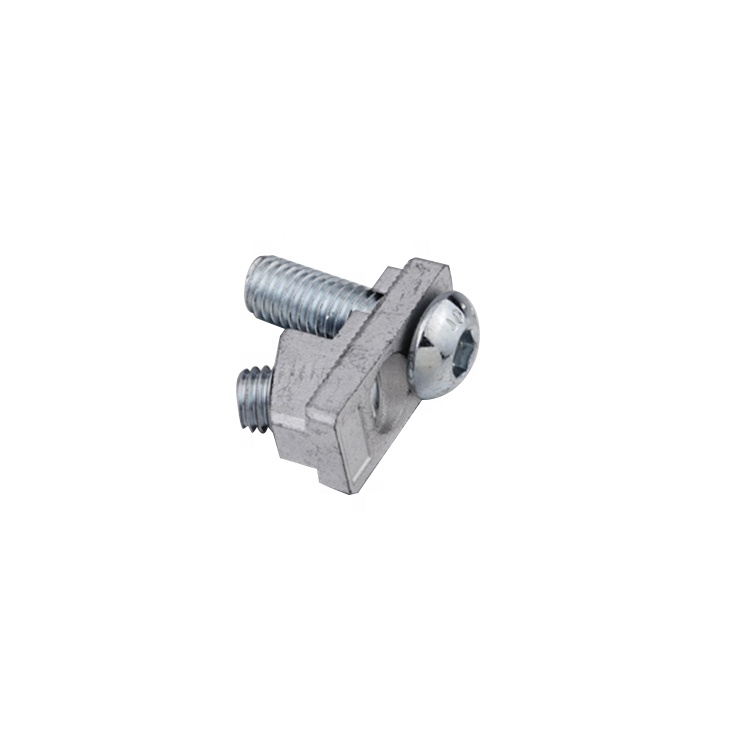
Knowing when to replace worn end connectors is critical for maintaining the safety, reliability, and longevity of your structural assembly systems. End connectors serve as vital junction points in industrial frameworks, transferring loads and forces between connected components. Over time, these components experience stress, corrosion, and material fatigue that gradually diminish their structural integrity. Recognizing the warning signs of connector degradation and understanding the replacement timeline can prevent costly equipment failures, downtime, and safety hazards in your operations.
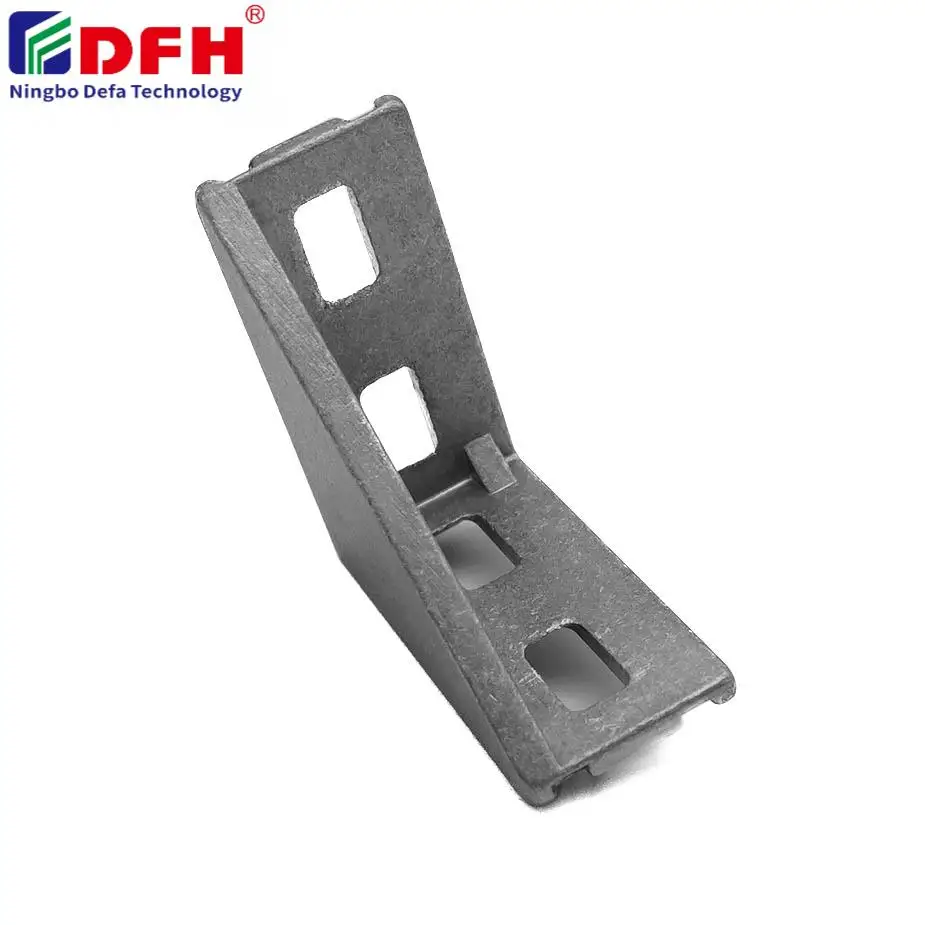
The decision to replace End Connectors depends on multiple factors including environmental exposure, load conditions, material composition, and visible wear indicators. Most industrial applications require periodic inspection protocols to assess connector condition and predict replacement needs. Understanding these factors ensures your fastening systems remain compliant with safety standards while optimizing maintenance budgets and operational efficiency.
Visual inspection remains the first line of defense in identifying worn connectors. Look for surface rust, pitting, discoloration, or flaking that signals corrosion has begun compromising the material. Hairline cracks, deformation, or bend marks indicate the connector has experienced excessive stress beyond its design parameters. When fastening systems show these symptoms, replacement becomes necessary to restore structural assembly safety and prevent catastrophic failure under operational loads.
Loose or rattling connections suggest the connector installation has degraded and no longer maintains a secure grip on adjacent components. Vibration marks, fretting corrosion, or witness marks on connected parts reveal movement that should not occur in a properly functioning fastening systems. If you notice bolt holes enlarging, stripping, or becoming oversized, the connector has likely lost its load-bearing capacity. These mechanical failures require immediate connector installation of replacement units to restore structural integrity.
Connectors operating in marine, chemical, or moisture-rich environments experience accelerated deterioration compared to protected indoor applications. Salt spray, acidic conditions, and humidity levels dramatically shorten the service life of standard fastening systems. Industrial facilities near coastlines or chemical processing plants should plan for replacement intervals of two to four years rather than the typical five to seven year cycle. Premium materials with enhanced corrosion resistance extend service life but still require closer monitoring in aggressive environments.
Thermal cycling and repeated loading create stress patterns that progressively weaken connector installation performance. High-temperature environments cause material expansion and contraction that gradually loosens joints and reduces clamping force. Industrial equipment experiencing frequent startup-shutdown cycles or seasonal temperature variations shows accelerated connector wear compared to continuously operated systems. Documenting load histories and temperature ranges helps predict when replacement becomes critical for maintaining structural assembly reliability.
Establish systematic inspection protocols that check connector condition quarterly or according to manufacturer recommendations for your fastening systems. Document all observations, including measurements, photographs, and corrosion extent, to track degradation rates over time. This data informs replacement scheduling and helps identify which connectors require priority attention. Preventive replacement of questionable components during planned maintenance windows eliminates emergency repairs and reduces unexpected downtime that disrupts production.
Upgrading to stainless steel or galvanized connectors extends replacement intervals in challenging environments and justifies higher initial costs through reduced maintenance. Material selection directly impacts how quickly connector installation components degrade under your specific operational conditions. Specialty alloys designed for aerospace or marine applications provide superior performance but require proper handling and installation technique. Consulting with fastening systems engineers helps match connector materials to your facility's environmental profile and load requirements.
Industry standards and regulatory frameworks establish minimum requirements for structural assembly safety and connector replacement intervals. Facilities must maintain detailed maintenance records demonstrating compliance with applicable codes for insurance and liability protection. Failure to replace worn connectors within recommended timeframes creates legal exposure and voids equipment warranties. Prioritizing timely replacement protects your organization from fines, accidents, and reputational damage while ensuring uninterrupted operations.
Replacement intervals depend on environment, load, and material type. Protected indoor applications may see five to seven year service life, while connectors in corrosive environments require replacement every two to four years. Manufacturers typically specify replacement schedules based on connector installation recommendations. Quarterly inspections help determine if your specific fastening systems need earlier replacement based on observed wear patterns.
Postponing replacement increases risks of structural assembly failure, equipment collapse, and workplace injuries. Worn connectors lose clamping force and cannot transfer loads reliably, potentially causing cascading failures throughout connected systems. Unexpected downtime, expensive emergency repairs, and liability claims represent significant financial consequences. Safety hazards and regulatory non-compliance make delayed connector installation replacement both risky and economically counterproductive.
Minor corrosion can sometimes be cleaned and treated, but structurally compromised connectors should be replaced rather than repaired. Fastening systems experiencing material loss, cracks, or permanent deformation cannot be reliably restored to original specifications. Repair attempts may mask deeper problems and create false confidence in compromised structural assembly components. Professional assessment determines whether repair is viable or replacement is the safer, more cost-effective solution.
2026/09/30
Source aluminum profiles for versatile modular framing. Learn extrusion mechanics, strength benefits & corrosion resistance. Request details.
2026/09/30
Source aluminum profiles for construction projects. Learn structural framing, cladding & window benefits for maximum ROI. Download guide.
2026/09/30
Source optimal aluminum profile sizing techniques. Evaluate load, space, alloy, environment & cost factors to prevent deflection. Download guide.
2026/09/30
Struggling with fastener failures or rework? Master screw sizing by diameter, pitch, material, and load—plus industry-specific standards. Optimize reliability & compliance now.
2026/09/30
Source aluminum profiles for industrial engineering. Discover strength-to-weight ratios, corrosion resistance & 30% cost savings. Download guide.
2026/09/30
Source heat-resistant aluminum profile systems. Master thermal expansion science & stress management strategies for industrial builds. Download guide.