EN
EN
What is Aluminum Profile and How Does It Work?
2026/09/30
Source aluminum profiles for versatile modular framing. Learn extrusion mechanics, strength benefits & corrosion resistance. Request details.

2026/09/29
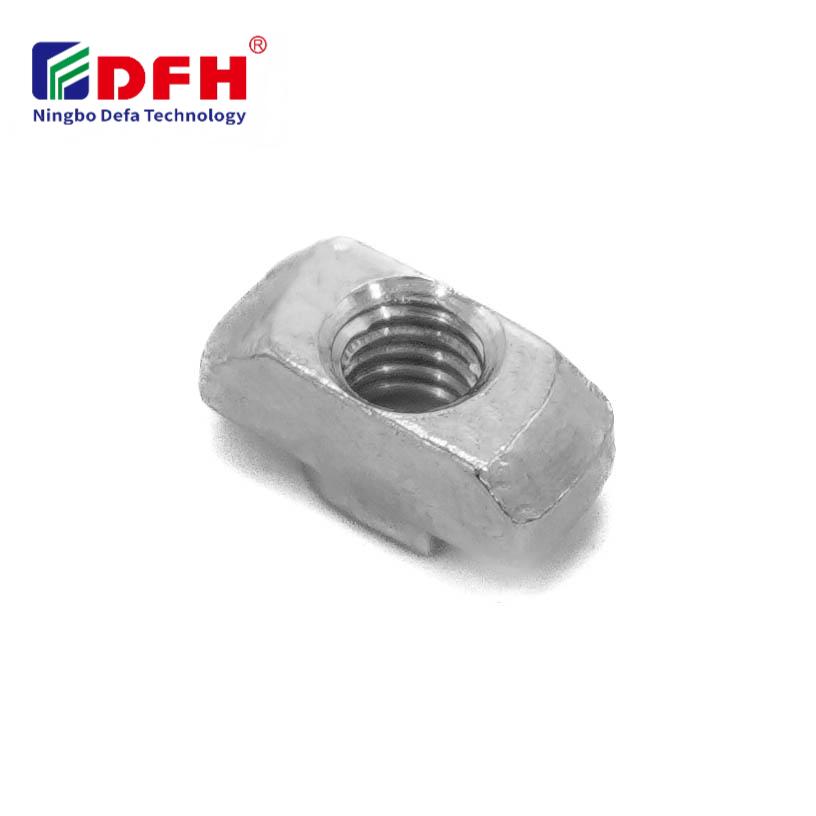
Knowing when to replace a damaged T nut is essential for maintaining safe and reliable industrial equipment. A T nut serves as a critical fastening hardware component that secures components to aluminum profiles, modular frames, and slotted structures. Over time, these threaded insert components experience wear from repeated assembly and disassembly cycles, vibration, temperature fluctuations, and mechanical stress. Understanding the replacement timeline helps prevent equipment failures, production downtime, and safety hazards.
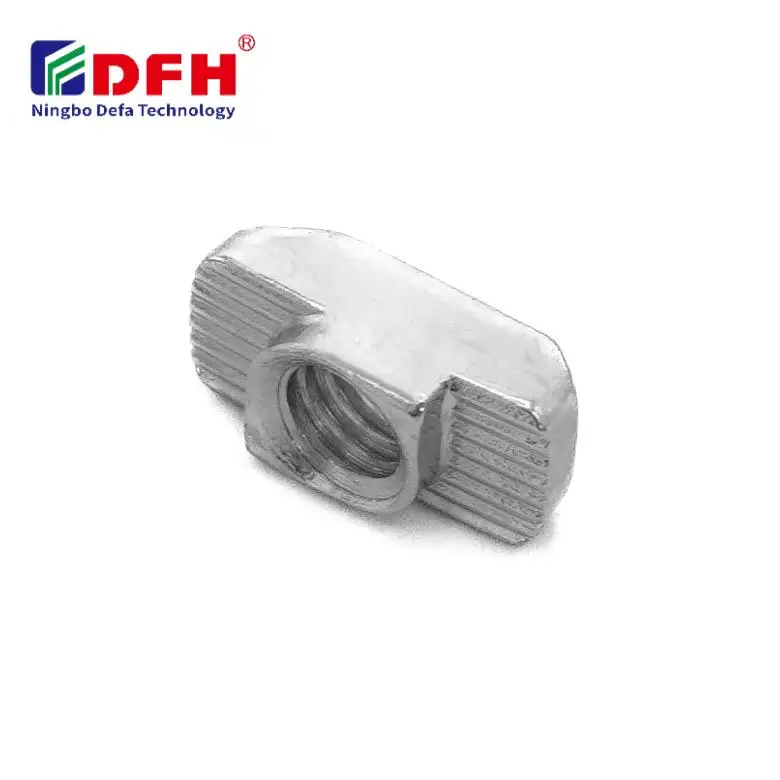
The decision to replace a T nut depends on several factors including the severity of damage, application type, load requirements, and environmental conditions. A slot nut assembly experiencing minor cosmetic wear may continue functioning safely, while a T nut with stripped threads or visible structural damage requires immediate replacement. Industrial facilities must develop a systematic inspection and replacement strategy to balance equipment longevity with operational safety.
Thread stripping is the most common failure mode for threaded insert fastening hardware. When bolts are tightened repeatedly or over-torqued, the internal threads of a T nut gradually lose their grip strength. You may notice that fasteners no longer hold firmly, or they spin freely without creating clamping force. If a bolt cannot achieve proper tension despite correct torque application, the T nut threads are likely damaged and require replacement.
Inspect thread quality by attempting to hand-tighten a bolt into the slot nut assembly. Stripped threads feel loose or gritty, and resistance diminishes as the bolt progresses. This indicates the threaded insert's helical profile has collapsed or worn down sufficiently that mechanical engagement is compromised. Continuing to use such hardware risks fastener loosening, component misalignment, and potential safety incidents in high-vibration environments.
Physical deformation manifests as bent flanges, crushed mounting surfaces, or warped body geometry. When a T nut experiences impact, over-tightening, or misalignment, the fastening hardware body can permanently deform. Corrosion appears as surface rust, pitting, or white oxidation that weakens the material structure. These conditions compromise both the mechanical strength and the reliability of the slot nut assembly.
Corrosion is particularly critical in wet, coastal, or chemical-heavy industrial environments. Once corrosion penetrates the protective coating of threaded insert fastening hardware, internal degradation accelerates. Corroded T nuts become brittle and prone to sudden failure under normal load. Visual inspection should include checking for discoloration, surface roughness, and visible material loss.
Replace a T nut immediately if your equipment falls into safety-critical categories. Applications involving lifting equipment, pressure containment, personnel support structures, or moving machinery demand flawless fastening hardware integrity. Even partial thread damage in these contexts poses unacceptable risk. A damaged slot nut assembly in a lifting frame could lead to catastrophic failure, injury, or fatality.
Industries including aerospace, medical device manufacturing, heavy equipment assembly, and automotive production operate under strict quality standards. In these sectors, any detected damage to threaded insert fastening hardware mandates immediate replacement regardless of whether the component still functions. The cost of replacement is negligible compared to the regulatory, liability, and safety consequences of failure.
Machinery subject to constant vibration and frequent fastening cycles experiences accelerated T nut wear. Industrial presses, automated manufacturing lines, CNC machines, and heavy-duty assembly stations all create conditions where fastening hardware deteriorates faster than in static applications. If a T nut shows early signs of damage, replacement timing should be advanced rather than postponed.
Vibration loosens bolts naturally over time, increasing rotational stress on the threaded insert. Each loose-and-retightened cycle compounds damage to the slot nut assembly internal geometry. Monitoring vibration-prone equipment weekly and replacing T nuts at the first signs of compromise prevents cascading failures that could shut down production lines.
Establish a regular inspection schedule for fastening hardware across your facility. Monthly visual inspections catch damage early, allowing planned replacement during maintenance windows rather than emergency downtime. Document inspection findings, damage patterns, and replacement history for each T nut and slot nut assembly. This data reveals whether certain equipment runs wear fastening hardware faster than others.
Use thread testing tools or go-no-go gauges to verify thread integrity during inspections. These simple devices confirm whether a T nut still meets specification or requires replacement. For critical applications, implement a 'zero-damage tolerance' policy where any visible damage triggers immediate replacement. For less critical equipment, a 'wear threshold' approach may be acceptable if your risk analysis supports it.
Track fastening hardware performance in a maintenance management system. Record the date of installation, environmental exposure, application type, and reason for replacement. Over time, patterns emerge showing which T nuts fail most frequently and under what conditions. This intelligence guides purchasing decisions, supplier selection, and preventive replacement intervals.
Predictive maintenance for threaded insert fastening hardware reduces unplanned downtime by 40 to 60 percent compared to reactive replacement strategies. By replacing T nuts before they fail, you maintain consistent equipment performance and production reliability. A slot nut assembly replaced during planned maintenance never causes surprise production stoppages.
A T nut should be replaced if fasteners cannot achieve proper clamping tension, threads feel stripped or loose, the fastening hardware shows visible cracks or deformation, or corrosion has penetrated the protective coating. Try tightening a bolt by hand; if it spins without resistance or feels gritty, the threaded insert is compromised. Trust your inspection results and replace the component rather than risk equipment failure.
T nuts cannot be practically repaired once damaged. Unlike larger fastening hardware that might be rethreaded, these slot nut assembly components are too small for field repairs, and repair costs often exceed replacement costs. For stripped threads, re-tapping to a larger size may be possible if the T nut body is large enough, but this alters the original design specification. Replacement with a correctly specified new component is the standard industrial practice.
Use proper torque values and avoid over-tightening fastening hardware, as excessive force accelerates thread wear. Apply thread-locking compounds on critical applications to reduce vibration-induced loosening and the associated damage cycles. Keep equipment clean and dry to minimize corrosion of threaded insert components. Perform regular inspections and replace T nuts at the first signs of wear rather than waiting for complete failure. Establish a scheduled maintenance program for all slot nut assembly installations.
2026/09/30
Source aluminum profiles for versatile modular framing. Learn extrusion mechanics, strength benefits & corrosion resistance. Request details.
2026/09/30
Source aluminum profiles for construction projects. Learn structural framing, cladding & window benefits for maximum ROI. Download guide.
2026/09/30
Source optimal aluminum profile sizing techniques. Evaluate load, space, alloy, environment & cost factors to prevent deflection. Download guide.
2026/09/30
Struggling with fastener failures or rework? Master screw sizing by diameter, pitch, material, and load—plus industry-specific standards. Optimize reliability & compliance now.
2026/09/30
Source aluminum profiles for industrial engineering. Discover strength-to-weight ratios, corrosion resistance & 30% cost savings. Download guide.
2026/09/30
Source heat-resistant aluminum profile systems. Master thermal expansion science & stress management strategies for industrial builds. Download guide.