EN
EN
What is Aluminum Profile and How Does It Work?
2026/09/30
Source aluminum profiles for versatile modular framing. Learn extrusion mechanics, strength benefits & corrosion resistance. Request details.

2026/09/17
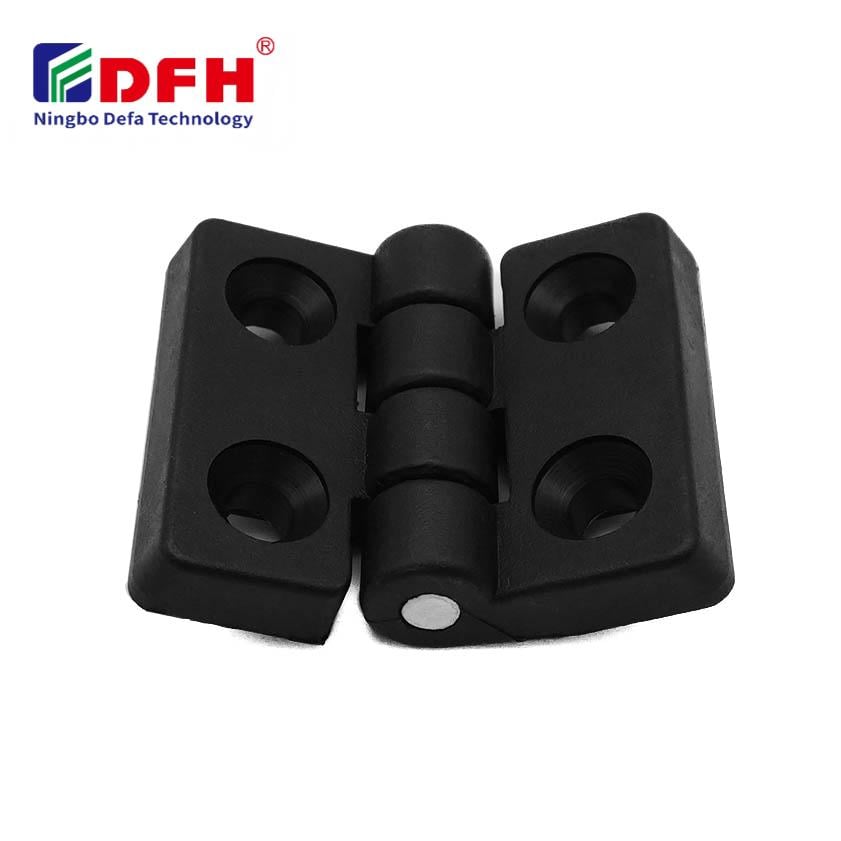
Knowing when to adjust leveling feet is critical for maintaining equipment stability, preventing operational issues, and extending the lifespan of both residential and industrial assets. Whether you're managing office furniture, manufacturing machinery, or laboratory equipment, the timing and frequency of leveling feet adjustments directly impact safety, performance, and longevity. Many facility managers and equipment owners underestimate how often adjustable leveling feet require attention, leading to uneven surfaces, vibration problems, and accelerated wear on components.
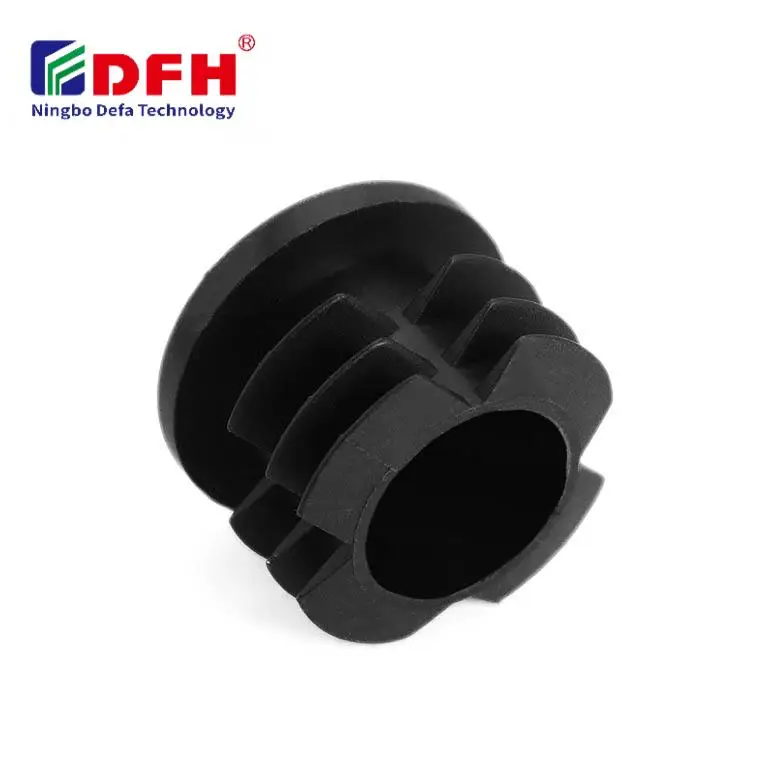
The decision to adjust furniture leveling feet or industrial leveling feet isn't always obvious, but certain triggers and conditions signal that action is needed. Environmental changes, equipment movement, floor settlement, and seasonal factors all influence when adjustments become necessary. Understanding these signals helps you maintain proper alignment and performance while avoiding reactive maintenance calls that disrupt operations and increase costs.
One of the most obvious signs that your furniture leveling feet need adjustment is visual tilting or wobbling. When equipment sits unevenly on the floor, you'll notice objects sliding or rolling unexpectedly, liquids pooling to one side, or a general sense of instability. Industrial leveling feet may show wear patterns on the floor or visible gaps between equipment and the ground. Use a simple level tool to check if surfaces are truly horizontal. If readings show even slight deviations beyond 1/8 inch over several feet, adjustment is warranted immediately to prevent further damage and operational interference.
Unusual vibration, grinding noises, or rattling sounds often indicate that adjustable leveling feet are no longer properly supporting equipment weight. Uneven contact with the floor distributes loads unevenly across support points, causing structural stress and accelerated component wear. In industrial settings, vibration from improperly adjusted leveling feet can affect precision measurements, reduce equipment lifespan, and create safety hazards for operators. If you notice new vibration patterns after equipment relocation or during routine operation, inspect and adjust your leveling feet immediately to restore proper load distribution.
Environmental factors like temperature fluctuations, humidity changes, and building settlement naturally affect how and when to adjust leveling feet. Concrete floors expand and contract seasonally, and humidity changes can cause slight structural shifts in older buildings. New construction sites often experience foundation settling during the first year, requiring multiple rounds of adjustable leveling feet recalibration. If your facility experiences significant seasonal temperature or humidity variations, plan routine leveling checks at seasonal transitions to catch and correct drift before it becomes problematic.
Every time you move, reinstall, or reconfigure equipment, adjusting furniture leveling feet should be your first priority. New floor conditions, different structural load points, and the mechanical shock of transportation can shift weight distribution and throw off existing adjustments. Industrial leveling feet require particular attention after relocation because precision machinery demands exact leveling for optimal function. Always complete a full leveling check immediately after any equipment movement, and recheck after 48 hours to account for any settling that occurs once the system stabilizes.
Establishing a routine inspection schedule for your leveling feet prevents problems before they disrupt operations. For high-traffic facilities, quarterly inspections of adjustable leveling feet work well, while monthly checks suit precision industrial environments. Document each inspection, noting any adjustments made and the condition of equipment feet. This historical record helps you identify patterns and predict when future adjustments might be needed. Routine checks also catch developing issues like corrosion, thread damage, or component wear that might compromise the effectiveness of furniture leveling feet or industrial leveling feet.
Many experienced facility managers adjust leveling feet proactively before equipment begins to show visible signs of misalignment. This approach reduces downtime, extends equipment lifespan, and maintains consistent operational performance. By monitoring your leveling feet regularly, you catch subtle drift that hasn't yet affected performance. In precision industrial settings, maintaining tolerance-level alignment prevents cumulative drift that could eventually require major recalibration or component replacement. Build preventive leveling adjustments into your maintenance calendar rather than waiting for problems to force reactive action.
Precision machinery and laboratory instruments require tighter tolerances than standard furniture, making industrial leveling feet adjustment more critical and more frequent. Microscopes, CNC machines, and testing equipment can produce inaccurate results if not perfectly level. Vibration-sensitive instruments demand adjustment whenever any structural changes occur nearby, including new equipment installation or facility renovations. Document exact leveling parameters for critical equipment so that any future adjustments can return systems to their original specifications without guesswork.
Furniture leveling feet in offices, restaurants, and hospitality settings experience different pressures than industrial equipment. High-traffic areas, frequent equipment rearrangement, and casual use patterns mean adjustable leveling feet may need attention more often than in static industrial environments. Uneven tables or wobbly chairs create poor impressions and can create liability concerns if customers or employees trip or experience instability. Regular adjustment of furniture leveling feet maintains professional appearance, safety standards, and extends the usable life of business equipment across service industries.
For most facilities, checking adjustable leveling feet quarterly provides adequate preventive maintenance. High-precision industrial environments may need monthly inspections, while standard office furniture might only require annual checks. Environmental factors, equipment age, and installation conditions influence optimal check frequency. Establish a baseline through initial inspections, then adjust your schedule based on findings. Most organizations find that quarterly checks balance cost efficiency with operational reliability for maintaining their leveling feet in proper condition.
Yes, seasonal temperature and humidity fluctuations can cause measurable shifts in building structure and floor alignment. Concrete and wood both expand and contract with temperature changes, particularly in climates with significant seasonal variation. Equipment that sits perfectly level in winter may require adjustment by spring as the building structure settles and shifts. In extreme climates, many facility managers schedule routine leveling checks at seasonal transitions to maintain consistency. Understanding these seasonal patterns helps you time adjustable leveling feet maintenance proactively rather than dealing with problems after they develop.
Adjustable leveling feet offer significant advantages over fixed feet because they accommodate uneven floors, allow fine-tuning of equipment height, and adapt to changing conditions over time. Fixed feet work only on perfectly level surfaces and provide no adjustment capability. Industrial leveling feet are engineered for heavy loads and precision applications, while furniture leveling feet suit lighter residential and office equipment. The adjustability of these systems means you can maintain proper alignment throughout an asset's lifespan, whereas fixed systems require complete replacement if conditions change.
2026/09/30
Source aluminum profiles for versatile modular framing. Learn extrusion mechanics, strength benefits & corrosion resistance. Request details.
2026/09/30
Source aluminum profiles for construction projects. Learn structural framing, cladding & window benefits for maximum ROI. Download guide.
2026/09/30
Source optimal aluminum profile sizing techniques. Evaluate load, space, alloy, environment & cost factors to prevent deflection. Download guide.
2026/09/30
Struggling with fastener failures or rework? Master screw sizing by diameter, pitch, material, and load—plus industry-specific standards. Optimize reliability & compliance now.
2026/09/30
Source aluminum profiles for industrial engineering. Discover strength-to-weight ratios, corrosion resistance & 30% cost savings. Download guide.
2026/09/30
Source heat-resistant aluminum profile systems. Master thermal expansion science & stress management strategies for industrial builds. Download guide.