EN
EN
What is Aluminum Profile and How Does It Work?
2026/09/30
Source aluminum profiles for versatile modular framing. Learn extrusion mechanics, strength benefits & corrosion resistance. Request details.

2026/09/17
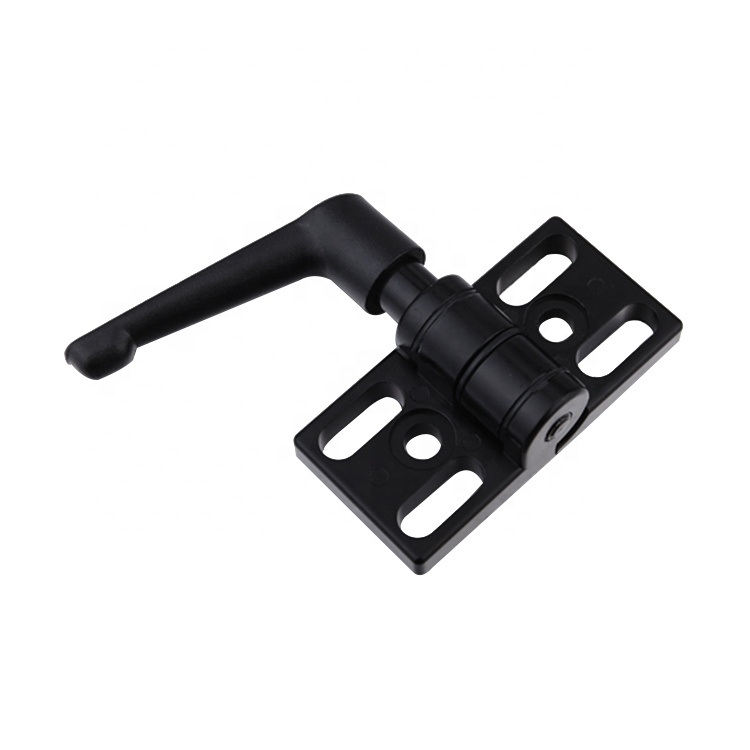
Doors are fundamental architectural elements in residential, commercial, and industrial spaces, and their daily functionality depends largely on a single component: the hinge. Understanding the different door hinge types available helps you select the right hardware option for your specific application, whether you are installing a residential interior door, a heavy-duty warehouse entrance, or a custom storage unit. Each option serves distinct operational purposes, operates under different dynamic load conditions, and requires tailored installation approaches. Selecting appropriate hardware is not merely an aesthetic decision; it directly affects long-term durability, facility security, and operational efficiency. Choosing the right hinge load capacity ensures that the supported weight matches your frame specifications, preventing costly misalignment and maintenance issues across residential and commercial properties.
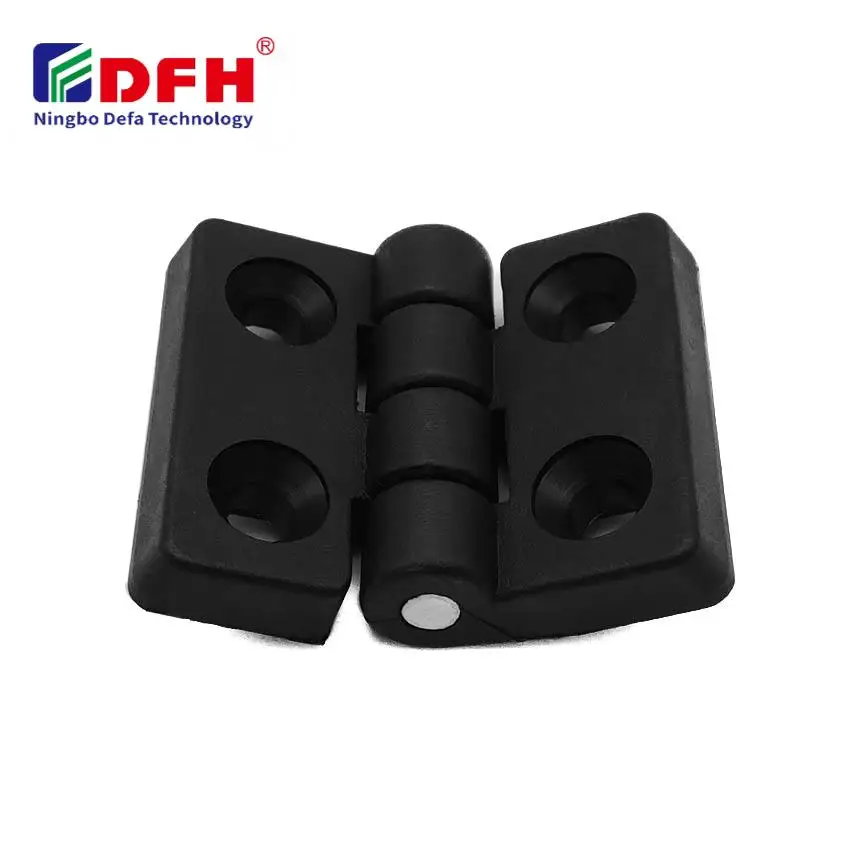
Industrial facilities, retail environments, and residential homes each face unique functional demands, making it essential to understand how different hardware designs perform under various operating conditions. Exploring major categories, mechanical properties, and practical selection guidance allows facility managers to optimize access points. Proper door hinge installation guarantees smooth rotational motion and prevents binding, while strategic material selection resists atmospheric corrosion. Evaluating door hinge types alongside structural load requirements protects long-term hardware investments.
Traditional butt hinges represent the most common hardware option found in residential and commercial facilities. These components consist of two rectangular leaves joined together with a central barrel rod, creating a compact rotational joint. Standard butt hinges operate by having one leaf mortised into the door edge and the other attached to the frame, allowing the door to swing open along a vertical axis. This design provides excellent weight distribution and is ideal for standard interior and exterior entrances. Executing accurate door hinge installation with butt hinges requires precise mortising to ensure proper flush alignment without binding during daily use.
The overall effectiveness of butt hinges depends directly on their rated hinge load capacity, which varies based on material composition, leaf thickness, and pin diameter. Standard residential butt hinges typically support doors weighing up to 100 pounds, whereas heavy-duty industrial models accommodate loads exceeding 300 pounds. Industrial facilities frequently require reinforced butt hinges with thicker leaves to withstand repetitive impact forces. Selecting appropriate butt hinges prevents premature joint wear, squeaking, and potential structural frame failure in high-traffic commercial corridors.
Compact barrel hinges, often referred to as invisible hardware, conceal themselves within the door and frame structure to create a clean aesthetic appearance. These components feature cylindrical barrels that rotate within matching drilled cavities, offering complete visual concealment compared to traditional exposed joints. Selecting barrel hinges delivers strong structural support while eliminating visible external hardware, making them popular in modern residential interiors, luxury hotel suites, and high-end retail displays. Installing concealed barrel hinges requires precise drilling and cavity preparation, resulting in minimal dust accumulation around the central rotation mechanism.
The concealed design of barrel hinges offers clear security benefits, keeping the internal rotating mechanism protected from external tampering and atmospheric weathering. These versatile barrel hinges accommodate various door thicknesses and swing angles, making them ideal for custom architectural installations. However, fitting barrel hinges demands higher drilling accuracy than standard surface-mounted hardware, as adjustment options may be limited after final mounting. The rated hinge load capacity for barrel hinges spans a wide spectrum, supporting everything from lightweight storage access panels to heavy commercial entrances.
Diverse cabinet hinges encompass specialized hardware designed specifically for interior storage, wardrobes, and modular kitchen units. Unlike heavy-duty entrance hardware, functional cabinet hinges operate under moderate loads and frequently feature integrated soft-close mechanisms, multi-axis adjustability, and decorative finish options. European-style cup hinges represent popular cabinet hinges in modern furniture production, featuring a concealed cup component that seats into a pre-drilled hole on the cabinet door. These versatile cabinet hinges offer three-way adjustability, enabling installers to fine-tune door alignment perfectly after mounting without drilling new anchor holes.
Available cabinet hinges also include overlay configurations for doors mounted on cabinet exteriors, as well as inset models designed for doors sitting flush within the frame. The overall hinge load capacity for standard cabinet hinges ranges from 15 to 50 pounds, appropriate for wood and composite panel doors. Modern soft-close cabinet hinges incorporate internal hydraulic dampeners that slow closing speed, eliminating loud slamming noises and extending joint lifespan. Executing door hinge installation for cabinet hinges follows standardized procedures, using pre-set drilling templates to ensure accurate post-assembly functionality.
Custom specialty hinges solve complex architectural and engineering challenges beyond standard door applications. Continuous piano hinges run the entire length of a panel, distributing weight uniformly and providing higher effective hinge load capacity than traditional point-mounted leaves. Heavy strap hinges feature extended mounting arms that deliver structural strength for barn doors, industrial gates, and rustic exterior gates. Integrating these specialty hinges allows engineers to support oversized panels safely across demanding commercial facilities.
Architectural pivot hinges mount at the top and bottom of a door frame rather than along side edges, creating dramatic visual entrance statements. Pivot installations transfer dynamic weight directly to the floor and header, requiring reinforced framing to manage concentrated loads safely. Bidirectional double-action specialty hinges allow doors to swing open in both directions, making them ideal for hospital corridors, commercial kitchens, and laboratory spaces. Exploring these specialty hinges empowers designers to satisfy unique functional requirements while maintaining aesthetic consistency throughout a building.
The foundational material composition of access hardware directly impacts its rated hinge load capacity, corrosion resistance, and total service life. Heavy-duty steel components deliver maximum structural strength, making them suitable for commercial entrance barriers when properly finished against rust. Stainless steel models offer natural corrosion defense, making them essential for outdoor installations, coastal buildings, and food processing facilities. Architectural brass and bronze deliver aesthetic appeal with moderate corrosion resistance for heritage restorations, while lightweight aluminum hardware provides natural rust resistance for medium-duty applications.
Executing proper door hinge installation determines whether access hardware performs according to its engineered specs and load ratings. Installation begins with accurate measurements, ensuring hardware sits symmetrically relative to top and bottom door edges. Mortising must achieve precise depths matching leaf thickness to prevent binding. Using appropriate fasteners during door hinge installation preserves structural integrity, while periodic fastener tightening and joint lubrication maintain smooth rotational operation across high-traffic facilities.
Required hinge load capacity depends on total door weight, physical dimensions, and expected daily operating frequency. Calculate total door weight and select hardware rated for that capacity, incorporating safety margins for dynamic forces. High-traffic commercial doors should utilize heavy-duty door hinge types rated significantly above static door weight to handle continuous physical impacts safely.
Installing cabinet hinges involves pre-drilled cup cavities and built-in adjustment screws for post-mounting alignment. In contrast, standard door hinge installation requires precise mortising along door edges and heavy-duty frame anchoring to support full-sized entry doors under continuous dynamic loads.
Concealed barrel hinges deliver excellent hinge load capacity while remaining invisible when doors are closed, creating a seamless modern appearance. For heavy industrial doors where hardware visibility is acceptable, continuous piano hinges provide maximum weight distribution, while architectural specialty hinges offer striking visual designs without sacrificing structural stability.
2026/09/30
Source aluminum profiles for versatile modular framing. Learn extrusion mechanics, strength benefits & corrosion resistance. Request details.
2026/09/30
Source aluminum profiles for construction projects. Learn structural framing, cladding & window benefits for maximum ROI. Download guide.
2026/09/30
Source optimal aluminum profile sizing techniques. Evaluate load, space, alloy, environment & cost factors to prevent deflection. Download guide.
2026/09/30
Struggling with fastener failures or rework? Master screw sizing by diameter, pitch, material, and load—plus industry-specific standards. Optimize reliability & compliance now.
2026/09/30
Source aluminum profiles for industrial engineering. Discover strength-to-weight ratios, corrosion resistance & 30% cost savings. Download guide.
2026/09/30
Source heat-resistant aluminum profile systems. Master thermal expansion science & stress management strategies for industrial builds. Download guide.