EN
EN
What is Aluminum Profile and How Does It Work?
2026/09/30
Source aluminum profiles for versatile modular framing. Learn extrusion mechanics, strength benefits & corrosion resistance. Request details.

2026/09/07
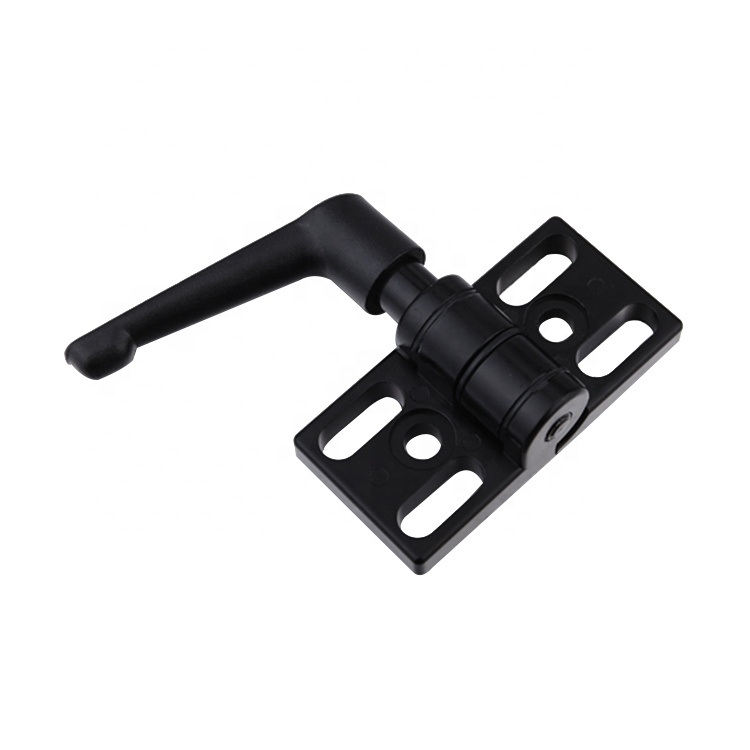
A hinge is a mechanical fastening device that allows two surfaces to rotate relative to each other around a fixed axis. Whether you're designing industrial equipment, furnishing residential spaces, or building commercial installations, understanding the different types of hinges available is essential for selecting the right hardware solution. Each hinge type serves distinct purposes and works optimally under specific conditions, load requirements, and aesthetic considerations. This comprehensive guide explores the major hinge categories and helps you identify which type suits your particular application.
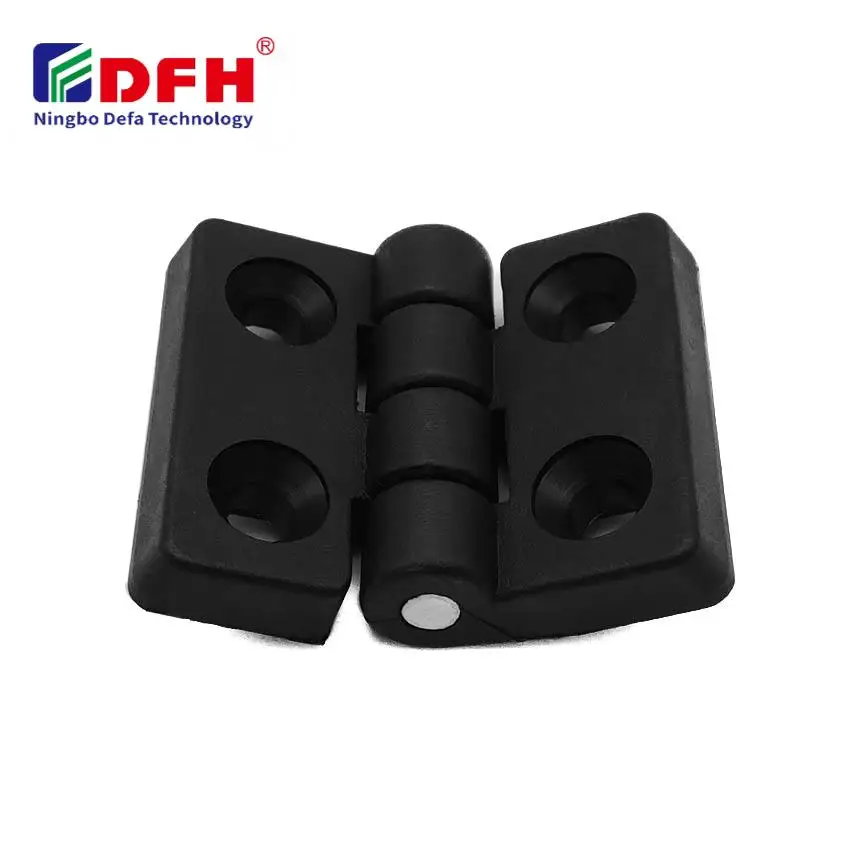
The market offers numerous hinge varieties, each engineered to handle specific functional demands and environmental conditions. From heavy-duty industrial installations to delicate cabinet applications, the right hinge determines durability, safety, and ease of operation. Understanding the distinctions between these options empowers you to make informed purchasing decisions that balance performance, cost, and longevity for your particular project.
A door hinge represents the most common hinge type found in residential and commercial buildings. Standard door hinges typically support moderate to heavy loads and accommodate swing angles of 95 to 110 degrees. These door hinge models come in various materials including steel, stainless steel, and brass, each selected based on environmental exposure and corrosion resistance requirements. Residential applications favor lighter-gauge door hinge hardware, while commercial facilities and healthcare environments require commercial-grade door hinge systems rated for frequent use cycles.
Industrial and commercial settings demand specialized door hinge solutions engineered for extreme durability. Heavy-duty door hinge designs incorporate reinforced barrels and thicker gauge materials to withstand high-traffic conditions and substantial door weights. Some door hinge configurations include ball bearings to reduce friction and extend operational life. Stainless steel door hinge variants resist corrosion in wet environments, making them ideal for food processing facilities, laboratories, and coastal installations where environmental factors threaten standard finishes.
Cabinet hinges differ fundamentally from door hinges in their load capacity, installation method, and operational mechanics. A cabinet hinge typically supports lighter loads and accommodates smaller swing angles suited to cabinet door dimensions. Modern cabinet hinge designs emphasize smooth operation and precise positioning through advanced cam mechanisms and soft-close technologies. Cabinet hinge styles include face-frame mounting, frameless European designs, and specialty configurations for angled or curved cabinet installations.
Contemporary kitchen and furniture applications utilize cabinet hinge technology engineered for specific performance characteristics. Adjustable cabinet hinge systems allow for precise door alignment and field adjustment without removing doors. Soft-close cabinet hinge mechanisms incorporate hydraulic dampers that decelerate doors gradually, preventing noise and damage. Concealed cabinet hinge designs hide all hardware from external view, creating clean aesthetic lines in modern cabinetry. Glass cabinet hinge variants support transparent door panels in display cases and shelving installations where visibility remains essential.
A pivot hinge distributes loads across top and bottom mounting points rather than concentrating stress at door edge midpoints like traditional hinges. This design makes pivot hinges particularly suitable for heavy doors, glass panels, and applications requiring wider swing angles approaching or exceeding 180 degrees. Pivot hinge construction incorporates precision bearings and sophisticated mechanical designs that accommodate substantial weight while maintaining smooth, controlled movement. This hinge type proves invaluable in modern commercial architecture where oversized doors and specialty applications demand superior performance.
Pivot hinge installation requires structural reinforcement at mounting points and precise alignment during setup. Unlike conventional hinges, pivot hinge systems demand careful floor and header preparation to accommodate load-bearing requirements. Regular maintenance of pivot hinge mechanisms involves checking bearing lubrication and verifying proper door alignment. Pivot hinge durability extends substantially beyond standard hinges when properly installed and maintained, making them cost-effective choices for high-traffic commercial environments and institutional facilities.
Beyond standard categories, specialty hinge designs address particular functional and aesthetic requirements. Self-closing hinges incorporate springs that automatically return doors to closed positions, enhancing security and energy efficiency in commercial buildings. Concealed hinge technologies hide mounting hardware completely, supporting contemporary design preferences where visible hardware compromises visual appeal. These specialized hinges command premium pricing but deliver significant value through improved functionality and appearance.
Material selection profoundly affects hinge performance across different environmental contexts. Stainless steel construction resists corrosion in humid, wet, or salt-air environments. Nylon and composite materials reduce weight and eliminate rust concerns in specific applications. Weather-resistant coatings and specialized finishes protect hinges in outdoor installations. Material compatibility with door and frame materials ensures long-term reliability and prevents galvanic corrosion issues that compromise structural integrity over time.
The optimal hinge selection depends on door weight, swing angle requirements, installation environment, aesthetic preferences, and budget constraints. Heavy doors in high-traffic areas benefit from pivot hinge technology, while cabinet applications utilize lighter-duty cabinet hinge designs. Environmental exposure dictates material choices, with stainless steel outperforming standard finishes in corrosive conditions. Consulting load ratings and application guidelines ensures selections match performance demands.
Door hinges support substantially heavier loads and incorporate robust materials suited to frequent usage cycles in residential and commercial buildings. Cabinet hinges prioritize smooth operation and precise positioning over raw load capacity. Door hinges typically cost less than comparable cabinet hinge systems, though heavy-duty variants and specialty door hinge configurations command higher prices. Installation methods, fastening requirements, and adjustment mechanisms differ significantly between these hinge categories.
Pivot hinge retrofitting requires structural modifications to door frames and header installations to accommodate load-bearing requirements. Existing door frames may lack adequate support for pivot hinge load distribution, necessitating reinforcement before installation. Professional assessment typically precedes any retrofitting project to evaluate structural capacity and determine whether modifications are economically feasible. New construction projects integrate pivot hinge requirements during design phases, avoiding expensive retrofitting complications.
2026/09/30
Source aluminum profiles for versatile modular framing. Learn extrusion mechanics, strength benefits & corrosion resistance. Request details.
2026/09/30
Source aluminum profiles for construction projects. Learn structural framing, cladding & window benefits for maximum ROI. Download guide.
2026/09/30
Source optimal aluminum profile sizing techniques. Evaluate load, space, alloy, environment & cost factors to prevent deflection. Download guide.
2026/09/30
Struggling with fastener failures or rework? Master screw sizing by diameter, pitch, material, and load—plus industry-specific standards. Optimize reliability & compliance now.
2026/09/30
Source aluminum profiles for industrial engineering. Discover strength-to-weight ratios, corrosion resistance & 30% cost savings. Download guide.
2026/09/30
Source heat-resistant aluminum profile systems. Master thermal expansion science & stress management strategies for industrial builds. Download guide.