EN
EN
What is Aluminum Profile and How Does It Work?
2026/09/30
Source aluminum profiles for versatile modular framing. Learn extrusion mechanics, strength benefits & corrosion resistance. Request details.

2026/09/23
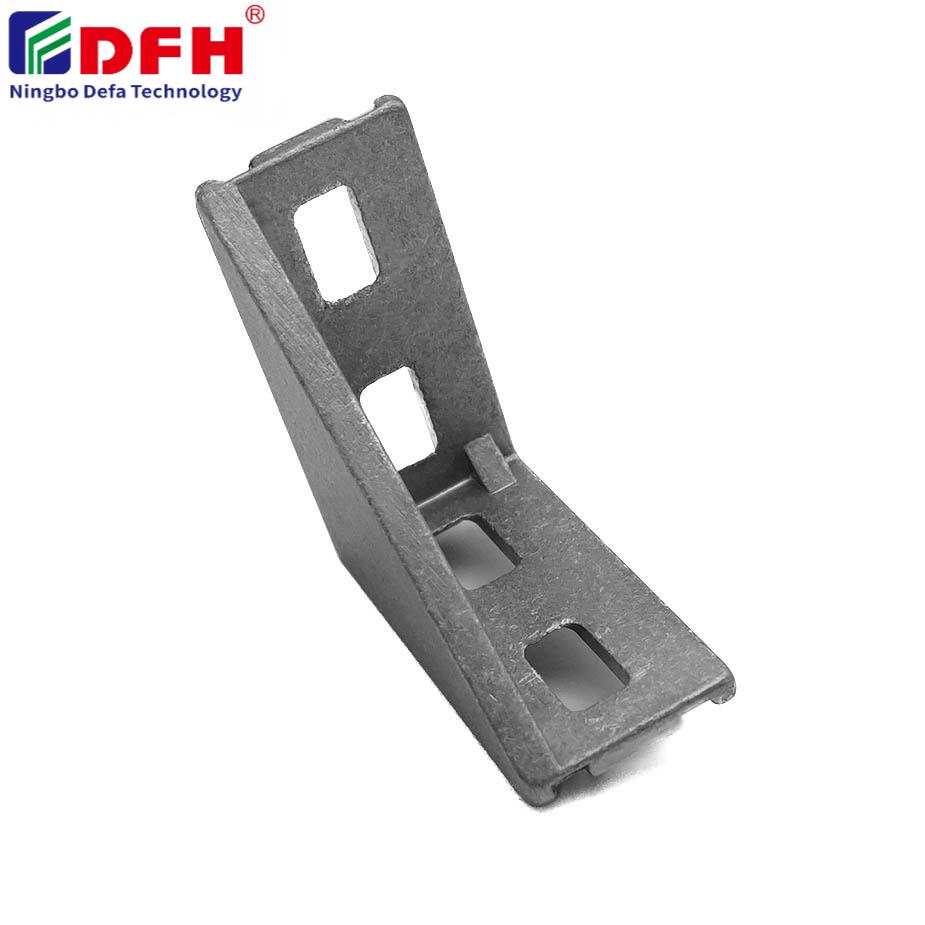
Bolt connectors represent one of the most fundamental fastening solutions in industrial assembly and structural applications. Understanding the different types of bolt connectors available is essential for engineers, manufacturers, and assembly professionals who need to select the right fastening method for their specific project requirements. Each type of bolt connector serves distinct purposes, operates under different load conditions, and requires unique installation approaches. The diversity of bolt connectors reflects the varying demands of modern manufacturing, construction, and maintenance operations across industries.
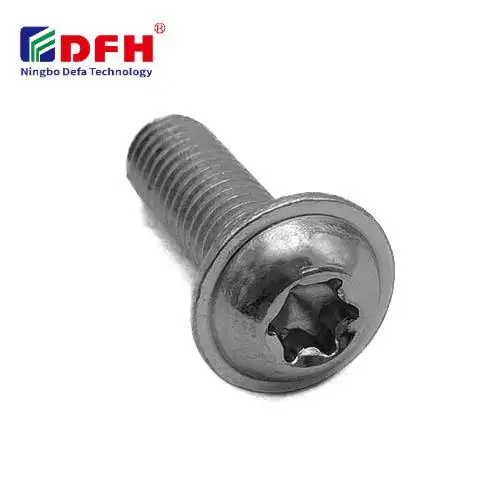
The classification of bolt connectors extends beyond simple variations in size and material composition. These fastening systems differ fundamentally in how they distribute load, accommodate movement, and maintain structural integrity over time. Professionals working with threaded fasteners must recognize that selecting the appropriate connector type directly impacts assembly reliability, maintenance requirements, and long-term performance. This comprehensive guide explores the primary categories of bolt connectors, their applications, and the critical considerations for installation and tensioning that ensure optimal results in demanding industrial environments.
Hex bolt connectors stand as the most widely recognized fastening solution in industrial settings. These threaded fasteners feature a six-sided head designed to accept standard wrenches and sockets, providing excellent torque transmission during installation. The hexagonal head geometry offers a practical balance between gripping surface area and spatial efficiency, making hex bolts ideal for confined assembly spaces where larger fasteners cannot fit. The standardized design of these bolt connectors ensures compatibility across manufacturers and facilitates inventory management for maintenance teams.
The threading on hex bolt connectors typically conforms to international standards such as ISO or UNC specifications, ensuring consistent pitch and engagement characteristics. These threaded fasteners accommodate a wide range of materials, including carbon steel, stainless steel, and alloy variants, allowing selection based on environmental exposure and load requirements. The simplicity of hex bolt design masks the engineering precision required to manufacture reliable connector tensioning capabilities that meet stringent industrial tolerances.
Bolt installation methods for hex connectors involve straightforward mechanical procedures that most technicians can execute with basic tools. The standard approach requires inserting the bolt through aligned holes, engaging the threaded portion into a nut or threaded hole, and then applying rotational force to achieve the desired clamping load. Proper bolt installation methods ensure that the connector achieves adequate preload without over-tensioning, which could strip threads or damage surrounding materials. Many facilities employ torque wrenches during installation to verify that connector tensioning reaches specification values consistently across multiple fastening points.
Shoulder bolts represent a specialized category of bolt connectors designed for applications requiring precise load distribution and controlled movement. These threaded fasteners feature an unthreaded cylindrical section between the head and the threaded portion, creating a distinct load path that protects surrounding materials from crushing forces. The shoulder bolt design proves particularly valuable in applications where alignment precision or controlled clearance is critical to assembly performance. Connector tensioning for shoulder bolts requires careful attention to ensure adequate preload while avoiding misalignment that could compromise assembly integrity.
Precision bolt connectors often incorporate tighter tolerances than standard fasteners, making them suitable for high-precision machinery and sensitive equipment assemblies. These threaded fasteners demand careful bolt installation methods that account for their specialized geometry and performance requirements. The cost premium associated with precision connectors is justified in applications where system reliability directly impacts operational safety or product quality.
High-strength bolt connectors are engineered to withstand extreme loads in structural applications, bridge construction, and heavy machinery assembly. These threaded fasteners typically employ hardened steel or specialty alloys and conform to specifications such as ASTM A325 or A490, ensuring consistent mechanical properties and load-carrying capacity. The installation methods for structural bolts emphasize achieving precise connector tensioning values that optimize load distribution and prevent stress concentration. Many structural applications require calibrated torque or turn-of-nut techniques to verify proper bolt installation methods and confirm adequate preload.
Cam-lock and wedge-lock bolt connectors offer innovative approaches to fastening that reduce installation time and improve consistency in repetitive assembly operations. These threaded fasteners incorporate mechanical wedging action that automatically increases clamping force as the bolt rotates, simplifying bolt installation methods and enhancing connector tensioning precision. The self-locking characteristics of these connectors reduce vibration-induced loosening, a critical advantage in machinery subject to continuous operation or impact loading. Many manufacturing facilities have adopted these bolt connectors specifically to streamline assembly procedures and reduce labor costs associated with traditional installation methods.
The design of these specialized fasteners integrates mechanical advantage that automates the tensioning process, making them particularly valuable for applications where consistent performance is non-negotiable. Proper bolt installation methods for these connectors require understanding the cam or wedge action to avoid under-tensioning or damaging the locking mechanism. Connector tensioning with these systems occurs more predictably than traditional threaded fasteners, reducing the need for verification testing and inspection procedures.
Self-locking Bolt Connectors employ nylon inserts or deformed threads to generate friction that prevents unintended rotation after installation. These threaded fasteners offer excellent protection against vibration-induced loosening without the maintenance burden associated with lock washers or thread-locking compounds. The bolt installation methods for self-locking connectors emphasize consistent torque application to activate the locking mechanism effectively while avoiding thread damage. Connector tensioning must account for the additional friction generated by the self-locking feature, which can make torque wrench calibration slightly more challenging than traditional fasteners.
Material selection fundamentally influences bolt connector performance in harsh environmental conditions, coastal applications, or chemically aggressive settings. Stainless steel threaded fasteners provide excellent corrosion resistance but require modified bolt installation methods due to different friction characteristics compared to carbon steel. Titanium and specialty alloy bolt connectors serve industries where weight reduction or extreme temperature resistance defines project requirements. Understanding connector tensioning requirements becomes more critical with specialty materials, as their mechanical properties often differ significantly from conventional steel fasteners.
Environmental exposure directly determines the appropriate material grade for bolt connectors used in long-term applications. Coastal facilities, food processing environments, and chemical plants demand specialty threaded fasteners that resist degradation while maintaining structural integrity. The cost premium associated with corrosion-resistant materials is typically justified by reduced maintenance requirements and extended service life. Proper bolt installation methods for specialty materials often require specialized tools and trained personnel to prevent damage during assembly.
Standard hex bolts feature continuous threading from the head to the tip, while shoulder bolts incorporate an unthreaded cylindrical section that serves as a precise load path. The shoulder bolt design provides better load distribution and alignment precision in applications requiring controlled clearance or where crushing forces threaten surrounding materials. Shoulder bolts generally cost more than standard fasteners but deliver superior performance in precision assembly applications.
Proper connector tensioning establishes the initial clamping force that maintains assembly integrity under operational loads and environmental exposure. Under-tensioned connections may loosen due to vibration or thermal cycling, while over-tensioned connections risk stripping threads or damaging components. Accurate bolt installation methods that achieve consistent connector tensioning across multiple fastening points ensure predictable assembly performance and reduce premature failures.
Calibrated torque wrenches represent the most accessible method for verifying bolt installation methods compliance with specification values, offering consistent results across repetitive assembly operations. Turn-of-nut techniques provide enhanced precision by measuring actual bolt elongation rather than relying solely on rotational torque values. Ultrasonic fastener measurement offers advanced verification for critical applications where connector tensioning accuracy directly impacts safety or performance outcomes.
2026/09/30
Source aluminum profiles for versatile modular framing. Learn extrusion mechanics, strength benefits & corrosion resistance. Request details.
2026/09/30
Source aluminum profiles for construction projects. Learn structural framing, cladding & window benefits for maximum ROI. Download guide.
2026/09/30
Source optimal aluminum profile sizing techniques. Evaluate load, space, alloy, environment & cost factors to prevent deflection. Download guide.
2026/09/30
Struggling with fastener failures or rework? Master screw sizing by diameter, pitch, material, and load—plus industry-specific standards. Optimize reliability & compliance now.
2026/09/30
Source aluminum profiles for industrial engineering. Discover strength-to-weight ratios, corrosion resistance & 30% cost savings. Download guide.
2026/09/30
Source heat-resistant aluminum profile systems. Master thermal expansion science & stress management strategies for industrial builds. Download guide.