EN
EN
What is Aluminum Profile and How Does It Work?
2026/09/30
Source aluminum profiles for versatile modular framing. Learn extrusion mechanics, strength benefits & corrosion resistance. Request details.

2026/09/16
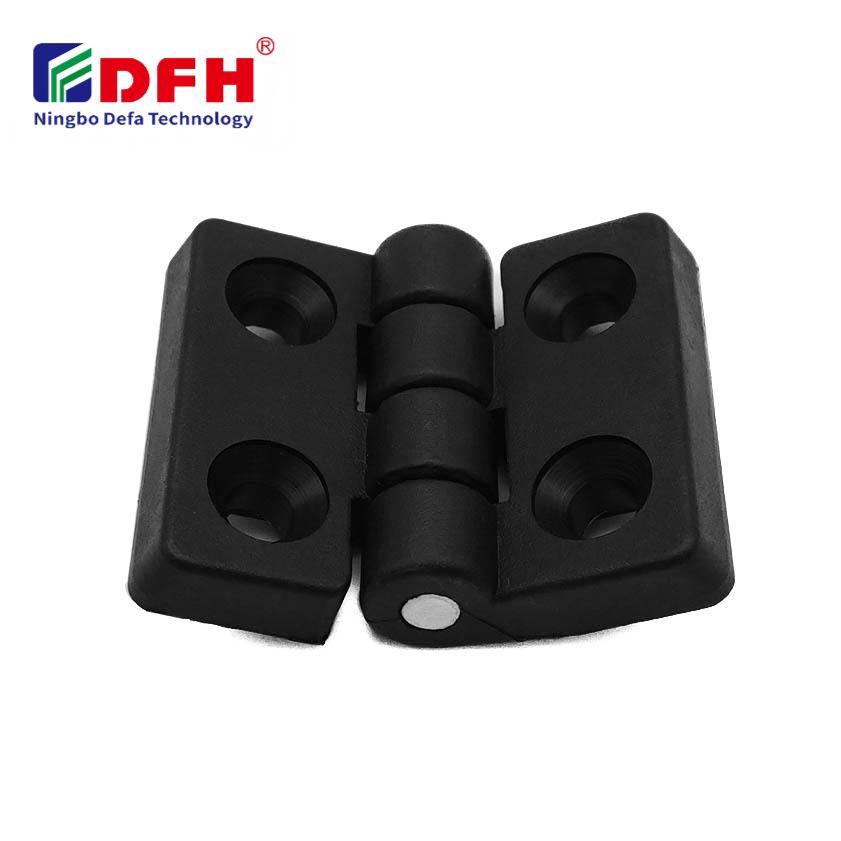
Understanding temperature tolerance is essential when selecting the right hinge for your application. Whether you're installing a hinge in an industrial facility, outdoor structure, or climate-controlled environment, temperature resistance directly impacts longevity and performance. A hinge must withstand thermal expansion, contraction, and material degradation that occur across different temperature ranges. This guide explains the temperature ranges various hinge types can endure and how to choose the right solution for your needs.
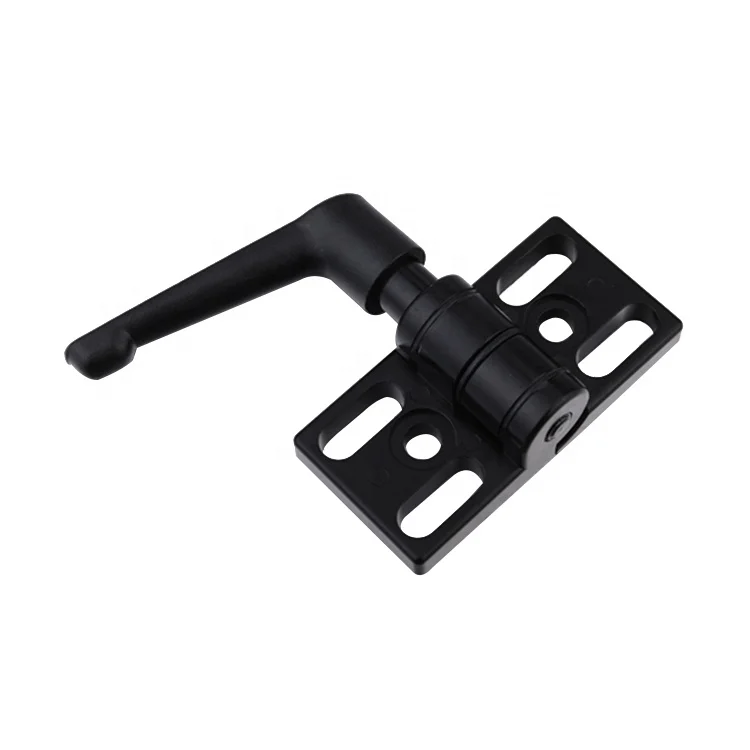
Hinges are mechanical components that require careful engineering to maintain structural integrity across thermal cycles. Temperature affects metal hardness, lubricant viscosity, fastener tension, and material fatigue resistance. Standard hinges typically function reliably between minus 10 and 50 degrees Celsius, but industrial and specialty hinges extend far beyond these boundaries. Selecting the appropriate hinge for your environment prevents premature failure, safety hazards, and costly replacements.
Most conventional door hinge installation projects use hinges rated for minus 10 to 50 degrees Celsius. This range covers typical indoor commercial environments, residential applications, and mild climates. Steel hinges with standard finishes perform adequately within this window, though performance degrades at the extremes. For cabinet hinge types used in kitchens, offices, and standard industrial settings, this temperature band represents the manufacturer's recommended safe operating zone.
Stainless steel hinges extend the upper limit slightly, tolerating temperatures up to 60 degrees Celsius in many configurations. Brass and bronze hinges similarly maintain functionality across this baseline range. However, once temperatures exceed these thresholds or drop significantly below zero, material properties begin to shift. Fasteners loosen, lubricants thicken or thin excessively, and metal becomes brittle or develops stress concentrations that reduce hinge load capacity.
Temperature alone doesn't determine hinge durability; thermal cycling amplifies wear. When a hinge experiences repeated temperature swings, metal expands and contracts cyclically, creating micro-movements at joints. These movements loosen fasteners, wear bearing surfaces, and accelerate corrosion where dissimilar metals meet. Cabinet hinge types exposed to daily heating and cooling cycles fail faster than hinges in stable temperature environments, even if peak temperatures stay within nominal ranges.
Moisture presence accelerates degradation across temperature extremes. In freezing conditions, trapped moisture expands, pushing metal apart and creating internal stress. In high-temperature environments, moisture promotes oxidation. Door hinge installation in humid regions therefore demands corrosion-resistant materials even if temperatures remain moderate.
Industrial facilities, manufacturing plants, and specialized applications demand hinges engineered for elevated temperatures. High-temperature hinges maintain functionality between 200 and 400 degrees Celsius, with premium options reaching 500 degrees or higher. These hinges use alloy steels, nickel-chromium blends, or specialized coatings that resist thermal oxidation and maintain material strength at heat. Hinge load capacity remains predictable even under sustained thermal stress because material selection prevents creep and plastic deformation.
Applications include furnace doors, oven access points, industrial ovens, and thermal processing equipment. The hinge must also resist thermal shock, where rapid temperature changes create stress. Lubricants used in high-temperature hinges differ from standard formulations; they remain effective across wider temperature bands without becoming sticky or evaporating.
Freezer facilities, arctic environments, and cold storage applications require low-temperature hinges capable of functioning below minus 40 degrees Celsius. These hinges use materials that resist embrittlement and fastener designs that account for metal contraction. Stainless steel alloys, phosphor bronze, and specialized coatings prevent galling and seizing at extreme cold.
Door hinge installation in cold climates demands particular attention to material selection. Conventional steel becomes brittle in freezing conditions, increasing breakage risk. Cold-rated hinges maintain flexibility and tensile strength despite low temperatures. Lubricants must remain fluid enough to allow movement without solidifying. Cabinet hinge types for refrigerated spaces or outdoor cold-climate storage require special engineering to prevent joint failure.
Before specifying a hinge, determine both the minimum and maximum temperatures the application will experience. Consider daily temperature swings, seasonal extremes, and thermal cycling frequency. A hinge rated for 50 degrees Celsius may fail in a facility that occasionally reaches 70 degrees during peak production. Conversely, specifying an expensive high-temperature hinge for a stable environment wastes resources.
Consult equipment specifications and environmental data to establish realistic requirements. For door hinge installation in industrial facilities, obtain temperature profiles from operations teams. For cabinet hinge types in customer-facing environments, consider occasional temperature excursions beyond design setpoints. Accounting for these variances prevents undersized hinge selections that fail prematurely and justifies investment in appropriately rated solutions.
Material choice directly influences temperature tolerance and hinge load capacity. Mild steel suits standard temperature ranges but fails under thermal extremes. Stainless steel resists corrosion across wider temperature bands and maintains strength better than mild steel. Specialty alloys like Inconel, Hastelloy, and titanium handle extreme temperatures but increase cost significantly. Choose materials that balance temperature requirements with load capacity needs and budget constraints.
Fastener selection matters equally. Carbon steel bolts loosen more readily at temperature extremes than alloy fasteners. High-temperature applications benefit from lock washers and thread-locking compounds that maintain preload despite thermal cycling. Door hinge installation specialists recognize that even excellent base materials fail if fasteners aren't properly selected and maintained. Testing hinge load capacity under actual operating temperatures ensures designs remain safe and reliable throughout expected service life.
Most standard hinges function reliably between minus 10 and 50 degrees Celsius. Stainless steel variants may extend to 60 degrees Celsius. Beyond these limits, material properties degrade and hinge performance becomes unreliable. For applications outside this range, specialized hinges engineered for extreme temperatures are necessary.
Repeated temperature swings cause metal expansion and contraction, loosening fasteners and accelerating wear at bearing surfaces. Cabinet hinge types in thermally variable environments fail faster than those in stable temperature zones, even when peak temperatures remain within nominal ranges. High-quality fasteners and appropriate material selection mitigate thermal cycling damage.
Specialty alloys including nickel-chromium blends, Inconel, and stainless steel maintain superior hinge load capacity at elevated temperatures. For door hinge installation in extreme heat, these materials resist oxidation and retain strength better than mild or standard steel. Consulting material datasheets ensures selected hinges meet both temperature and load requirements.
2026/09/30
Source aluminum profiles for versatile modular framing. Learn extrusion mechanics, strength benefits & corrosion resistance. Request details.
2026/09/30
Source aluminum profiles for construction projects. Learn structural framing, cladding & window benefits for maximum ROI. Download guide.
2026/09/30
Source optimal aluminum profile sizing techniques. Evaluate load, space, alloy, environment & cost factors to prevent deflection. Download guide.
2026/09/30
Struggling with fastener failures or rework? Master screw sizing by diameter, pitch, material, and load—plus industry-specific standards. Optimize reliability & compliance now.
2026/09/30
Source aluminum profiles for industrial engineering. Discover strength-to-weight ratios, corrosion resistance & 30% cost savings. Download guide.
2026/09/30
Source heat-resistant aluminum profile systems. Master thermal expansion science & stress management strategies for industrial builds. Download guide.