EN
EN
What is Aluminum Profile and How Does It Work?
2026/09/30
Source aluminum profiles for versatile modular framing. Learn extrusion mechanics, strength benefits & corrosion resistance. Request details.
2026/09/23
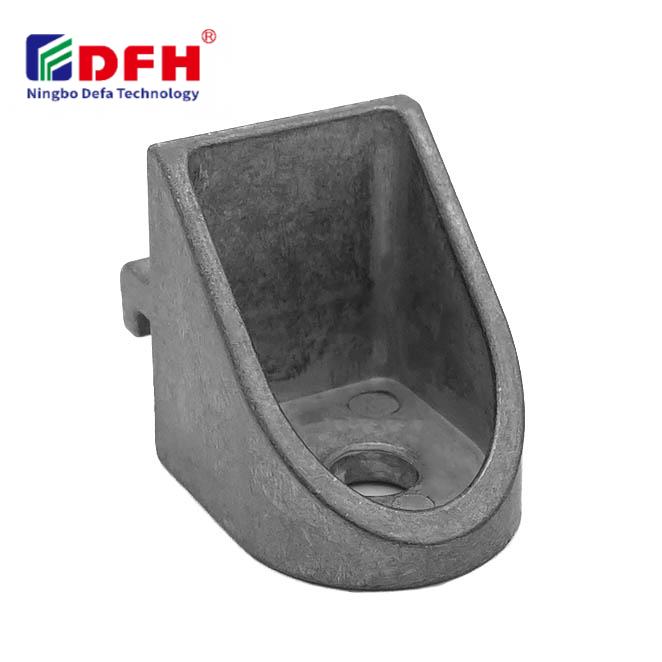
Angle connectors are fundamental structural components used across manufacturing, construction, and assembly applications to join materials at 90-degree angles with reliable strength and precision. These right angle brackets serve as critical joints in frameworks, machinery, and support systems where dimensional accuracy and load-bearing capacity are essential. However, the effectiveness of angle connectors depends heavily on their surface treatment—the protective layer applied during or after manufacturing that shields these components from environmental degradation, corrosion, and mechanical wear.
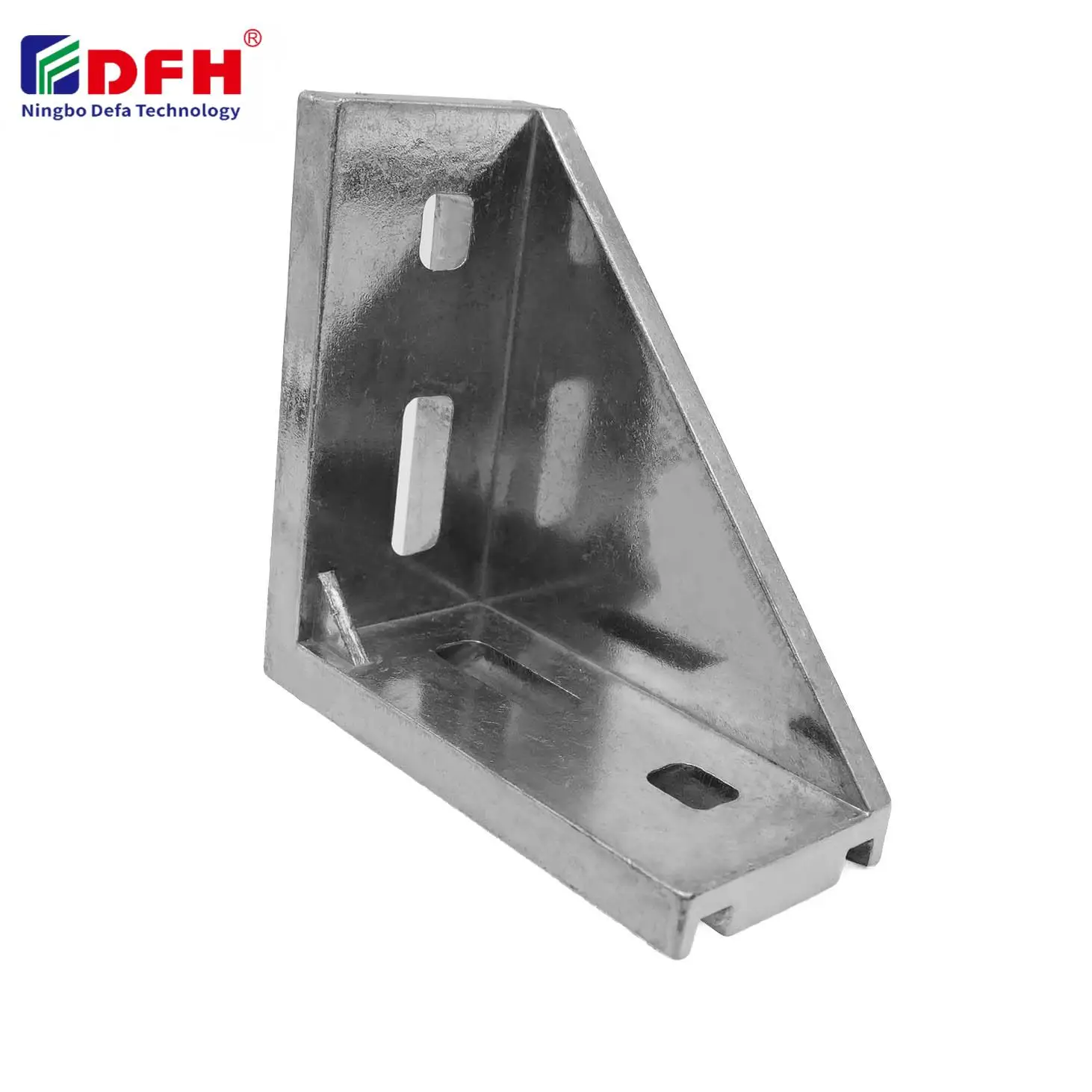
Surface protection transforms angle connectors from vulnerable metal parts into durable, maintenance-resistant fastening solutions. Without adequate treatment, bare aluminum, steel, or other alloys oxidize rapidly, weakening joints and reducing component lifespan. The right surface treatment ensures that corner fasteners maintain their structural integrity, aesthetic appeal, and functional reliability across diverse industrial environments—from humid outdoor settings to chemically aggressive manufacturing floors.
Angle connectors operate in demanding conditions where they anchor frameworks, support machinery, and bear significant loads. Unprotected metals degrade through oxidation, salt-spray corrosion, and thermal cycling, compromising joint strength and requiring frequent replacement. A properly applied surface treatment acts as a barrier between the base metal and corrosive agents, extending service life from months to decades. For industrial operations, this durability directly impacts maintenance budgets, production downtime, and overall equipment reliability.
Different base materials—aluminum, stainless steel, carbon steel, and specialty alloys—respond uniquely to various surface treatments. Aluminum angle connectors, commonly used in lightweight structural applications, benefit from anodizing to create a dense oxide layer that resists corrosion and wear. Steel right angle brackets often receive galvanizing or powder coating for enhanced protection. Understanding the material composition of corner fasteners ensures that chosen treatments bond effectively and deliver consistent protective performance throughout the component's service life.
Anodizing is the industry standard for protecting aluminum angle connectors by electrochemically converting the surface into a thick, corrosion-resistant oxide layer. This process thickens the natural oxide film that aluminum naturally forms, creating a durable barrier that resists moisture, salt spray, and atmospheric degradation. Anodized angle connectors display characteristic colors—clear, bronze, or black—indicating different oxide thicknesses and protection levels. Type II anodizing provides general corrosion protection for indoor and moderate outdoor use, while Type III hard anodizing offers superior wear resistance for high-stress structural applications. The treatment maintains dimensional accuracy of 90 degree joints while improving the aesthetic appeal of corner fasteners.
Hot-dip galvanizing is the preferred surface treatment for steel angle connectors exposed to outdoor, marine, or chemically aggressive environments. The process immerses steel right angle brackets in molten zinc, creating a metallurgical bond that sacrificially protects the base metal. Zinc corrodes preferentially, shielding the underlying steel from rust and extending the life of 90 degree joints by 30 to 50 years in typical outdoor exposures. Electroplating and sherardizing offer alternative zinc-coating methods with varying thickness and protection profiles. Galvanized corner fasteners require minimal maintenance and deliver superior long-term value in corrosion-prone applications.
Powder coating provides aesthetic and protective benefits for angle connectors in architectural and industrial settings. This electrostatically applied dry powder, cured through heat, creates a uniform, durable finish that resists UV exposure, chemical splashes, and mechanical impact. Unlike liquid paints, powder coating eliminates drips and waste, providing consistent coverage on complex geometries like right angle brackets and corner fasteners. Custom colors allow specification teams to match design requirements while maintaining the structural integrity of 90 degree joints. Industrial-grade polyester, epoxy, and polyurethane powder systems offer varying chemical resistance and weathering performance for diverse application environments.
Surface treatments for angle connectors must meet rigorous industry standards ensuring predictable corrosion resistance across specified environments. Salt-spray testing (ASTM B117), cycles of corrosion and humidity exposure, and accelerated weathering tests quantify the protective capabilities of treated right angle brackets and corner fasteners. Specifications such as ASTM B117 (500 hours) or ASTM D1141 indicate the expected service life of coated components in marine, industrial, or outdoor exposures. Engineers select surface treatments based on these certifications, matching protection levels to real-world environmental stressors. Properly tested angle connectors backed by performance data reduce project risk and ensure predictable long-term durability of 90 degree joints.
Surface treatments must not compromise the mechanical properties of angle connectors—their strength, fatigue resistance, and dimensional accuracy. Some coating processes introduce hydrogen embrittlement or residual stress in steel corner fasteners, potentially weakening load-bearing capacity. Modern treatments for 90 degree joints are engineered to maintain or enhance base metal properties while adding protective functionality. Thermal stress from galvanizing or anodizing is carefully controlled to prevent distortion of precision-machined right angle brackets. Selection criteria should always verify that the chosen surface treatment preserves the structural integrity required for demanding industrial applications.
Anodizing is the most widely specified surface treatment for aluminum angle connectors across industrial applications. It creates a protective oxide layer that resists corrosion, maintains dimensional accuracy, and improves durability of right angle brackets. Anodizing is cost-effective, environmentally sound, and available in multiple thickness grades to match specific corrosion exposure conditions for 90 degree joints.
Hot-dip galvanized angle connectors typically provide 30 to 50 years of corrosion protection in outdoor settings, depending on local environmental severity and maintenance practices. Zinc's sacrificial protection extends the service life of steel right angle brackets significantly compared to uncoated alternatives. In marine or highly aggressive chemical environments, additional protective measures or specialized coatings may be required for enhanced durability of 90 degree joints.
Powder coating is compatible with aluminum, steel, and many specialty alloys used in angle connectors, though surface preparation is critical for adhesion. Right angle brackets must be cleaned and primed appropriately before powder coating application to ensure uniform coverage and long-term durability of corner fasteners. Some pre-treatment systems, such as conversion coatings, enhance powder coat adhesion and corrosion resistance on 90 degree joints.
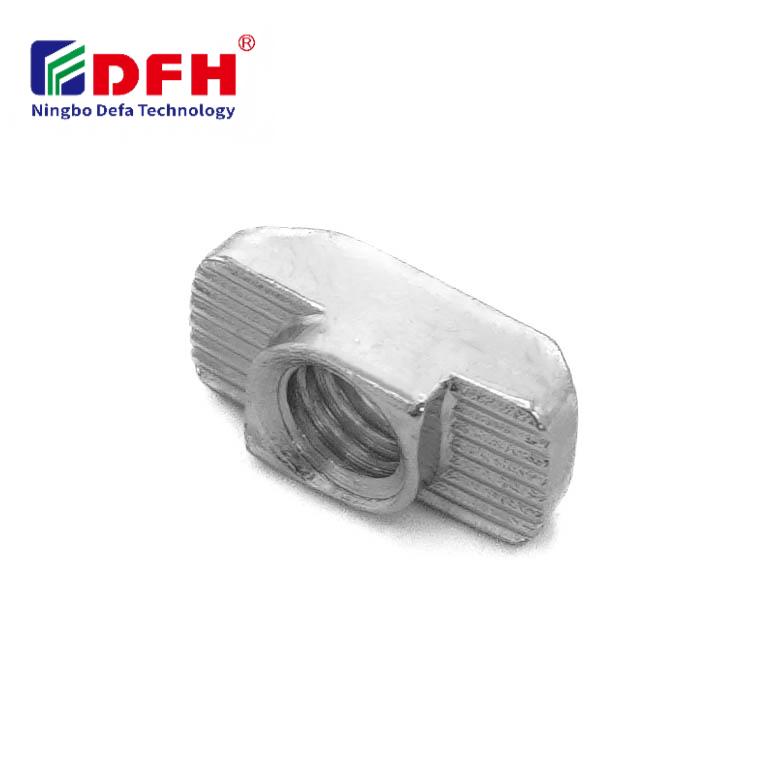
2026/09/30
Source aluminum profiles for versatile modular framing. Learn extrusion mechanics, strength benefits & corrosion resistance. Request details.
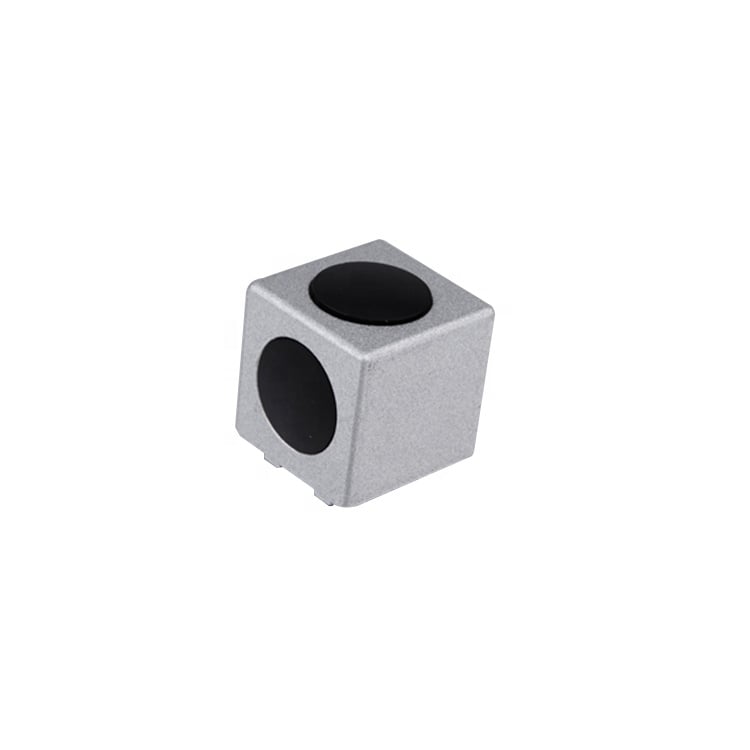
2026/09/30
Source aluminum profiles for construction projects. Learn structural framing, cladding & window benefits for maximum ROI. Download guide.
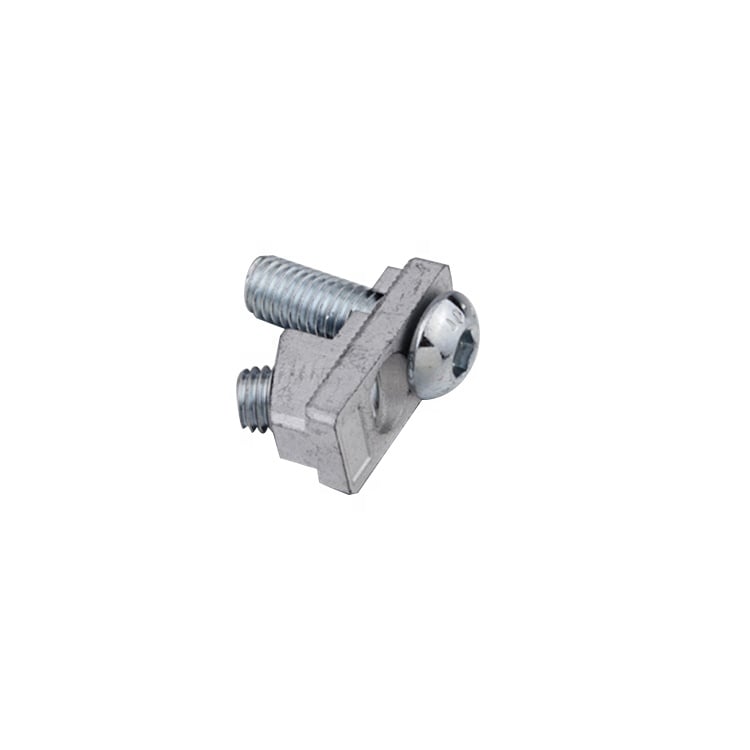
2026/09/30
Source optimal aluminum profile sizing techniques. Evaluate load, space, alloy, environment & cost factors to prevent deflection. Download guide.
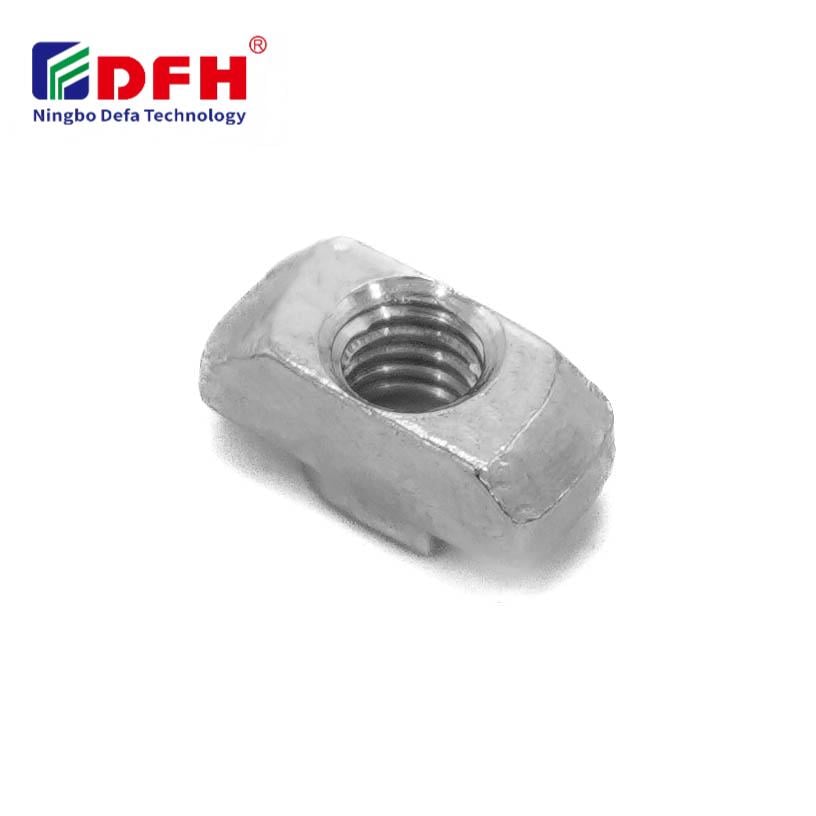
2026/09/30
Struggling with fastener failures or rework? Master screw sizing by diameter, pitch, material, and load—plus industry-specific standards. Optimize reliability & compliance now.
2026/09/30
Source aluminum profiles for industrial engineering. Discover strength-to-weight ratios, corrosion resistance & 30% cost savings. Download guide.
2026/09/30
Source heat-resistant aluminum profile systems. Master thermal expansion science & stress management strategies for industrial builds. Download guide.