EN
EN
What is Aluminum Profile and How Does It Work?
2026/09/30
Source aluminum profiles for versatile modular framing. Learn extrusion mechanics, strength benefits & corrosion resistance. Request details.
2026/09/30
Surface finishes transform raw extruded aluminum into durable, aesthetically appealing components ready for demanding industrial applications. Choosing the right finish for your aluminum profile is critical because it determines corrosion resistance, wear performance, visual appeal, and long-term maintenance costs. Industrial aluminum extrusions serve countless sectors—from construction to automotive to electronics—and each industry demands specific surface qualities. The finish you select directly impacts how your aluminum frame systems perform in harsh environments, whether exposed to moisture, UV radiation, chemical exposure, or mechanical stress. Understanding the available surface finish options helps you make informed decisions that align with your application requirements and budget constraints.
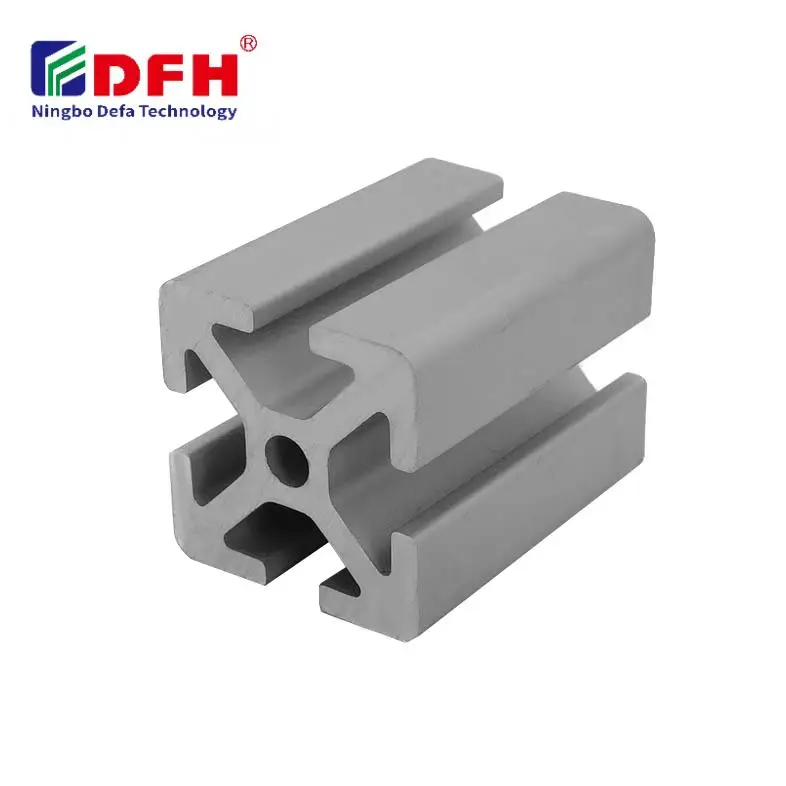
The aluminum profile market offers numerous finishing techniques, each with distinct advantages, limitations, and cost implications. While raw aluminum has natural corrosion resistance due to its oxide layer, this protection proves insufficient for most industrial environments. Applying a professional surface finish creates a protective barrier that extends the lifespan of your extruded aluminum components and maintains their appearance over years of use. This guide explores the most common and effective surface finishes available today, helping manufacturers, engineers, and procurement specialists select the optimal solution for their specific needs.
Anodizing is one of the most widely used surface finishes for aluminum profile applications because it creates a thick, hard oxide layer through electrochemical treatment. The process involves immersing the extruded aluminum in an acid electrolyte and applying electrical current, which converts the aluminum surface into aluminum oxide. This oxide layer bonds permanently to the base metal, providing exceptional corrosion resistance and durability. The resulting aluminum frame systems achieve superior hardness and can be dyed to virtually any color, making anodized finishes both functional and visually striking.
Anodized finishes come in three primary types: clear, Type II, and Type III. Clear anodizing preserves the natural silver appearance of aluminum while adding protection. Type II anodizing offers moderate thickness and corrosion resistance suitable for general industrial use. Type III hard anodizing delivers maximum hardness and thickness, ideal for high-wear applications requiring extreme durability. Each type serves different industrial aluminum extrusions scenarios, from decorative architectural profiles to heavy-duty machinery components.
Anodizing provides excellent value for most aluminum profile applications, balancing cost with long-term performance benefits. The process is environmentally cleaner than many alternatives and produces minimal waste. However, anodized surfaces can be vulnerable to scratching and may show wear in high-contact areas. For applications where the extruded aluminum will experience significant abrasion, supplementary protective measures or harder anodizing grades become necessary. The thickness of the anodic layer directly influences both protection level and final cost.
Powder coating stands as the leading choice for aluminum frame systems requiring both aesthetic appeal and environmental durability. This dry coating method applies electrostatically charged polymer powder that adheres to the aluminum profile surface, then heat-cures into a continuous, uniform protective film. Unlike liquid paints, powder coating produces no volatile organic compounds and generates minimal environmental waste. The resulting finish offers superior corrosion resistance, exceptional color retention, and remarkable impact and scratch resistance compared to traditional paint systems.
The advantages of powder coating for industrial aluminum extrusions extend beyond performance. Colors remain vibrant and fade-resistant even under intense UV exposure, making powder-coated profiles ideal for outdoor and architectural applications. The finish is chemical-resistant, withstanding exposure to oils, solvents, and harsh industrial fluids. Manufacturers can achieve consistent, high-quality results across large production runs, ensuring that every aluminum profile meets strict appearance and durability standards. Maintenance requirements are minimal, typically requiring only occasional cleaning with mild detergents.
Powder coating thickness significantly affects performance characteristics of your aluminum profile finish. Standard industrial thickness ranges from 60 to 100 microns for general applications, while harsh environments may require 100 to 150 microns or more. Polyester, polyurethane, and epoxy powder formulations each offer distinct advantages—polyester excels in outdoor durability, polyurethane provides superior chemical resistance, and epoxy delivers exceptional corrosion protection. Selecting the appropriate powder chemistry for your extruded aluminum application ensures optimal performance and cost efficiency throughout the component's service life.
Mechanical finishing techniques enhance the aesthetic qualities of aluminum frame systems while providing varying levels of corrosion protection. Polishing creates a mirror-like reflective surface that showcases the natural beauty of extruded aluminum, making it popular for high-end architectural and consumer applications. Brushing produces a directional satin finish that hides fingerprints and wear marks while maintaining visual sophistication. These mechanical finishes require careful application to avoid surface defects, and they typically must be combined with chemical treatments or protective topcoats for adequate corrosion resistance in demanding industrial environments.
Abrasive blasting and tumbling processes clean and texture the aluminum profile surface, preparing it for subsequent coatings or creating decorative matte finishes. Shot peening and grit blasting improve surface cleanliness and can enhance paint adhesion for aluminum frame systems destined to receive liquid coatings. These preparatory treatments are often essential steps before applying protective finishes, ensuring optimal adhesion and long-term performance of the final coating system on industrial aluminum extrusions.
Chemical conversion coatings like chromate and non-chromate treatments provide a thin, economical protective layer ideal for aerospace and high-performance applications. Chromate conversion creates an invisible corrosion-resistant barrier while maintaining the natural appearance of extruded aluminum. Environmental regulations increasingly favor non-chromate alternatives, which deliver comparable corrosion protection without hazardous substances. For specialized industrial aluminum extrusions requiring extreme performance, nickel plating, chrome plating, and electroless composite coatings offer additional protection and wear resistance, though at significantly higher cost.
Choosing between standard finishes and specialty coatings depends on your specific application requirements, environmental exposure conditions, and budget parameters. Each coating method brings distinct advantages to aluminum profile protection and appearance. Consulting with finish specialists helps ensure your aluminum frame systems receive the optimal treatment for their intended use and expected service life.
Powder coating offers superior performance for outdoor aluminum profile applications because it resists UV degradation, maintains color integrity, and provides excellent corrosion protection in wet and coastal environments. Hard anodizing (Type III) serves as an excellent alternative for natural-looking finishes that still deliver robust durability. For maximum longevity, many outdoor aluminum frame systems combine anodizing with a clear powder topcoat, creating a multi-layer protection system that extends service life considerably. The choice between these options depends on your aesthetic preferences and specific environmental exposure conditions.
Yes, anodized aluminum profile surfaces can receive additional coatings, though preparation is critical for paint adhesion. The anodic layer must be lightly sanded or chemically treated to provide a suitable substrate for paint or powder coating adhesion. Many industrial aluminum extrusions benefit from this dual-coating approach, combining the corrosion protection of anodizing with the aesthetic and chemical-resistance benefits of a topcoat. However, the extra step increases cost and complexity, so evaluate whether a single premium finish meets your application requirements before committing to dual-coating strategies.
Anodizing suits applications prioritizing natural metallic appearance, maximum hardness, and cost efficiency, particularly for indoor or controlled environments. Powder coating excels when you need vibrant colors, maximum corrosion resistance in harsh outdoors conditions, or superior chemical and impact resistance. Industrial aluminum extrusions used in food processing or chemical manufacturing typically favor powder coating for its chemical resistance, while architectural applications often choose anodized finishes for their refined aesthetic. Consider your environment, budget, required maintenance level, and aesthetic priorities when making this decision. Consulting technical specifications for your specific industrial aluminum extrusions application ensures the optimal finish selection.
2026/09/30
Source aluminum profiles for versatile modular framing. Learn extrusion mechanics, strength benefits & corrosion resistance. Request details.
2026/09/30
Source aluminum profiles for construction projects. Learn structural framing, cladding & window benefits for maximum ROI. Download guide.
2026/09/30
Source optimal aluminum profile sizing techniques. Evaluate load, space, alloy, environment & cost factors to prevent deflection. Download guide.
2026/09/30
Struggling with fastener failures or rework? Master screw sizing by diameter, pitch, material, and load—plus industry-specific standards. Optimize reliability & compliance now.
2026/09/30
Source aluminum profiles for industrial engineering. Discover strength-to-weight ratios, corrosion resistance & 30% cost savings. Download guide.
2026/09/30
Source heat-resistant aluminum profile systems. Master thermal expansion science & stress management strategies for industrial builds. Download guide.