EN
EN
What is Aluminum Profile and How Does It Work?
2026/09/30
Source aluminum profiles for versatile modular framing. Learn extrusion mechanics, strength benefits & corrosion resistance. Request details.

2026/09/29
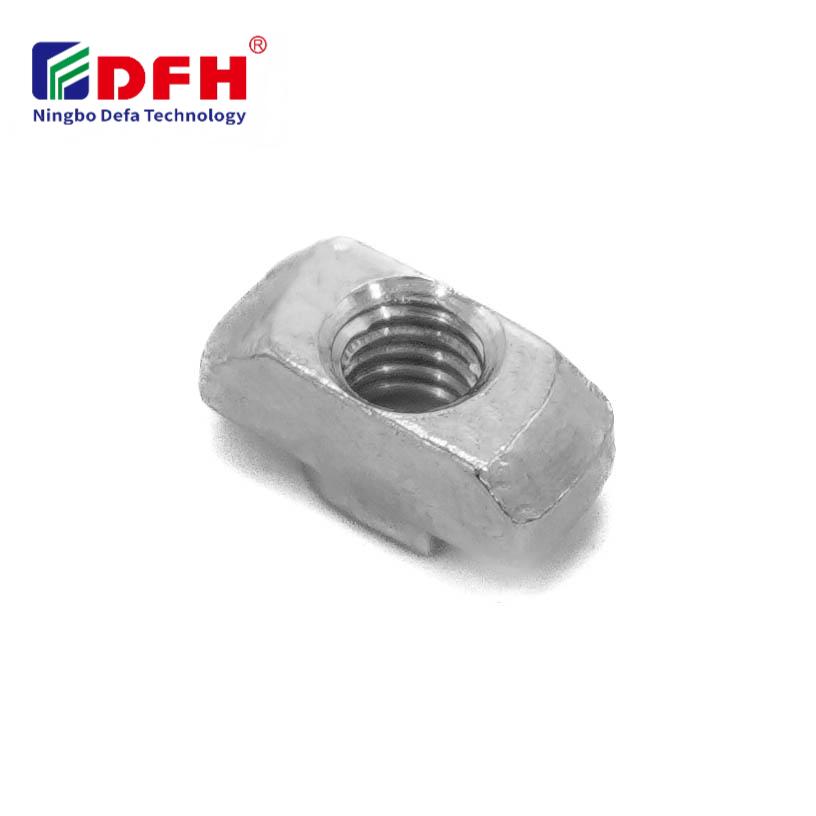
Selecting the right T nut requires careful attention to multiple technical specifications. Whether you are assembling aluminum profiles, securing modular components, or designing a fastening hardware system, verifying the correct specifications ensures proper fit, load capacity, and long-term reliability. Industrial applications demand precision, and overlooking critical dimensions or material properties can lead to costly failures, assembly delays, or safety hazards.
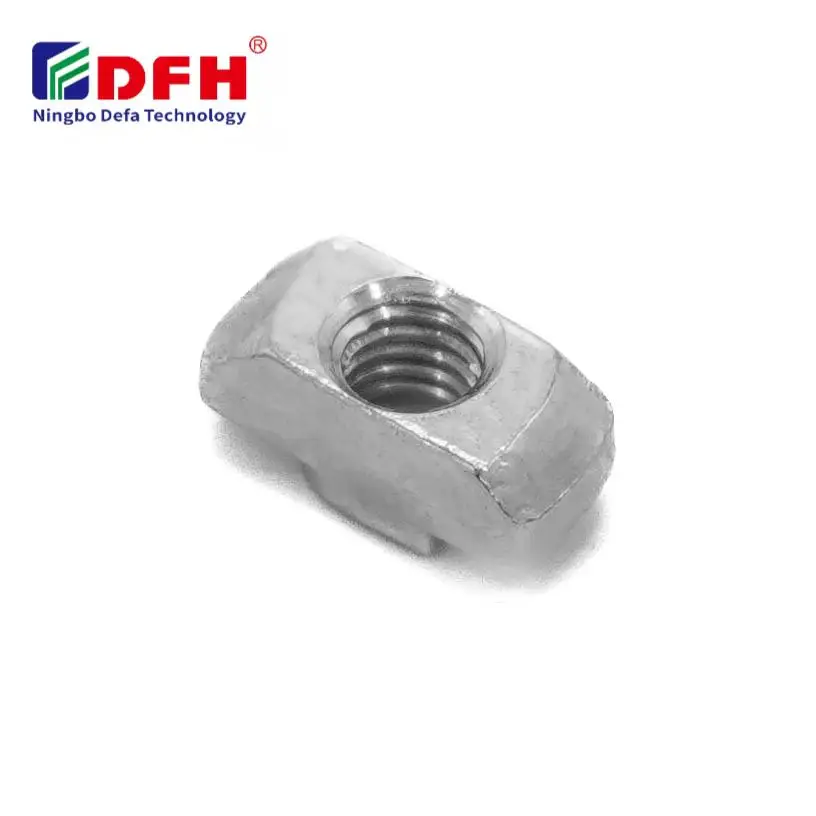
A T nut is a threaded insert designed to lock into slots or channels on aluminum extrusions and other profile systems. This fastening hardware component plays a critical role in building flexible, reconfigurable assembly structures. Understanding which specifications matter most will help you avoid compatibility problems and select the right slot nut assembly for your application.
The thread size of your T nut must match both the bolt you plan to use and the channel width of your profile. Common sizes include M3, M4, M5, M6, M8, and M10, each with corresponding metric pitches. Verify that the threaded insert dimensions align with your profile system, whether it uses standard 45-series slots, 30-series, or other proprietary channel geometries. Mismatched thread sizes create loose connections that compromise structural integrity.
The slot nut assembly must slide smoothly into the profile channel without excessive play or binding. Measure the channel width and confirm the T nut's overall width stays within tolerance. Verify the depth or height of the fastening hardware to ensure it sits flush when installed. Many industrial users overlook depth specifications, leading to protruding components that interfere with other assembly parts or create tripping hazards on machinery.
Most threaded insert products are manufactured from steel or stainless steel alloys. Verify the material composition and hardness rating to match your load requirements. Zinc-plated or nickel-plated finishes offer corrosion resistance for outdoor or wet environments. Stainless steel threaded inserts provide superior durability in harsh conditions but may cost more than standard carbon steel options. Check whether the fastening hardware specification includes hardness data, as softer materials can strip or deform under high tension.
Every slot nut assembly carries a maximum load specification. This rating tells you the safe working load the T nut can support before permanent deformation or failure occurs. Industrial applications like automation frames, workbenches, and machinery mounts require precise load calculations. Verify that the threaded insert you select exceeds your application's dynamic and static load demands by a safe margin. Underestimating load capacity creates unpredictable failure modes and potential safety incidents.
Different T nut designs use different insertion methods. Some threaded insert models slide straight into a channel and rely on friction and bolt pressure for retention. Others feature prongs or barbs that grip the profile walls. Verify whether your chosen T nut design matches your installation workflow and profile geometry. Certain slot nut assembly styles require manual alignment during installation, while others self-center automatically. Understanding the insertion process prevents assembly errors and reduces on-site troubleshooting time.
Specification verification must include the fastening hardware's corrosion resistance rating. Outdoor installations, food processing environments, and chemical plant settings demand stainless steel or specially coated threaded insert options. Confirm whether the T nut finish resists rust, oxidation, and degradation under your specific environmental conditions. Zinc plating provides moderate protection but may not suffice for highly corrosive settings. Material certifications and compliance data, such as ASTM or ISO standards, provide transparent performance benchmarks for your slot nut assembly choice.
Thread size and channel compatibility are the most critical specifications. If the fastening hardware dimensions do not match your profile system, the component will not fit correctly. A threaded insert that is too large or too small will either jam during insertion or create dangerous gaps that compromise structural integrity. Always verify the exact profile series and measure the channel width before ordering.
Calculate your total system load and divide it by the number of fastening points. Then select a T nut with a rated capacity at least 1.5 to 2 times your calculated per-point load. This safety factor accounts for vibration, shock loads, and degradation over time. Consult the threaded insert manufacturer's data sheet for detailed load tables, and consider both tensile and shear forces in your calculation.
No. Each profile series has unique channel dimensions and slot spacing. A fastening hardware component designed for a 45-series aluminum profile will not fit or function correctly in a 30-series or 20-series system. Always verify the slot nut assembly specifications match your exact profile model. Attempting to adapt components from different systems compromises safety and creates assembly failures.
2026/09/30
Source aluminum profiles for versatile modular framing. Learn extrusion mechanics, strength benefits & corrosion resistance. Request details.
2026/09/30
Source aluminum profiles for construction projects. Learn structural framing, cladding & window benefits for maximum ROI. Download guide.
2026/09/30
Source optimal aluminum profile sizing techniques. Evaluate load, space, alloy, environment & cost factors to prevent deflection. Download guide.
2026/09/30
Struggling with fastener failures or rework? Master screw sizing by diameter, pitch, material, and load—plus industry-specific standards. Optimize reliability & compliance now.
2026/09/30
Source aluminum profiles for industrial engineering. Discover strength-to-weight ratios, corrosion resistance & 30% cost savings. Download guide.
2026/09/30
Source heat-resistant aluminum profile systems. Master thermal expansion science & stress management strategies for industrial builds. Download guide.