EN
EN
What is Aluminum Profile and How Does It Work?
2026/09/30
Source aluminum profiles for versatile modular framing. Learn extrusion mechanics, strength benefits & corrosion resistance. Request details.

2026/09/10
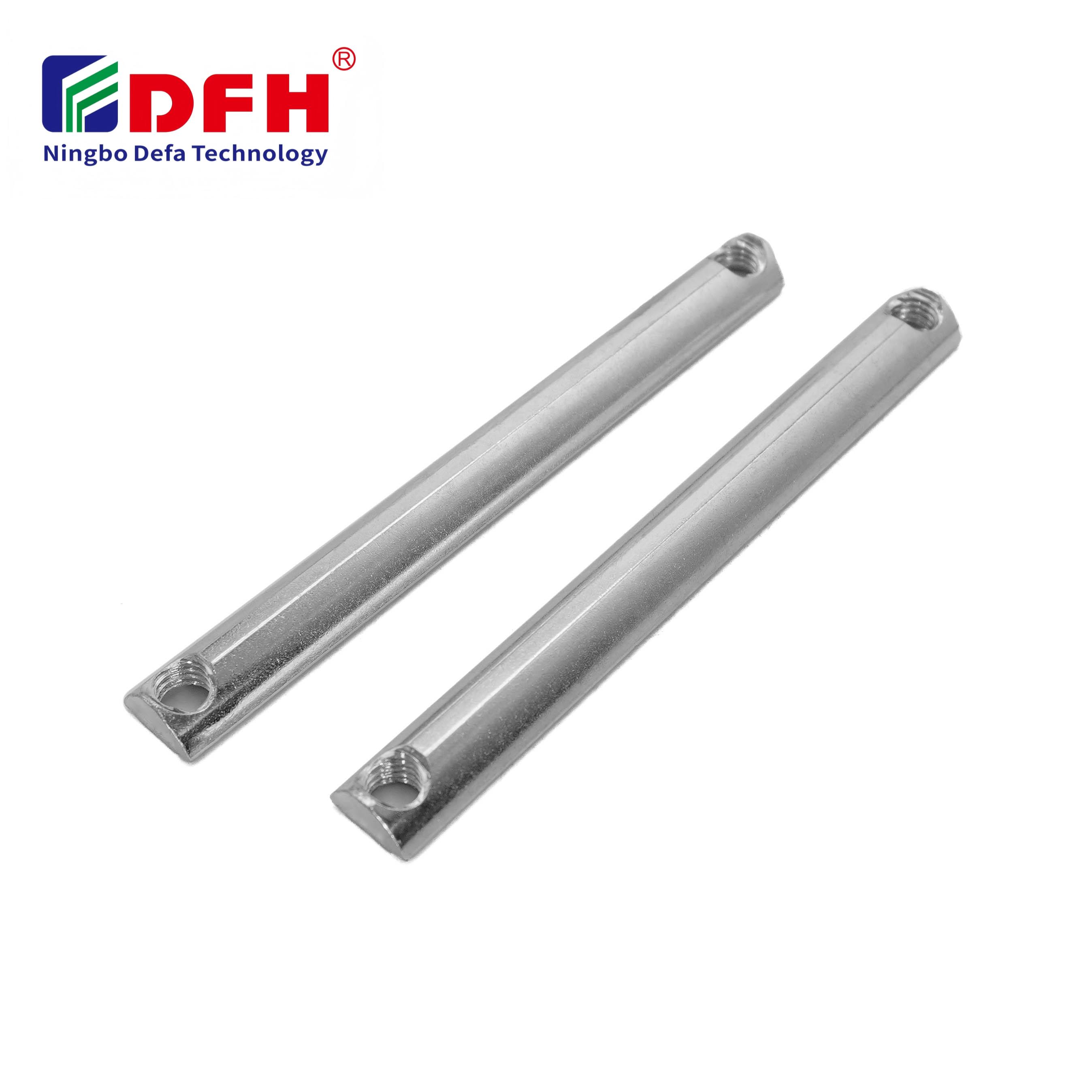
Selecting the right T Nut size is one of the most critical decisions when planning industrial assembly, fabrication, or modular construction projects. The T-slot nut serves as a fundamental fastening hardware component that connects bolts, brackets, and accessories to aluminum profile systems and machinery. Getting the size wrong can lead to structural weakness, assembly delays, material waste, and safety concerns. Understanding how to match the correct T Nut dimensions to your specific application requirements ensures reliable performance and cost efficiency.
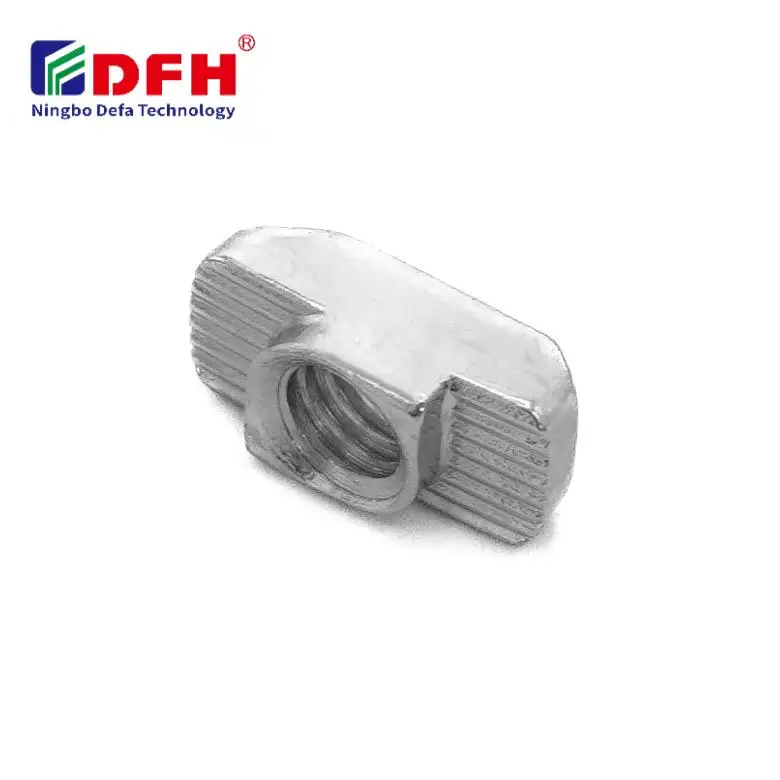
The process of identifying the proper fastening hardware begins with understanding your aluminum profile dimensions, load requirements, and operational environment. A T-slot nut must physically fit into the T-slot groove of your profile while providing adequate bearing surface and thread engagement for the bolt diameter you plan to use. Many projects fail during assembly because teams miscalculate the relationship between profile slot width, T Nut body dimensions, and bolt specifications. This guide walks you through the essential sizing factors and practical decision-making steps needed to choose the right threaded insert or T-slot nut for your project.
Aluminum profile systems come in standard modular sizes, with the most common being 20mm, 30mm, 40mm, 45mm, and 60mm profile widths. Each profile size features a corresponding T-slot groove cut into its sides. Your T Nut must be sized to slide smoothly into this slot without excessive play, yet fit tight enough to prevent wobbling during installation. A T-slot nut designed for a 20mm profile will not fit into a 40mm profile, and attempting to force incompatible fastening hardware creates assembly problems and potential failure points. Measuring your aluminum profile slot width is the first and most important step in determining T Nut size requirements.
Once you confirm the profile slot width, you must select the bolt diameter that matches your load-bearing needs. Common thread sizes for industrial applications include M4, M5, M6, M8, M10, and M12. Each bolt size requires a corresponding T Nut threaded insert with the matching internal thread diameter. The relationship between T Nut body width, slot width, and thread capacity must align for successful assembly. Using a threaded insert with an undersized thread bore wastes material and creates rework, while oversizing wastes weight and cost. The correct T-slot nut provides the precise thread size your bolt requires without excess material.
Industrial projects demand fastening hardware sized according to the actual loads they must support. Vertical assemblies, cantilever structures, and machinery bases experience different stress distributions. Engineers must calculate whether loads are static, dynamic, or cyclic, and whether they involve tension, shear, or combined forces. A T Nut undersized for its load role will yield, strip, or fracture during operation. Conversely, oversizing the threaded insert increases material costs and project weight without functional benefit. Most industrial standards provide load rating tables that correlate T-slot nut size to safe working load limits. Consulting these specifications ensures you select a T Nut that safely handles your actual operational stresses.
T-slot nuts are manufactured from various materials including steel, stainless steel, and aluminum. Steel fastening hardware provides superior strength and corrosion resistance in most industrial environments, making it the standard choice for manufacturing and modular assembly systems. Stainless steel threaded inserts resist chemical attack and moisture, essential for food processing, pharmaceutical, or marine applications. Aluminum T Nut options reduce overall assembly weight but sacrifice strength, suitable only for light-duty fastening scenarios. Zinc plating or other protective coatings extend service life in outdoor or corrosive conditions. Your T Nut size selection must also account for material selection, ensuring the chosen size in your selected material grade meets load and durability requirements.
Begin by measuring your aluminum profile slot width precisely using calipers. Next, determine the maximum load each connection point must support, then reference the fastening hardware capacity tables for your chosen material and bolt size. Verify that the T-slot nut body width allows it to seat fully in the slot while the threaded insert bore matches your bolt diameter exactly. Test-fit the T Nut and bolt in your profile before committing to large-scale purchasing. Many professionals create prototype assemblies to validate sizing decisions before full production. This methodical approach prevents costly mistakes and ensures your fastening hardware performs as intended throughout the project lifecycle.
A frequent error occurs when teams assume all T-slot nuts fit all profile sizes, leading to incompatible components arriving on job sites. Another common mistake involves underestimating load requirements, resulting in fastening hardware failure under actual operational stress. Rushing the T Nut selection process without verifying profile compatibility and bolt thread sizes causes assembly delays and material waste. Some projects fail to account for environmental factors like vibration, corrosion, or temperature cycling, which demand specific T-slot nut materials and finishes. Taking time to verify each sizing parameter prevents these problems. Reference your profile manufacturer's documentation and fastening hardware supplier specifications to confirm compatibility before ordering, ensuring your threaded insert selection matches your exact project requirements.
Many custom or imported profile systems use non-standard slot dimensions. Contact your profile supplier for exact specifications, then work with a fastening hardware manufacturer who can produce custom-sized T-slot nuts matching your unique profile slot width. Custom threaded insert production adds lead time and cost but ensures proper fit and performance where standard T Nut sizes cannot accommodate your profile dimensions.
No. An oversized T-slot nut will not fit into a smaller profile slot, and attempting to force it damages both the nut and the profile groove. Always match the T Nut size precisely to your profile dimensions. Using incorrect fastening hardware compromises assembly integrity and creates safety hazards. If you require a larger threaded insert capacity, upgrade to a larger profile size rather than attempting mismatched combinations.
Reference the load rating specifications provided by the fastening hardware manufacturer for your chosen T-slot nut size and material grade. Compare these ratings against your calculated maximum load per connection point. If your T Nut capacity exceeds your calculated load requirement by a reasonable safety margin, the sizing is adequate. When in doubt, consult with an engineer or the fastening hardware supplier to confirm your threaded insert selection meets all load and safety requirements for your specific application.
2026/09/30
Source aluminum profiles for versatile modular framing. Learn extrusion mechanics, strength benefits & corrosion resistance. Request details.
2026/09/30
Source aluminum profiles for construction projects. Learn structural framing, cladding & window benefits for maximum ROI. Download guide.
2026/09/30
Source optimal aluminum profile sizing techniques. Evaluate load, space, alloy, environment & cost factors to prevent deflection. Download guide.
2026/09/30
Struggling with fastener failures or rework? Master screw sizing by diameter, pitch, material, and load—plus industry-specific standards. Optimize reliability & compliance now.
2026/09/30
Source aluminum profiles for industrial engineering. Discover strength-to-weight ratios, corrosion resistance & 30% cost savings. Download guide.
2026/09/30
Source heat-resistant aluminum profile systems. Master thermal expansion science & stress management strategies for industrial builds. Download guide.