EN
EN
What is Aluminum Profile and How Does It Work?
2026/09/30
Source aluminum profiles for versatile modular framing. Learn extrusion mechanics, strength benefits & corrosion resistance. Request details.

2026/09/18
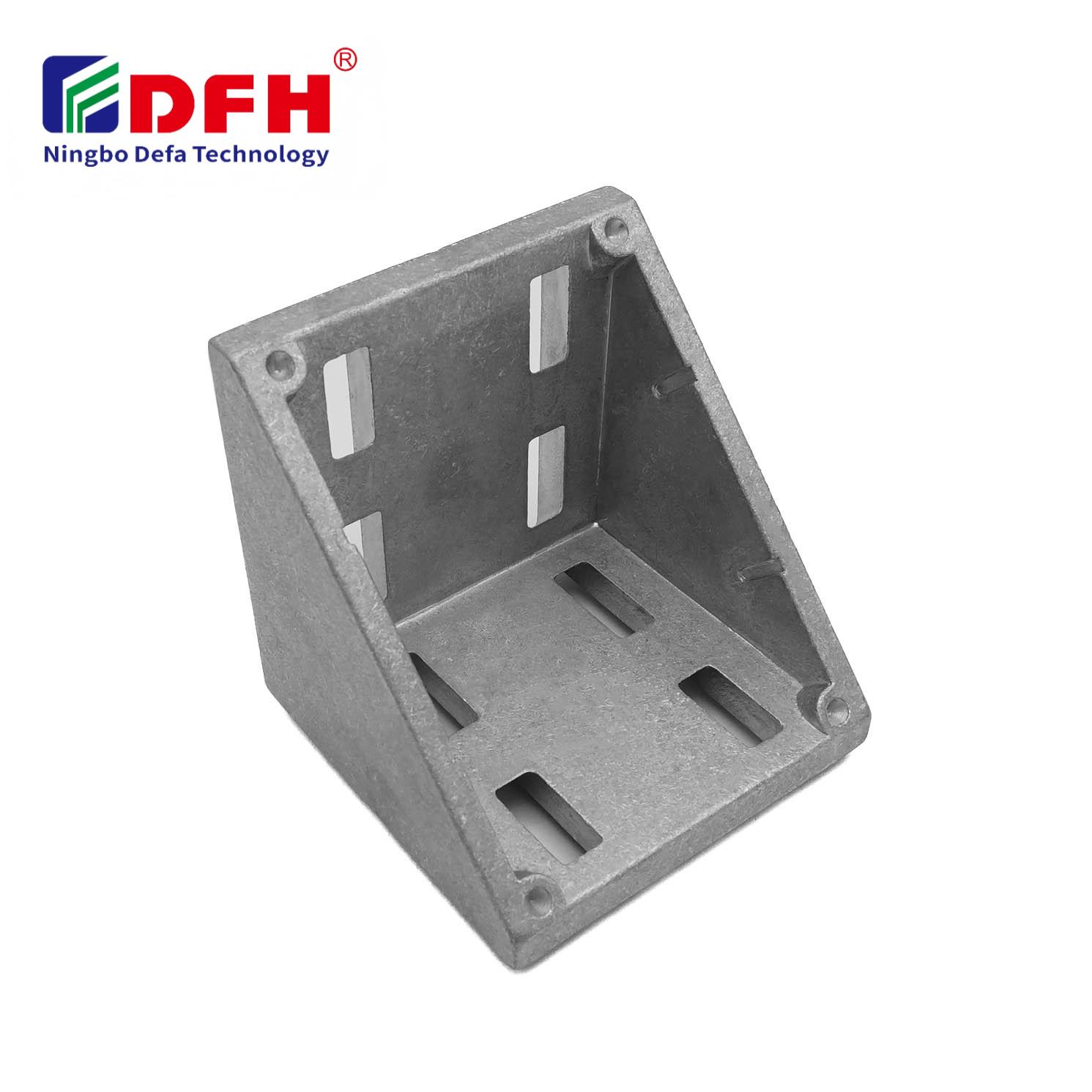
Choosing the correct size of inner connectors is fundamental to the success of any aluminum profile assembly project. These critical components serve as the backbone of modular framework systems, enabling secure and adjustable connections that define structural integrity and operational reliability. Whether you're designing industrial equipment, workstation frames, or automation systems, understanding how to select the appropriate inner connectors directly impacts your project's performance, safety, and long-term cost effectiveness.
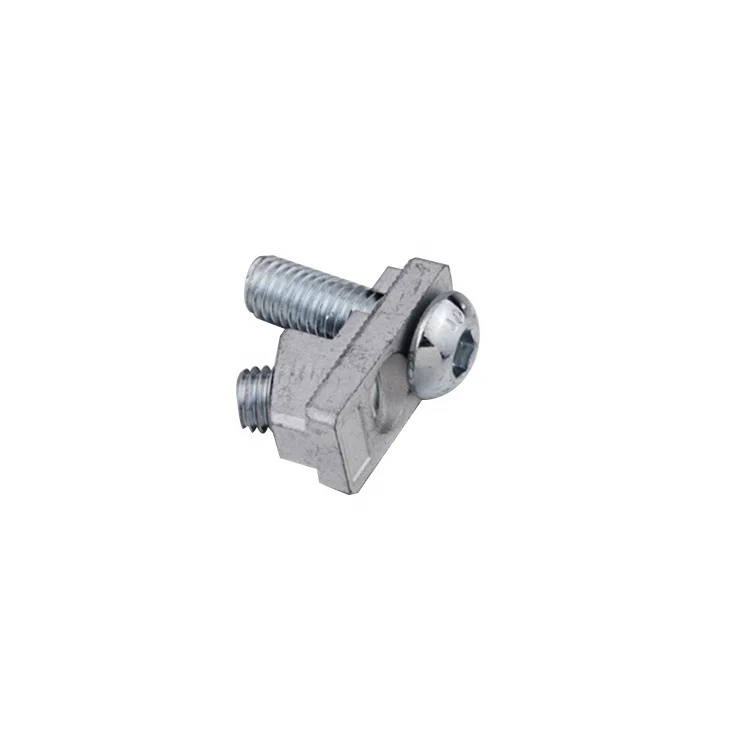
The selection process for inner connectors requires careful evaluation of multiple factors that go beyond simple measurements. Your choice must account for load requirements, aluminum profile specifications, installation space constraints, and the functional demands of your specific application. This comprehensive guide will walk you through the essential decision-making criteria that ensure you select internal fasteners and profile connection systems perfectly matched to your engineering needs.
Inner connectors must align precisely with the slot width and profile thickness of your aluminum framework. Standard inner connectors come in several common sizes, typically ranging from M5 to M10 bolt diameters, with corresponding slot dimensions designed to match industry-standard aluminum profiles. The slot mounting hardware you select must fit snugly within your profile's T-slot or linear slot system without excessive play, as loose connections compromise both precision and safety. Before purchasing any inner connectors, verify the exact slot width specification of your aluminum profile system and cross-reference it with the connector manufacturer's compatibility chart.
The material composition of your internal fasteners directly determines their load-carrying capacity and durability under operational stress. Steel inner connectors offer superior strength and are ideal for high-load applications, while stainless steel variants provide corrosion resistance for environments exposed to moisture or chemicals. Internal fasteners manufactured from powder metallurgy or other advanced materials can provide optimized strength-to-weight ratios. Understanding the tensile strength rating and yield point of your inner connectors ensures they will safely support the forces your assembly will experience throughout its operational life.
Your selection of inner connectors must be governed by a thorough assessment of both static and dynamic loads your assembly will bear. Static loads remain constant, such as the weight of mounted equipment or permanent structural components. Dynamic loads change over time, including vibration, intermittent impacts, or cyclical stress from automated systems. Profile connection systems rated for appropriate load capacities ensure your assembly won't experience premature failure or safety hazards. Calculate the total weight and force distribution across your framework, then select internal fasteners with a safety factor of at least 2.0 to 3.0 depending on your industry standards and risk tolerance.
Different applications create different stress patterns that directly influence inner connector selection. Concentrated loads, where force applies at specific points, may require larger-diameter connectors or closer spacing. Distributed loads spread across multiple inner connectors allow for smaller individual connectors and wider spacing. Understanding whether your assembly features distributed or concentrated force patterns helps you determine the optimal number and size of inner connectors needed. Engineers often model stress distribution using finite element analysis to identify critical connection points where larger or additional slot mounting hardware becomes necessary.
The relationship between your aluminum profile's cross-sectional dimensions and the inner connectors you select must follow practical engineering guidelines. Larger profile sections typically accommodate larger-diameter internal fasteners, while compact profiles require proportionally smaller connectors. Profile connection systems should occupy no more than 40 to 50 percent of the available slot space to maintain structural integrity and allow for future modifications. When working with standard aluminum profile systems, consult the manufacturer's technical documentation for recommended inner connector sizes corresponding to each profile dimension.
Your operating environment significantly influences which inner connectors will perform reliably over extended service periods. High-temperature applications may require specialty alloys that maintain strength at elevated temperatures. Wet or corrosive environments demand stainless steel or coated internal fasteners to prevent rust and degradation. Cleanroom or food-processing applications may need nickel-plated or fully stainless slot mounting hardware to meet regulatory requirements. Vibration-prone equipment benefits from self-locking inner connectors or thread-locking additives to prevent gradual loosening under dynamic stress. Consider all environmental factors when specifying your profile connection systems to ensure maximum service life and minimal maintenance requirements.
Undersized inner connectors will experience excessive stress concentration, leading to plastic deformation, thread stripping, or complete failure under operational loads. This can result in structural collapse, equipment damage, and potential safety hazards to personnel. Additionally, inadequate internal fasteners may creep or gradually relax under sustained or cyclic loading, creating loose connections that require frequent tightening and generate instability in your assembly.
Check your aluminum profile's technical specification sheet for slot width, profile thickness, and the standardization system used (such as DIN, ISO, or proprietary standards). Most standard profile connection systems from major manufacturers are cross-compatible with industry-standard slot mounting hardware, but always verify the specification before ordering. When in doubt, contact the profile manufacturer's technical support team to confirm compatibility with your intended internal fasteners and inner connectors.
Yes, mixing inner connector sizes is a legitimate engineering practice when different sections of your assembly experience different load requirements. Larger connectors can be placed at high-stress areas while smaller internal fasteners suffice in lower-stress regions, optimizing both cost and performance. However, all slot mounting hardware must maintain compatibility with your profile connection systems, and load distribution calculations must account for the varying capabilities of different-sized connectors throughout your framework.
2026/09/30
Source aluminum profiles for versatile modular framing. Learn extrusion mechanics, strength benefits & corrosion resistance. Request details.
2026/09/30
Source aluminum profiles for construction projects. Learn structural framing, cladding & window benefits for maximum ROI. Download guide.
2026/09/30
Source optimal aluminum profile sizing techniques. Evaluate load, space, alloy, environment & cost factors to prevent deflection. Download guide.
2026/09/30
Struggling with fastener failures or rework? Master screw sizing by diameter, pitch, material, and load—plus industry-specific standards. Optimize reliability & compliance now.
2026/09/30
Source aluminum profiles for industrial engineering. Discover strength-to-weight ratios, corrosion resistance & 30% cost savings. Download guide.
2026/09/30
Source heat-resistant aluminum profile systems. Master thermal expansion science & stress management strategies for industrial builds. Download guide.