EN
EN
What is Aluminum Profile and How Does It Work?
2026/09/30
Source aluminum profiles for versatile modular framing. Learn extrusion mechanics, strength benefits & corrosion resistance. Request details.

2026/09/20
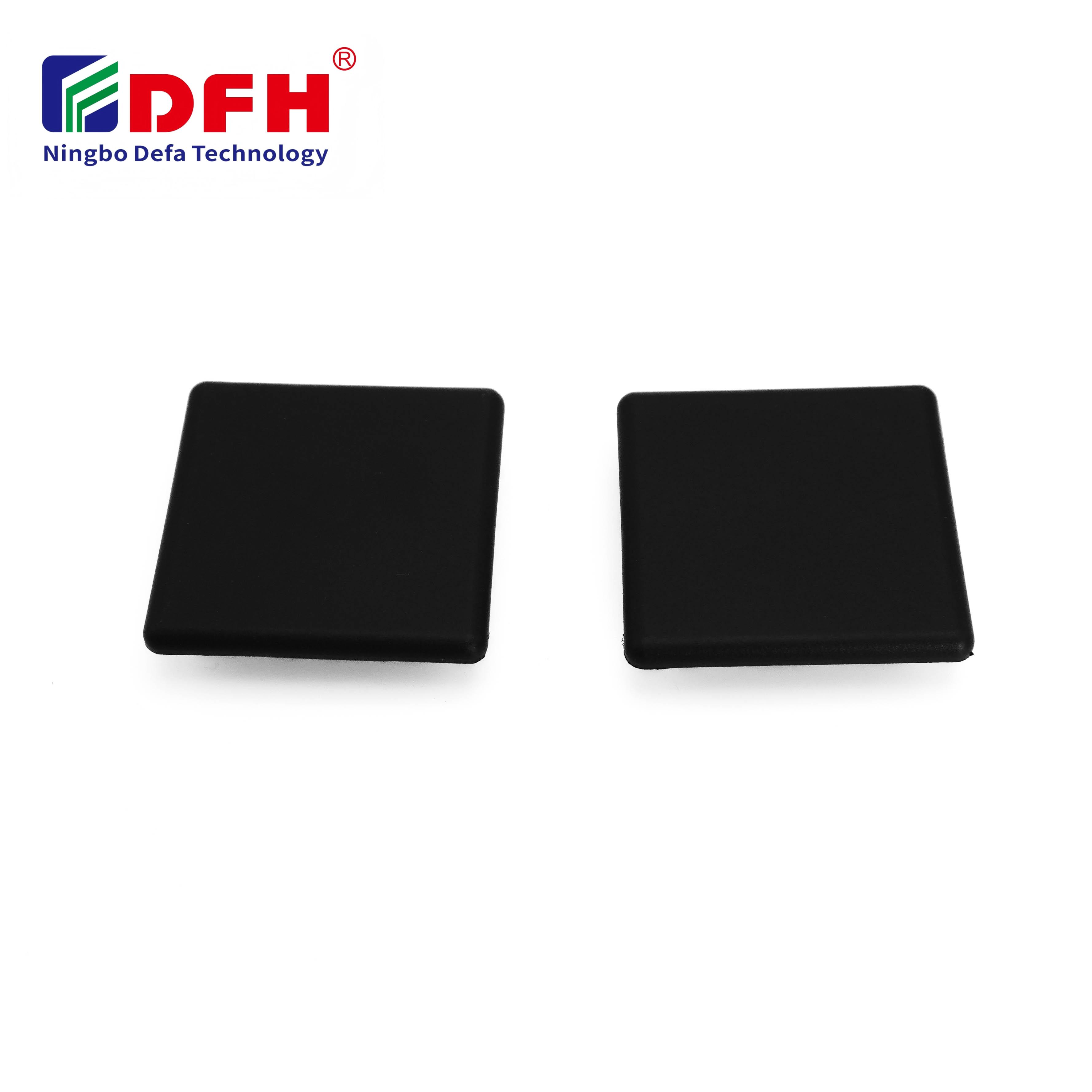
Choosing the correct size end cap is critical for ensuring your project meets both aesthetic and functional requirements. An end cap serves as the finishing component that seals the terminus of profiles, channels, and extrusions, protecting internal components while delivering a polished appearance. Whether you're working with aluminum extrusions, PVC channels, or steel profiles, the size of your end cap must precisely match the cross-sectional dimensions of the profile being sealed.
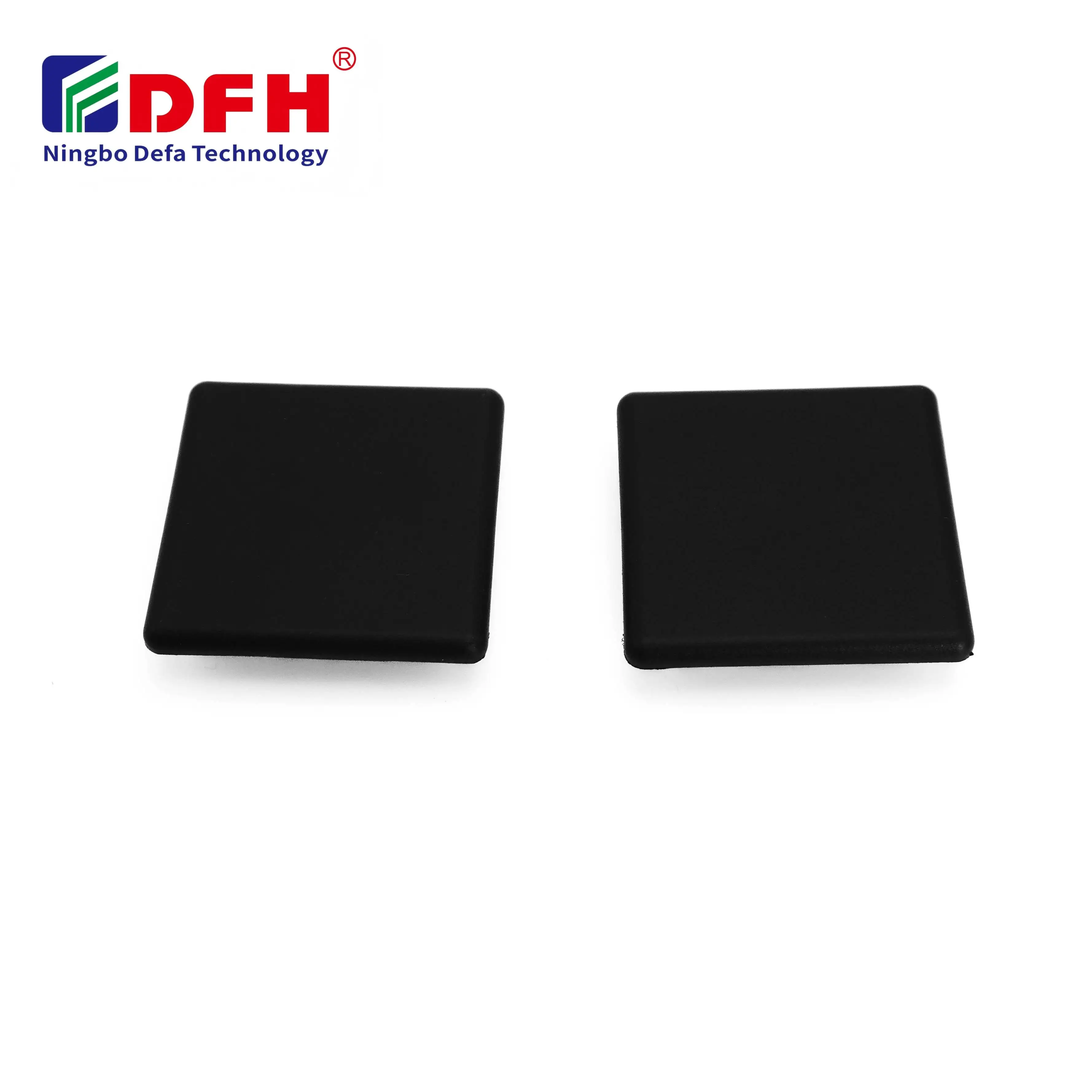
The process of selecting an end cap involves understanding your profile's outer dimensions, wall thickness, and material composition. Industrial manufacturers and project engineers often overlook the importance of precise measurement, leading to poor fits, water ingress, and compromised durability. This guide walks you through the essential measurement techniques and sizing criteria to ensure your aluminum extrusion finishing and profile end closure selections are accurate and appropriate for your specific application.
The foundation of selecting the right end cap begins with understanding what dimensions matter. Profile end closure components must accommodate the outer width, outer height, and cross-sectional shape of your extrusion or channel. Measure the outer perimeter dimensions of your profile at its widest points, as internal features do not affect end cap sizing. For aluminum extrusion finishing applications, the outer profile dimensions are your primary concern, not the inner cavity depth or material density.
Wall thickness also influences your choice of channel cap cover. Thicker profiles may require end caps with deeper seating surfaces or reinforced ribs to ensure a secure grip. Conversely, thin-walled profiles demand end caps with gentler internal geometries to avoid distortion during installation. Industrial engineers typically reference technical datasheets that specify exact outer dimensions, which should always be your starting measurement point when evaluating profile end closure options.
Rectangular and square profiles dominate industrial applications, and their end caps must fit snugly around all four sides. Circular profiles require specialized end cap designs with radial symmetry, while U-channel and C-channel profiles need asymmetrical channel cap cover solutions. Each shape presents distinct sizing challenges, and selecting an incorrectly dimensioned end cap—even by a few millimeters—can result in either excessive play or installation force that damages the profile itself.
Aluminum extrusion finishing often involves complex cross-sections with multiple cavities, flanges, or mounting features. Your end cap must address the overall outer envelope without catching on interior geometry. Modern channel cap cover products are engineered with precision tooling to ensure consistent fit across standard profile dimensions, but custom or non-standard profiles may require bespoke end cap solutions or manufacturing adjustments.
Begin by measuring the profile's outer width and height at multiple locations along its length to confirm consistency. Use precision calipers or a machinist's ruler rather than estimated guesses. Most profiles are manufactured to tight tolerances, but subtle variations can occur during extrusion or shipping. Document measurements at the start, middle, and end of your profile stock to identify any inconsistencies that might affect end cap fit.
Next, measure the profile end cap depth required by examining how far the cap must travel down the profile's terminus. Profile end closure depth varies depending on your design intent—some applications require the end cap to sit flush with the profile's face, while others demand full engagement into a recessed shoulder or retention groove. This depth measurement is equally important as the outer dimensions when selecting a channel cap cover that will stay securely in place without rattling or sliding.
Always consult the extrusion profile's technical datasheet or engineering drawing before finalizing your end cap selection. Manufacturers publish exact outer dimensions, and aluminum extrusion finishing suppliers maintain matching catalogs that directly reference these standard profiles. When your profile deviates from standard dimensions, request custom engineering analysis from your end cap supplier to ensure the profile end closure will function as intended.
Tolerance stack-up is a practical concern in industrial assembly. If your profile tolerates ±0.5 mm variation and your end cap tolerates ±0.3 mm, the combined tolerance could reach ±0.8 mm, affecting fit quality. Professional practitioners verify end cap fit with sample prototypes before committing to full-scale production orders, ensuring that aluminum extrusion finishing meets specified standards and that channel cap cover selection accounts for real-world manufacturing variation.
End cap materials must match both the profile being sealed and the environmental demands of your project. Aluminum extrusion finishing typically pairs with aluminum, anodized aluminum, or powder-coated end caps for corrosion resistance and aesthetic continuity. Plastic or nylon profile end closure components offer cost advantages and chemical resistance in corrosive environments, though they provide less structural rigidity than metal alternatives.
Environmental exposure significantly influences material selection for channel cap cover products. Outdoor applications demand UV-resistant and moisture-resistant materials, while marine environments require corrosion-inhibiting coatings or non-metallic options. Indoor industrial settings may tolerate standard aluminum with minimal finishing, but food processing or pharmaceutical facilities often require stainless steel or specialized coatings to meet regulatory standards and maintain sterile conditions.
Press-fit end caps represent the most common installation method, where sized-to-tolerance caps slide snugly onto profile ends without adhesive or mechanical fasteners. This method suits aluminum extrusion finishing in mass production environments where repetitive assembly processes maintain consistent application force. Ensure your end cap supplier provides installation guidance specifying required force ranges, as excessive force can crush the profile or crack rigid plastic channel cap cover options.
Adhesive-bonded profile end closure solutions offer additional security in high-vibration environments or where press-fit tolerance stacking presents challenges. Industrial-grade structural adhesives create permanent bonds that resist mechanical stress and thermal cycling. Screw-retained end caps provide adjustability and field replaceability, making them ideal for modular systems or applications where maintenance access is required. Verify your chosen installation method aligns with your project's accessibility, repeatability, and long-term durability requirements before committing to end cap procurement.
Measure the outer width and height of your profile using precision calipers at multiple points along its length. Document the dimensions and cross-reference them against your profile manufacturer's technical datasheet. Verify that measurements are consistent and note the required depth the end cap must engage with the profile terminus. This data provides the foundation for selecting an accurately sized profile end closure that will fit securely.
Mismatched end cap sizing leads to poor sealing, water ingress, and accelerated component failure. Even a difference of a few millimeters compromises the integrity of your aluminum extrusion finishing. Always select an end cap specifically engineered for your profile's exact dimensions. If standard options don't match, work with your supplier to specify a custom channel cap cover solution rather than settling for an approximate fit that will fail prematurely.
For outdoor projects, anodized aluminum, powder-coated aluminum, or UV-resistant plastic end caps deliver superior durability and weather resistance. Aluminum extrusion finishing exposed to sunlight benefits from anodized coatings that resist oxidation and fading. In harsh marine or high-pollution environments, stainless steel profile end closure components offer the longest service life. Consult your end cap supplier regarding material recommendations for your specific climate and exposure conditions to ensure your channel cap cover maintains performance over time.
2026/09/30
Source aluminum profiles for versatile modular framing. Learn extrusion mechanics, strength benefits & corrosion resistance. Request details.
2026/09/30
Source aluminum profiles for construction projects. Learn structural framing, cladding & window benefits for maximum ROI. Download guide.
2026/09/30
Source optimal aluminum profile sizing techniques. Evaluate load, space, alloy, environment & cost factors to prevent deflection. Download guide.
2026/09/30
Struggling with fastener failures or rework? Master screw sizing by diameter, pitch, material, and load—plus industry-specific standards. Optimize reliability & compliance now.
2026/09/30
Source aluminum profiles for industrial engineering. Discover strength-to-weight ratios, corrosion resistance & 30% cost savings. Download guide.
2026/09/30
Source heat-resistant aluminum profile systems. Master thermal expansion science & stress management strategies for industrial builds. Download guide.