EN
EN
What is Aluminum Profile and How Does It Work?
2026/09/30
Source aluminum profiles for versatile modular framing. Learn extrusion mechanics, strength benefits & corrosion resistance. Request details.
2026/09/03
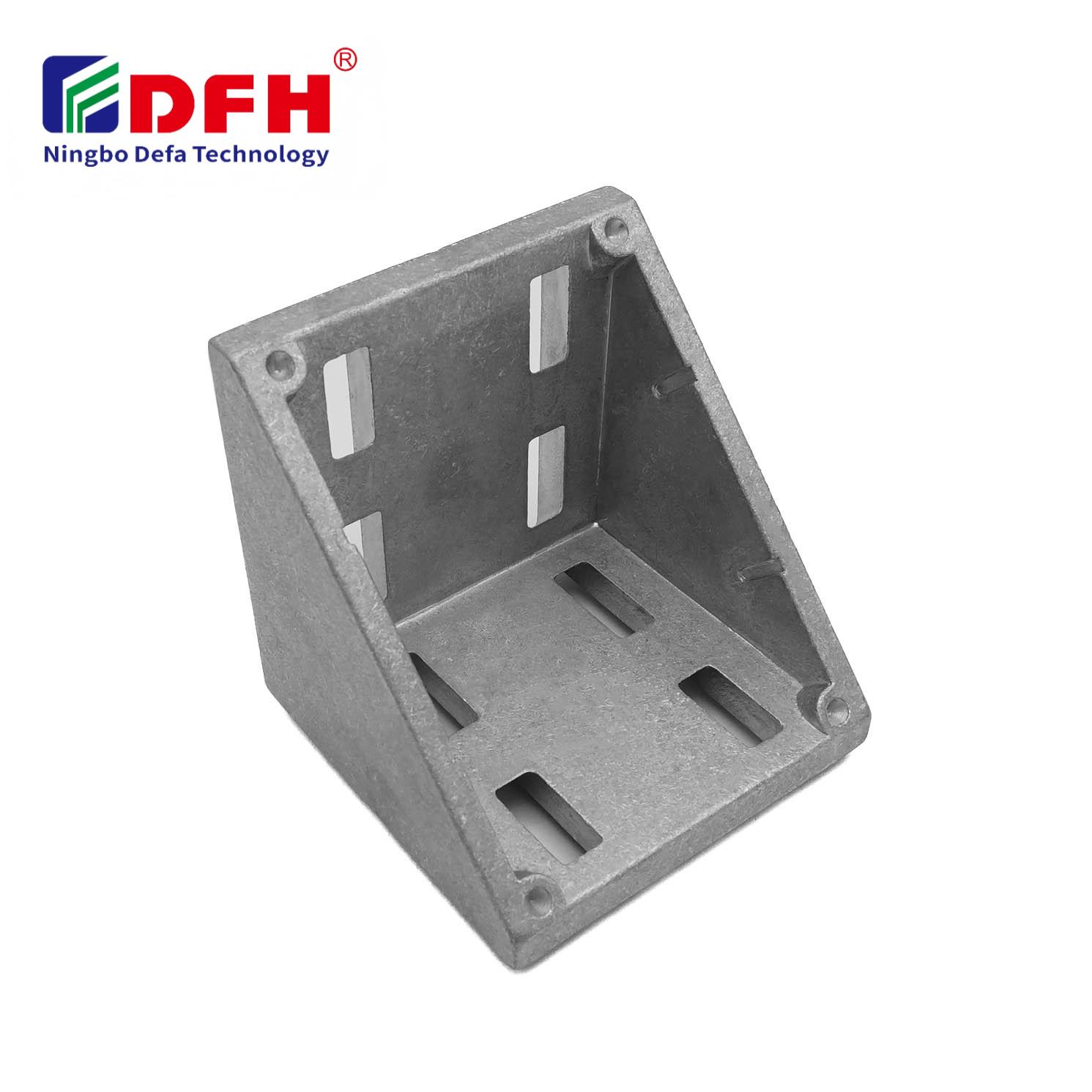
Inner connectors are critical components in industrial assembly systems, serving as the structural backbone for modular frameworks and precision machinery. These internal connection hardware elements must meet rigorous safety standards to ensure reliability, durability, and safe operation across diverse manufacturing environments. Understanding which safety standards apply to inner connectors is essential for procurement teams, engineers, and manufacturers who depend on these components for critical applications.
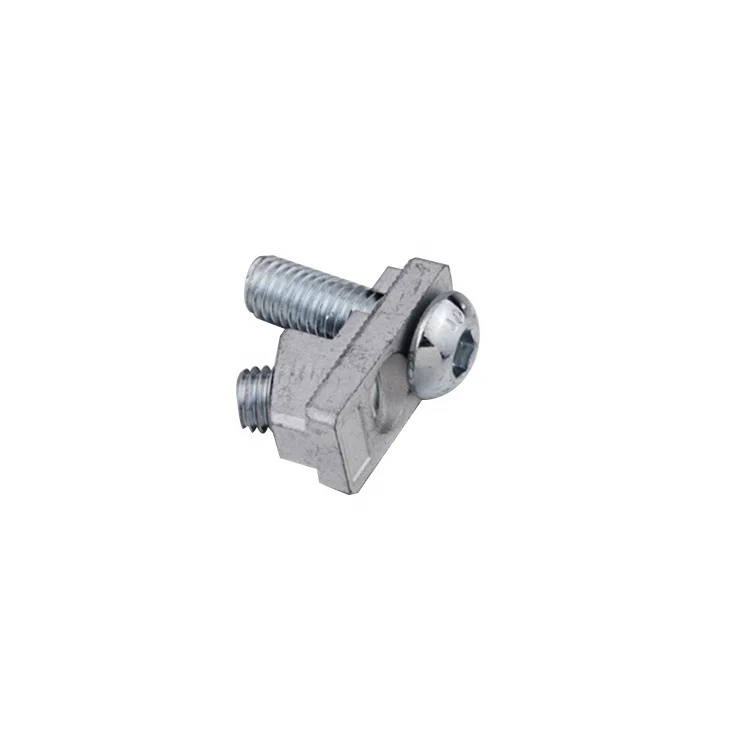
Compliance with applicable safety standards protects equipment operators, extends component lifespan, and prevents costly downtime or failures. Profile joint systems and modular assembly components must undergo testing and certification to demonstrate that they meet established performance and safety benchmarks. This comprehensive guide explores the primary safety standards governing inner connectors, their scope, testing requirements, and practical implications for industrial users.
Inner connectors manufactured for industrial applications typically comply with International Organization for Standardization (ISO) and Deutsches Institut für Normung (DIN) standards. These frameworks establish uniform requirements for material composition, dimensional tolerances, mechanical strength, and surface treatment. ISO 9001 quality management certification ensures that manufacturers maintain consistent production processes and rigorous testing protocols for internal connection hardware.
DIN 65151 specifically addresses connector interfaces and mechanical reliability in demanding environments. This standard defines load-bearing capacities, vibration resistance, and thermal stability requirements for profile joint systems used in automotive, aerospace, and heavy industrial sectors. Adherence to DIN standards guarantees that inner connectors can withstand repeated stress cycles without compromising structural integrity or safety performance.
European manufacturers and suppliers must comply with the CE marking directive, which requires inner connectors to meet essential health and safety requirements before entering the EU market. Modular assembly components undergo third-party testing to verify compliance with applicable harmonized standards. This certification demonstrates that internal connection hardware has been evaluated for mechanical hazards, electrical safety, and environmental resistance.
In North America, ANSI (American National Standards Institute) standards guide the design and performance of industrial connectors and fastening systems. ANSI B4.4 specifications address tolerance classes and dimensional consistency for precision components. Manufacturers exporting inner connectors to North American markets must ensure their products meet ANSI requirements and obtain appropriate certification documentation to support compliance claims.
Safety standards for Inner Connectors mandate strict material specifications to prevent failure under operational stress. Ferrous metals, aluminum alloys, and stainless steel components must be tested for tensile strength, yield strength, and elongation properties. ISO 6892 defines standardized tensile testing procedures that verify mechanical properties of materials used in profile joint systems and modular assembly components.
Surface hardness testing, conducted using Rockwell or Vickers methods, ensures that internal connection hardware resists wear and deformation during assembly and disassembly cycles. Corrosion resistance testing per ASTM B117 (salt spray) evaluates how well treated surfaces withstand environmental exposure. Materials must demonstrate adequate fatigue strength to endure cyclical loading conditions without crack propagation or premature failure.
Safety standards require that modular assembly components declare maximum allowable loads, lateral forces, and torque ratings. Testing laboratories perform static and dynamic load tests to establish safe operating parameters for inner connectors. These assessments confirm that profile joint systems can support specified weights and resist deformation within acceptable tolerance ranges during normal use.
Finite element analysis (FEA) and stress modeling complement physical testing to predict performance under extreme conditions. Internal connection hardware must demonstrate adequate safety margins, typically 2:1 to 4:1 ratios between ultimate breaking strength and rated working loads. This conservative approach prevents catastrophic failures and protects against unexpected overload scenarios or cumulative damage.
Precision dimensional tolerances are fundamental safety requirements for inner connectors used in modular assembly systems. ISO 286 tolerance classes ensure that profile joint systems maintain consistent fit characteristics across multiple assembly cycles. Improper fit between components creates stress concentrations, reduces load-bearing capacity, and introduces mechanical instability that compromises overall equipment safety.
Manufacturing facilities must verify dimensional conformance through statistical process control and regular calibration of measurement equipment. Internal connection hardware that exceeds tolerance bands presents installation hazards, including misalignment, binding, or incomplete seating. Safety standards require comprehensive documentation of dimensional inspection results and traceability to support quality assurance claims for critical applications.
Safety standards for modular assembly components include explicit installation instructions and operational guidelines to prevent misuse or unsafe practices. Clear marking systems indicate load ratings, orientation requirements, and maintenance intervals for inner connectors. Profile joint systems must be accompanied by technical documentation that addresses proper assembly procedures, required tools, and precautions to minimize operator injury risk.
Environmental factors such as temperature extremes, humidity, and chemical exposure influence the safe operating envelope for internal connection hardware. Safety standards require manufacturers to specify compatibility ranges and restrictions to prevent degradation or performance loss. Users must follow published guidelines to ensure that installed components continue meeting safety requirements throughout their intended service life.
Accredited testing laboratories conduct independent assessments of inner connectors to verify compliance with applicable safety standards. Bodies such as TÜV, SGS, and DEKRA perform comprehensive evaluations and issue certification documents that substantiate safety claims. These third-party assessments provide objective evidence that profile joint systems and modular assembly components meet published performance benchmarks and regulatory requirements.
Certification processes typically include documentation review, material verification, physical testing, and periodic re-audits to maintain active certification status. Internal connection hardware must pass required tests before manufacturers can legally market products as compliant. Certificates remain valid for defined periods, after which manufacturers must renew certifications to demonstrate ongoing compliance with current standards.
Safety standards mandate comprehensive documentation trails that enable traceability from raw materials through final product delivery. Batch numbers, material certificates, test reports, and inspection records must be maintained and accessible for regulatory review. Modular assembly components require permanent or durable marking that identifies key specifications, load ratings, and manufacturing dates to support operator understanding and maintenance decisions.
Manufacturers must provide technical datasheets and safety information sheets that communicate critical parameters for inner connectors and related profile joint systems. This documentation supports end-user compliance with workplace safety regulations and enables informed procurement decisions. Safety standards require that internal connection hardware documentation be maintained throughout the product lifecycle to support incident investigation and liability protection.
The primary safety standards governing inner connectors include ISO 9001 quality management, ISO 286 for dimensional tolerances, DIN 65151 for mechanical reliability, and ISO 6892 for material testing. European markets require CE compliance under the machinery directive, while North American applications must meet ANSI standards. These frameworks establish uniform requirements for material composition, mechanical strength, dimensional accuracy, and testing protocols for internal connection hardware and profile joint systems.
Modular assembly components undergo rigorous testing including tensile strength evaluation, hardness measurement, corrosion resistance assessment, static and dynamic load testing, and dimensional verification. Testing laboratories perform finite element analysis to predict stress concentrations and confirm safety margins. Third-party certification bodies conduct these assessments and issue compliance documentation that verifies inner connectors meet published performance benchmarks and regulatory requirements for profile joint systems.
Manufacturers must provide technical datasheets, load ratings, installation instructions, and safety information sheets for inner connectors and modular assembly components. Batch numbers, material certificates, and test reports must be maintained for traceability throughout the product lifecycle. Permanent marking on internal connection hardware identifies key specifications and manufacturing dates, while certification documents from accredited testing bodies substantiate compliance with applicable safety standards for profile joint systems.
2026/09/30
Source aluminum profiles for versatile modular framing. Learn extrusion mechanics, strength benefits & corrosion resistance. Request details.
2026/09/30
Source aluminum profiles for construction projects. Learn structural framing, cladding & window benefits for maximum ROI. Download guide.
2026/09/30
Source optimal aluminum profile sizing techniques. Evaluate load, space, alloy, environment & cost factors to prevent deflection. Download guide.
2026/09/30
Struggling with fastener failures or rework? Master screw sizing by diameter, pitch, material, and load—plus industry-specific standards. Optimize reliability & compliance now.
2026/09/30
Source aluminum profiles for industrial engineering. Discover strength-to-weight ratios, corrosion resistance & 30% cost savings. Download guide.
2026/09/30
Source heat-resistant aluminum profile systems. Master thermal expansion science & stress management strategies for industrial builds. Download guide.