EN
EN
What is Aluminum Profile and How Does It Work?
2026/09/30
Source aluminum profiles for versatile modular framing. Learn extrusion mechanics, strength benefits & corrosion resistance. Request details.
2026/09/08
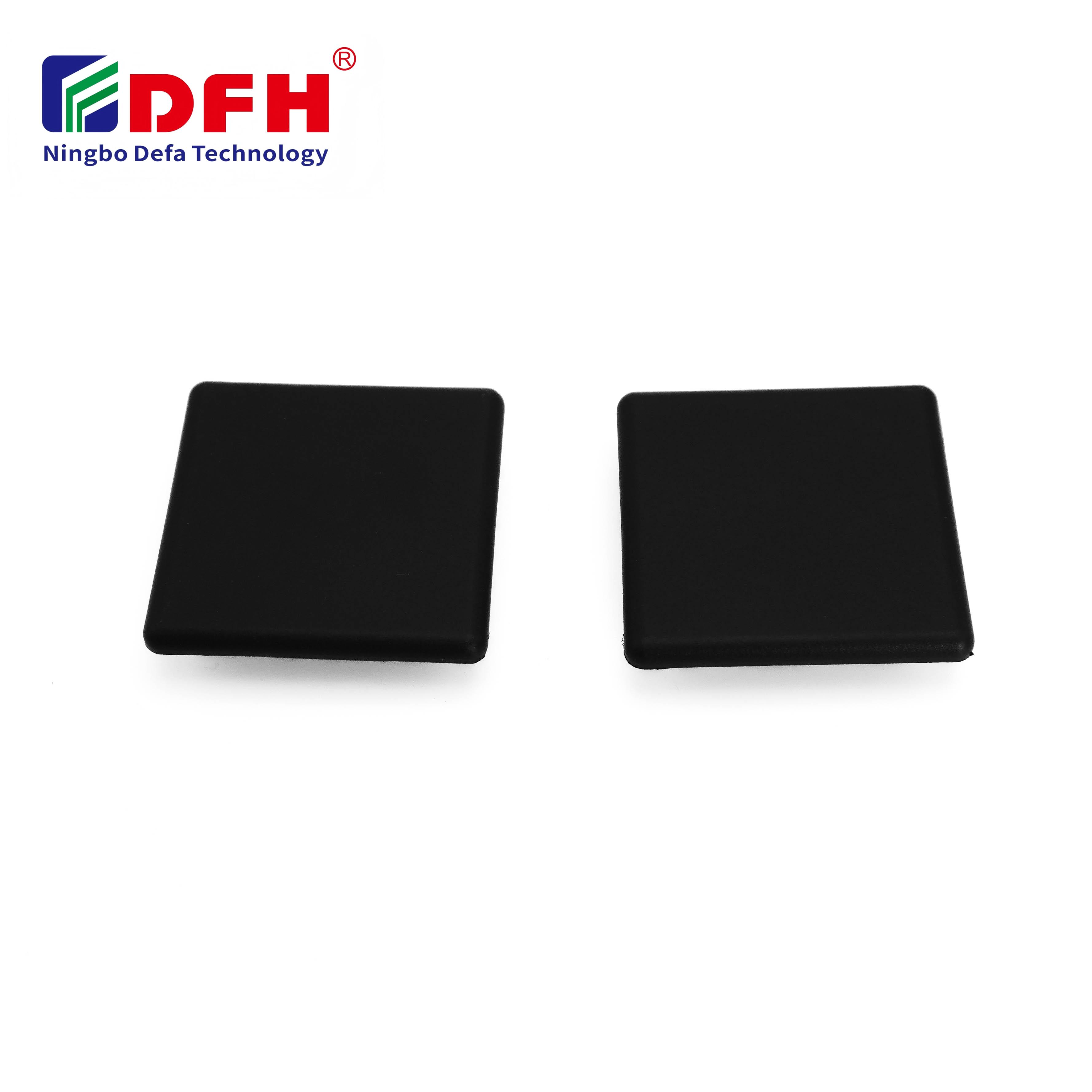
Safety standards governing end connectors represent a critical aspect of industrial equipment design and installation. End connectors serve as the vital interface where electrical and mechanical systems meet, making them subject to rigorous regulatory frameworks that vary by application, industry, and geographic region. Understanding which safety standards apply to your end connectors ensures compliance, reliability, and protection of equipment and personnel across manufacturing, automotive, aerospace, and telecommunications sectors.end connector safety standards
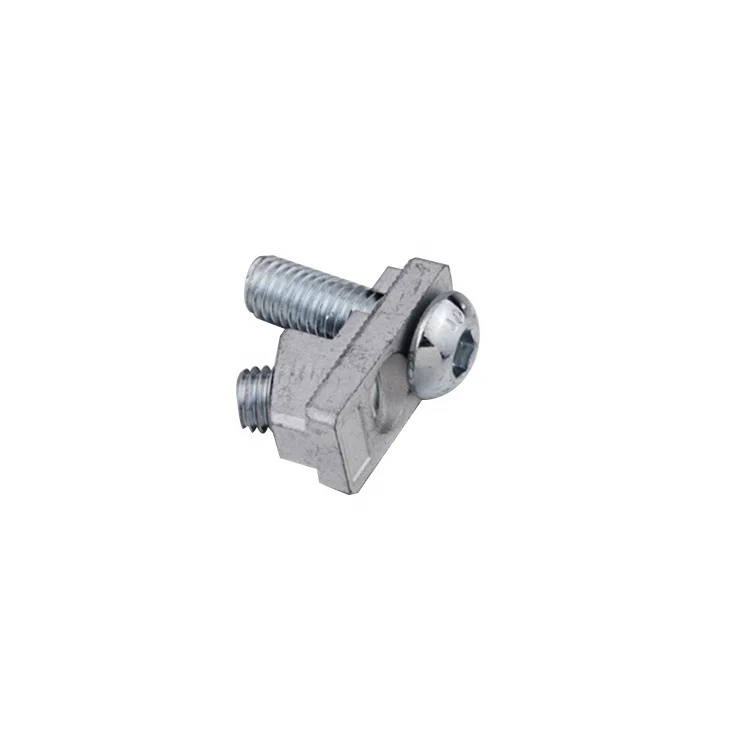
Cable end connectors and connector terminals must comply with established safety protocols before reaching the market. These standards address electrical safety, mechanical durability, environmental resistance, and compatibility across different systems. Whether you work in industrial automation, renewable energy, data centers, or heavy machinery, recognizing applicable safety standards prevents failures, reduces liability, and maintains operational integrity throughout the product lifecycle.
The International Electrotechnical Commission (IEC) and International Organization for Standardization (ISO) establish the primary safety frameworks for end connectors globally. IEC 60512 addresses general requirements and test procedures for electrical connectors and connection hardware used in electronic equipment. IEC 61076 series specifically covers connector safety for data and power applications, defining performance requirements for cable end connectors across voltage and current ratings.
ISO standards complement these requirements by addressing mechanical safety, environmental stress, and material composition. ISO 11572 covers fiber optic connectors, while ISO 6722 addresses automotive connector specifications. For industrial environments, ISO 9001 and ISO 14644 impose quality management and contamination control standards that directly impact connector terminal reliability and longevity in sensitive applications.
North American markets require compliance with UL (Underwriters Laboratories) standards and CSA (Canadian Standards Association) certifications for end connectors. UL 1059 and UL 1577 specifically govern connector safety for various voltage classifications. European Union regulations mandate CE marking and compliance with EN 60512 and EN 61076 equivalents, while China enforces CCC (China Compulsory Certification) requirements for electrical connectors destined for consumer and industrial markets.
Asian markets including Japan, South Korea, and India follow their own adapter standards while increasingly aligning with IEC specifications. The automotive industry worldwide follows ISO 13849 for safety of machinery and ISO 26262 for functional safety in electrical systems, making connector terminal compliance essential for vehicle integration and autonomous systems development.
Safety standards for end connectors establish maximum voltage and current ratings that connection hardware must withstand without degradation or failure. IEC 60512-9 and related test procedures define electrical strength requirements, insulation resistance measurements, and contact resistance thresholds that connector terminals must maintain under rated conditions. Cable end connectors rated for low voltage typically fall under 50 volts AC or 120 volts DC, while medium and high voltage applications require specialized designs meeting stricter isolation distances and material specifications.
Arc prevention and flash-over protection represent critical safety concerns addressed through standards governing contact spacing, creepage distances, and dielectric strength. Connector terminals must maintain electrical integrity during temperature cycling, moisture exposure, and mechanical stress to prevent dangerous fault conditions. Testing procedures verify that end connectors sustain rated electrical loads for minimum life cycles, typically 10,000 to 500,000 operations depending on application severity and industry classification.
Temperature rise limits for connector terminals during normal operation prevent insulation degradation and fire hazards. IEC 60512-8 specifies maximum allowable temperature increases above ambient conditions under rated current flow, typically 35°C to 45°C depending on connector classification. Cable end connectors must employ insulation materials rated for continuous operation temperature and include thermal protection mechanisms to prevent dangerous heat buildup in high-current applications.
Dielectric strength testing verifies that end connectors withstand high-voltage pulses without breakdown or arcing. These tests simulate worst-case fault conditions and ensure that connection hardware provides adequate electrical isolation between live conductors and grounded components. Moisture resistance standards mandate that connector terminals maintain electrical properties after humidity exposure, salt spray, and thermal cycling to ensure reliability in harsh industrial environments and outdoor installations.
Mechanical safety standards for end connectors address mating cycle durability, insertion force limits, and retention requirements that prevent accidental disconnection during operation. ISO 11572 and IEC 61076 define minimum durability cycles and mechanical stress tolerances for cable end connectors used in critical applications. Connector terminals must withstand specified mechanical loads without permanent deformation or contact degradation that could compromise electrical continuity or create fire hazards.
Pull-off force testing ensures that connection hardware maintains contact retention under vibration, thermal cycling, and mechanical shock typical in industrial machinery and transportation systems. Safety standards limit insertion and extraction forces to prevent user injury and equipment damage during routine maintenance and reconfiguration. Material compatibility and stress concentration analysis prevent brittle failure, corrosion-induced weakening, and loss of mechanical integrity over extended service periods.
Cable end connectors operating in corrosive environments require compliance with standards addressing material selection, protective coatings, and chemical resistance. IEC 60512-17 and related standards define environmental testing procedures including salt spray, humidity, and thermal shock exposure that connector terminals must survive without significant property loss. Industrial applications demand gold plating, nickel plating, or specialized alloys that resist oxidation, sulfur compounds, and moisture-induced corrosion in factory floors, marine installations, and chemical processing facilities.
UV resistance, flame retardancy, and halogen-free material requirements address safety concerns in enclosed spaces, aircraft cabins, and environments with personnel exposure risks. RoHS (Restriction of Hazardous Substances) compliance restricts lead, cadmium, and mercury content in end connectors, while REACH regulations mandate material transparency and chemical safety documentation. Connection hardware must maintain mechanical and electrical properties across temperature ranges from minus 40°C to plus 85°C or higher depending on application severity and geographic deployment locations.
The primary safety standards for industrial cable end connectors include IEC 60512 for general connector requirements, IEC 61076 for data and power applications, and regional standards such as UL 1059 in North America and EN 60512 in Europe. Automotive applications require ISO 26262 compliance for functional safety. Each standard addresses electrical ratings, mechanical durability, thermal limits, and environmental resistance to ensure end connectors perform safely across their rated operating conditions and lifecycle.
Connector terminals meet insulation and electrical safety requirements through material selection, precise geometry design, and rigorous testing protocols defined in IEC and ISO standards. Testing includes dielectric strength verification, insulation resistance measurement, and arc prevention assessment under worst-case fault conditions. Manufacturer compliance programs verify that connection hardware maintains electrical properties after humidity exposure, temperature cycling, and mechanical stress to ensure continued safety throughout product deployment.
North America requires UL and CSA certifications, the European Union mandates CE marking and EN standard compliance, China enforces CCC requirements, and other Asian markets follow regional adaptations of IEC standards. Automotive applications worldwide follow ISO 13849 and ISO 26262 standards regardless of geographic region. When selecting end connectors and connection hardware, verify compliance with all applicable regional requirements and industry-specific standards for your target markets and operational environments.
2026/09/30
Source aluminum profiles for versatile modular framing. Learn extrusion mechanics, strength benefits & corrosion resistance. Request details.
2026/09/30
Source aluminum profiles for construction projects. Learn structural framing, cladding & window benefits for maximum ROI. Download guide.
2026/09/30
Source optimal aluminum profile sizing techniques. Evaluate load, space, alloy, environment & cost factors to prevent deflection. Download guide.
2026/09/30
Struggling with fastener failures or rework? Master screw sizing by diameter, pitch, material, and load—plus industry-specific standards. Optimize reliability & compliance now.
2026/09/30
Source aluminum profiles for industrial engineering. Discover strength-to-weight ratios, corrosion resistance & 30% cost savings. Download guide.
2026/09/30
Source heat-resistant aluminum profile systems. Master thermal expansion science & stress management strategies for industrial builds. Download guide.