EN
EN
What is Aluminum Profile and How Does It Work?
2026/09/30
Source aluminum profiles for versatile modular framing. Learn extrusion mechanics, strength benefits & corrosion resistance. Request details.

2026/09/11
Renewable energy infrastructure depends on robust materials that can withstand environmental stress while maintaining structural integrity over decades. The Aluminum Profile has become fundamental to modern renewable energy systems, from solar photovoltaic installations to wind turbine components. These lightweight yet durable materials enable engineers to design efficient mounting structures, frames, and support systems that optimize energy generation while minimizing installation costs and maintenance overhead.
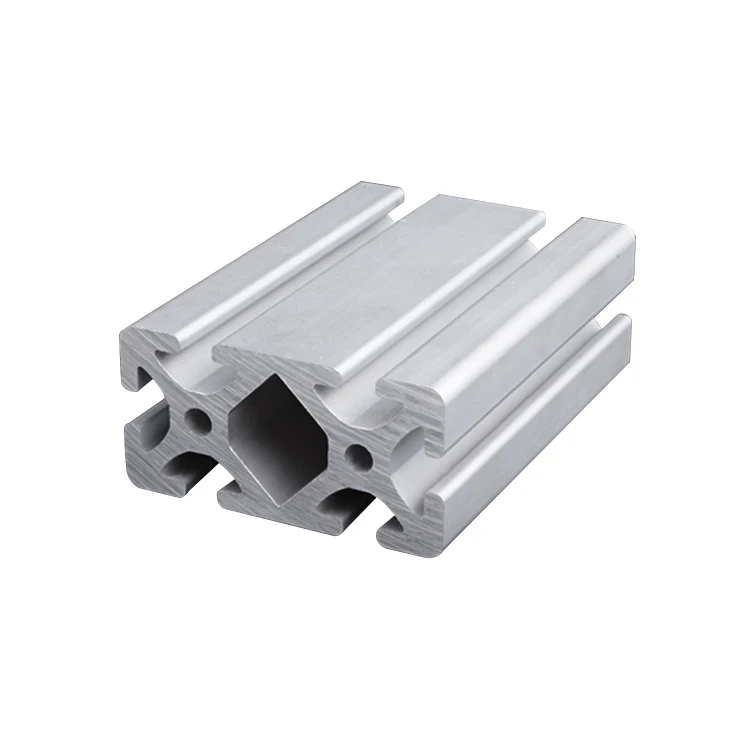
The role of aluminum extrusion and industrial aluminum components in renewable energy extends across multiple critical applications. Whether supporting solar panel arrays on residential rooftops or forming the backbone of utility-scale wind farm installations, aluminum structural framing delivers the strength-to-weight ratio necessary for cost-effective deployment. Understanding how these materials integrate into renewable energy systems reveals why aluminum has become the preferred choice for architects and engineers designing sustainable power solutions.
Solar installations require mounting systems that securely hold photovoltaic panels while allowing for thermal expansion and contraction across varying temperature ranges. Aluminum extrusion profiles provide the ideal solution, offering exceptional corrosion resistance without the weight penalties associated with steel. These industrial aluminum components are manufactured to precise tolerances, ensuring that arrays remain perfectly aligned and mechanically stable throughout their 25 to 30-year operational lifespan. The lightweight nature of aluminum structural framing simplifies installation logistics, reducing labor costs and accelerating project timelines on both residential and commercial properties.
Modern solar racking systems depend entirely on aluminum extrusion technology to create modular, adjustable frameworks that accommodate different roof pitches, orientations, and structural configurations. Engineers design these systems using aluminum profiles with integrated slot channels that allow for tool-free assembly and rapid field reconfiguration. The corrosion-resistant properties of anodized aluminum ensure that these industrial aluminum components perform reliably in coastal environments, humid climates, and regions with aggressive atmospheric conditions. Thermal conductivity characteristics of aluminum also help dissipate excess heat from panels, improving overall photovoltaic efficiency by maintaining optimal operating temperatures.
Wind turbines require lightweight framing systems that can support heavy generator units, gearboxes, and rotor assemblies while maintaining structural rigidity under dynamic loading conditions. Aluminum structural framing provides engineers with a material that weighs significantly less than steel alternatives while delivering comparable strength characteristics. Industrial aluminum components used in nacelle construction reduce the overall mass of wind turbine systems, directly improving energy efficiency by requiring less support structure and foundation reinforcement. The corrosion resistance of aluminum extrusion is particularly critical in offshore wind installations, where salt spray and humidity create aggressive environmental conditions that would rapidly degrade unprotected steel components.
Although modern wind turbine blades are primarily fiberglass composites, the internal support structures and component frames often incorporate aluminum profiles for reinforcement and modular integration. Aluminum extrusion enables manufacturers to create precision structural elements that align with composite materials while maintaining consistent mechanical properties across production batches. These industrial aluminum components facilitate efficient assembly processes and allow for future maintenance or component replacement without requiring comprehensive teardown of blade structures. The fatigue resistance of aluminum makes it particularly suitable for withstanding the cyclic loading patterns characteristic of wind turbine operation over multi-decade service lives.
Battery energy storage systems require aluminum structural framing to create robust enclosures that protect sensitive equipment while maintaining proper thermal management for optimal battery performance. Aluminum profiles offer superior thermal conductivity compared to other structural materials, enabling engineers to design frames that actively dissipate heat from battery modules and power conversion electronics. Industrial aluminum components are easily customized through extrusion processes to include cooling fins, cable routing channels, and equipment mounting surfaces in a single integrated profile design. This efficiency reduces manufacturing complexity and assembly time while improving system reliability by ensuring consistent thermal operating conditions.
Renewable energy systems increasingly require modular designs that enable capacity expansion and component replacement without disrupting entire installations. Aluminum extrusion profiles facilitate this modularity through standardized slot systems and adjustable mounting surfaces that accommodate different component sizes and configurations. Industrial aluminum components can be rapidly reconfigured using simple hand tools, allowing operators and maintenance technicians to adapt systems to changing energy demands or technology upgrades. The standardization of aluminum structural framing dimensions across the renewable energy industry promotes interoperability and encourages innovation in system design and performance optimization.
Aluminum offers superior corrosion resistance, exceptional strength-to-weight ratios, and lower lifecycle costs compared to steel. Industrial aluminum components require minimal maintenance and deliver reliable performance across 25 to 30-year operational periods. The lightweight nature of aluminum structural framing reduces installation labor and foundation requirements, directly lowering project capital expenditure while improving system accessibility for future maintenance and upgrades.
Aluminum extrusion manufacturing enables creation of standardized profiles with integrated slot channels that facilitate tool-free assembly and rapid field reconfiguration. These industrial aluminum components can be quickly modified or expanded without requiring specialized equipment or significant downtime. The modularity supported by aluminum profiles encourages renewable energy systems that scale with capacity demands and adapt to technological improvements without requiring complete system replacement.
Aluminum exhibits excellent thermal conductivity, allowing industrial aluminum components to effectively dissipate heat generated by battery modules and power electronics. Engineers design aluminum profiles with integrated cooling fins and optimized geometry that actively manages thermal environments, extending battery lifespan and maintaining peak system efficiency. The combination of structural strength and thermal management capability makes aluminum extrusion the optimal choice for energy storage enclosure design in renewable energy applications.
2026/09/30
Source aluminum profiles for versatile modular framing. Learn extrusion mechanics, strength benefits & corrosion resistance. Request details.
2026/09/30
Source aluminum profiles for construction projects. Learn structural framing, cladding & window benefits for maximum ROI. Download guide.
2026/09/30
Source optimal aluminum profile sizing techniques. Evaluate load, space, alloy, environment & cost factors to prevent deflection. Download guide.
2026/09/30
Struggling with fastener failures or rework? Master screw sizing by diameter, pitch, material, and load—plus industry-specific standards. Optimize reliability & compliance now.
2026/09/30
Source aluminum profiles for industrial engineering. Discover strength-to-weight ratios, corrosion resistance & 30% cost savings. Download guide.
2026/09/30
Source heat-resistant aluminum profile systems. Master thermal expansion science & stress management strategies for industrial builds. Download guide.