EN
EN
What is Aluminum Profile and How Does It Work?
2026/09/30
Source aluminum profiles for versatile modular framing. Learn extrusion mechanics, strength benefits & corrosion resistance. Request details.

2026/09/15
Selecting the right materials for your pipe rack system is one of the most critical decisions in industrial infrastructure planning. The materials you choose directly influence the system's durability, maintenance costs, safety performance, and operational lifespan. A well-designed industrial piping support structure must withstand environmental pressures, thermal stress, corrosion, and mechanical vibration while maintaining structural integrity over decades of continuous operation. Whether you are retrofitting an existing facility or designing a new one, understanding the material options available will help you optimize performance and minimize unexpected failures.
This guide explores the most effective materials used in pipe rack system construction, examining how each option performs under industrial conditions. From carbon steel to stainless steel, aluminum alloys to reinforced composites, each material brings distinct advantages and limitations. By examining real-world applications, environmental factors, and engineering requirements, you will gain actionable insights to make informed material selections for your modular pipeline framework or heavy-duty pipe support installation project.
Carbon steel remains the industry standard for most pipe rack system applications because of its exceptional strength-to-weight ratio and proven performance under extreme loads. An industrial piping support structure fabricated from carbon steel can support multiple pipe runs carrying heavy fluids, gases, or steam without significant deflection. The material's ability to handle tensile stresses exceeding 50,000 psi makes it ideal for high-pressure applications where safety margins are non-negotiable. Carbon steel's consistent mechanical properties across temperature ranges from subzero to elevated temperatures ensure reliable performance in diverse climates and industrial environments.
Carbon steel offers the most economical solution for constructing modular pipeline framework systems across large industrial campuses. Raw material costs remain stable and competitive because of the global supply chain, and fabrication expertise is widely available among structural steel contractors. Heavy-duty pipe support installation projects typically benefit from reduced engineering costs, faster construction timelines, and readily available replacement components when maintenance becomes necessary. However, carbon steel requires protective coatings or regular maintenance to prevent rust and corrosion, especially in humid, coastal, or chemically aggressive environments.
Stainless steel excels in applications where corrosion resistance is paramount, particularly in chemical processing plants, pharmaceutical facilities, and offshore installations. The chromium content in stainless steel forms a passive oxide layer that continuously self-heals, preventing rust formation even when the surface is scratched or exposed to moisture. An industrial piping support structure constructed from stainless steel eliminates the need for paint systems, cathodic protection, or frequent maintenance cycles, resulting in lower total lifecycle costs despite higher initial material expenses. For pipe rack system designs in salt-spray environments or facilities handling corrosive media, stainless steel often becomes the only practical choice.
Stainless steel components in a modular pipeline framework can maintain structural integrity for 50 years or longer without significant degradation, provided they are installed correctly and inspected periodically. The elimination of painting and coating maintenance reduces operational downtime and improves workplace safety by removing hazardous coating compounds from the environment. Heavy-duty pipe support installation crews benefit from simplified maintenance protocols, as stainless steel requires only periodic cleaning rather than repainting or recoating. The higher upfront cost is typically recovered through reduced maintenance labor, extended service life, and improved operational continuity.
Aluminum alloys offer significant weight reduction compared to steel, making them valuable for pipe rack system installations where foundation capacity is limited or where mobility is advantageous. In facilities with older structural foundations that cannot support additional weight, aluminum-based industrial piping support structures allow for pipe consolidation without reinforcing the underlying infrastructure. Aluminum's natural corrosion resistance through anodizing further reduces maintenance requirements in certain environments. However, aluminum exhibits lower strength density than steel, requiring larger cross-sectional members to achieve equivalent load capacity, which can increase fabrication complexity and material costs.
Advanced composite materials, including fiber-reinforced polymers, are emerging for specialized modular pipeline framework applications where electrical isolation or extreme weight reduction is critical. These materials excel in facilities requiring non-conductive support structures or where conventional metals introduce electromagnetic interference. A heavy-duty pipe support installation incorporating composite elements can achieve significant weight savings and eliminate galvanic corrosion concerns when combined with steel or aluminum. Despite higher material costs and specialized fabrication requirements, composites are increasingly specified for offshore platforms, pharmaceutical facilities, and high-precision laboratories where their unique properties justify the investment.
Coastal and marine environments demand careful material selection for pipe rack system installations because salt-laden moisture accelerates corrosion of unprotected carbon steel. Stainless steel, particularly marine-grade variants with higher molybdenum content, withstands these aggressive conditions without degradation, making it the preferred choice for offshore drilling facilities and waterfront refineries. For inland facilities in temperate climates, carbon steel with appropriate protective coatings delivers adequate performance at lower cost. Industrial piping support structure designers must evaluate local humidity levels, precipitation patterns, and chemical exposure before finalizing material specifications.
Extreme temperature fluctuations create thermal stress that can compromise weaker materials or poorly designed modular pipeline framework systems. Carbon steel maintains consistent properties across a wide temperature range, making it suitable for applications involving cryogenic liquids or high-temperature steam. Aluminum becomes brittle at extremely low temperatures, limiting its use in LNG facilities unless specialized alloys are specified. A properly engineered heavy-duty pipe support installation accounts for differential thermal expansion between the support structure and the pipes it carries, using expansion joints and flexible connections to accommodate movement without inducing excessive stress.
Carbon steel remains the most widely used material for pipe rack system construction because of its excellent strength, affordability, and proven performance across diverse industrial applications. Approximately 70 percent of industrial piping support structures globally are fabricated from carbon steel, though this percentage varies significantly by industry and geographic region. When budget constraints are primary and corrosion risk is moderate, carbon steel with protective coatings delivers reliable service for decades. However, specific applications such as chemical processing or marine environments may require stainless steel or other specialized materials despite the higher initial investment.
Corrosion prevention strategies for a modular pipeline framework include protective coatings, regular maintenance schedules, material selection, and environmental controls. For carbon steel pipe rack systems, multi-layer paint systems combined with surface preparation according to SSPC standards provide reliable protection for 10 to 15 years before recoating becomes necessary. Stainless steel eliminates most corrosion concerns but requires periodic cleaning to maintain appearance and remove chlorides in marine environments. Installing drain holes, ventilation gaps, and moisture-control measures throughout the heavy-duty pipe support installation minimizes water accumulation and extends material life significantly.
Aluminum can replace steel in specific pipe rack system applications where weight reduction is essential and load requirements remain moderate, but direct substitution is rarely practical. An industrial piping support structure built from aluminum requires larger cross-sections to achieve equivalent strength, which may increase material and fabrication costs. Aluminum excels in facilities requiring weight-sensitive designs, such as those with foundation constraints or where a modular pipeline framework must be reconfigured frequently. However, for high-load, long-span heavy-duty pipe support installation projects, carbon steel or stainless steel typically provides superior cost-effectiveness and proven long-term reliability.
2026/09/30
Source aluminum profiles for versatile modular framing. Learn extrusion mechanics, strength benefits & corrosion resistance. Request details.
2026/09/30
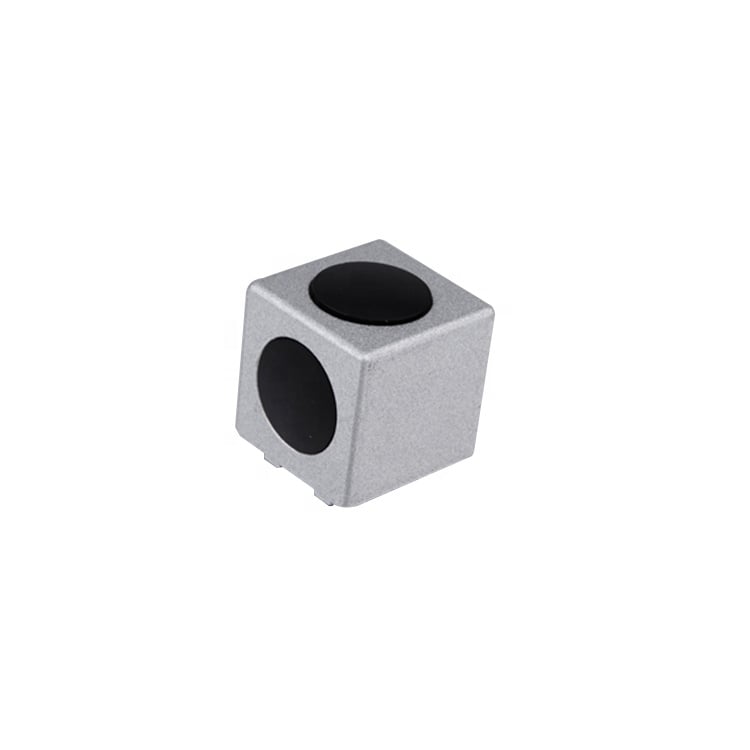
Source aluminum profiles for construction projects. Learn structural framing, cladding & window benefits for maximum ROI. Download guide.
2026/09/30
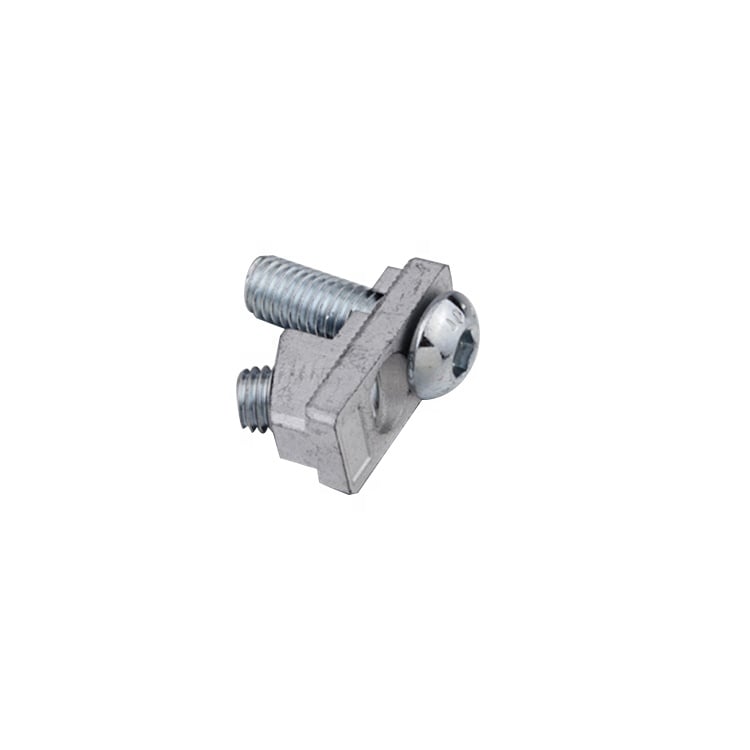
Source optimal aluminum profile sizing techniques. Evaluate load, space, alloy, environment & cost factors to prevent deflection. Download guide.
2026/09/30
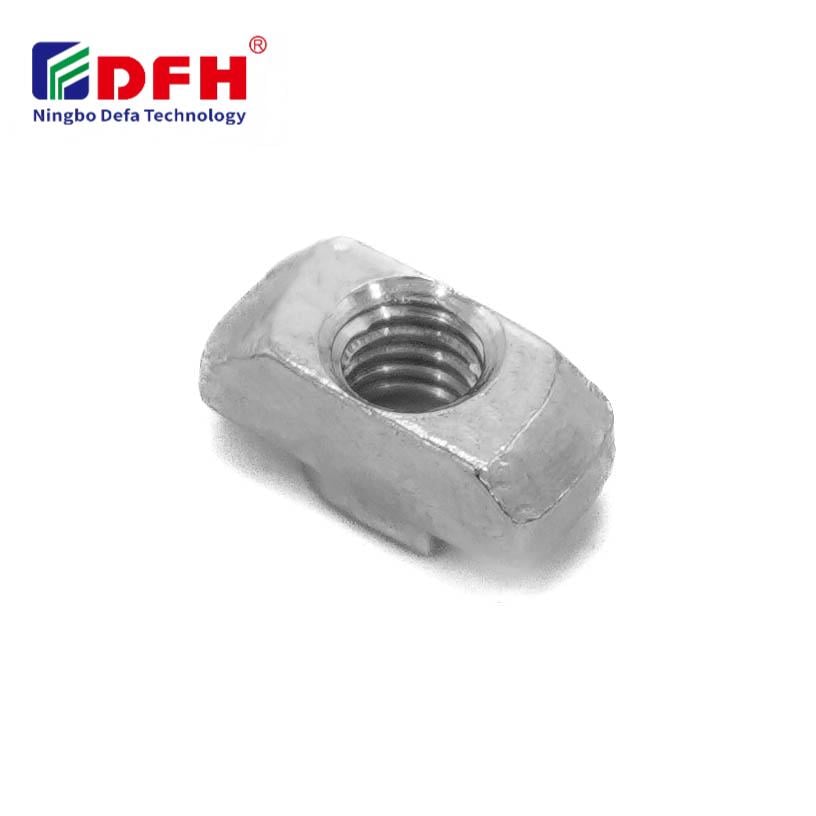
Struggling with fastener failures or rework? Master screw sizing by diameter, pitch, material, and load—plus industry-specific standards. Optimize reliability & compliance now.
2026/09/30
Source aluminum profiles for industrial engineering. Discover strength-to-weight ratios, corrosion resistance & 30% cost savings. Download guide.
2026/09/30
Source heat-resistant aluminum profile systems. Master thermal expansion science & stress management strategies for industrial builds. Download guide.