EN
EN
What is Aluminum Profile and How Does It Work?
2026/09/30
Source aluminum profiles for versatile modular framing. Learn extrusion mechanics, strength benefits & corrosion resistance. Request details.

2026/09/02
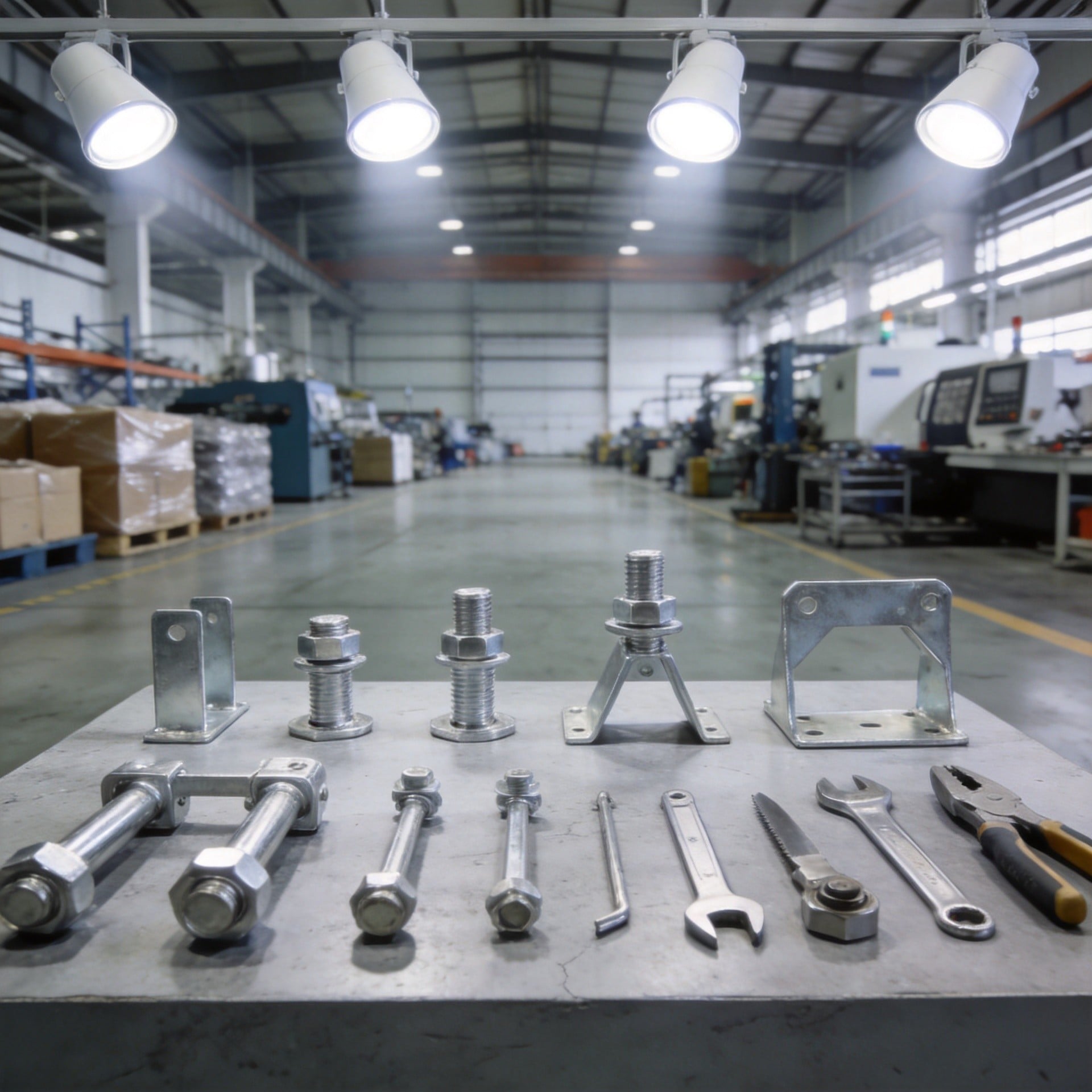
A Pipe Rack System is a fundamental infrastructure component in industrial facilities, refineries, petrochemical plants, and power generation stations. Understanding the materials used in these systems is essential for facility managers, engineers, and procurement professionals who need to ensure durability, safety, and long-term operational reliability. Material selection directly impacts system performance, maintenance costs, and environmental resistance in demanding industrial environments.
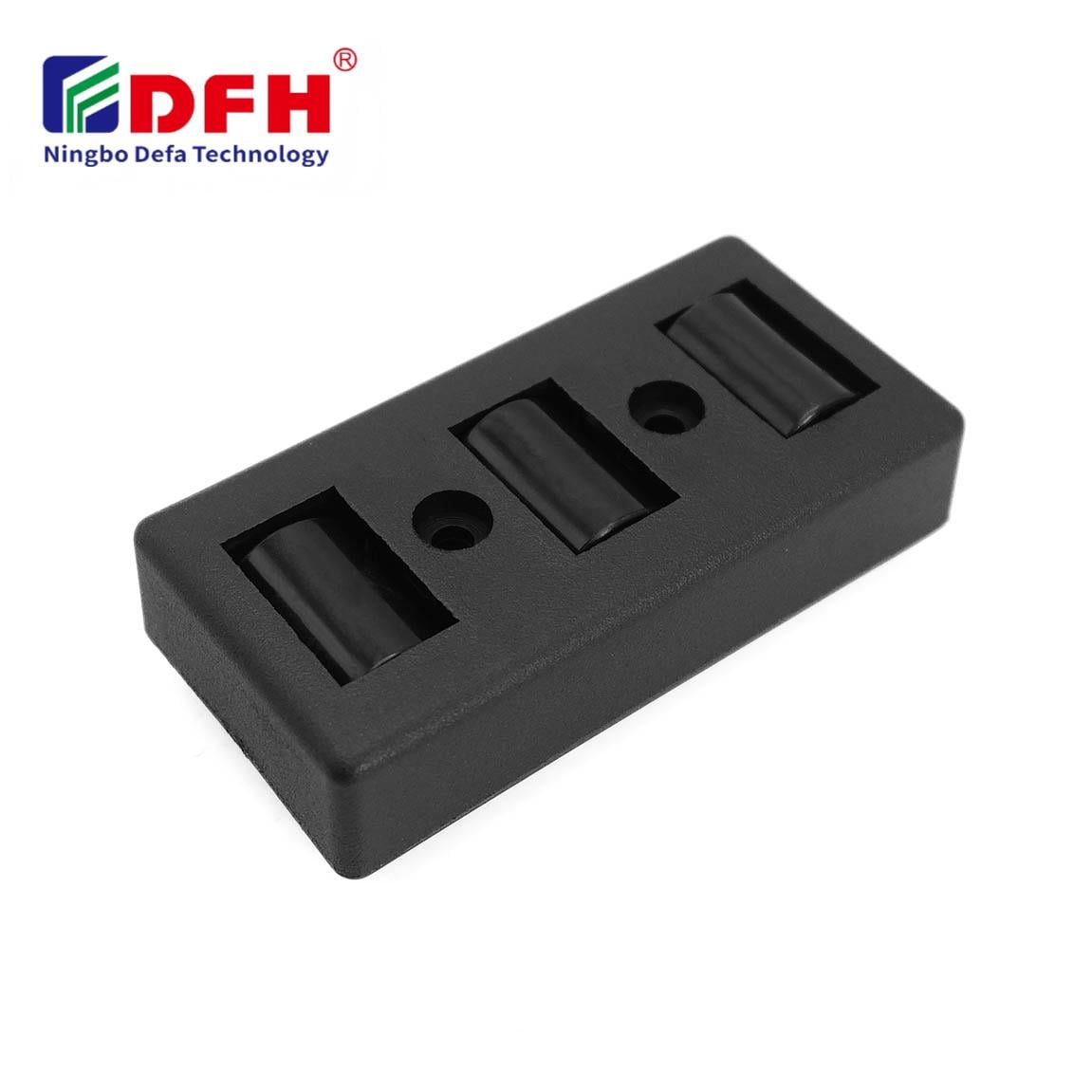
The construction of a modern industrial pipe support structure depends on material properties such as strength-to-weight ratio, corrosion resistance, thermal stability, and fabrication ease. Different applications demand different material combinations, from carbon steel frameworks to stainless steel fasteners and specialized coatings. This guide explores the primary materials used in pipe rack systems and explains why each material is selected for specific operational contexts.
Carbon steel remains the most widely used material in heavy-duty pipe mounting solutions due to its excellent strength, affordability, and availability. ASTM A36 and ASTM A500 grade carbon steel are industry standards for structural members, offering high tensile strength suitable for supporting substantial pipe loads. Carbon steel's workability allows engineers to design complex geometries, weld connections, and create modular piping frameworks that adapt to diverse facility layouts.
However, carbon steel requires protective coatings to resist corrosion in humid, coastal, or chemically aggressive environments. Hot-dip galvanizing, epoxy primers, and polyurethane topcoats are applied to extend the service life of carbon steel pipe rack systems. For indoor, climate-controlled facilities, standard paint systems provide adequate protection at lower cost, making carbon steel an economical choice for many industrial applications.
Stainless steel is essential in pipe rack systems where corrosion resistance takes priority over material cost. Grade 304 and Grade 316 stainless steel are commonly used for fasteners, hangers, and exposed framework in coastal refineries, pharmaceutical plants, and food processing facilities. Stainless steel's natural chromium oxide layer prevents rust formation without additional coatings, eliminating maintenance-intensive repainting cycles associated with carbon steel components.
While stainless steel commands higher material costs, its reduced maintenance requirements and extended service life justify the investment in corrosive environments. Modular piping frameworks incorporating stainless steel fasteners and connection points experience fewer failures and require less frequent inspections compared to carbon steel alternatives. For critical applications where downtime carries significant operational penalties, stainless steel delivers long-term value despite initial capital expenditure.
An industrial pipe support structure integrates elastomer materials for vibration isolation and pipe protection. Rubber and neoprene pads are placed between pipes and structural supports to dampen vibrations, reduce noise transmission, and prevent contact-induced wear on pipe surfaces. These elastomer materials are engineered to withstand thermal cycles, UV exposure, and chemical exposure typical in industrial environments.
Fiberglass-reinforced composites are increasingly used in specific pipe support components where weight reduction and non-conductive properties are advantageous. Composite materials resist corrosion inherently and require minimal maintenance, making them attractive for facilities seeking to reduce operational overhead. These materials excel in piping applications where electrical isolation is necessary or where lightweight assemblies simplify installation and relocation procedures.
Bolts, nuts, and welding materials form the critical connections within any heavy-duty pipe mounting solution. ASTM A325 and ASTM A490 fasteners are standard choices, offering high strength and reliability in demanding applications. Stainless steel bolts prevent galvanic corrosion when used with galvanized structural members, extending system longevity in mixed-material assemblies.
Welding consumables, including flux-core and solid wire electrodes, must match the base metal composition to ensure joint integrity and prevent premature failure. E7018 electrodes are typical for carbon steel construction, while E308 or E316 electrodes are required for stainless steel welds. Proper weld quality directly affects the structural reliability of the entire industrial pipe support structure, making material specification and welder qualification essential quality controls.
Hot-dip galvanizing is the predominant corrosion protection method for carbon steel pipe rack systems in outdoor or aggressive chemical environments. The zinc layer creates a physical barrier and provides cathodic protection, healing minor scratches through zinc migration. A typical galvanized coating averages 2 to 4 mils in thickness, providing 20 to 50 years of service life depending on environmental severity.
Epoxy and polyurethane coating systems provide enhanced protection and customizable aesthetics for facilities requiring specific color standards or extreme environmental resistance. These multi-layer coating systems offer superior chemical resistance compared to galvanizing alone, making them suitable for petrochemical plants and facilities handling corrosive fluids. The modular piping framework benefits from these advanced coatings by maintaining structural integrity through extended facility lifespans.
In high-temperature applications, pipe rack systems incorporate refractory and insulation materials to manage thermal stress and protect nearby structures. Calcium silicate boards, mineral wool, and ceramic fiber blankets insulate hot pipe runs while minimizing heat transfer to structural supports. These thermal materials preserve the mechanical properties of carbon steel and fasteners by limiting temperature exposure to safe operating ranges.
Stainless steel cladding is sometimes applied to structural supports in extreme-temperature environments where thermal gradients could compromise joint connections or fastener materials. This layered approach to material selection ensures that each component operates within its designed temperature and stress envelope, maximizing reliability and minimizing unexpected failures in critical industrial applications.
Carbon steel is the most common material for pipe rack systems because it offers excellent strength, cost-effectiveness, and ease of fabrication. ASTM A36 and ASTM A500 carbon steel provide the structural capacity needed to support heavy pipe loads in most industrial environments. With appropriate protective coatings, carbon steel pipe rack systems deliver reliable performance for decades, making them the default choice for budget-conscious facility managers and engineering teams.
Stainless steel is selected for industrial pipe support structures when corrosion resistance is critical and maintenance budgets are generous. Coastal facilities, petrochemical plants, and food processing facilities benefit from stainless steel's natural corrosion immunity and reduced maintenance requirements. Although material costs are higher, the elimination of periodic repainting and reduced inspection cycles justify the investment in harsh or chemical-rich environments where carbon steel would require extensive upkeep.
Protective coatings such as hot-dip galvanizing and epoxy systems create physical barriers that prevent moisture and corrosive chemicals from reaching the underlying carbon steel. Hot-dip galvanizing provides both barrier protection and cathodic protection, allowing self-healing of minor scratches. Multi-layer epoxy and polyurethane systems offer superior chemical resistance for specialized industrial environments. These coatings add 20 to 50+ years of additional service life, making them essential investments for outdoor or chemically aggressive installations.
2026/09/30
Source aluminum profiles for versatile modular framing. Learn extrusion mechanics, strength benefits & corrosion resistance. Request details.
2026/09/30
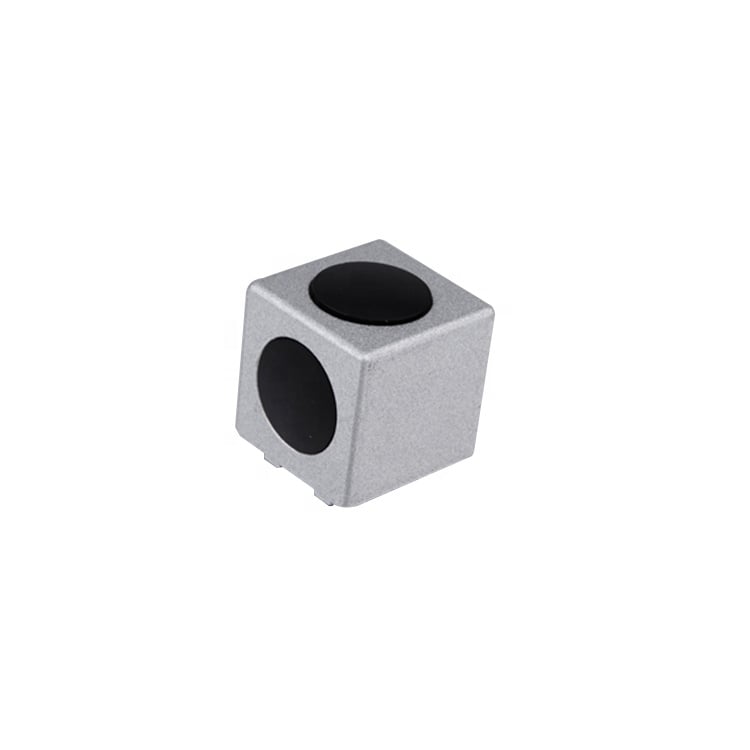
Source aluminum profiles for construction projects. Learn structural framing, cladding & window benefits for maximum ROI. Download guide.
2026/09/30
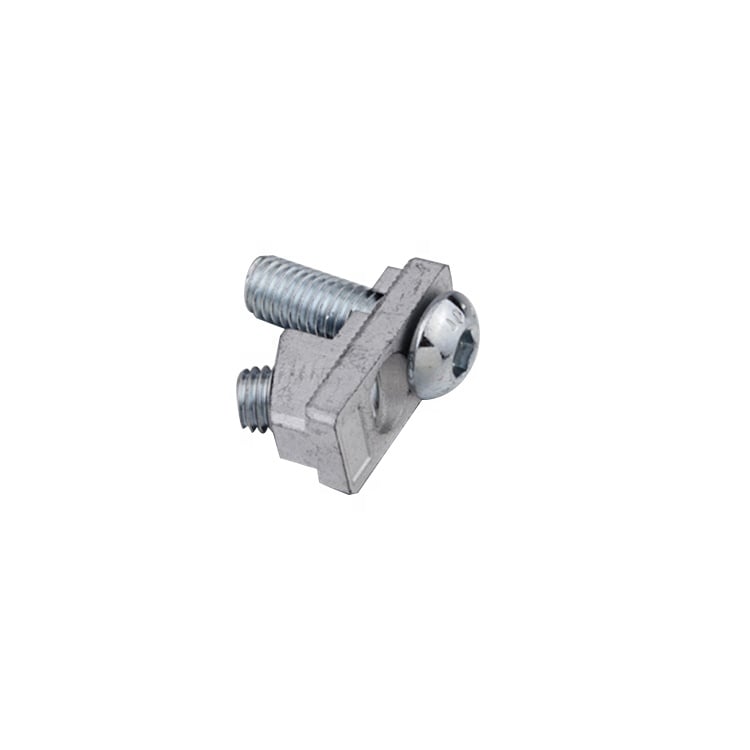
Source optimal aluminum profile sizing techniques. Evaluate load, space, alloy, environment & cost factors to prevent deflection. Download guide.
2026/09/30
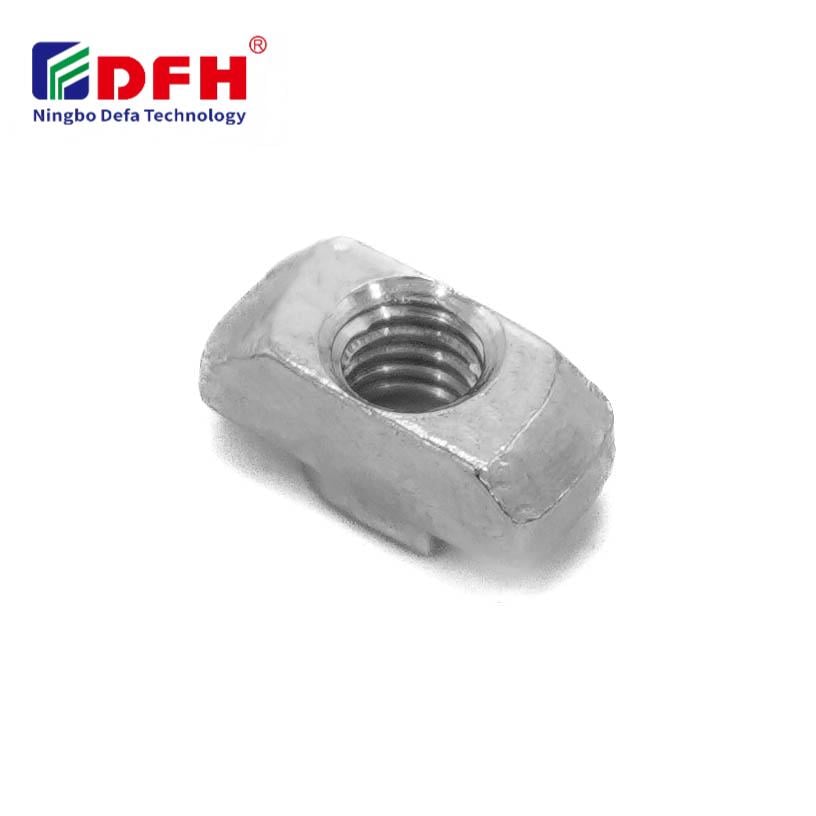
Struggling with fastener failures or rework? Master screw sizing by diameter, pitch, material, and load—plus industry-specific standards. Optimize reliability & compliance now.
2026/09/30
Source aluminum profiles for industrial engineering. Discover strength-to-weight ratios, corrosion resistance & 30% cost savings. Download guide.
2026/09/30
Source heat-resistant aluminum profile systems. Master thermal expansion science & stress management strategies for industrial builds. Download guide.