EN
EN
What is Aluminum Profile and How Does It Work?
2026/09/30
Source aluminum profiles for versatile modular framing. Learn extrusion mechanics, strength benefits & corrosion resistance. Request details.
2026/09/01
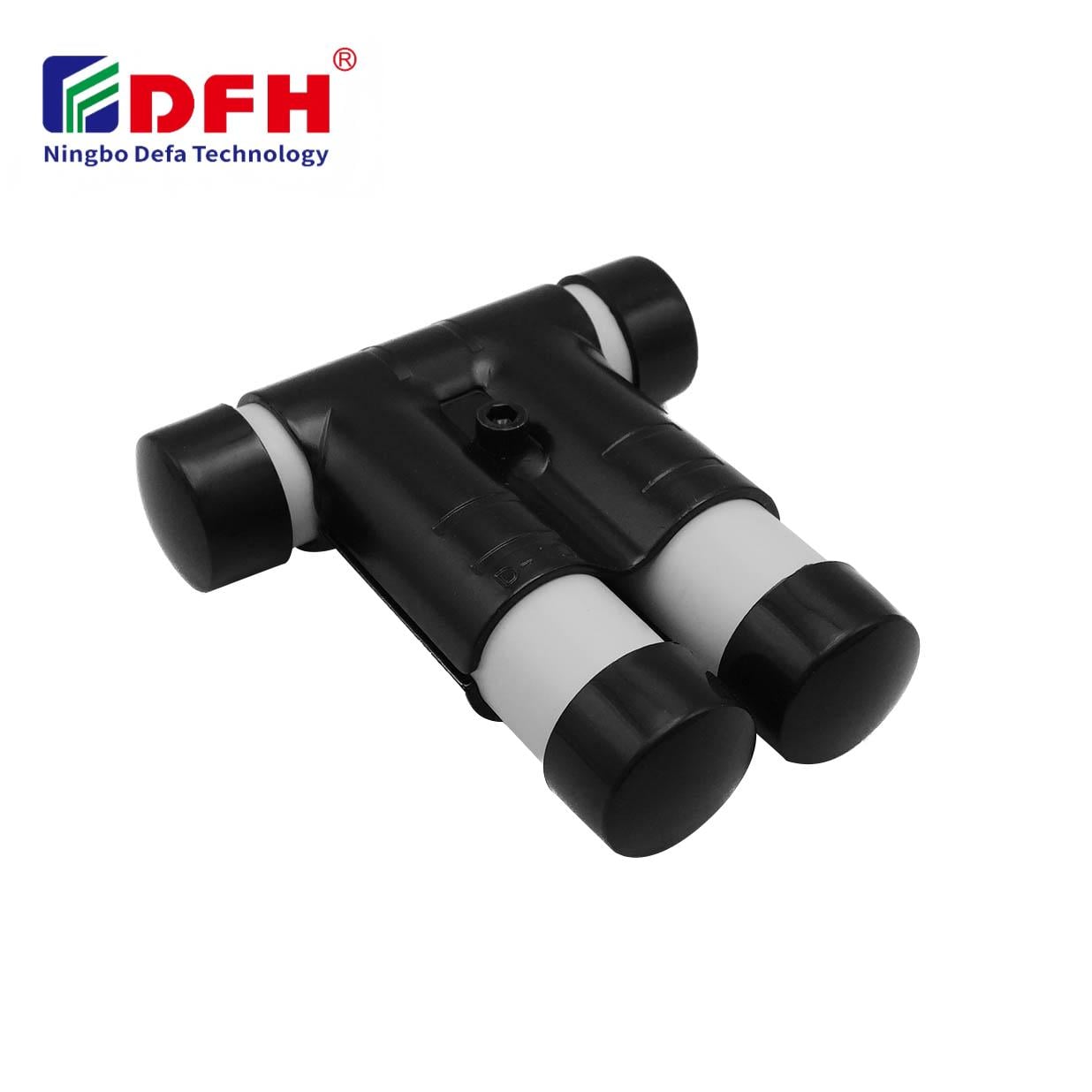
Extending the lifespan of a Pipe Rack System requires a strategic approach to maintenance that balances routine inspection, preventive measures, and timely intervention. Industrial operations depend on robust pipe support structures to handle demanding conditions, vibration, thermal stress, and exposure to harsh environments. Without proper care, even the most durable pipe rack systems deteriorate faster than expected, leading to costly repairs, production downtime, and safety risks. This guide explores the maintenance practices that keep your industrial pipe support structure performing reliably for decades.
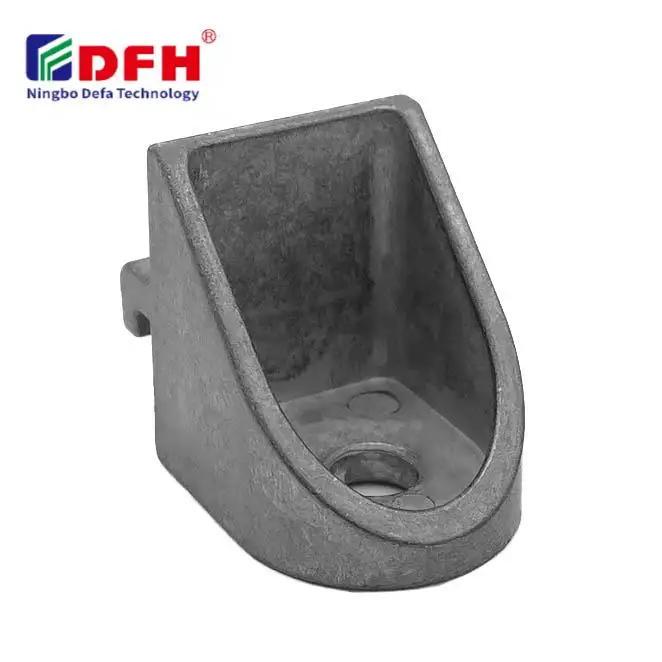
A well-maintained modular piping framework protects your investment and ensures safe, uninterrupted operations. The practices outlined here address corrosion management, structural integrity checks, bolt tightness verification, and environmental adaptations. Whether your installation uses a heavy-duty pipe mounting solution in coastal, industrial, or temperature-extreme settings, consistent maintenance extends system life by years while reducing unexpected failures and emergency repairs.
Corrosion is the primary enemy of any industrial pipe support structure exposed to moisture, salt air, or chemical environments. Protective coatings on your Pipe Rack System degrade over time due to UV exposure, weathering, and mechanical wear. Regular inspection at least twice yearly helps identify areas where paint or protective finish has chipped, flaked, or worn thin. Early detection prevents rust formation beneath the coating surface, which accelerates structural weakening.
When recoating is needed, surface preparation is critical. Blast cleaning to bare metal or near-white condition removes all loose rust, scale, and old paint. Apply a corrosion-inhibiting primer followed by a topcoat suitable for your environment. For a heavy-duty pipe mounting solution in offshore or coastal zones, consider epoxy or polyurethane systems rated for marine service. For industrial inland locations, polyester or acrylic finishes may suffice. Document all coating applications and their expected service life to plan future maintenance cycles.
The material composition of your modular piping framework directly affects maintenance demands. Standard carbon steel requires more frequent attention than galvanized or stainless alternatives. Galvanization adds a sacrificial zinc layer that protects steel even after minor damage. Stainless steel resists corrosion passively but costs more upfront. Assess your environment when specifying or upgrading materials. A Pipe Rack System in a chemical plant or near saltwater benefits from stainless cladding or dual-layer protection. In moderate industrial settings, galvanized components reduce maintenance labor without excessive cost.
Vibration from operating equipment, thermal cycling, and equipment movement cause bolts and fasteners to gradually loosen. A loose bolt connection in your industrial pipe support structure creates micro-gaps that promote corrosion and reduce load capacity. Establish a quarterly bolt-check schedule using torque wrenches or ultrasonic tension measurement to verify that critical fasteners remain within specification. Prioritize bolts in load-bearing joints, pipe clamp attachments, and bracing members. Replace any bolt showing corrosion, deformation, or stress damage.
Use stainless steel or galvanized fasteners when replacing bolts to minimize future rust seizing. Thread-locking compounds rated for your service temperature can prevent unintended loosening on non-critical connections. A heavy-duty pipe mounting solution installed in high-vibration environments may benefit from nylon-insert lock nuts or spring washers to enhance fastener retention. Maintain a spare inventory of common bolts, nuts, and washers to enable rapid replacement without production delays.
Welds are potential failure points where stress concentrations develop and fatigue cracks initiate. Visual inspection combined with periodic dye-penetrant or magnetic-particle testing identifies subsurface defects before they become critical. Schedule weld inspections annually for heavily loaded members and every two years for standard applications. Focus on welds at beam connections, column base plates, and any areas showing visible damage or excessive corrosion.
If cracks are detected in your modular piping framework, stop loading that member immediately and arrange professional repair. Small cracks can be ground out and re-welded by certified technicians. Large cracks or cracks in primary load paths may require component replacement. Documentation of all crack repairs helps establish the maintenance history and informs future inspection intervals.
Water accumulation inside channels, hollow sections, or horizontal members accelerates internal corrosion and reduces structural performance. Ensure all drainage holes remain clear and functional throughout the year. In regions with heavy rainfall or snowfall, inspect the Pipe Rack System after winter thaw to identify areas where ice melt or pooled water caused damage. Install or restore drain plugs and weep holes to channels and enclosed profiles. A well-designed industrial pipe support structure includes sloped surfaces and properly positioned drain points to minimize standing water.
Seasonal maintenance includes clearing debris, fallen leaves, and sediment from horizontal surfaces and gutter-like areas. Vegetation growth around member bases can trap moisture and promote localized corrosion. Trim back plants and apply preventive fungicide if mold or algae growth appears. In marine environments, regularly rinse the heavy-duty pipe mounting solution with fresh water to remove salt residue that accelerates corrosion.
Temperature fluctuations cause metal to expand and contract. Your Pipe Rack System must accommodate this movement without developing excessive stresses at connection points. Verify that expansion joints, sliding bearings, or articulated supports function freely and do not bind. Over time, these components can seize due to corrosion or debris accumulation. Regular cleaning and lubrication with appropriate grease or oil keeps them mobile. Check that pipe clamps holding the modular piping framework allow proper axial movement when thermal loads occur. Clamps that prevent movement can cause ripple or buckle failures in connected piping.
In regions experiencing extreme temperature swings, adjust maintenance frequency seasonally. Spring and fall inspections should focus on checking fastener tightness and coating integrity before summer heat or winter freeze cycles stress the structure. Document temperature ranges and observed movement patterns to refine maintenance planning and predict when major repairs or upgrades may be needed.
Most industrial applications benefit from quarterly visual inspections, semi-annual detailed examinations including bolt checks and coating assessment, and annual professional-level inspections such as weld or crack detection testing. Coastal and chemical environments may require monthly inspections. Document all inspections to track deterioration rates and adjust intervals based on findings.
Watch for visible cracks, severe corrosion with pitting or thickness loss, loose bolts that cannot be re-tightened, deformation or sagging of members, and water pooling or drainage failures. Any of these conditions compromise safety and load capacity. Stop using that section and arrange immediate professional evaluation and repair before resuming normal operation.
Yes significantly. Regular inspection, timely coating touch-ups, and fastener maintenance prevent catastrophic failures that trigger emergency repairs, extended downtime, and potential safety incidents. A modular piping framework receiving consistent care operates reliably for 30+ years with planned, budgeted maintenance. Neglected systems often fail unexpectedly within 15 years, requiring expensive replacement and production loss that dwarfs preventive maintenance costs.
2026/09/30
Source aluminum profiles for versatile modular framing. Learn extrusion mechanics, strength benefits & corrosion resistance. Request details.
2026/09/30
Source aluminum profiles for construction projects. Learn structural framing, cladding & window benefits for maximum ROI. Download guide.
2026/09/30
Source optimal aluminum profile sizing techniques. Evaluate load, space, alloy, environment & cost factors to prevent deflection. Download guide.
2026/09/30
Struggling with fastener failures or rework? Master screw sizing by diameter, pitch, material, and load—plus industry-specific standards. Optimize reliability & compliance now.
2026/09/30
Source aluminum profiles for industrial engineering. Discover strength-to-weight ratios, corrosion resistance & 30% cost savings. Download guide.
2026/09/30
Source heat-resistant aluminum profile systems. Master thermal expansion science & stress management strategies for industrial builds. Download guide.