EN
EN
What is Aluminum Profile and How Does It Work?
2026/09/30
Source aluminum profiles for versatile modular framing. Learn extrusion mechanics, strength benefits & corrosion resistance. Request details.

2026/09/30
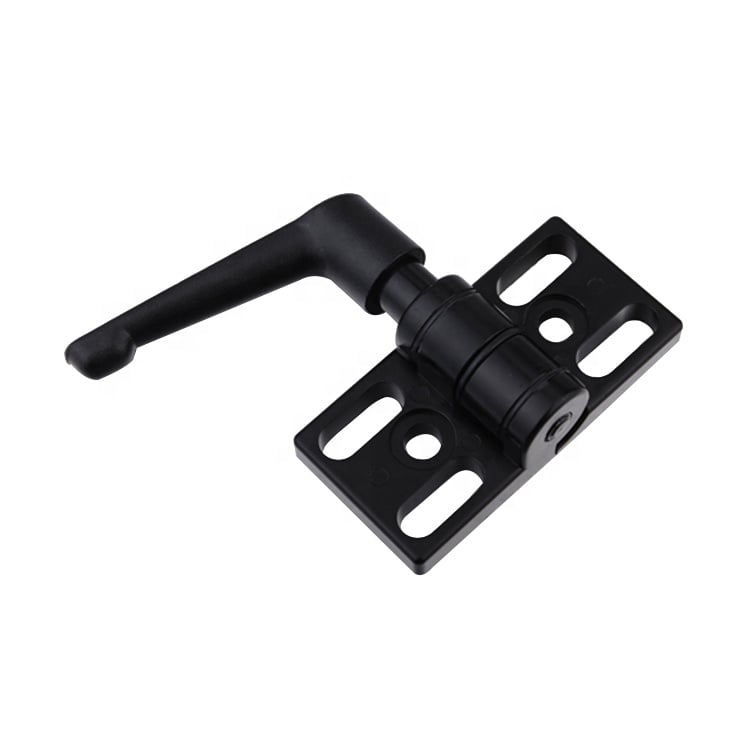
An Aluminum Profile represents a critical structural and functional component across manufacturing, construction, and industrial applications. Understanding what maintenance these profiles require ensures long-term durability, optimal performance, and extended service life. Proper care prevents corrosion, maintains structural integrity, and protects your investment in aluminum frame systems.
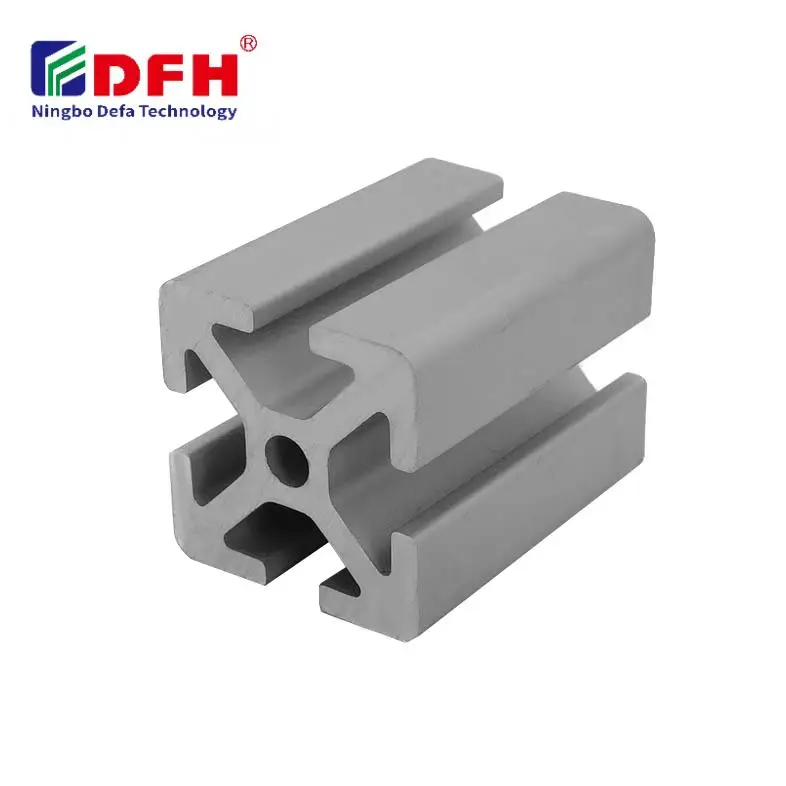
Extruded aluminum profiles are engineered to withstand diverse environmental conditions, yet they benefit significantly from routine maintenance practices. Whether your industrial aluminum extrusions operate in coastal, urban, or industrial environments, a systematic approach to cleaning, inspection, and protection preserves performance and appearance while preventing unexpected failures or safety concerns.
Although aluminum naturally forms a protective oxide layer, this layer can degrade when exposed to aggressive substances, salt air, or acidic environments. Extruded aluminum profiles used in industrial settings face particular challenges from moisture, chemical exposure, and environmental contaminants. Understanding corrosion mechanisms helps you implement preventive maintenance that addresses root causes rather than symptoms.
The oxide layer protects aluminum from deeper oxidation, but galvanic corrosion can occur when aluminum frame systems contact dissimilar metals without proper isolation. Chlorides and sulfates accelerate corrosion rates dramatically, especially in coastal or humid industrial zones. Regular inspection of aluminum profiles reveals early signs of pitting, white powder formation, or surface discoloration that indicate the protection layer is failing.
Most industrial aluminum extrusions arrive with factory-applied protective coatings such as anodized finishes or polyester paint systems. These coatings add another defense layer against environmental attack. Anodized aluminum profiles feature a thicker, more durable oxide layer created through electrochemical processes that significantly extend service life compared to bare aluminum.
Maintenance of protective coatings prevents them from deteriorating and exposing the underlying aluminum. Even small scratches or gaps in the coating create pathways for corrosion to initiate beneath the surface. Periodic inspection of extruded aluminum surfaces identifies coating damage before moisture penetrates and causes subsurface oxidation that weakens structural sections.
Regular cleaning removes contaminants that accelerate corrosion and maintains the appearance of aluminum frame systems. Use deionized water or mild detergent solutions to wash aluminum profiles quarterly or more frequently in harsh environments. Soft-bristled brushes or microfiber cloths prevent scratching the protective coating while effectively removing dust, salt deposits, and other surface buildup.
Avoid harsh abrasive cleaners, scouring pads, or acidic solutions that damage anodized finishes or paint coatings on extruded aluminum. For stubborn deposits, apply the cleaning solution and allow contact time before gently scrubbing. Rinse thoroughly with clean water and dry with lint-free cloths to prevent water spotting or salt residue accumulation on industrial aluminum extrusions.
Monthly visual inspections of aluminum profiles identify emerging problems before they escalate into costly repairs or safety hazards. Look for white powdery deposits indicating early oxidation, discoloration changes, coating cracks, or metal exposure. Document inspection findings and photograph problem areas to track degradation patterns over time on your aluminum frame systems.
Check connection points, fastener areas, and joints where moisture accumulates and corrosion initiates more aggressively. Extruded aluminum sections at interfaces with steel fasteners require extra attention due to galvanic potential differences. Ensure drainage holes and ventilation slots in aluminum profiles remain clear to prevent water pooling that accelerates subsurface corrosion of industrial aluminum extrusions.
Facilities near saltwater benefit from enhanced protection systems for aluminum profiles. Marine-grade coatings, higher-quality anodizing specifications, and more frequent cleaning cycles extend service life significantly in corrosive salt-spray environments. Industrial aluminum extrusions exposed to salt air require monthly rinses with fresh water to remove chlorides before they penetrate protective barriers.
Consider applying supplementary protective layers such as silicone-based sealants or wax coatings to extruded aluminum sections that face direct salt exposure. These additional barriers provide temporary extra protection while maintaining accessibility for inspection. Replace or refresh protective coatings every 3 to 5 years depending on exposure severity and coating quality for aluminum frame systems.
Indoor aluminum profiles face less aggressive corrosion pressure than outdoor installations, yet chemical exposure, humidity fluctuations, and dust accumulation still demand systematic maintenance. Climate-controlled industrial facilities can reduce inspection frequency to semi-annual cycles, while humid manufacturing environments benefit from quarterly checks on aluminum profiles and extruded aluminum sections.
Facilities with chemical processes, welding operations, or metal finishing activities pose particular challenges for aluminum frame systems. Chemical fumes, welding slag, and metal particles accelerate oxidation and damage protective coatings. Implement isolation strategies such as barriers or ventilation systems to minimize direct contact between aluminum profiles and aggressive industrial processes.
Cleaning frequency depends on environmental exposure. Outdoor or coastal installations benefit from quarterly cleaning, while indoor industrial aluminum extrusions may need semi-annual attention. Monthly visual inspections of aluminum profiles identify early problems regardless of location. More frequent maintenance applies to harsh chemical environments or salt-spray zones where corrosion accelerates rapidly.
Anodized finishes offer excellent durability and corrosion resistance for industrial aluminum extrusions. Polyester or polyurethane paint systems provide color customization and strong protection for aluminum frame systems. Marine-grade epoxy coatings deliver superior performance in salt-spray environments. Proper application thickness and quality specifications ensure these protective layers effectively guard aluminum profiles against environmental attack.
Small scratches or minor damage to extruded aluminum coatings can be addressed with touch-up paint or sealant products designed for aluminum. Larger areas require professional recoating to ensure consistent protection across industrial aluminum extrusions and aluminum frame systems. Prevention through careful handling and regular maintenance reduces the need for expensive repair procedures on valuable aluminum profiles.
2026/09/30
Source aluminum profiles for versatile modular framing. Learn extrusion mechanics, strength benefits & corrosion resistance. Request details.
2026/09/30
Source aluminum profiles for construction projects. Learn structural framing, cladding & window benefits for maximum ROI. Download guide.
2026/09/30
Source optimal aluminum profile sizing techniques. Evaluate load, space, alloy, environment & cost factors to prevent deflection. Download guide.
2026/09/30
Struggling with fastener failures or rework? Master screw sizing by diameter, pitch, material, and load—plus industry-specific standards. Optimize reliability & compliance now.
2026/09/30
Source aluminum profiles for industrial engineering. Discover strength-to-weight ratios, corrosion resistance & 30% cost savings. Download guide.
2026/09/30
Source heat-resistant aluminum profile systems. Master thermal expansion science & stress management strategies for industrial builds. Download guide.