EN
EN
What is Aluminum Profile and How Does It Work?
2026/09/30
Source aluminum profiles for versatile modular framing. Learn extrusion mechanics, strength benefits & corrosion resistance. Request details.

2026/09/21
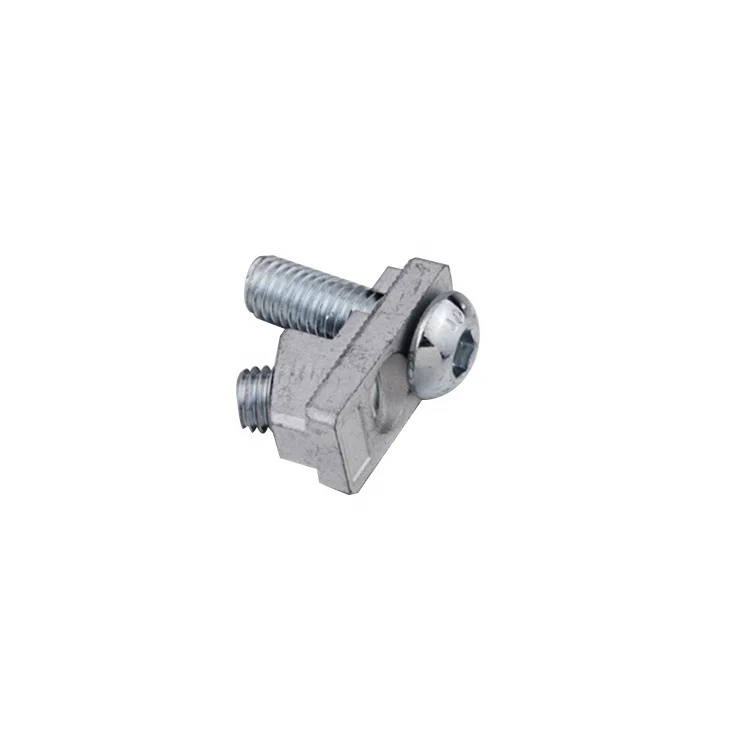
End connectors are critical components in structural assembly systems, serving as the essential mechanical interface between profile frames and external loads or mounting points. Selecting the correct end connector load ratings directly impacts the safety, reliability, and long-term durability of your assembled modular structure. Whether you are designing an automated production line, a heavy material handling system, or an ergonomic industrial workstation, understanding structural assembly fastening requirements is fundamental to robust engineering design. Proper hardware selection prevents joint slipping, frame deflection, and premature fatigue failure under heavy usage.
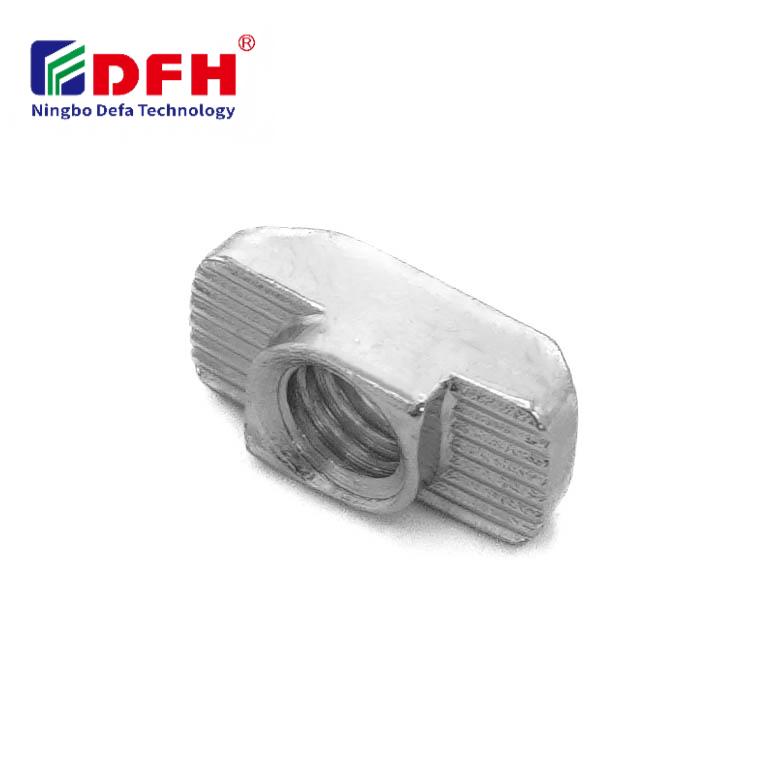
The load rating of end connectors determines how much physical force or weight they can safely support without permanent deformation, joint failure, or loss of structural integrity. These engineering ratings are established through rigorous load testing that accounts for base material properties, joint geometry, stress concentration factors, and built-in safety margins. By selecting connectors that meet your exact operational requirements, you ensure that your frame handles every applied working load limit safely. Following precise installation guidelines protects your machinery and personnel over years of continuous operation.
Load ratings express the maximum force, typically measured in kilonewtons or kilograms, that a fastening component can endure without joint slippage or material yields. These standardized ratings incorporate safety factors to accommodate real-world operational variations. When specifying End Connectors for custom profile frames, design engineers must match published end connector load ratings to the maximum anticipated forces experienced during peak production hours.
Commercially available fasteners vary widely in structural capacity depending on alloy composition, bolt thread engagement, and wall thickness. Hardware manufacturers provide comprehensive technical tables detailing single-axis tension, shear strength, and multi-axis bending moments. Applying precise structural assembly fastening techniques ensures that profile joints remain rigid under full load conditions without requiring frequent maintenance checks.
Static loads represent constant forces applied gradually to a structure, such as stationary machinery mounted on an aluminum profile base. Conversely, dynamic forces involve repeated impacts, machine vibrations, or rapid acceleration cycles from linear actuators. Evaluating static vs dynamic load profiles helps engineers select fasteners with adequate fatigue strength to handle operational stress over time without loosening.
When reviewing technical connector installation specifications, engineers must differentiate between constant weight and cyclic vibration to avoid under-specifying joint connections. A frame supporting high-speed automation requires higher safety factors than a static storage rack, making proper structural assembly fastening critical for operational safety.
Determining the required capacity begins with calculating the total weight of the frame, mounted equipment, and processed materials. Industry best practice dictates applying a safety factor between 1.5 and 3.0 to establish a safe working load limit. Establishing this operational baseline ensures the final frame withstands unexpected force spikes or minor loading miscalculations.
For overhead gantries or heavy safety enclosures, conservative end connector load ratings are mandatory. Adhering strictly to manufacturer connector installation specifications ensures that individual fasteners operate within safe limits, maintaining joint rigidity throughout the equipment lifecycle.
Distributing total weight across multiple frame joints reduces the stress experienced by each individual fastener. However, minor assembly misalignments or beam deflections can cause localized force concentrations. Implementing robust structural assembly fastening strategies compensates for manufacturing tolerances and prevents single-point joint overloads.
Frame configurations utilizing four-corner gussets distribute dynamic forces more predictably than basic two-point joints. Analyzing static vs dynamic load forces across the entire frame allows engineers to verify that no single connector exceeds its safe working load limit during peak operating speeds.
Connectors manufactured from forged steel or die-cast zinc exhibit distinct load capacities compared to extruded aluminum options. Stainless steel fasteners offer superior tensile strength and corrosion resistance in harsh washdown environments, maintaining their published end connector load ratings despite exposure to moisture or chemicals.
Selecting appropriate hardware materials prevents galvanic corrosion between dissimilar metals in profile assemblies. Following comprehensive connector installation specifications guarantees that fastener threads do not strip when torqued to their recommended clamping force values.
The mounting bolts used with profile connectors must match the structural capacity of the main connector body. High-tensile steel bolts ensure the joint achieves its maximum working load limit without suffering thread elongation or shear failure under heavy dynamic stress.
Calibrated torque tools are essential during structural assembly fastening to ensure proper clamp force. Under-tightened bolts allow micro-movements under dynamic loads, while over-tightening risks cracking the profile slot or stripping threads, compromising the entire joint integrity.
Modular workstations experience steady static loads combined with occasional dynamic impacts from manual material handling. Specifying verified end connector load ratings ensures the workbench remains rigid and stable under daily shop floor use.
Following strict connector installation specifications during workstation assembly prevents structural swaying when heavy tooling is mounted. Integrating heavy-duty structural assembly fastening components guarantees long-term durability and operator safety.
High-speed pick-and-place robotics impose severe multi-axis forces on aluminum framing. Engineers must evaluate static vs dynamic load vectors to select connectors that can withstand continuous multi-directional vibration without loosening.
Designing profile joints with a conservative working load limit ensures that automated equipment operates smoothly without unexpected downtime, extending the overall service life of the production line.
Calculate total static weight, add dynamic impact factors, and multiply by a safety margin of 2.0. Divide by total connection points to determine the required end connector load ratings, ensuring all joints comply with standard connector installation specifications.
Ultimate load capacity represents the absolute force where a joint fails completely. The working load limit is the maximum safe operational force recommended by manufacturers after applying necessary safety factors for structural assembly fastening.
Dynamic loads induce continuous mechanical fatigue, requiring fasteners with higher strength margins and locking mechanisms compared to static applications. Proper structural assembly fastening ensures long-term joint stability under heavy vibration.
2026/09/30
Source aluminum profiles for versatile modular framing. Learn extrusion mechanics, strength benefits & corrosion resistance. Request details.
2026/09/30
Source aluminum profiles for construction projects. Learn structural framing, cladding & window benefits for maximum ROI. Download guide.
2026/09/30
Source optimal aluminum profile sizing techniques. Evaluate load, space, alloy, environment & cost factors to prevent deflection. Download guide.
2026/09/30
Struggling with fastener failures or rework? Master screw sizing by diameter, pitch, material, and load—plus industry-specific standards. Optimize reliability & compliance now.
2026/09/30
Source aluminum profiles for industrial engineering. Discover strength-to-weight ratios, corrosion resistance & 30% cost savings. Download guide.
2026/09/30
Source heat-resistant aluminum profile systems. Master thermal expansion science & stress management strategies for industrial builds. Download guide.