EN
EN
What is Aluminum Profile and How Does It Work?
2026/09/30
Source aluminum profiles for versatile modular framing. Learn extrusion mechanics, strength benefits & corrosion resistance. Request details.

2026/09/24
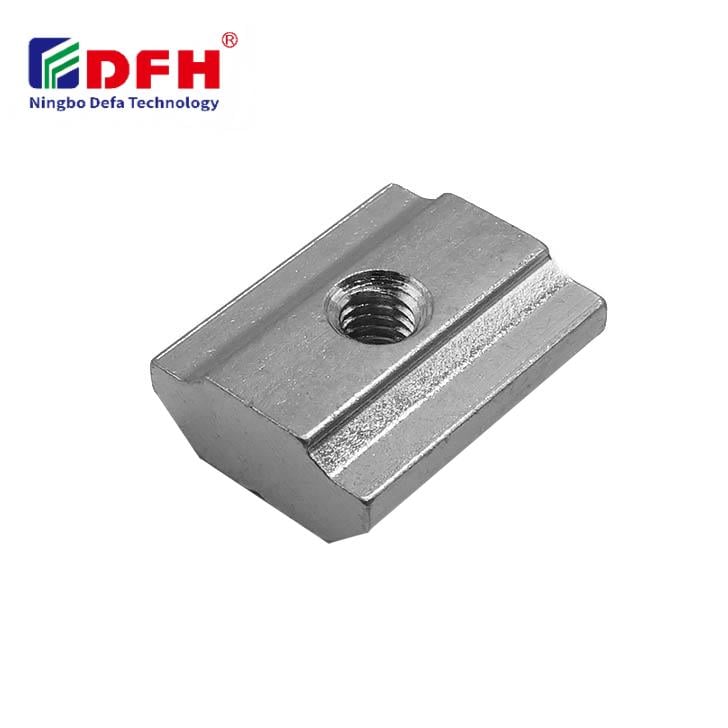
Selecting the correct load capacity for plate connectors is one of the most critical decisions in structural design and assembly work. These load-bearing junction components must reliably transfer forces across connections while maintaining system integrity under operational stress. Understanding how to match load capacity to your specific application prevents failures, reduces material waste, and ensures long-term performance across industrial, construction, and manufacturing environments.
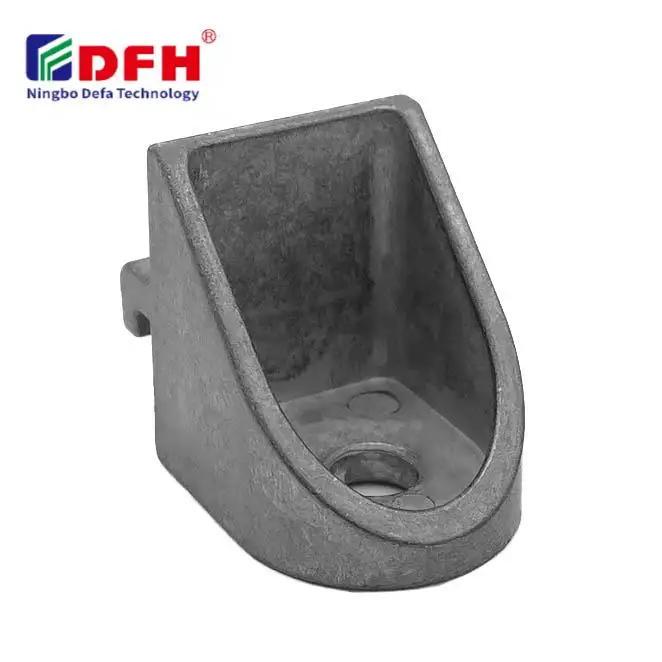
The foundation of proper plate connector selection rests on accurately calculating load requirements and understanding how structural fastening solutions perform under real-world conditions. Whether you are building heavy machinery assemblies, structural frameworks, or modular connection systems, the load capacity you choose directly influences safety margins, maintenance cycles, and total project cost.
Load capacity refers to the maximum force that a plate connector can safely withstand without permanent deformation or failure. This measurement accounts for tensile strength, shear resistance, and the material composition of the connector itself. Structural fastening solutions must be rated for both static loads (constant weight or force) and dynamic loads (repeated or fluctuating forces). Plate Connectors are engineered to distribute concentrated forces across larger surface areas, preventing stress concentration that would otherwise compromise the assembly.
The load capacity specification is typically expressed in kilograms, pounds, or newtons, depending on your regional standards and industry requirements. Engineers establish these ratings through rigorous material testing and field validation. Modular connection systems benefit from standardized load ratings because they allow designers to quickly identify compatible components and calculate safe assembly configurations without extensive custom analysis.
The material grade of your plate connector determines its load-bearing capacity more than any other single factor. Steel connectors offer higher load capacity than aluminum alternatives, while specialized alloys and galvanized finishes provide corrosion resistance alongside structural performance. Load-bearing junction components manufactured from high-tensile steel can support 2 to 3 times more load than standard carbon steel versions of the same size. Designers must balance load capacity needs against weight, cost, corrosion risk, and manufacturing complexity when selecting material grades for structural fastening solutions.
The first step in selecting appropriate load capacity involves comprehensive load analysis of your specific application. Calculate the total weight of components being connected, add safety margins for shock loads or unexpected impact, and account for environmental factors such as vibration or temperature cycling. Modular connection systems typically multiply the single-component load by the number of connectors sharing the load to determine total system capacity. This approach ensures that each plate connector carries only its proportional share rather than being oversized or undersized.
Safety factors vary by industry and application type. Construction and structural applications generally require safety factors between 3 and 5, meaning the connector must handle 3 to 5 times the expected maximum load. Machinery assembly and industrial automation often use safety factors between 2 and 3. Selecting appropriate safety margins prevents unexpected failures and extends the operational life of your structural fastening solutions beyond normal wear patterns.
Load capacity ratings assume controlled laboratory conditions, but real-world applications introduce variables that reduce effective capacity. Vibration, thermal cycling, corrosion, and repeated loading all degrade connector performance over time. Load-bearing junction components installed in outdoor environments lose capacity as corrosion weakens the base material. High-temperature applications reduce metal strength, requiring upward capacity adjustments. Designers must increase calculated load capacity requirements by 10 to 30 percent when applications involve these challenging conditions to maintain adequate safety margins throughout the connector lifespan.
Larger plate connectors generally support higher loads, but the relationship is not perfectly linear. Doubling connector dimensions does not double load capacity because stress distribution, bolt hole spacing, and material thickness all interact in complex ways. Structural fastening solutions manufacturers provide load rating tables that specify capacity for each connector size, material grade, and attachment method. Consulting these tables prevents oversizing connectors unnecessarily, which wastes material and increases project costs, or undersizing them, which creates safety risks.
Modular connection systems benefit from standardized connector sizes because this allows designers to mix and match components while maintaining predictable load performance. Understanding the load capacity of each modular piece enables quick assembly of custom configurations without requiring specialized engineering analysis. This standardization accelerates design cycles and reduces the expertise barrier for assembly technicians and project managers working with load-bearing junction components.
The bolts, welds, or other fastening methods used to attach plate connectors significantly influence actual load-carrying capacity. Bolted connections distribute load through the fasteners themselves, so bolt material grade and diameter directly limit maximum safe load. Welded plate connectors typically achieve higher capacity than bolted versions because the weld creates a continuous material bond, but welding requires specialized equipment and skilled labor. Hybrid approaches combining bolts with mechanical locks optimize both structural fastening solutions performance and assembly convenience for modular connection systems in demanding industrial environments.
Undersized connectors experience excessive stress concentration, leading to plastic deformation, fatigue cracking, or sudden brittle failure. These failures often occur without warning and can cause complete assembly collapse, property damage, or serious injury. The risk increases dramatically when dynamic loads, vibration, or thermal stress accelerate material degradation, transforming what appears to be safe initial load capacity into catastrophic weakness over months or years of operation.
Choosing plate connectors with 20 to 40 percent excess capacity beyond current calculated requirements provides flexibility for equipment upgrades, production increases, or additional components. This approach avoids costly connector replacement when business demands evolve. However, significantly oversizing connectors wastes material, increases project cost, and adds unnecessary weight to assemblies, so balance future-proofing against practical constraints and engineering efficiency.
No, static load ratings are insufficient for applications involving vibration, cycling, or shock loading. Dynamic applications require higher capacity components and more aggressive safety factors because repeated stress cycles cause cumulative material degradation through fatigue. Always verify that your structural fastening solutions include dynamic load certification when applications involve movement, vibration, or variable loading patterns to ensure reliable long-term performance.
2026/09/30
Source aluminum profiles for versatile modular framing. Learn extrusion mechanics, strength benefits & corrosion resistance. Request details.
2026/09/30
Source aluminum profiles for construction projects. Learn structural framing, cladding & window benefits for maximum ROI. Download guide.
2026/09/30
Source optimal aluminum profile sizing techniques. Evaluate load, space, alloy, environment & cost factors to prevent deflection. Download guide.
2026/09/30
Struggling with fastener failures or rework? Master screw sizing by diameter, pitch, material, and load—plus industry-specific standards. Optimize reliability & compliance now.
2026/09/30
Source aluminum profiles for industrial engineering. Discover strength-to-weight ratios, corrosion resistance & 30% cost savings. Download guide.
2026/09/30
Source heat-resistant aluminum profile systems. Master thermal expansion science & stress management strategies for industrial builds. Download guide.