EN
EN
What is Aluminum Profile and How Does It Work?
2026/09/30
Source aluminum profiles for versatile modular framing. Learn extrusion mechanics, strength benefits & corrosion resistance. Request details.

2026/09/22
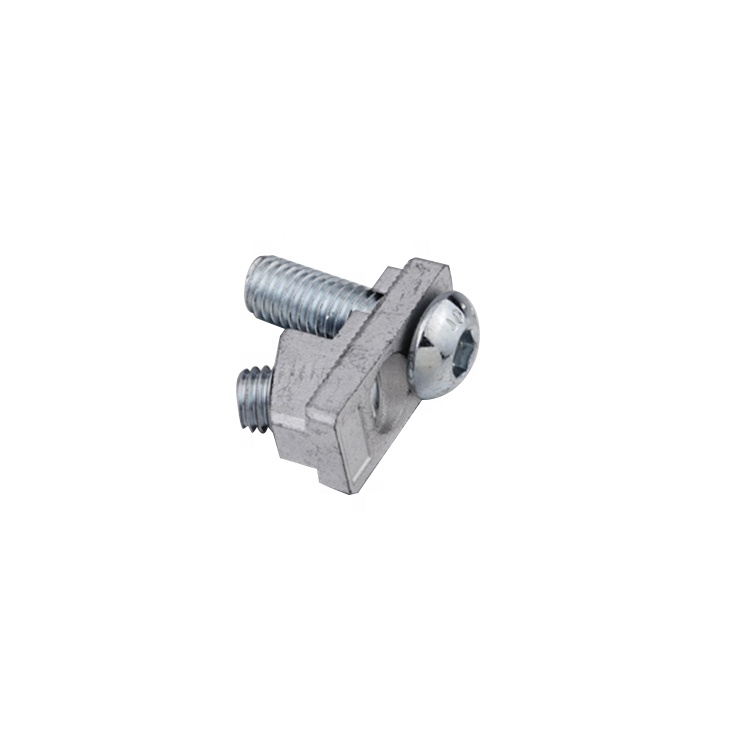
End connectors are critical components in structural assembly systems, designed to transfer loads between structural members and support frameworks. Understanding their load capacity is essential for engineers, contractors, and facility managers who need to ensure safety, compliance, and long-term structural integrity. The load capacity of end connectors determines how much force, stress, or weight they can safely handle before failure occurs, making this knowledge fundamental to proper system design and installation.
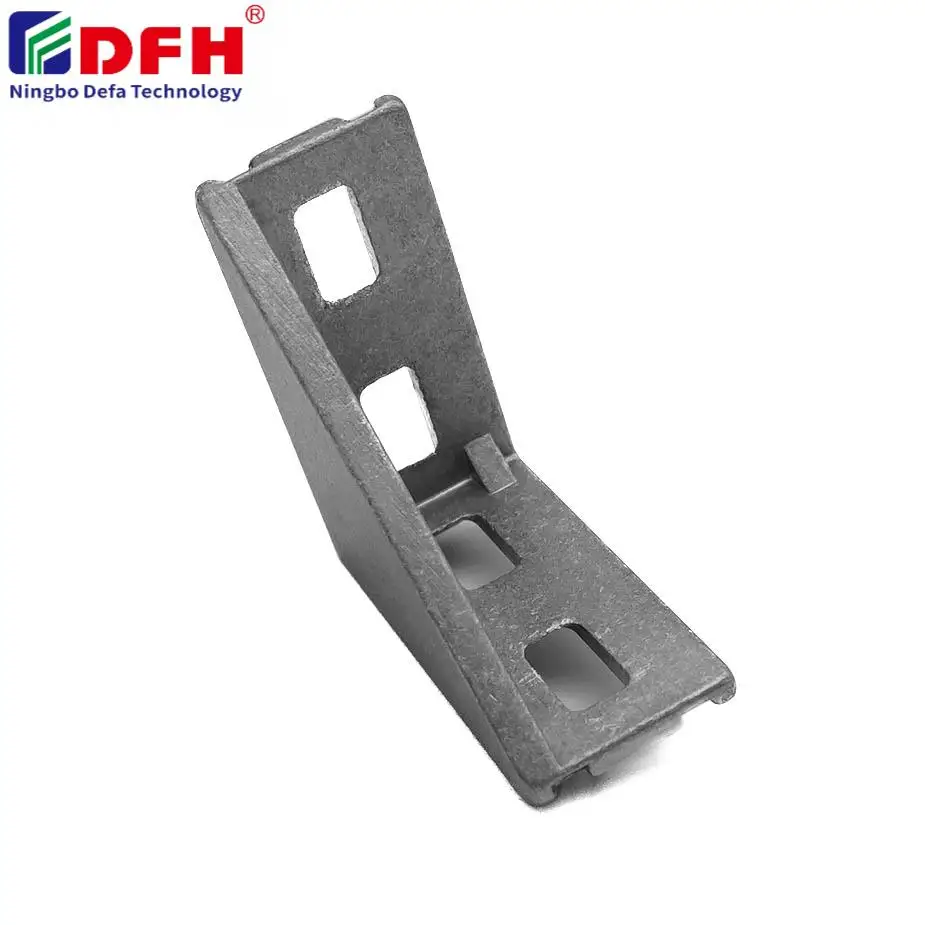
Selecting appropriate end connectors with correct load capacity involves understanding multiple factors including material specifications, environmental conditions, fastening systems design, and the intended structural assembly configuration. This guide explores the fundamentals of end connector capacity, the role of connector installation practices, and how fastening systems interact with overall load performance.
End connectors are manufactured from various materials including steel, aluminum, and composite materials, each with distinct load-bearing characteristics. Steel end connectors typically offer the highest load capacity and are favored in heavy-duty applications, while aluminum variants provide lighter weight alternatives for moderate-load environments. The load capacity specification reflects the maximum tensile, compressive, or shear force the connector can withstand under standard testing conditions. Material grade, thickness, and cross-sectional geometry all directly influence how much load the end connectors can support before plastic deformation or fracture occurs.
Load capacity is not a simple single number but rather depends on multiple interrelated factors. The number and size of fastening systems holes, bolt diameter, and spacing patterns significantly impact the actual load-bearing capability. Environmental factors such as temperature extremes, moisture, corrosion exposure, and chemical environments can degrade material properties over time, reducing effective load capacity. Dynamic loading conditions, vibration, and fatigue cycles may lower the allowable working load compared to static testing values. Additionally, stress concentration points, corner radii, and hole placement geometry create localized stress intensification that reduces the practical load capacity below theoretical maximums.
Correct connector installation directly determines whether end connectors achieve their rated load capacity in real-world applications. Fastening systems must be installed to specified torque values to ensure proper bolt preload and load distribution across connection interfaces. Misalignment during connector installation creates eccentric loading that dramatically reduces effective capacity and can cause premature failure. The alignment of structural members relative to the end connectors ensures that loads transfer uniformly through the connection interface rather than creating bending moments that exceed design limits. Poor connector installation practices, such as under-torquing fasteners or using incorrect bolt grades, result in load slippage and connection degradation.
Structural assembly efficiency depends on how loads travel from one member to another through end connectors and fastening systems components. When structural assembly is properly configured, loads distribute evenly across all connection points, allowing each end connector to carry its proportional share of the total load. Uneven load distribution caused by misalignment or inadequate structural assembly design concentrates stress on fewer fastening systems, causing localized overload and premature failure. The structural assembly configuration must account for the number of connection points and ensure that end connectors are positioned to accept loads along their primary axis, avoiding side loads that reduce capacity. Proper structural assembly design maximizes the utilization of available connector capacity and extends system service life.
Manufacturer load capacity ratings for end connectors are established through standardized testing protocols and engineering analysis. Tensile testing applies gradually increasing axial loads until failure occurs, establishing the maximum load capacity under static conditions. Shear testing evaluates performance when loads are applied perpendicular to the connector axis, which is critical for certain structural assembly applications. Third-party certification and compliance with international standards such as ISO and ASTM provide assurance that rated capacities are based on rigorous testing rather than estimation. These certifications validate that end connectors meet specified performance requirements and maintain consistent quality across production batches.
Engineering best practice applies safety factors to reduce working load limits below maximum tested capacity, accounting for uncertainties in real-world conditions. A typical safety factor for static loading ranges from 3 to 5, meaning the allowable working load is the failure load divided by this factor. This conservative approach protects against material variability, installation defects, unforeseen environmental effects, and dynamic loading that may not be fully predicted. When specifying end connectors for a structural assembly project, engineers must select components whose rated capacity, after applying appropriate safety factors, exceeds the anticipated maximum service loads. Understanding the distinction between ultimate load capacity, rated capacity, and safe working load prevents over-specification and cost waste while ensuring adequate safety margins.
Temperature extremes, moisture exposure, corrosive chemical environments, and UV radiation can all degrade connector materials over time. Rust formation in untreated steel end connectors reduces cross-sectional area and creates stress concentration points that lower effective capacity. Thermal cycling causes material expansion and contraction, creating fatigue stress that accumulates over many cycles. Proper material selection, protective coatings, and regular maintenance help preserve load capacity performance throughout the service life of connector installation and structural assembly systems.
Fastening systems with larger diameter bolts and higher-grade materials can transfer greater loads through the connection interface. However, oversized bolts may damage or strip the connector material if installed with excessive torque, reducing effective capacity. The optimal bolt size balances adequate load transfer capacity with the structural properties of the end connectors material to distribute stress evenly. Proper fastening systems installation follows manufacturer specifications for bolt diameter, grade, spacing, and torque value to achieve rated connector capacity.
Using end connectors beyond their rated capacity creates unacceptable safety risks including sudden failure, injury, and property damage. Even temporary overload conditions can cause permanent deformation that reduces future load capacity permanently. If application loads approach connector limits, the solution is to specify larger connectors, increase the number of connection points in the structural assembly, or redesign to distribute loads across multiple fastening systems. Professional engineering analysis ensures that connector selection matches actual load requirements with appropriate safety margins.
2026/09/30
Source aluminum profiles for versatile modular framing. Learn extrusion mechanics, strength benefits & corrosion resistance. Request details.
2026/09/30
Source aluminum profiles for construction projects. Learn structural framing, cladding & window benefits for maximum ROI. Download guide.
2026/09/30
Source optimal aluminum profile sizing techniques. Evaluate load, space, alloy, environment & cost factors to prevent deflection. Download guide.
2026/09/30
Struggling with fastener failures or rework? Master screw sizing by diameter, pitch, material, and load—plus industry-specific standards. Optimize reliability & compliance now.
2026/09/30
Source aluminum profiles for industrial engineering. Discover strength-to-weight ratios, corrosion resistance & 30% cost savings. Download guide.
2026/09/30
Source heat-resistant aluminum profile systems. Master thermal expansion science & stress management strategies for industrial builds. Download guide.