EN
EN
What is Aluminum Profile and How Does It Work?
2026/09/30
Source aluminum profiles for versatile modular framing. Learn extrusion mechanics, strength benefits & corrosion resistance. Request details.

2026/09/20
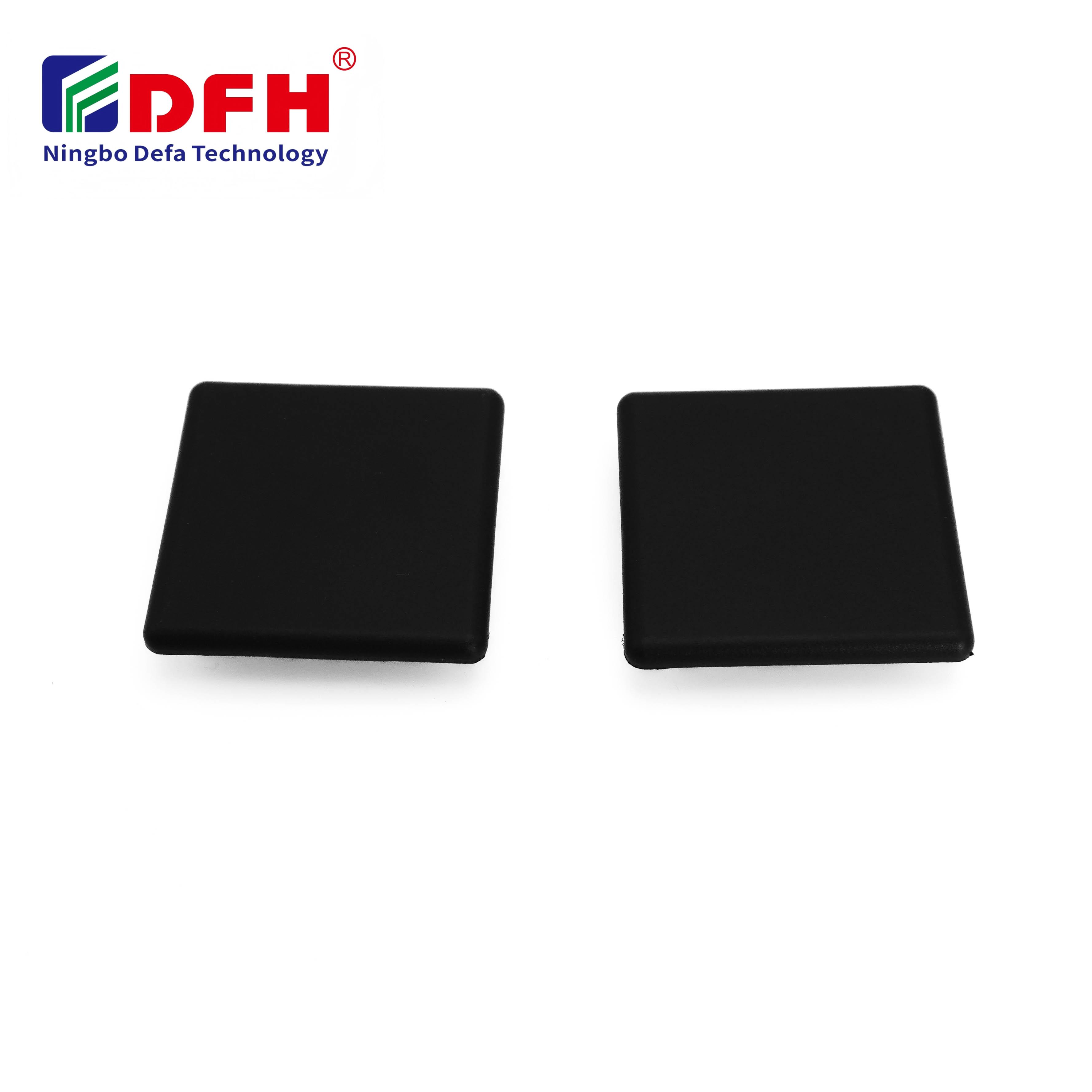
An end cap serves as a critical structural and aesthetic component in aluminum extrusion systems, designed to seal, protect, and support the terminal ends of profiles. Understanding what load capacity an end cap supports is essential for engineers, manufacturers, and system designers who rely on these components to maintain structural integrity in demanding industrial applications. The load-bearing capability of an end cap depends on multiple factors including material composition, wall thickness, attachment method, and the specific profile geometry it supports.
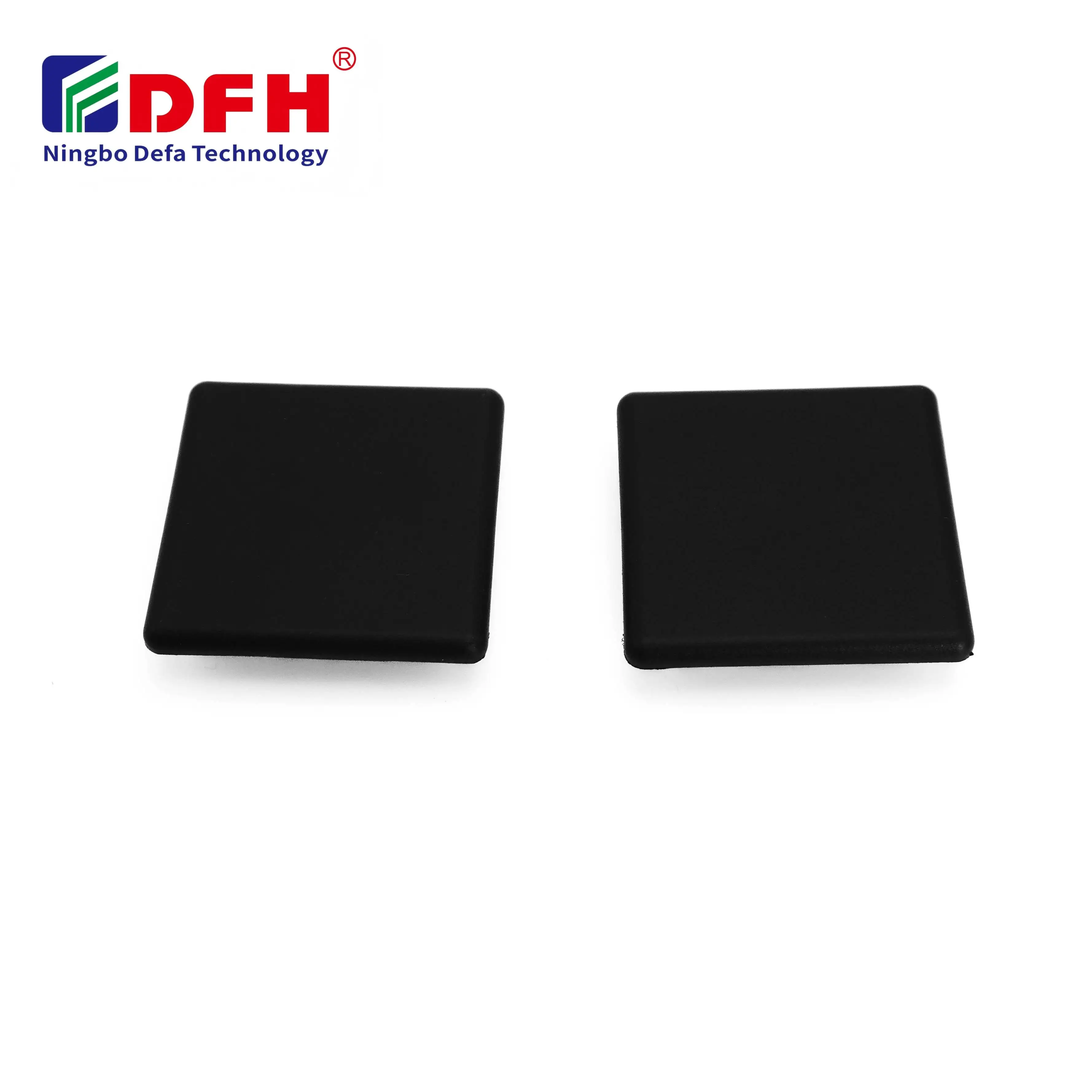
When selecting an end cap for your application, recognizing its load capacity ensures safe operation and prevents premature failure. Different profile end closure designs offer varying levels of support, and aluminum extrusion finishing techniques directly influence how much stress the component can withstand. This comprehensive guide explores the factors that determine end cap strength, helps you evaluate channel cap cover options, and provides practical insight into selecting the right solution for your system.
The load capacity of an end cap is primarily determined by its material specification and wall thickness. Most industrial end caps are manufactured from aluminum alloy, nylon, steel, or composite materials, each offering distinct strength characteristics. An end cap made from reinforced aluminum alloy with greater wall thickness will naturally support higher axial and radial loads compared to a thin-walled plastic alternative. The profile end closure design must match the intended application load requirements; undersizing the wall thickness or selecting a lower-grade material can result in deformation, cracking, or complete structural failure under operational stress.
How an end cap is attached to the aluminum extrusion profile directly influences its effective load capacity. Mechanical fastening using screws, bolts, or adhesive bonding creates different load transfer characteristics. Press-fit end caps that rely on friction and deformation typically distribute loads more effectively than snap-on designs, which depend on retention clips alone. The aluminum extrusion finishing process, including surface preparation and any protective coatings, affects the quality of the attachment interface. A properly installed channel cap cover with secure fastening can support significantly higher loads than a loosely fitted alternative, sometimes doubling the effective capacity.
The geometry of the underlying aluminum profile directly impacts how much load an end cap can support. Larger cross-sectional areas and deeper channel profiles provide greater structural support for the cap itself and enable better load distribution across the connection points. An end cap designed for a rectangular profile channel will support different loads than one designed for a circular tube or complex multi-chamber extrusion. The profile end closure must be engineered to match these geometric variations precisely. Mismatched sizing—using a cap designed for a different profile type—dramatically reduces load capacity and creates safety hazards in operational environments.
Proper load distribution is critical to achieving the maximum load capacity that an end cap can support. Stress concentration points occur at corners, attachment holes, and transition zones where the channel cap cover meets the profile. Industrial-grade end cap designs minimize stress concentration through rounded corners, reinforced ribs, and optimized attachment patterns that spread loads evenly across the entire component. The aluminum extrusion finishing process should include stress-relief treatments that reduce residual tension in the material, further improving load-bearing capability. Engineers must evaluate not just total load capacity but also fatigue resistance when selecting an end cap for cyclic loading applications.
Selecting the appropriate end cap requires a clear understanding of the loads your system will experience. Calculate axial forces from suspended weights, radial forces from lateral impacts, and combined loading scenarios that occur during operation. Consult manufacturer specifications for the profile end closure rating, which typically lists maximum supported load under static conditions and separate ratings for dynamic or cyclic loading. Standard industrial aluminum extrusion finishing profiles are often rated for loads ranging from 50 pounds to over 500 pounds per end cap, depending on material grade and design. Oversizing your end cap selection provides a safety factor that protects against unexpected loads or installation variations.
Load capacity ratings assume standard environmental conditions, but real-world applications may involve temperature extremes, moisture exposure, or chemical environments that degrade material properties. Aluminum extrusion finishing techniques such as anodizing or powder coating provide some environmental protection, but extreme conditions may require stainless steel or specialized composite channel cap covers. Temperature variations cause material expansion and contraction, which can reduce effective load capacity by 10 to 20 percent in temperature-cycled environments. For outdoor installations or corrosive atmospheres, verify that the profile end closure is rated for extended environmental durability alongside its load specifications. Using the correct material and finishing combination ensures that your end cap maintains its full rated load capacity throughout its service life.
The primary factors are material composition, wall thickness, profile geometry, fastening method, and aluminum extrusion finishing quality. A reinforced aluminum profile end closure with proper fastening supports significantly more load than a thin plastic channel cap cover. Material grade, cross-sectional area, and stress distribution design directly determine the load rating.
No. Each profile end closure is engineered for a specific profile cross-section and geometry. Using an incorrectly sized end cap or channel cap cover dramatically reduces effective load capacity and risks structural failure. Always verify that the profile end closure matches your exact extrusion profile dimensions and specifications.
Aluminum extrusion finishing processes like anodizing and stress-relief treatments can enhance load capacity by reducing residual material stress and improving surface durability. However, finishing is secondary to base material thickness and geometry. Quality finishing protects against environmental degradation that would otherwise compromise the end cap's load-bearing capability over time.
2026/09/30
Source aluminum profiles for versatile modular framing. Learn extrusion mechanics, strength benefits & corrosion resistance. Request details.
2026/09/30
Source aluminum profiles for construction projects. Learn structural framing, cladding & window benefits for maximum ROI. Download guide.
2026/09/30
Source optimal aluminum profile sizing techniques. Evaluate load, space, alloy, environment & cost factors to prevent deflection. Download guide.
2026/09/30
Struggling with fastener failures or rework? Master screw sizing by diameter, pitch, material, and load—plus industry-specific standards. Optimize reliability & compliance now.
2026/09/30
Source aluminum profiles for industrial engineering. Discover strength-to-weight ratios, corrosion resistance & 30% cost savings. Download guide.
2026/09/30
Source heat-resistant aluminum profile systems. Master thermal expansion science & stress management strategies for industrial builds. Download guide.