EN
EN
What is Aluminum Profile and How Does It Work?
2026/09/30
Source aluminum profiles for versatile modular framing. Learn extrusion mechanics, strength benefits & corrosion resistance. Request details.

2026/09/04
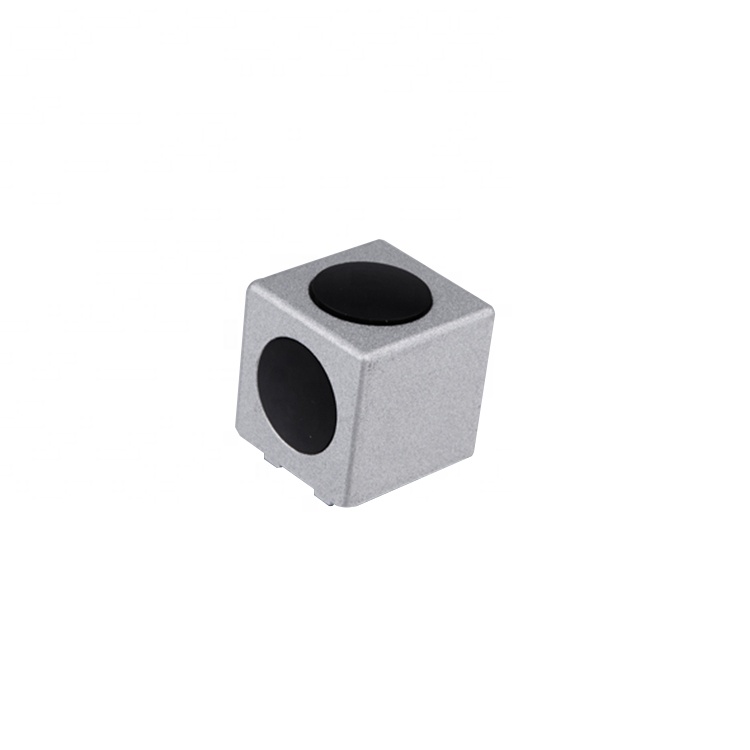
Inner connectors form the critical foundation of modular assembly systems, enabling secure load transfer between structural components in industrial applications. Understanding their load capacity is essential for engineers and manufacturers who design systems requiring reliable, repeatable connections. The capacity of these internal connection hardware elements directly impacts system safety, durability, and long-term performance across diverse industrial environments.
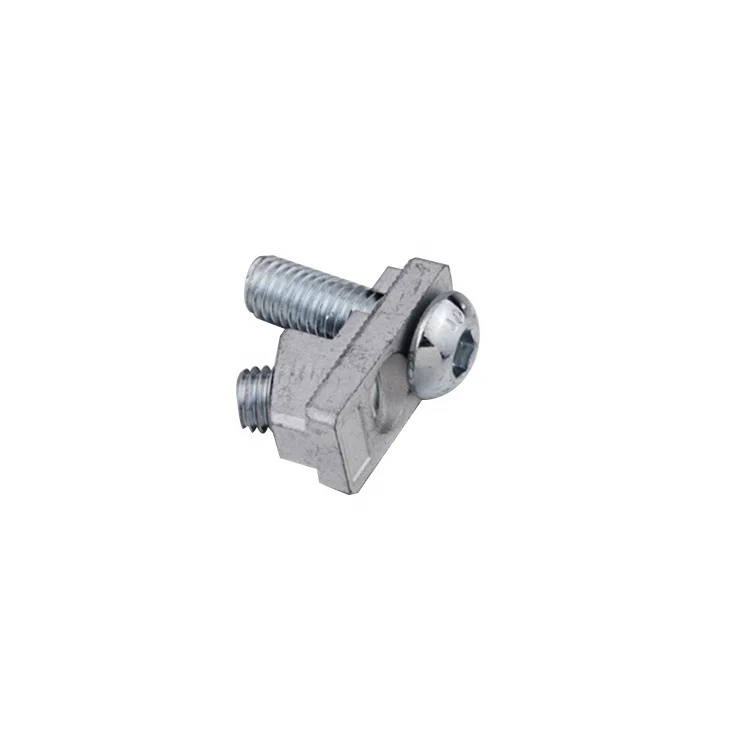
The load capacity of Inner Connectors depends on multiple interconnected factors including material composition, geometric design, surface treatment, and installation methodology. Profile joint systems that incorporate these modular assembly components must be engineered to distribute forces efficiently across connection points while maintaining structural integrity under operational stress. Engineers must account for both static loads during assembly and dynamic loads experienced during equipment operation.
Internal connection hardware typically utilizes medium to high-carbon steel formulations that provide optimal balance between strength and workability. The material grade directly determines the maximum allowable stress and load-bearing capacity of inner connectors in any modular assembly components configuration. Standard grades range from mild steel suitable for light-duty applications to hardened alloy steel for heavy industrial environments demanding superior fatigue resistance.
Material specifications establish baseline capacity parameters that engineers reference when calculating system-level load limits. Hardness values, tensile strength measurements, and yield point thresholds all influence how much load internal connection hardware can safely transfer without permanent deformation or failure. Surface treatments like powder metallurgy coatings enhance corrosion resistance while maintaining mechanical properties essential for reliable long-term operation.
Profile joint systems apply safety factors ranging from 1.5 to 4.0 depending on application criticality and environmental conditions. This safety margin ensures that actual operating loads remain well below the theoretical maximum capacity of inner connectors, accounting for material variations and unexpected stress concentrations. Engineers designing modular assembly components must apply appropriate design factors based on industry standards and specific operational requirements.
Conservative design practices in profile joint systems prevent overload scenarios that could compromise system reliability. Internal connection hardware must maintain structural integrity not only under normal operating conditions but also during installation, maintenance, and unexpected transient events. The selection of appropriate design factors represents a critical decision that balances performance, cost, and safety considerations in complex assembly environments.
The cross-sectional area of inner connectors directly determines how effectively they distribute applied loads across the connection zone. Larger cross-sectional profiles support proportionally higher loads because stress is distributed across a greater material volume. Modular assembly components engineered with optimized geometric profiles ensure that internal connection hardware utilizes available material efficiently while minimizing weight and production costs.
Profile joint systems optimize geometry through iterative design refinement that accounts for stress concentration points where loads transition between connected components. Strategic reinforcement in high-stress regions of inner connectors improves overall system capacity without requiring proportional increases in material volume. This geometric optimization distinguishes high-performance internal connection hardware from standard commodity components in demanding industrial applications.
Thread specifications in modular assembly components critically influence the load capacity of fastened inner connectors through shear plane geometry and engagement length. Longer engagement lengths distribute tensile forces across more thread turns, reducing stress concentration at individual thread roots and improving overall system reliability. Profile joint systems typically specify minimum engagement lengths to ensure that internal connection hardware performs within design parameters across manufacturing tolerances.
Thread pitch and profile geometry directly affect the mechanical advantage and load distribution characteristics of inner connectors in fastened applications. Metric thread standards provide global compatibility and standardized load tables that facilitate rapid design integration of modular assembly components. Engineers must verify that thread materials and surface treatments match the overall system specifications to prevent galvanic corrosion or unexpected strength degradation in internal connection hardware.
Proper installation procedures establish initial clamping forces that maintain connection integrity throughout the operational life of inner connectors and profile joint systems. Under-tightening reduces the effective capacity of internal connection hardware by allowing micro-slip and progressive loosening under cyclic loads. Over-tightening can exceed material yield strength, causing permanent deformation that compromises both current and future load-carrying capability of modular assembly components.
Torque specifications for inner connectors must account for surface conditions, lubricant properties, and material friction coefficients to achieve consistent preload values across production batches. Profile joint systems commonly employ load-indicating washers or calibrated torque wrenches to ensure repeatable installation practices that maximize internal connection hardware performance and longevity. Regular maintenance procedures include torque verification protocols that restore proper clamping forces lost to stress relaxation or thermal cycling.
Cyclic loading conditions impose more stringent capacity requirements on inner connectors than static load applications because fatigue failure mechanisms operate at stress levels well below theoretical breaking points. Profile joint systems designed for repetitive motion environments must incorporate internal connection hardware rated for extended fatigue life through careful material selection and surface finishing. Modular assembly components used in machinery experiencing thousands or millions of load cycles require specification of S-N curve characteristics and fatigue strength ratings.
Environmental factors including temperature fluctuations, humidity exposure, and chemical contamination accelerate degradation mechanisms that reduce the effective load capacity of inner connectors over extended operational periods. Profile joint systems deployed in corrosive or thermally extreme environments benefit from specialized surface treatments and material selections that maintain structural integrity despite environmental stressors. Internal connection hardware specified for critical applications typically incorporates redundant load paths and monitoring systems that detect degradation before capacity limits are approached.
Standard inner connectors manufactured from medium-carbon steel typically support static loads ranging from 500 to 5,000 kilograms depending on size, thread specification, and profile joint system design. Profile joint systems incorporate modular assembly components with load ratings specified in technical documentation based on comprehensive material testing and finite element analysis. Actual achievable capacity varies based on installation quality, environmental conditions, and specific internal connection hardware specifications, requiring detailed engineering review for each application.
Temperature changes influence the load capacity of inner connectors through thermal expansion effects, material property degradation, and preload relaxation mechanisms. Profile joint systems must account for differential thermal expansion between connected components that may possess different material compositions and thermal coefficients. Modular assembly components used in high-temperature environments require internal connection hardware manufactured from materials with stable mechanical properties across the anticipated temperature range, ensuring reliable performance throughout operational cycles.
Regular inspection and torque verification procedures help maintain the load capacity of inner connectors by detecting loosening and stress relaxation before they compromise system integrity. Profile joint systems benefit from preventive maintenance schedules that address corrosion, contamination, and mechanical wear affecting modular assembly components performance. Scheduled replacement of worn internal connection hardware and application of protective coatings extends system service life while ensuring that design load capacities remain achievable throughout the equipment's useful operational period.
2026/09/30
Source aluminum profiles for versatile modular framing. Learn extrusion mechanics, strength benefits & corrosion resistance. Request details.
2026/09/30
Source aluminum profiles for construction projects. Learn structural framing, cladding & window benefits for maximum ROI. Download guide.
2026/09/30
Source optimal aluminum profile sizing techniques. Evaluate load, space, alloy, environment & cost factors to prevent deflection. Download guide.
2026/09/30
Struggling with fastener failures or rework? Master screw sizing by diameter, pitch, material, and load—plus industry-specific standards. Optimize reliability & compliance now.
2026/09/30
Source aluminum profiles for industrial engineering. Discover strength-to-weight ratios, corrosion resistance & 30% cost savings. Download guide.
2026/09/30
Source heat-resistant aluminum profile systems. Master thermal expansion science & stress management strategies for industrial builds. Download guide.