EN
EN
What is Aluminum Profile and How Does It Work?
2026/09/30
Source aluminum profiles for versatile modular framing. Learn extrusion mechanics, strength benefits & corrosion resistance. Request details.

2026/09/14
An aluminum profile is a long, cross-sectional component manufactured through aluminum extrusion, designed to serve as a structural or functional element in industrial applications. These aluminum profiles form the backbone of countless industrial systems, from machine frames and automation equipment to window and door assemblies. Understanding what an aluminum profile is and how it operates is essential for engineers, manufacturers, and procurement professionals who specify materials for assembly projects.
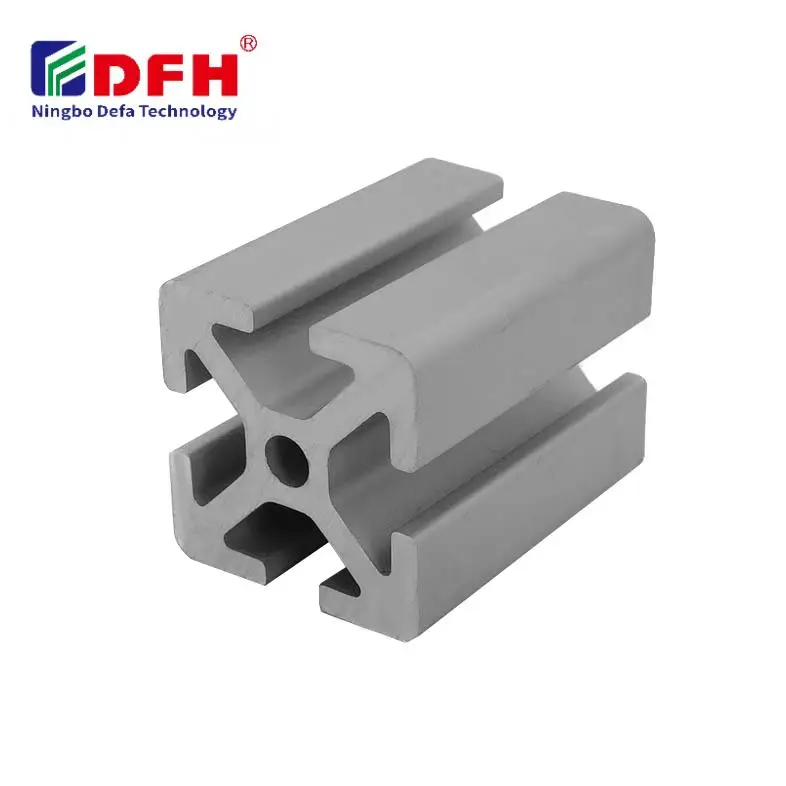
The functionality of aluminum profiles stems from their unique material properties and precision manufacturing process. Aluminum extrusion allows designers to create complex cross-sections with specific slot patterns, rail systems, and mounting surfaces. This versatility makes industrial aluminum components ideal for modular assembly and rapid prototyping. The lightweight yet durable nature of aluminum structural framing enables efficient system design without compromising load-bearing capacity or durability.
An aluminum profile is fundamentally a metal section produced by forcing heated aluminum alloy through a shaped die during the extrusion process. The resulting aluminum extrusion maintains a consistent cross-sectional geometry along its entire length, which is the defining feature that distinguishes it from casting or forging methods. Aluminum profiles are typically made from alloy series such as 6063, 6061, or 7075, depending on the required strength, corrosion resistance, and machinability.
The material composition directly influences performance characteristics. Aluminum alloys contain elements like magnesium, silicon, copper, and zinc that enhance strength, thermal conductivity, and corrosion resistance. Industrial aluminum components manufactured from these alloys provide excellent strength-to-weight ratios, making them superior to steel in many applications where weight reduction is critical. The aluminum profile's inherent properties enable it to resist oxidation naturally through anodizing or powder coating processes.
Aluminum profiles come in standardized configurations designed for modular assembly. The most common feature is the T-slot or V-slot system, which allows accessories and components to attach quickly without additional drilling or machining. These aluminum structural framing systems reduce assembly time and provide flexible configuration options. Industrial aluminum components with slot systems enable engineers to modify designs rapidly by simply sliding nuts and connectors along the profile's channels.
Standard aluminum extrusion profiles typically measure from 20 millimeters to over 100 millimeters in cross-sectional dimension. The variety of available profiles accommodates different load requirements and design constraints. Custom aluminum profiles can be manufactured for specialized industrial applications, though standard sizes remain the most cost-effective choice for most assembly projects.
The functionality of aluminum structural framing depends on how the profile distributes loads across its cross-section. When designed correctly, aluminum profiles channel forces through their material efficiently, supporting frameworks, machinery components, and workstations. The strength of an aluminum extrusion increases with its wall thickness and cross-sectional area, allowing engineers to select profiles that precisely match load requirements without over-engineering.
Aluminum profiles excel in applications where vibration dampening matters. The material absorbs and dissipates vibration energy more effectively than some metals, reducing noise and extending equipment life. This characteristic makes aluminum extrusion profiles particularly valuable in precision manufacturing environments where motion control and stability are critical success factors.
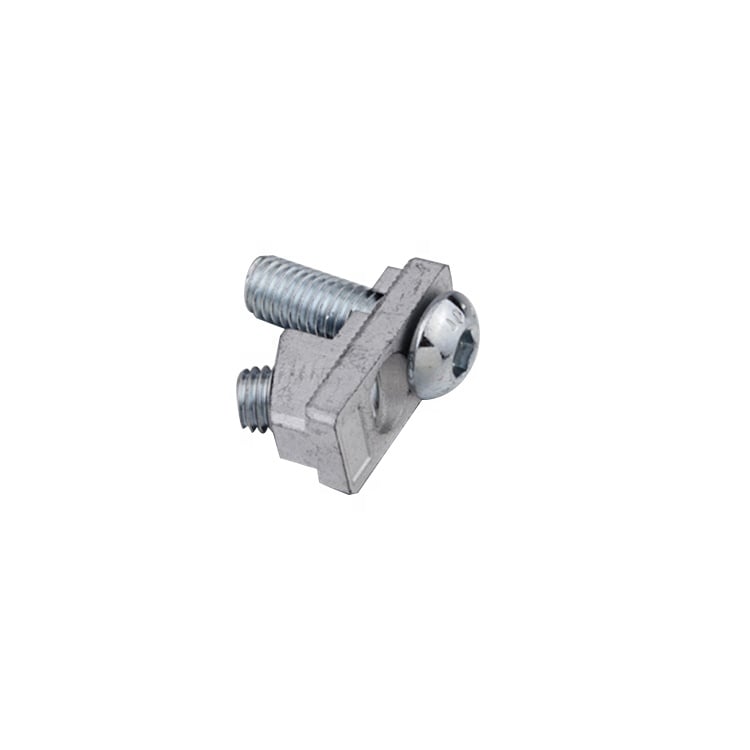
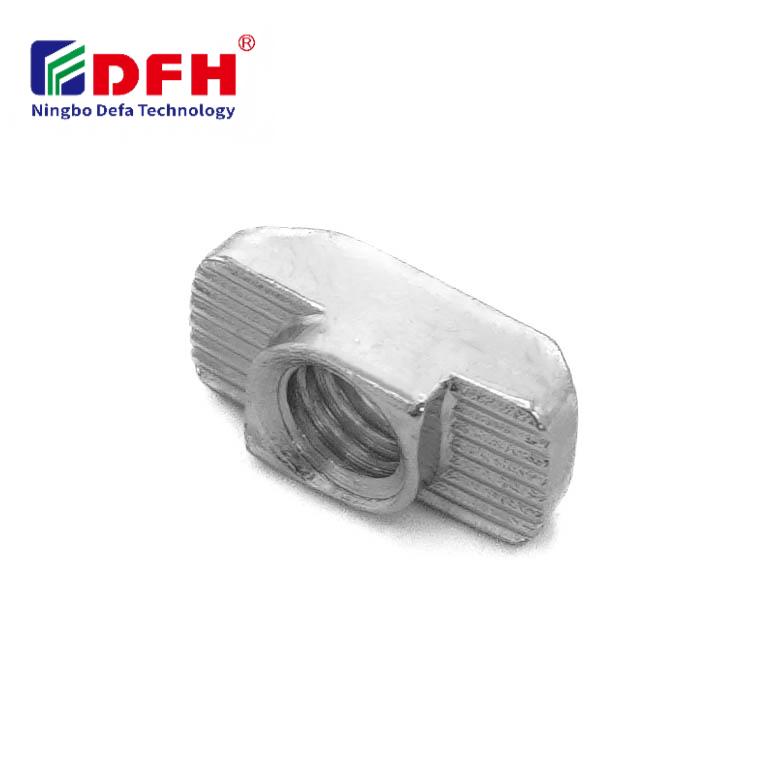
The slot systems within aluminum profiles enable rapid assembly without welding or permanent fastening. Workers can slide T-nuts into the channels, attach brackets at any point along the profile, and reconfigure systems as production needs change. This modularity transforms how industrial aluminum components are integrated into larger systems, reducing downtime during equipment modifications or upgrades.
Aluminum extrusion profiles accommodate multiple attachment methods simultaneously. Bolted connections, adhesive bonding, and sliding attachments all work within the same aluminum profile framework. This flexibility appeals to manufacturers who need to adapt quickly to changing production requirements or customer specifications.
Aluminum profiles deliver significant advantages over traditional materials in industrial settings. Their lightweight nature reduces overall system weight, lowering shipping costs and installation labor. Aluminum structural framing requires minimal maintenance compared to steel, as the material resists corrosion without constant painting or protective coatings. Industrial aluminum components maintain dimensional stability across temperature variations, critical in precision manufacturing applications.
The cost-effectiveness of aluminum extrusion profiles emerges from their production efficiency and material availability. Aluminum profiles can be rapidly produced in large quantities, and their standardization reduces engineering costs. When lifecycle costs are considered—including maintenance, replacement, and material waste—aluminum profiles often prove more economical than heavier or more corrosion-prone alternatives.
Aluminum profiles serve across industries including automotive assembly, food processing, pharmaceutical manufacturing, and clean room facilities. In factory automation, aluminum structural framing forms the backbone of conveyor systems, robotic workstations, and material handling equipment. Window and door manufacturers depend on aluminum extrusion profiles for their products' structural integrity and thermal performance.
Beyond manufacturing, aluminum profiles appear in construction scaffolding, solar panel mounting systems, laboratory equipment, and display frameworks. The versatility of industrial aluminum components reflects their fundamental flexibility in design and application. Engineers continue discovering new uses for aluminum extrusion technology as design challenges evolve in modern production environments.
Aluminum profiles handle heavy-duty applications through careful alloy selection, precise wall thickness design, and strategic cross-sectional geometry. The aluminum extrusion process creates profiles with optimized strength distribution, while heat treatment strengthens the material beyond its baseline properties. Industrial aluminum components engineered for high-load environments use reinforced aluminum profiles with internal ribbing or thicker walls that maintain excellent strength-to-weight performance.
Aluminum profiles can replace steel in many applications where weight reduction and corrosion resistance provide value, though direct substitution requires engineering analysis. Aluminum structural framing weighs approximately one-third as much as steel while offering comparable strength in many designs. However, aluminum extrusion typically requires larger cross-sections or different configurations to match steel's stiffness. Industrial aluminum components work best in applications where design flexibility and modularity enhance operational efficiency beyond simple material replacement.
Slot systems in aluminum profiles eliminate drilling requirements and enable quick-change assembly without removing the profile from the system. Workers slide T-nuts into the channels, attach components at any point along the aluminum profile, and adjust positioning instantly. This modularity reduces assembly time by 40 to 60 percent compared to traditional welded or bolted frameworks, making aluminum structural framing ideal for dynamic manufacturing environments where frequent reconfiguration occurs.
2026/09/30
Source aluminum profiles for versatile modular framing. Learn extrusion mechanics, strength benefits & corrosion resistance. Request details.
2026/09/30
Source aluminum profiles for construction projects. Learn structural framing, cladding & window benefits for maximum ROI. Download guide.
2026/09/30
Source optimal aluminum profile sizing techniques. Evaluate load, space, alloy, environment & cost factors to prevent deflection. Download guide.
2026/09/30
Struggling with fastener failures or rework? Master screw sizing by diameter, pitch, material, and load—plus industry-specific standards. Optimize reliability & compliance now.
2026/09/30
Source aluminum profiles for industrial engineering. Discover strength-to-weight ratios, corrosion resistance & 30% cost savings. Download guide.
2026/09/30
Source heat-resistant aluminum profile systems. Master thermal expansion science & stress management strategies for industrial builds. Download guide.