EN
EN
What is Aluminum Profile and How Does It Work?
2026/09/30
Source aluminum profiles for versatile modular framing. Learn extrusion mechanics, strength benefits & corrosion resistance. Request details.

2026/09/11
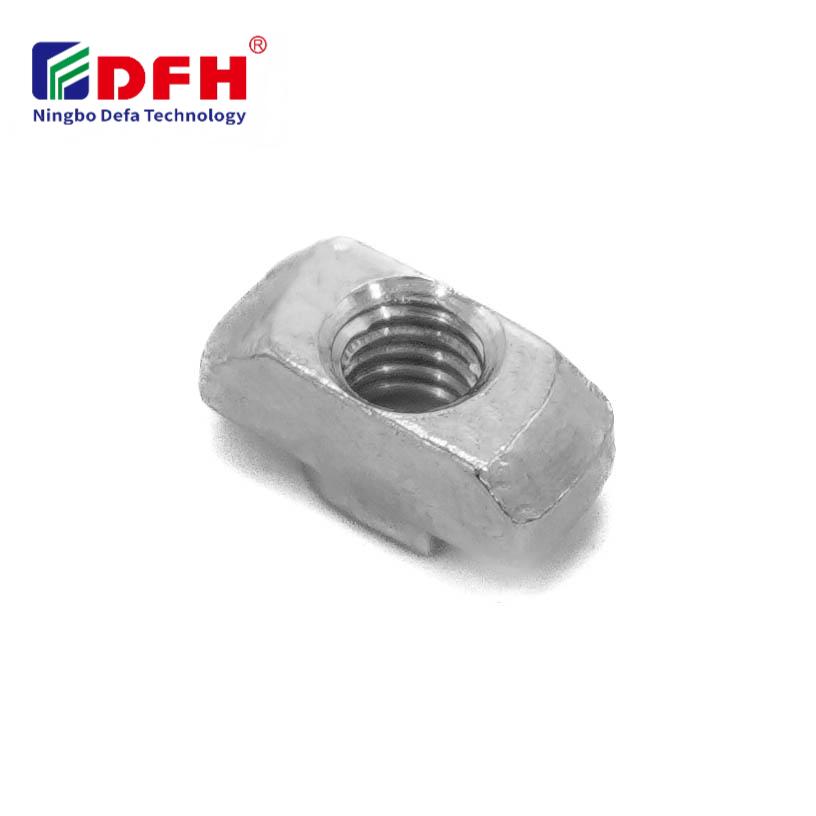
A T nut is a specialized fastening hardware component designed to secure bolts and screws into T-slot aluminum profile systems. Unlike conventional nuts that require access from both sides, a T nut slides into the channel of an aluminum profile and locks in place, creating a secure threaded insertion point. This threaded insert design makes T nuts indispensable in industrial manufacturing, automation equipment, and modular assembly frameworks where flexibility and quick reconfiguration are essential.
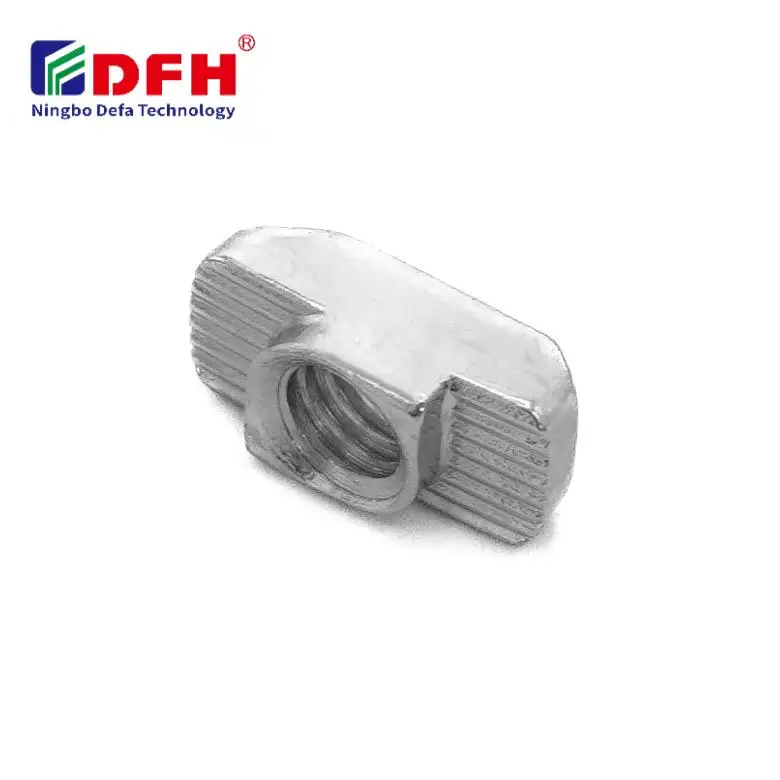
The fundamental advantage of a T-slot nut lies in its integration with aluminum profile systems, eliminating the need for drilling, tapping, or welding. By combining the benefits of a threaded insert with the flexibility of T-slot channels, this fastening hardware allows engineers and fabricators to build, modify, and repair structures rapidly. Understanding how a T nut operates and its role in assembly workflows is crucial for anyone working with modular construction systems or industrial equipment.
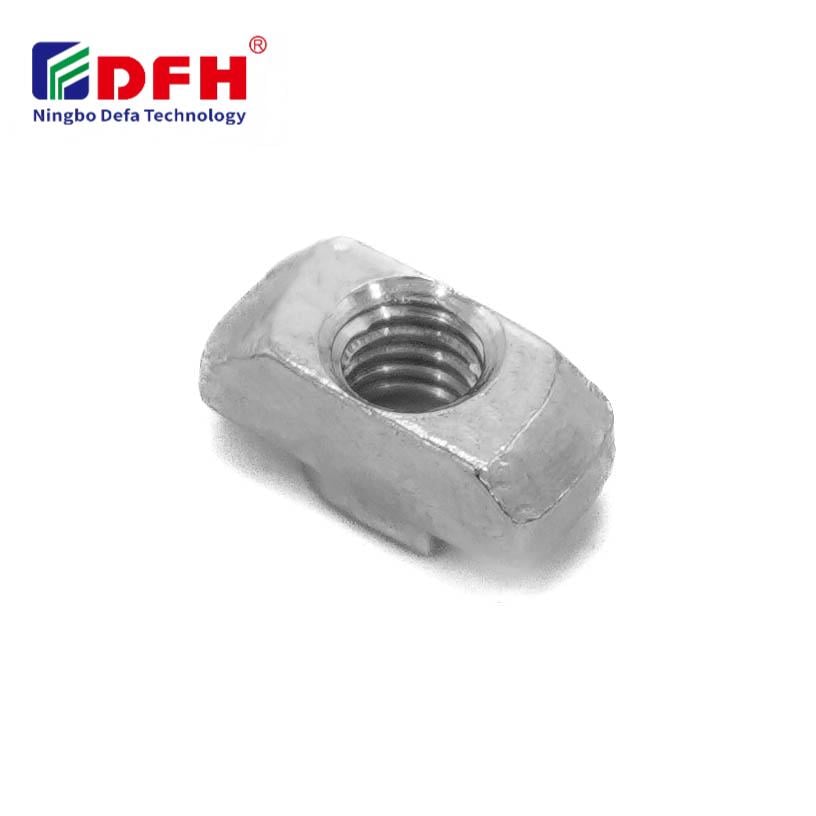
A T nut consists of three main elements: the threaded body, the sliding head, and the retention mechanism. The threaded body contains internal threads that correspond to standard metric or imperial bolt sizes such as M4, M5, M6, or M8. The sliding head, typically shaped like a hammer or wedge, fits precisely into the T-slot channel of aluminum profile. This head design ensures the threaded insert remains flush with the profile surface, preventing obstructions during assembly and disassembly operations.
The retention mechanism, often a spring-loaded clip or cam lock, holds the T-slot nut firmly in position within the channel. This fastening hardware design prevents rotation and sliding when the bolt is tightened, maintaining consistent alignment and torque transfer. The materials used in T nut manufacturing typically include steel, stainless steel, or zinc-plated options, chosen based on corrosion resistance requirements and load-bearing specifications for industrial applications.
T nuts are manufactured to precise dimensional standards to ensure compatibility with specific T-slot profile systems. Common profile sizes include 4040, 4545, and 5050 aluminum extrusions, each requiring a threaded insert of corresponding dimensions. The T-slot nut must align with the channel width and depth of the profile, ensuring smooth insertion and reliable engagement. Manufacturers produce T nuts in various thread sizes to accommodate different bolt requirements, making this fastening hardware versatile across multiple industrial assembly applications.
Installing a T nut begins with sliding the threaded insert along the T-slot channel until it reaches the desired position. The hammer head or wedge design of the T-slot nut allows easy insertion from the open end of the aluminum profile channel without requiring removal of other components. Once positioned, a bolt is inserted through the assembly and into the internal threads of the T nut, tightening from the opposite side. As the bolt tightens, it simultaneously locks the threaded insert in place, creating a dual-function fastening system that secures both the bolt and the T nut itself.
This mechanism eliminates the need for access to the rear side of the profile during initial assembly, dramatically reducing installation time. The T-slot nut design also allows multiple insertion points along the channel, enabling flexible positioning of fastening hardware without pre-drilling holes or modifying the aluminum profile structure. This capability makes T nuts particularly valuable in rapid prototyping, production line modifications, and reconfigurable manufacturing systems.
When properly installed, a threaded insert distributes applied loads across the profile structure rather than concentrating stress at a single point. The T-slot nut engages with the channel walls, providing multi-directional support that prevents tilting or misalignment under load. This fastening hardware design is especially critical in applications involving vibration, dynamic loads, or repeated assembly cycles where conventional fastening methods might fail or loosen over time. The internal threads of the T nut maintain consistent engagement with the bolt, ensuring reliable torque retention and structural stability throughout the equipment lifecycle.
T nuts are extensively used in factory automation, conveyors, robotics frames, and production line equipment where modular assembly is essential. The threaded insert enables manufacturers to adjust equipment configurations quickly without dismantling structural components, reducing downtime and accelerating line changeovers. T-slot aluminum profiles combined with T nuts form the backbone of modern industrial construction, allowing engineers to design scalable systems that adapt to changing production requirements.
In quality assurance and testing environments, T nuts provide the flexibility needed to build custom fixtures, jigs, and mounting systems. The fastening hardware allows technicians to position sensors, clamps, and measurement devices precisely without permanent modifications. This adaptability is particularly valuable in research and development settings where equipment configurations change frequently based on testing protocols and experimental requirements.
A T nut is specifically designed for use in T-slot channels and slides into the profile for easy positioning, while a standard threaded insert is typically embedded directly into material through pre-drilled holes. The T-slot nut offers superior flexibility and requires no drilling or tapping, making it faster to install. Standard threaded inserts are permanent installations, whereas T nuts can be repositioned along the channel as needed, providing significantly greater adaptability in modular assembly systems.
T nuts must be matched to specific aluminum profile channel dimensions to function properly. A T-slot nut designed for a 4040 profile will not fit correctly in a 4545 profile. Manufacturers produce this fastening hardware in various sizes corresponding to standard profile dimensions, so selecting the correct T nut type is essential. Always verify the profile size and channel width before purchasing threaded insert components to ensure compatibility and reliable performance.
The load capacity of a threaded insert depends on the bolt size, material grade, profile thickness, and application type. Standard steel T nuts typically support loads ranging from several hundred to several thousand pounds, depending on configuration. Fastening hardware manufacturers provide load rating tables based on bolt diameter and installation specifications. For critical applications, consult engineering data sheets and perform load testing to verify that your specific T-slot nut configuration meets operational requirements.
2026/09/30
Source aluminum profiles for versatile modular framing. Learn extrusion mechanics, strength benefits & corrosion resistance. Request details.
2026/09/30
Source aluminum profiles for construction projects. Learn structural framing, cladding & window benefits for maximum ROI. Download guide.
2026/09/30
Source optimal aluminum profile sizing techniques. Evaluate load, space, alloy, environment & cost factors to prevent deflection. Download guide.
2026/09/30
Struggling with fastener failures or rework? Master screw sizing by diameter, pitch, material, and load—plus industry-specific standards. Optimize reliability & compliance now.
2026/09/30
Source aluminum profiles for industrial engineering. Discover strength-to-weight ratios, corrosion resistance & 30% cost savings. Download guide.
2026/09/30
Source heat-resistant aluminum profile systems. Master thermal expansion science & stress management strategies for industrial builds. Download guide.