EN
EN
What is Aluminum Profile and How Does It Work?
2026/09/30
Source aluminum profiles for versatile modular framing. Learn extrusion mechanics, strength benefits & corrosion resistance. Request details.

2026/09/15
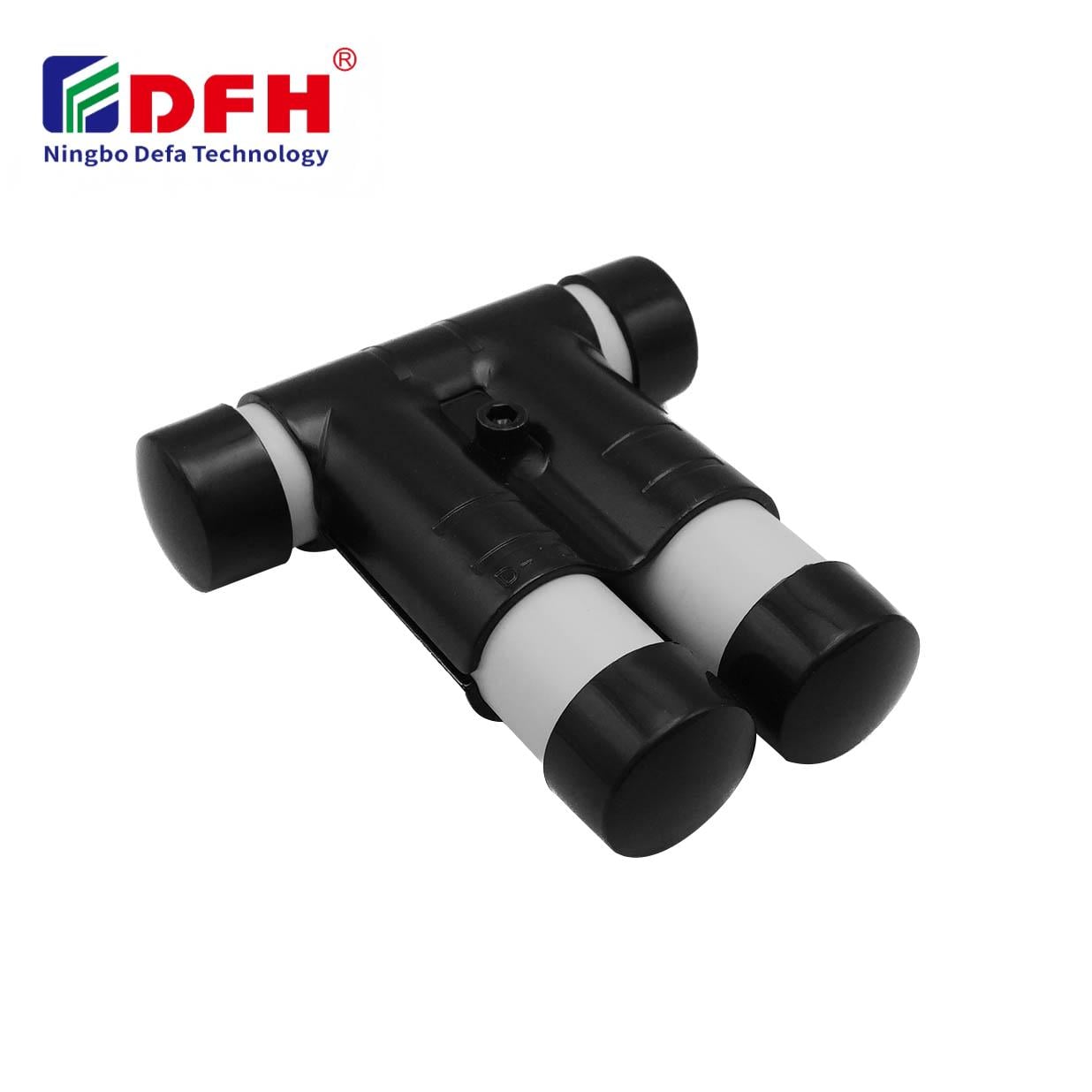
A Pipe Rack System is a specialized industrial piping support structure designed to organize, support, and manage multiple pipelines within a facility. This integrated framework consolidates various fluid transport lines, including water, steam, chemicals, and gases, into a single organized unit. Rather than routing pipes individually through a facility, a modular pipeline framework combines them into coordinated bundles mounted on structural supports. This approach reduces installation time, improves maintenance accessibility, and enhances overall operational safety. The heavy-duty pipe support installation serves refineries, petrochemical plants, manufacturing complexes, and utility systems where hundreds of pipes must operate efficiently within constrained spaces.
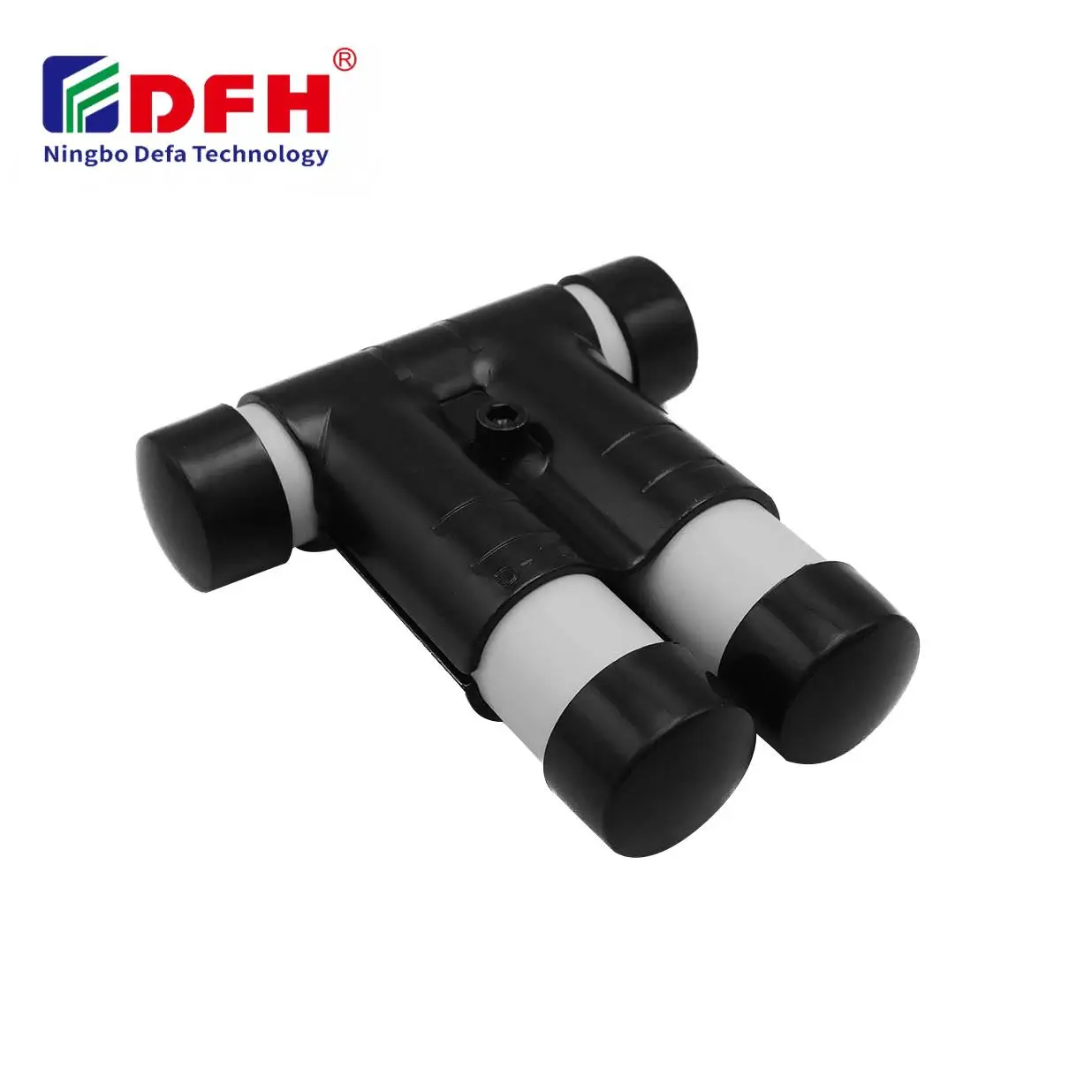
The fundamental advantage of an industrial piping support structure lies in its ability to centralize infrastructure while maintaining strict operational standards. By grouping pipes together on elevated frameworks, facilities can optimize floor space, reduce installation costs, and simplify future modifications. A modular pipeline framework also improves workplace safety by keeping pipes organized, preventing trip hazards, and ensuring that maintenance personnel can access critical components without disturbing other operations. The heavy-duty pipe support installation method has become standard practice across industries where reliability and efficiency directly impact production output and regulatory compliance.
A pipe rack system consolidates multiple transport lines serving different purposes into one structural assembly. Industrial piping support structure designs typically accommodate water lines, steam pipes, compressed air systems, chemical conduits, and hydrocarbon pipelines simultaneously. This centralization eliminates the need to install separate support systems for each line, reducing both material costs and construction complexity. The modular pipeline framework approach allows engineers to plan pipe routing during facility design, then implement it systematically during construction. By housing all major transport functions on one elevated structure, facilities minimize ground-level clutter and reserve valuable floor space for production equipment.
Heavy-duty pipe support installation requires robust engineering because industrial pipelines carry substantial weight and experience extreme temperature variations. A pipe rack system must withstand the combined load of multiple full pipes, including the weight of fluids or gases inside them, plus thermal expansion and contraction cycles. Steel frameworks with reinforced beams, adjustable clamps, and expansion supports absorb these forces without degrading. The industrial piping support structure incorporates vibration dampening and flexible mounting points to handle operational stresses from pumps, compressors, and flowing media. This capability ensures continuous uptime while preventing pipe fatigue, rupture, and catastrophic failures that could damage surrounding equipment or endanger personnel.
Refineries and petrochemical plants represent the largest users of pipe rack systems because their complexity demands extreme organizational efficiency. These facilities process crude oil and raw chemicals through multiple stages, each requiring dozens or hundreds of interconnected pipes carrying different media at varying pressures and temperatures. A modular pipeline framework enables simultaneous operation of distillation units, cracking towers, hydrotreating reactors, and blending stations without pipe interference. The heavy-duty pipe support installation in these environments must also comply with stringent safety codes, environmental regulations, and explosion prevention standards. By consolidating all transport lines on engineered structures, refineries reduce maintenance downtime, improve troubleshooting speed, and maintain the precise coordination essential for continuous production.
Chemical manufacturers depend on pipe rack systems to transport caustic soda, acids, solvents, and reactive intermediates safely through their plants. An industrial piping support structure in chemical facilities must resist corrosion, chemical attack, and potential leakage incidents that could compromise worker safety or contaminate the environment. Water treatment plants, district heating systems, and large utility installations also rely on modular pipeline frameworks to organize potable water, wastewater, thermal transfer fluids, and process steam. The organized structure simplifies inspection protocols, allows rapid isolation of problem sections, and enables controlled maintenance without disrupting unrelated operations. Heavy-duty pipe support installation in these settings often includes secondary containment, isolation valves, and monitoring systems that integrate directly into the framework structure.
Designing an effective pipe rack system requires careful analysis of current and future pipe requirements, spatial constraints, and operational demands. Engineers assess the pressure ratings, temperature ranges, fluid compatibility, and flow rates of each line before determining appropriate pipe diameters and materials. A modular pipeline framework typically incorporates carbon steel for primary structure, stainless steel for corrosion-resistant applications, and specialized alloys where chemical resistance is critical. The industrial piping support structure must also account for thermal expansion loops, vibration isolation, and drainpipe provisions. Flexibility for future expansion ensures that the system can accommodate additional processes or capacity increases without complete replacement, protecting the facility's long-term investment.
Heavy-duty pipe support installation follows recognized engineering codes and standards such as ASME, API, and local building regulations to ensure safety and performance. Professional installation includes proper support spacing, pipe clamps, expansion compensation, and stress relief measures that prevent premature failure. A pipe rack system must also provide clear access paths for inspection, maintenance, and emergency repairs without requiring complete shutdown of adjacent operations. Personnel safety considerations include guardrails, walkways, and clear labeling of high-temperature or hazardous sections. Ongoing maintenance programs that monitor support structure integrity, fastener corrosion, and pipe condition help extend system lifespan and prevent unexpected failures that could compromise production schedules or create environmental hazards.
With proper maintenance, a well-designed industrial piping support structure can operate effectively for 20 to 40 years. The actual lifespan depends on environmental conditions, material selection, service fluid type, and maintenance frequency. Regular inspections, corrosion prevention measures, and prompt repair of damaged components significantly extend system reliability. Upgrading individual sections or replacing worn fasteners is often possible without replacing the entire modular pipeline framework.
A pipe rack system organizes pipes above ground, preventing trip hazards and making inspection easier. The heavy-duty pipe support installation provides clear labeling, isolation valves, and controlled access to critical components. Secondary containment trays prevent leaks from contaminating the ground, and elevated design allows rapid emergency response if operational issues arise. This organized approach reduces workplace accidents and environmental compliance violations.
Yes, existing facilities can install pipe rack systems during expansion or modernization projects. A modular pipeline framework allows phased implementation, adding sections as operations expand or as older inline pipes reach end of life. Retrofit installation requires careful planning to minimize production disruption, but the long-term operational benefits typically justify the investment. Professional engineering assessment determines feasibility and optimal installation sequencing for the specific facility.
2026/09/30
Source aluminum profiles for versatile modular framing. Learn extrusion mechanics, strength benefits & corrosion resistance. Request details.
2026/09/30
Source aluminum profiles for construction projects. Learn structural framing, cladding & window benefits for maximum ROI. Download guide.
2026/09/30
Source optimal aluminum profile sizing techniques. Evaluate load, space, alloy, environment & cost factors to prevent deflection. Download guide.
2026/09/30
Struggling with fastener failures or rework? Master screw sizing by diameter, pitch, material, and load—plus industry-specific standards. Optimize reliability & compliance now.
2026/09/30
Source aluminum profiles for industrial engineering. Discover strength-to-weight ratios, corrosion resistance & 30% cost savings. Download guide.
2026/09/30
Source heat-resistant aluminum profile systems. Master thermal expansion science & stress management strategies for industrial builds. Download guide.