EN
EN
What is Aluminum Profile and How Does It Work?
2026/09/30
Source aluminum profiles for versatile modular framing. Learn extrusion mechanics, strength benefits & corrosion resistance. Request details.

2026/09/01
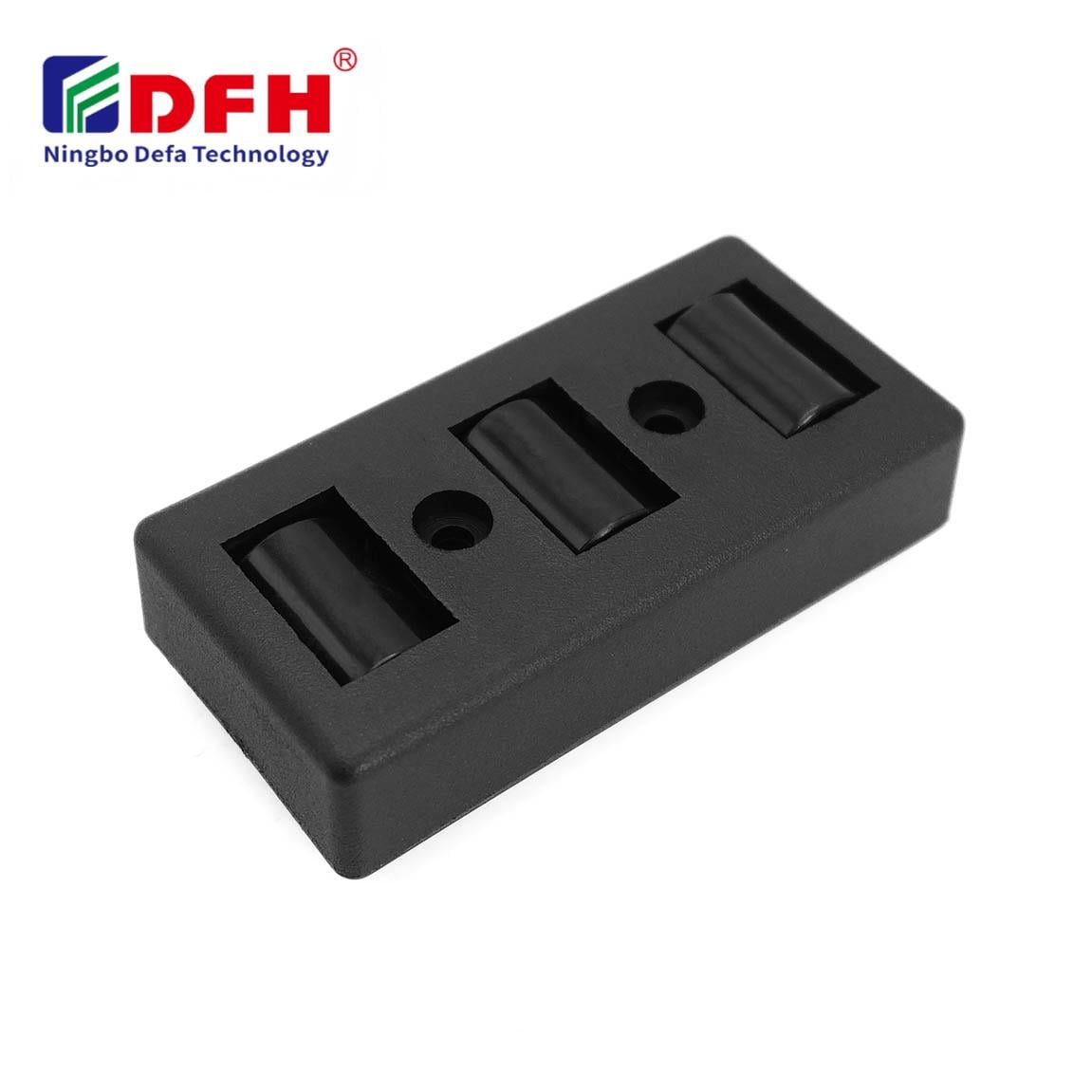
A Pipe Rack System is a structural framework designed to support, organize, and route multiple pipelines across industrial facilities. These systems serve as the backbone of fluid transport in refineries, chemical plants, power generation stations, and manufacturing operations. The primary purpose of a pipe rack system is to consolidate and elevate pipelines above ground level, creating efficient pathways for transporting liquids, gases, and vapors while minimizing ground space consumption and improving accessibility for maintenance and inspection activities.
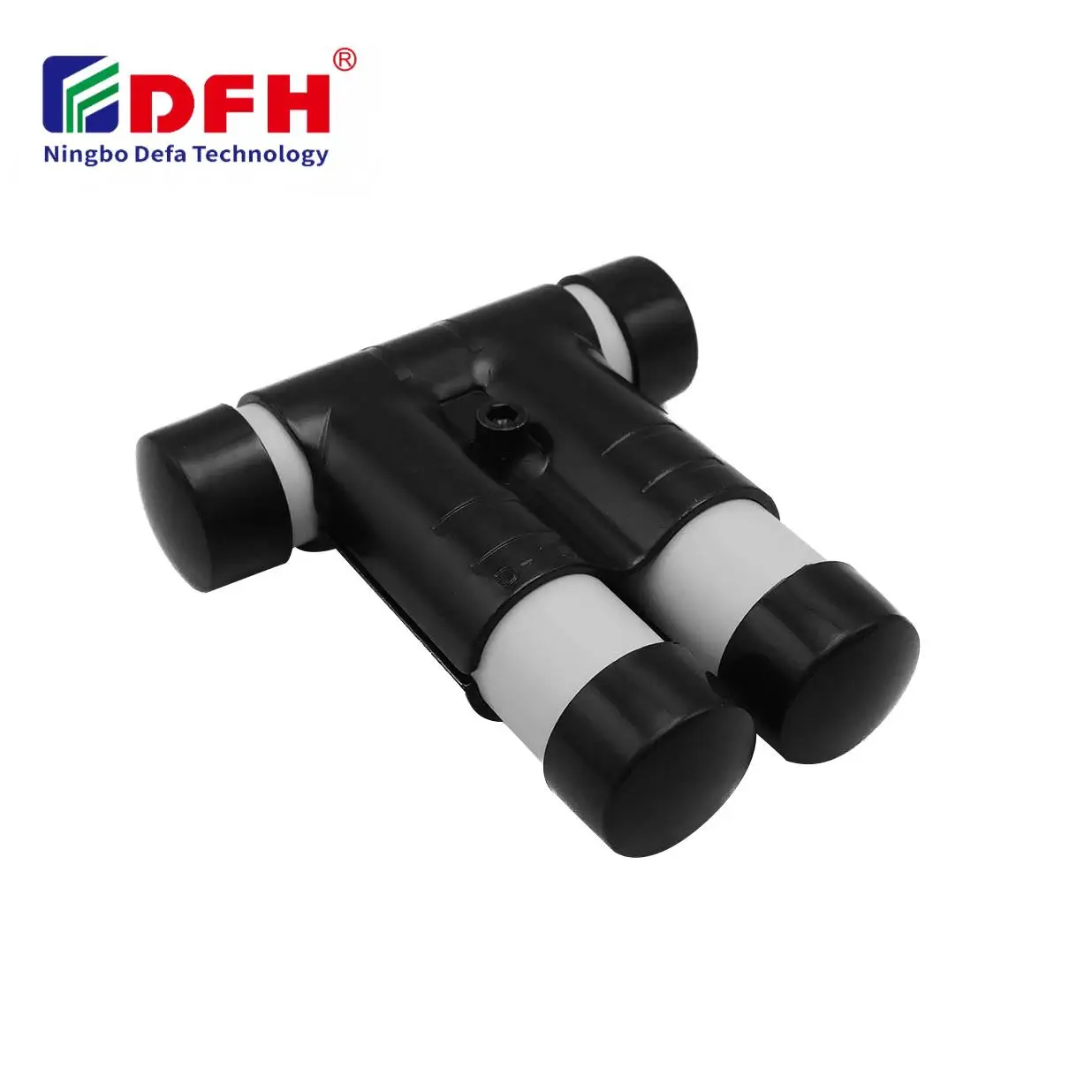
Industrial facilities depend on sophisticated infrastructure to manage complex piping networks safely and efficiently. An industrial pipe support structure must withstand extreme pressures, corrosive environments, thermal fluctuations, and heavy loads while maintaining precision alignment. The modular piping framework approach allows engineers to adapt rack configurations to site-specific requirements, ensuring optimal performance across diverse operational scenarios. Understanding the core functions and design principles of a pipe rack system is essential for facility managers, engineers, and procurement professionals seeking reliable heavy-duty pipe mounting solutions.
A modular piping framework relies on robust structural engineering to distribute loads evenly across support points. The framework typically consists of vertical columns, horizontal beams, cross-bracing, and connection plates fabricated from structural steel or composite materials. Each component must be precisely calculated to handle combined loads including the weight of pipes, contained fluids, insulation materials, and dynamic forces from pressure surges and thermal expansion. Industrial pipe support structure design incorporates safety factors that exceed standard building codes, ensuring operational reliability under worst-case conditions.
Heavy-duty pipe mounting solutions demand materials that resist environmental degradation and chemical attack. Carbon steel with protective coatings, stainless steel, and advanced alloys are commonly employed in pipe rack systems serving aggressive chemical environments. Galvanizing, epoxy coatings, and painting systems extend the service life of industrial pipe support structures by decades. Material selection depends on operating temperatures, fluid characteristics, local climate conditions, and maintenance accessibility within the facility.
A pipe rack system consolidates dozens or even hundreds of individual pipelines into organized bundles, reducing clutter and improving operational safety. The modular piping framework allows pipes carrying different process streams to run parallel routes while maintaining required spacing and isolation. Routing efficiency minimizes pressure drops, reduces thermal losses, and simplifies troubleshooting when process deviations occur. Heavy-duty pipe mounting solutions accommodate complex three-dimensional layouts that adapt to terrain constraints, equipment placement, and future expansion requirements.
Industrial pipe support structures include platforms, walkways, and ladder access points that enable technicians to inspect, maintain, and replace components safely. Proper elevation and spacing within a pipe rack system prevents corrosion from ground moisture and facilitates visual inspection of pipe integrity and fitting connections. The modular piping framework design allows sections to be isolated for maintenance without disrupting the entire system. Accessibility considerations influence structural layout, spacing between pipes, and placement of support brackets throughout the rack.
Pipelines experience significant thermal expansion and contraction as process temperatures fluctuate during normal operation. A well-designed pipe rack system incorporates expansion loops, flexible connectors, and sliding supports that allow controlled movement without imposing excessive stress on pipe walls or connection points. Industrial pipe support structures include guides and stops that direct thermal growth predictably while maintaining proper alignment. The modular piping framework accounts for differential expansion rates among various pipe materials and diameters operating at different temperatures.
Process equipment and flowing fluids generate vibration that can damage pipes, fittings, and instruments if not properly controlled. Heavy-duty pipe mounting solutions incorporate vibration dampers, elastomeric supports, and flexible connections that absorb dynamic energy. A pipe rack system reduces vibration transmission to adjacent equipment and structures through strategic support placement and material selection. Proper vibration management within the industrial pipe support structure extends component life and reduces operational noise.
A pipe rack system serves as the critical link connecting process vessels, pumps, compressors, heat exchangers, and control systems throughout an industrial facility. The modular piping framework must align with equipment nozzle elevations while accommodating instrument connections, pressure gauges, and sampling points. Heavy-duty pipe mounting solutions support branch connections that feed parallel process streams to individual equipment units. Industrial pipe support structures incorporate provisions for future tie-ins and system modifications as production requirements evolve.
Regulatory standards and industry best practices mandate that pipe rack systems include secondary containment, leak detection provisions, and segregation of incompatible fluid streams. A well-engineered industrial pipe support structure prevents cross-contamination and controls environmental release in case of pipe failure. The modular piping framework design facilitates compliance with pressure equipment directives, material certification requirements, and documentation standards. Heavy-duty pipe mounting solutions must support the weight and routing of code-compliant piping while maintaining emergency isolation capabilities.
Beyond the static weight of pipes and insulation, a heavy-duty pipe mounting solution must support the weight of contained fluids at full system capacity. Dynamic loads from pressure pulsations, valve actuation, and sudden flow changes generate forces that structural components must absorb safely. Thermal stresses from temperature differentials create bending moments within the industrial pipe support structure. Maintenance activities including hydrostatic testing and equipment transport impose temporary concentrated loads that the modular piping framework must withstand without permanent deformation.
Modular construction allows a pipe rack system to scale efficiently across facility expansions and process modifications. Standardized components reduce fabrication costs while ensuring consistent quality and structural integrity throughout the industrial pipe support structure. The modular piping framework simplifies installation by allowing assembly of subsections at the manufacturing facility before field deployment. Heavy-duty pipe mounting solutions built from modular elements can be reconfigured, relocated, or expanded with minimal operational disruption to running processes.
Regular visual inspections of the pipe rack system identify corrosion initiation, coating degradation, and mechanical damage before failures occur. Scheduled coating maintenance and touch-up painting protect exposed steel surfaces from environmental attack. The industrial pipe support structure benefits from periodic verification of connection torque, bolt integrity, and support alignment. Heavy-duty pipe mounting solutions and modular piping frameworks achieve extended service life through proactive maintenance that prevents rust, fastener loosening, and structural fatigue.
2026/09/30
Source aluminum profiles for versatile modular framing. Learn extrusion mechanics, strength benefits & corrosion resistance. Request details.
2026/09/30
Source aluminum profiles for construction projects. Learn structural framing, cladding & window benefits for maximum ROI. Download guide.
2026/09/30
Source optimal aluminum profile sizing techniques. Evaluate load, space, alloy, environment & cost factors to prevent deflection. Download guide.
2026/09/30
Struggling with fastener failures or rework? Master screw sizing by diameter, pitch, material, and load—plus industry-specific standards. Optimize reliability & compliance now.
2026/09/30
Source aluminum profiles for industrial engineering. Discover strength-to-weight ratios, corrosion resistance & 30% cost savings. Download guide.
2026/09/30
Source heat-resistant aluminum profile systems. Master thermal expansion science & stress management strategies for industrial builds. Download guide.