EN
EN
What is Aluminum Profile and How Does It Work?
2026/09/30
Source aluminum profiles for versatile modular framing. Learn extrusion mechanics, strength benefits & corrosion resistance. Request details.

2026/09/04
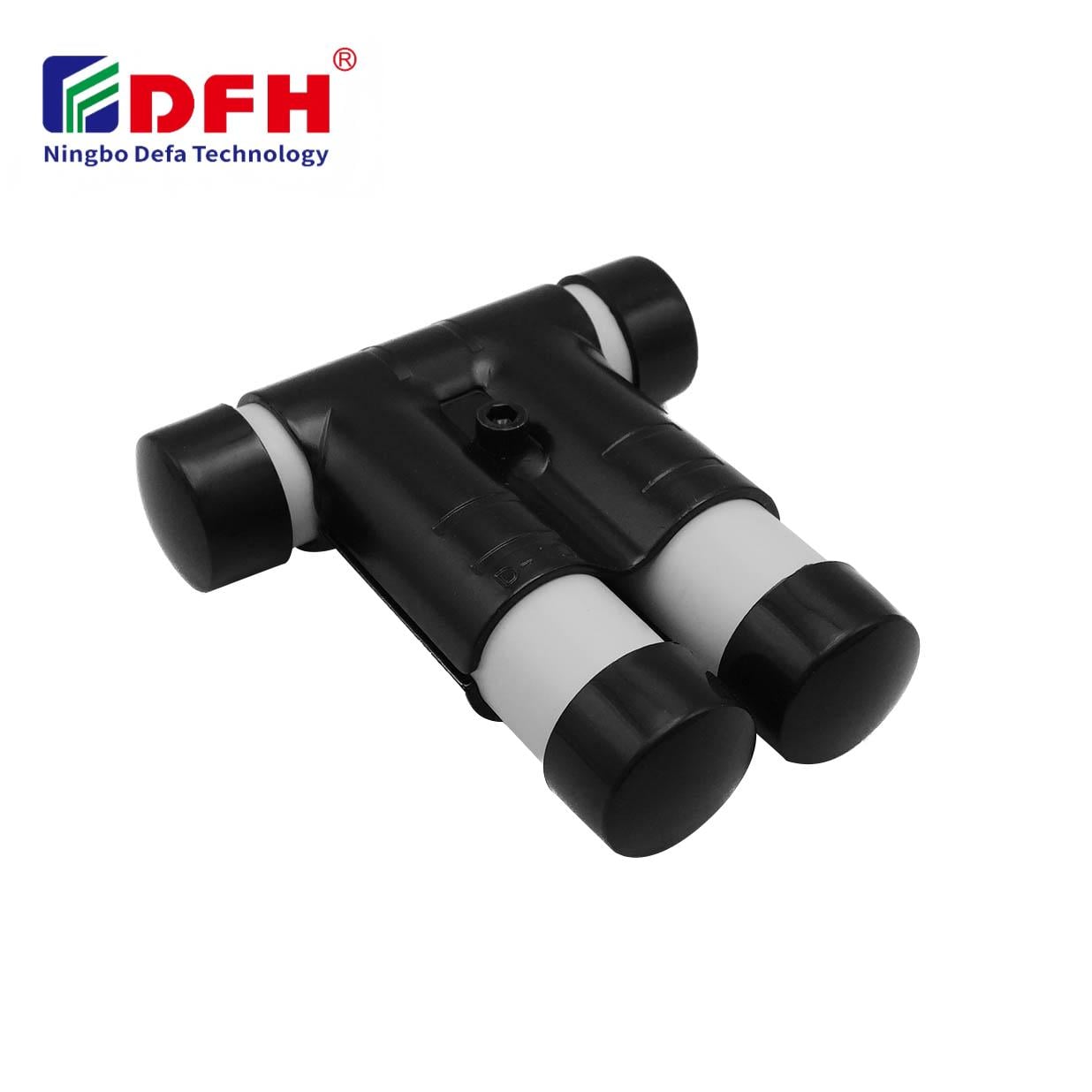
A Pipe Rack System is a structured framework designed to support, organize, and protect pipelines in industrial facilities, refineries, power plants, and chemical processing environments. These systems are engineered to handle multiple pipes simultaneously while maintaining proper spacing, alignment, and accessibility for maintenance. The industrial pipe support structure serves as the backbone of modern infrastructure, enabling efficient routing of fluids, gases, and other materials through complex operational environments.
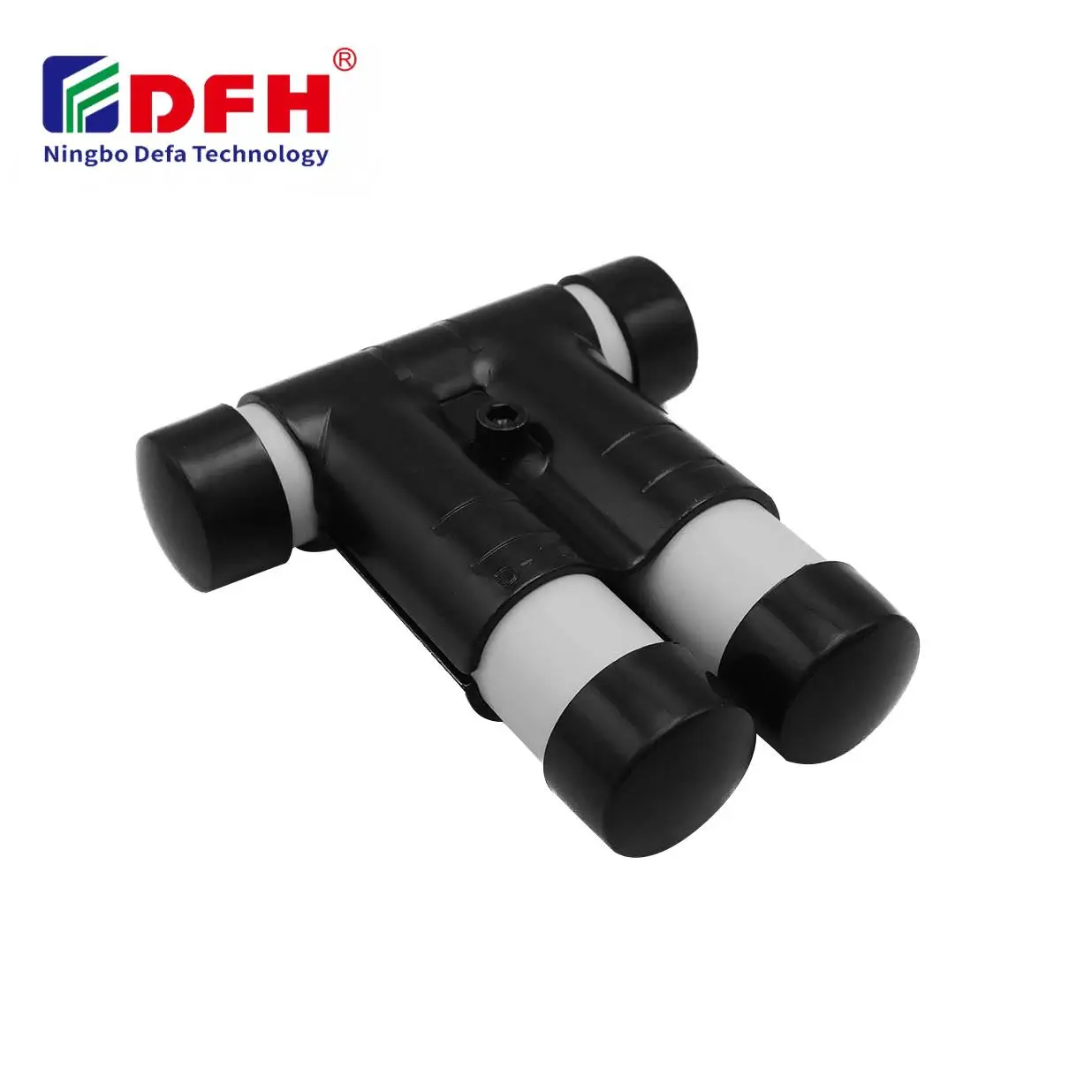
Understanding how a modular piping framework operates is critical for facility managers, engineers, and maintenance professionals. These heavy-duty pipe mounting solutions provide structural integrity, safety compliance, and operational efficiency across diverse industrial applications. The modular piping framework approach allows for flexibility, scalability, and simplified installation compared to traditional fixed piping arrangements.
The foundation of any industrial pipe support structure consists of primary load-bearing members, typically constructed from steel or reinforced materials. These structural elements form the backbone that supports the weight of all connected pipelines, fluids, insulation, and instrumentation. The modular piping framework uses standardized beams, columns, and cross-bracing to distribute loads evenly and maintain system stability even under dynamic operational conditions.
Support columns are anchored to concrete foundations or equipment pads, ensuring the entire assembly remains secure and level. Engineers calculate load ratings based on maximum pipe diameters, fluid densities, pressure conditions, and potential seismic activity. The heavy-duty pipe mounting solution incorporates redundant support points to prevent catastrophic failure if any single component becomes compromised.
Specialized clamps, hangers, and brackets secure individual pipes to the industrial pipe support structure at predetermined intervals. These components accommodate thermal expansion and contraction, vibration dampening, and stress relief during normal operation. Quality heavy-duty pipe mounting solutions use engineered fasteners designed to maintain grip pressure without crushing or deforming the pipe wall.
The modular piping framework allows quick replacement or repositioning of individual clamps without dismantling the entire structure. Elastomeric pads and isolation materials minimize noise transmission and protect pipe surfaces from corrosion caused by direct metal-to-metal contact. This thoughtful design extends equipment lifespan and reduces unplanned maintenance interruptions.
When multiple pipes are bundled together on a pipe rack system, the structure must distribute weight uniformly across support points to prevent localized failures. Each industrial pipe support structure is engineered with specific load capacities, typically calculated to handle 120–150% of anticipated maximum load. The modular piping framework design ensures that if one pipe experiences pressure surge or thermal stress, adjacent pipes remain unaffected.
Engineers use finite element analysis and computer modeling to optimize beam sizing, support spacing, and attachment locations. A well-designed heavy-duty pipe mounting solution can accommodate pipes ranging from half-inch to several feet in diameter while maintaining structural integrity throughout the facility. Vibration isolation features within the modular piping framework prevent resonance that could cause fatigue failure over extended operational periods.
Temperature fluctuations cause pipes to expand and contract significantly, sometimes moving several inches along their length. The industrial pipe support structure incorporates expansion loops, sliding supports, and hinged connections that permit this natural movement without stressing the pipe material or attachment points. This flexibility is essential in refineries where pipelines carry fluids ranging from near-freezing temperatures to several hundred degrees.
A properly configured pipe rack system manages thermal expansion through guide supports that allow longitudinal movement while preventing lateral displacement. The modular piping framework includes U-shaped expansion loops at strategic locations that absorb thermal growth gracefully. This design prevents stress concentrations that could lead to crack initiation, pinholes, or catastrophic ruptures in high-pressure applications.
Different industries require different pipe rack system configurations based on their specific operational demands. Refineries demand systems that handle high-temperature, high-pressure applications with corrosive fluid streams, while food processing plants prioritize sanitary design and easy cleaning access. The industrial pipe support structure must be customized for each facility's unique layout, available space, and accessibility requirements.
The modular piping framework advantage lies in its adaptability to site constraints and future expansion needs. Engineers can add levels, extend run lengths, or incorporate additional support points without requiring complete system redesign. This scalability makes heavy-duty pipe mounting solutions cost-effective for facilities expecting growth or process modifications over the system's operational lifespan.
A properly designed pipe rack system provides adequate clearance for routine inspections, repair work, and emergency response procedures. Walkways, handrails, and climbing access must integrate with the industrial pipe support structure without compromising structural performance. The modular piping framework includes platforms and staging areas where technicians can safely work at height while maintaining visual access to all pipe connections and instrument locations.
Safety considerations drive many design decisions in pipe support systems. The heavy-duty pipe mounting solution must incorporate seismic bracing in earthquake-prone regions, wind load resistance in exposed locations, and fall protection features where applicable. Compliance with industry standards such as ASME B36.19, ANSI B31.3, and local building codes is mandatory for systems handling pressurized or hazardous materials.
Structural steel remains the dominant material for pipe rack systems due to its high strength-to-weight ratio, durability, and proven performance in industrial environments. Stainless steel components are used in corrosive environments such as chemical plants and coastal facilities. The modular piping framework may incorporate aluminum, composite materials, or specialized alloys depending on temperature ranges, chemical compatibility, and facility-specific requirements.
Support spacing calculations depend on pipe diameter, wall thickness, material properties, and fluid density. The industrial pipe support structure typically spaces supports between 8 to 15 feet apart for standard applications, with closer spacing for larger diameter pipes or heavier fluids. Engineers reference industry standards and pipe manufacturer guidelines to ensure the modular piping framework prevents excessive deflection, stress concentration, and vibration resonance at operating conditions.
Yes, the modular piping framework design specifically enables future modifications without complete system replacement. Heavy-duty pipe mounting solutions built with standardized components allow technicians to add new pipes, reposition existing lines, or integrate additional systems as operational needs evolve. This flexibility makes pipe rack systems cost-effective long-term investments for facilities planning facility upgrades or process expansions.
2026/09/30
Source aluminum profiles for versatile modular framing. Learn extrusion mechanics, strength benefits & corrosion resistance. Request details.
2026/09/30
Source aluminum profiles for construction projects. Learn structural framing, cladding & window benefits for maximum ROI. Download guide.
2026/09/30
Source optimal aluminum profile sizing techniques. Evaluate load, space, alloy, environment & cost factors to prevent deflection. Download guide.
2026/09/30
Struggling with fastener failures or rework? Master screw sizing by diameter, pitch, material, and load—plus industry-specific standards. Optimize reliability & compliance now.
2026/09/30
Source aluminum profiles for industrial engineering. Discover strength-to-weight ratios, corrosion resistance & 30% cost savings. Download guide.
2026/09/30
Source heat-resistant aluminum profile systems. Master thermal expansion science & stress management strategies for industrial builds. Download guide.