EN
EN
What is Aluminum Profile and How Does It Work?
2026/09/30
Source aluminum profiles for versatile modular framing. Learn extrusion mechanics, strength benefits & corrosion resistance. Request details.

2026/09/01
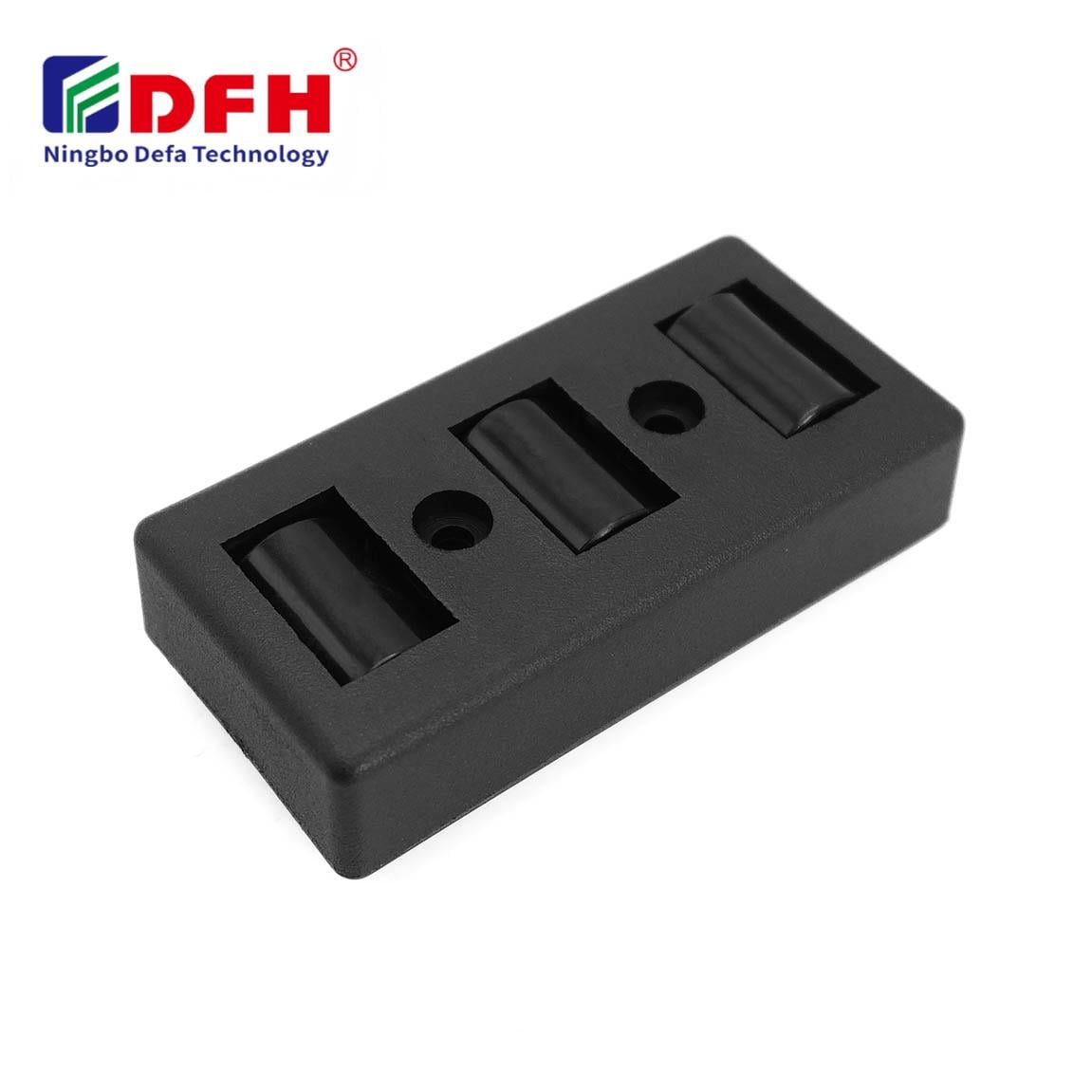
A Pipe Rack System is a structured framework designed to support, organize, and manage multiple pipes and associated equipment in industrial environments. These systems form the backbone of efficient fluid and gas transportation networks across refineries, petrochemical plants, power generation facilities, and manufacturing operations. Understanding what constitutes a pipe rack system and recognizing its core functions is essential for engineers, facility managers, and procurement professionals who need to design, maintain, or upgrade industrial infrastructure.
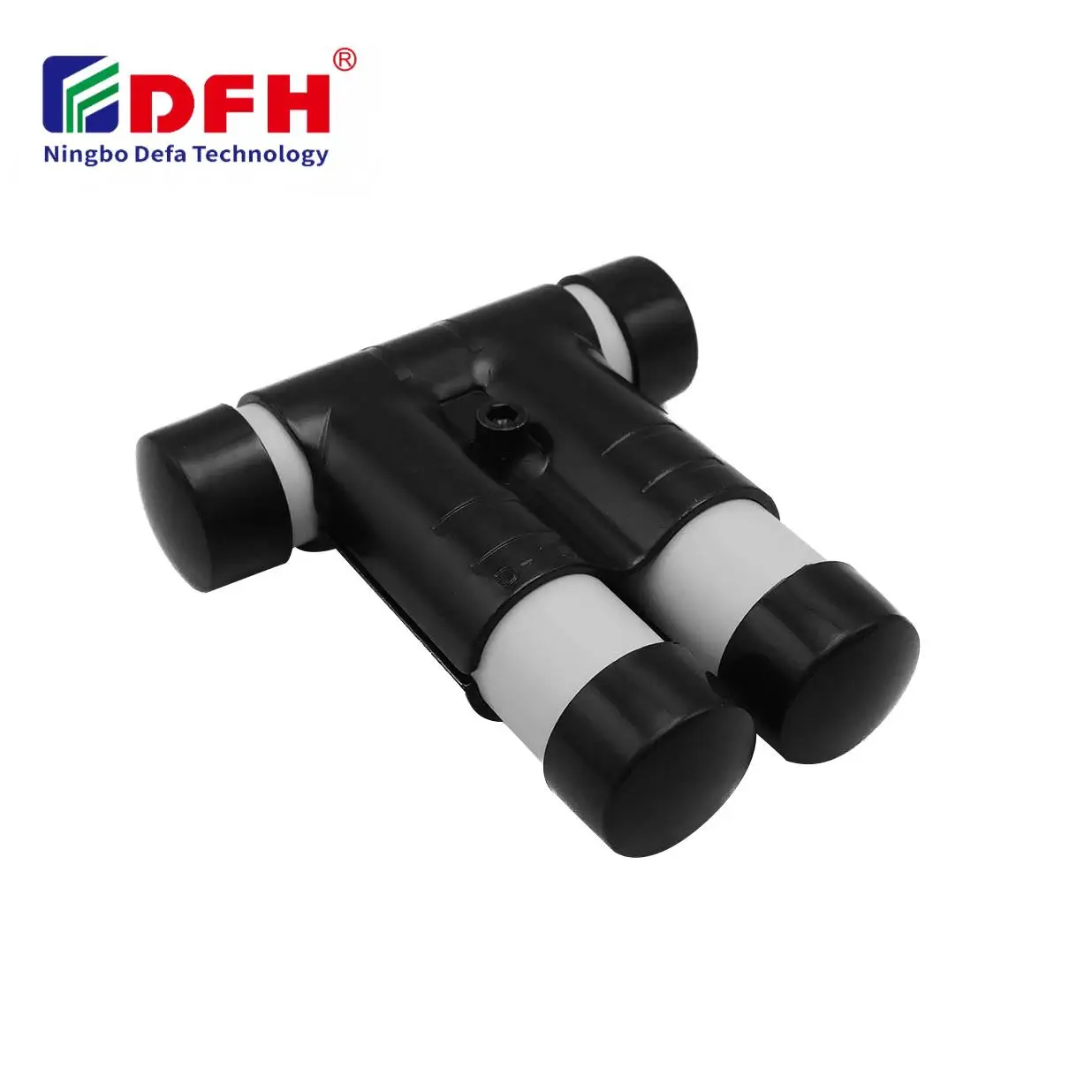
The industrial pipe support structure serves as a comprehensive solution for managing the complex routing requirements of modern industrial facilities. By integrating a modular piping framework with strategic placement of support components, these systems eliminate common installation challenges, reduce material waste, and extend the operational lifespan of piping infrastructure. This article explores the fundamental aspects of pipe rack systems, their essential functions, and their strategic role in industrial operations.
A heavy-duty pipe mounting solution typically consists of welded steel structural frames, support legs, and interconnected beams that create a three-dimensional lattice. The modular piping framework allows for flexible arrangement of individual pipe runs, cable trays, electrical conduits, and instrumentation lines. Each component of the industrial pipe support structure is engineered to withstand operational pressures, temperature fluctuations, vibration, and environmental stress. The structural design incorporates load-bearing calculations that account for static pipe weight, dynamic forces, and thermal expansion cycles, ensuring stability and safety throughout the facility's operational lifetime.
Pipe rack systems are predominantly constructed from carbon steel or stainless steel, depending on environmental exposure and corrosion requirements. The heavy-duty pipe mounting solution employs structural members that are precisely dimensioned to distribute loads evenly across support points. Engineers design the modular piping framework with adequate clearance for thermal movement, maintenance access, and future modifications. This thoughtful design approach ensures that the industrial pipe support structure can accommodate changes in production processes, equipment upgrades, and facility expansion without requiring complete reconstruction.
The primary function of any pipe rack system is to provide reliable support for multiple pipe lines simultaneously. The industrial pipe support structure carries the combined weight of pipes, fluid contents, insulation materials, and attached equipment. A well-designed heavy-duty pipe mounting solution distributes these loads through strategically positioned legs and foundations, preventing sagging, misalignment, or stress concentration at weak points. The modular piping framework enables operators to consolidate multiple independent pipe runs into a single organized system, reducing floor space usage and improving facility layout efficiency.
Pipe rack systems organize process lines, utility lines, and auxiliary systems in a structured hierarchy that maximizes floor space and improves safety compliance. The industrial pipe support structure allows for vertical stacking of pipes at different elevations, enabling efficient routing through complex facility layouts. A modular piping framework facilitates clear identification, maintenance access, and emergency response procedures by maintaining consistent spacing and standardized connections. This organizational benefit reduces confusion among maintenance personnel, decreases troubleshooting time, and minimizes the risk of operational errors during start-up, shutdown, or emergency situations.
A heavy-duty pipe mounting solution ensures that pipes remain properly aligned and supported throughout their operational lifespan, preventing vibration-induced fatigue failures and connection leaks. The pipe rack system design incorporates adequate clearances around each line, allowing technicians to inspect, repair, or replace components without disturbing adjacent systems. The industrial pipe support structure supports preventive maintenance schedules by providing safe access routes for inspection and lubrication of moving components. This accessibility directly contributes to improved plant reliability, reduced unplanned downtime, and extended asset life across the entire facility.
Modern pipe rack systems must comply with extensive industry standards including ASME B31.3 for Process Piping, ANSI/AISC 360 for steel construction, and local building codes. The modular piping framework must accommodate seismic requirements, wind loading criteria, and equipment-specific vibration limits depending on geographic location and facility classification. A properly designed heavy-duty pipe mounting solution includes adequate drainage, weatherproofing measures, and provisions for thermal expansion that prevent premature corrosion and maintain structural integrity. The industrial pipe support structure must also facilitate emergency response procedures, enabling rapid isolation of critical systems and safe evacuation routes.
Pipe rack systems must accommodate significant temperature variations inherent in industrial processes. The industrial pipe support structure incorporates expansion loops, sliding supports, and flexible connections within the modular piping framework to absorb thermal growth without introducing destructive stresses. A heavy-duty pipe mounting solution in corrosive environments requires protective coatings, stainless steel components, or specialized surface treatments that extend service life and maintain aesthetic appearance. These environmental considerations ensure that the pipe rack system delivers consistent performance through decades of continuous operation under challenging industrial conditions.
A pipe rack system represents a comprehensive industrial pipe support structure comprising interconnected structural frames, whereas individual pipe hangers support single isolated lines. The modular piping framework allows simultaneous support of dozens of pipes with organized routing, while traditional hangers address one pipe at a time. A heavy-duty pipe mounting solution integrates planning for thermal expansion, load distribution, accessibility, and facility-wide efficiency that individual components cannot provide independently.
The modular nature of modern pipe rack systems allows companies to reconfigure routing, add new lines, or upgrade components without complete structural redesign. The industrial pipe support structure accommodates production process changes by providing readily available mounting points and standardized connection interfaces. This adaptability reduces capital expenditure during facility modifications and shortens implementation timelines when responding to market demands or operational requirements.
Regular inspection of the industrial pipe support structure includes checking for corrosion, verifying bolt torque values, examining support welds, and confirming proper alignment of the modular piping framework. A heavy-duty pipe mounting solution requires periodic repainting, coating maintenance, and replacement of worn components to prevent deterioration. Maintenance teams should document all structural modifications and ensure modifications comply with original design specifications and applicable safety standards.
2026/09/30
Source aluminum profiles for versatile modular framing. Learn extrusion mechanics, strength benefits & corrosion resistance. Request details.
2026/09/30
Source aluminum profiles for construction projects. Learn structural framing, cladding & window benefits for maximum ROI. Download guide.
2026/09/30
Source optimal aluminum profile sizing techniques. Evaluate load, space, alloy, environment & cost factors to prevent deflection. Download guide.
2026/09/30
Struggling with fastener failures or rework? Master screw sizing by diameter, pitch, material, and load—plus industry-specific standards. Optimize reliability & compliance now.
2026/09/30
Source aluminum profiles for industrial engineering. Discover strength-to-weight ratios, corrosion resistance & 30% cost savings. Download guide.
2026/09/30
Source heat-resistant aluminum profile systems. Master thermal expansion science & stress management strategies for industrial builds. Download guide.