EN
EN
What is Aluminum Profile and How Does It Work?
2026/09/30
Source aluminum profiles for versatile modular framing. Learn extrusion mechanics, strength benefits & corrosion resistance. Request details.

2026/09/16
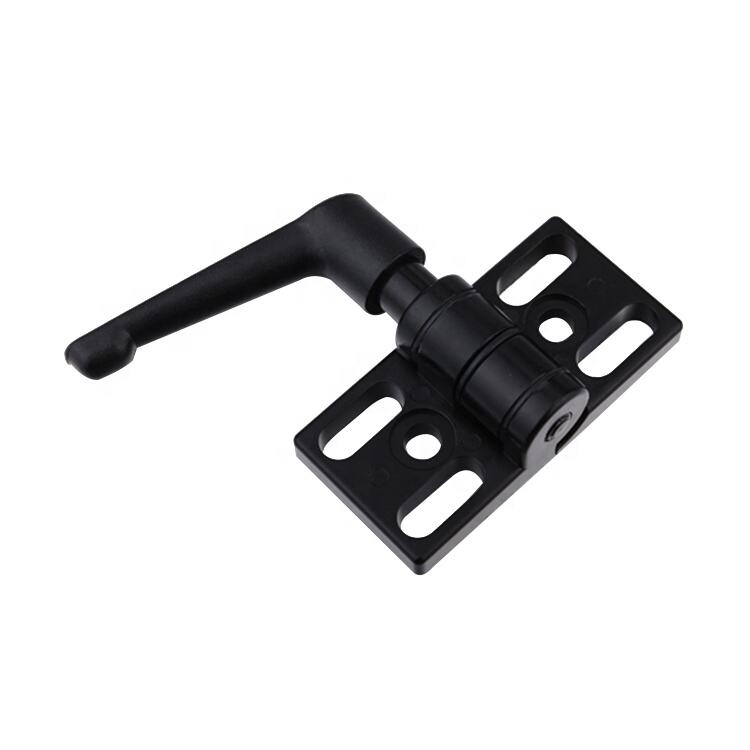
A hinge is a mechanical fastening device that enables two surfaces to rotate or swing relative to each other around a fixed axis. In its simplest form, a hinge consists of two metal plates connected by a cylindrical pin that permits controlled movement. This fundamental component appears in countless applications, from residential doors and cabinet doors to industrial machinery and equipment enclosures. Understanding what a hinge does and how it functions is essential for anyone involved in construction, furniture design, equipment assembly, or maintenance operations.
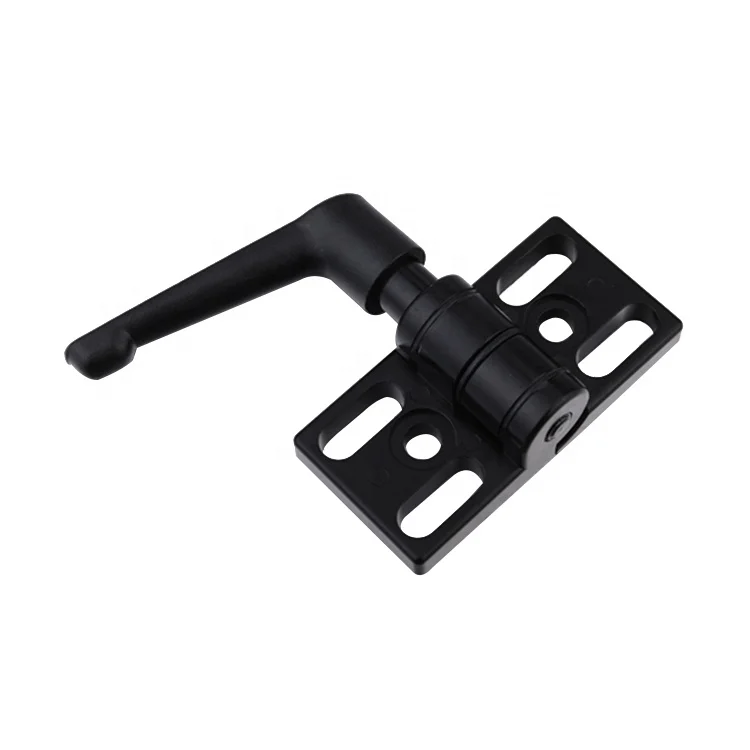
The primary function of a hinge is to provide a reliable, durable connection point that allows controlled rotation while maintaining structural integrity under load. A well-designed hinge distributes force evenly across its components, preventing misalignment, sagging, or premature wear. Whether you are installing a new door system, designing a cabinet assembly, or specifying fasteners for industrial equipment, understanding hinge mechanics and performance characteristics directly impacts the success of your project. This guide explains the essential aspects of hinge design, function, and practical application.
A hinge works by converting rotational force into coordinated movement between two fixed planes. The hinge pin serves as the pivot point, while the two metal leaves (or flaps) bolt or screw to the surfaces that need to move. When you push or pull one surface, the pin remains stationary, and the leaves rotate around it in opposite directions. This simple yet elegant mechanism has remained largely unchanged for centuries because it is highly effective and straightforward to manufacture and maintain. The quality of the pin material and the precision of the leaf alignment determine the smoothness and longevity of the connection.
Hinges are typically manufactured from steel, stainless steel, brass, or aluminum, depending on the environment and load requirements. Each material offers distinct advantages: steel provides strength and affordability, stainless steel resists corrosion in wet or outdoor settings, brass offers aesthetic appeal and moderate corrosion resistance, and aluminum suits lightweight applications and modern architectural designs. The hinge pin itself may be solid or hollow and is often treated with protective coatings to prevent oxidation. For door hinge installation in commercial or high-traffic environments, stainless steel or coated steel hinges are preferred due to their durability and resistance to rust.
Cabinet hinge types vary significantly based on intended use and mounting configuration. Butt hinges are the most traditional style, used for inset cabinet doors and requiring mortising into the door and frame. European-style cup hinges mount on the inside of the cabinet and accommodate concealed installation, allowing for easier adjustment and cleaner aesthetics. Overlay hinges enable doors to close fully over the cabinet face without gaps. Each cabinet hinge type offers different opening angles, clearances, and adjustment capabilities, making selection critical for proper fit and function. Understanding these distinctions ensures smooth operation and professional appearance in furniture and cabinetry projects.
Hinge load capacity refers to the maximum weight and force a hinge can support without permanent deformation or failure. Heavy doors, such as those found in industrial facilities or soundproof chambers, require hinges specifically engineered for high load capacity. Load capacity depends on the hinge pin diameter, the leaf thickness, material grade, and the number of hinges supporting the door. A standard residential door hinge typically supports 20 to 50 pounds per hinge, while heavy-duty industrial hinges may support 500 pounds or more. Exceeding the rated hinge load capacity results in sagging doors, binding, noise, and potential safety hazards. Proper installation of multiple hinges ensures that total door weight is distributed evenly and within acceptable limits.
Successful door hinge installation begins with accurate measurement and layout. The hinge must be positioned perpendicular to the door edge and level with the frame opening. For standard interior doors, two hinges are typically sufficient, but larger or heavier doors may require three or more. The hinge leaf must be securely fastened to both the door and the frame using appropriate screws or bolts, ensuring no gaps between the hinge and the mounting surface. Misaligned hinges cause binding, uneven gaps between door and frame, and accelerated wear. Professional door hinge installation incorporates shims or spacers to account for frame irregularities and ensures that the door swings freely with minimal friction.
After door hinge installation, verify that doors hang plumb and swing smoothly through their full range without binding or noise. Squeaking or creaking typically indicates dry hinge pins, which can be resolved with light oil application. Over time, repeated opening and closing may cause hinges to loosen slightly, requiring periodic tightening of fasteners. In high-humidity or outdoor environments, corrosion may develop on unprotected hinges, necessitating preventive maintenance or replacement with corrosion-resistant materials. Regular visual inspection of hinges for rust, damage, or misalignment allows problems to be identified and corrected before they compromise door function or safety.
For outdoor door hinge installation, stainless steel or marine-grade aluminum hinges are recommended because they resist corrosion from moisture and salt exposure. These materials maintain structural integrity and smooth operation in challenging weather conditions better than uncoated carbon steel. Additionally, applying protective coatings or selecting hinges with powder-coated finishes extends their lifespan and maintains appearance over time.
Calculate the total weight of the door or panel, then divide by the number of hinges that will support it. Each hinge should be rated to support at least the weight per hinge plus a safety margin of 25 to 50 percent. Consult the hinge manufacturer's specifications for load capacity ratings, and always select hinges that exceed your calculated requirements to ensure safe, reliable long-term operation.
Cabinet hinge types like European cup hinges are designed for concealed mounting inside the cabinet and offer tool-free adjustment and a clean aesthetic. Traditional butt hinges are visible on the door edge and are commonly used in inset cabinet door designs. Overlay hinges close on top of the cabinet face, reducing visible gaps. The choice depends on design preferences, cabinet construction method, and functional requirements such as door adjustment capability and load capacity.
2026/09/30
Source aluminum profiles for versatile modular framing. Learn extrusion mechanics, strength benefits & corrosion resistance. Request details.
2026/09/30
Source aluminum profiles for construction projects. Learn structural framing, cladding & window benefits for maximum ROI. Download guide.
2026/09/30
Source optimal aluminum profile sizing techniques. Evaluate load, space, alloy, environment & cost factors to prevent deflection. Download guide.
2026/09/30
Struggling with fastener failures or rework? Master screw sizing by diameter, pitch, material, and load—plus industry-specific standards. Optimize reliability & compliance now.
2026/09/30
Source aluminum profiles for industrial engineering. Discover strength-to-weight ratios, corrosion resistance & 30% cost savings. Download guide.
2026/09/30
Source heat-resistant aluminum profile systems. Master thermal expansion science & stress management strategies for industrial builds. Download guide.