EN
EN
What is Aluminum Profile and How Does It Work?
2026/09/30
Source aluminum profiles for versatile modular framing. Learn extrusion mechanics, strength benefits & corrosion resistance. Request details.

2026/09/23
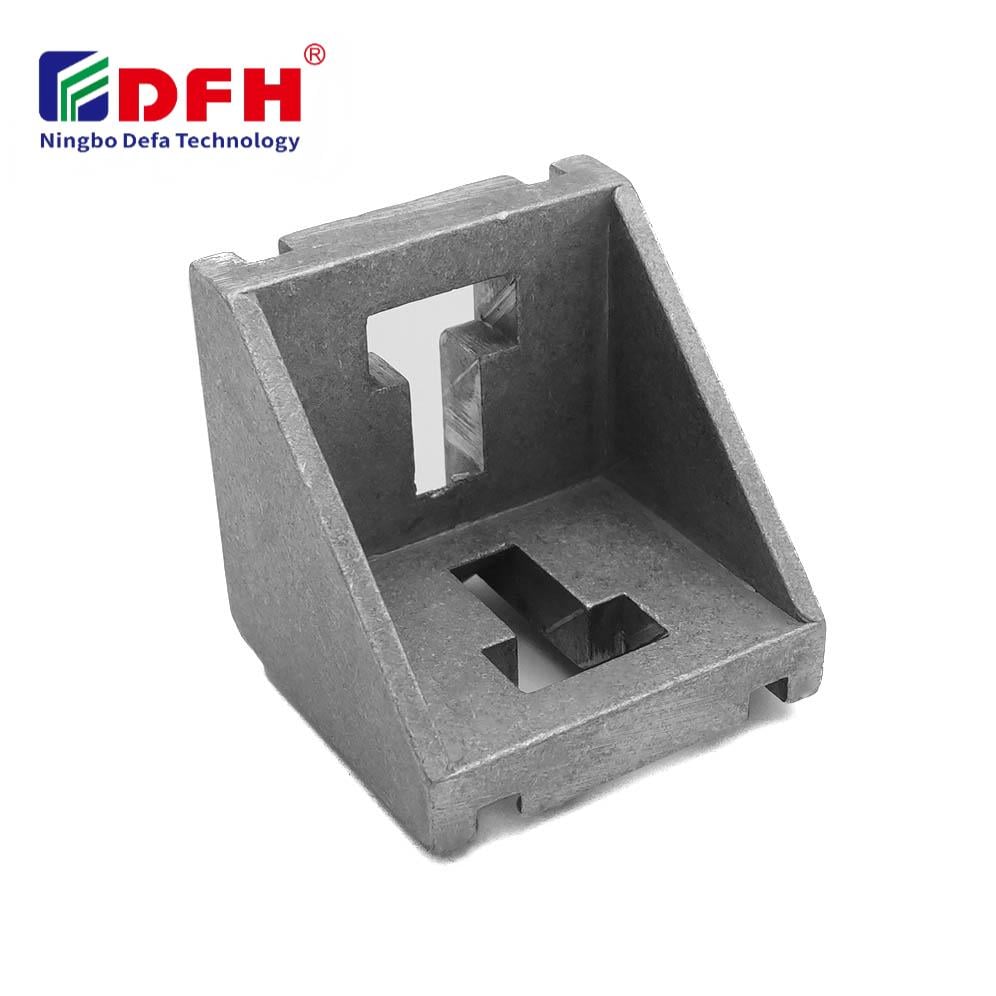
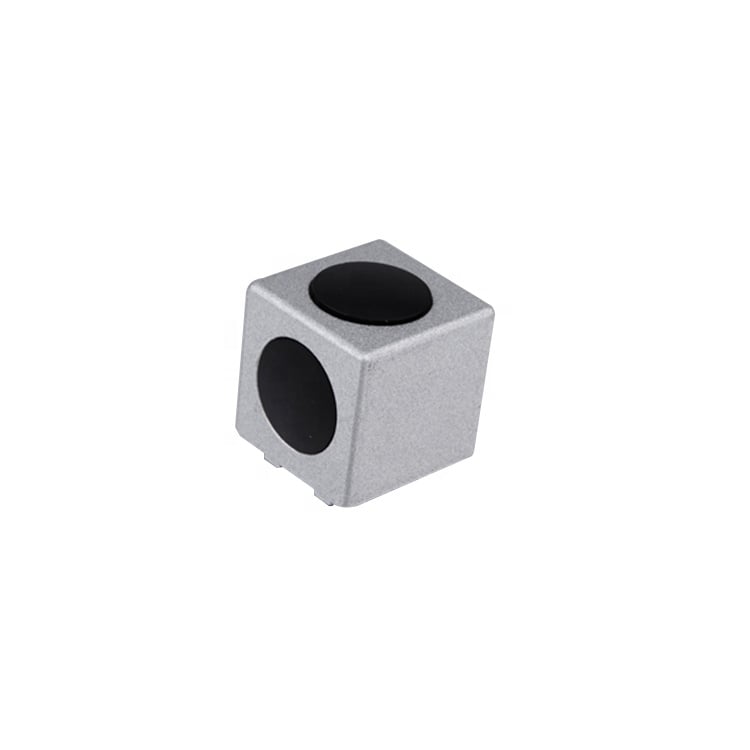
Angle connectors are fundamental components in structural assembly, framing systems, and precision engineering applications. Installation errors with angle connectors represent one of the most common sources of joint failure, misalignment, and structural compromise in industrial settings. Understanding what goes wrong during installation helps engineers, technicians, and maintenance teams prevent costly rework, downtime, and safety incidents. This guide explores the specific installation errors that affect angle connectors, their consequences, and proven prevention strategies.
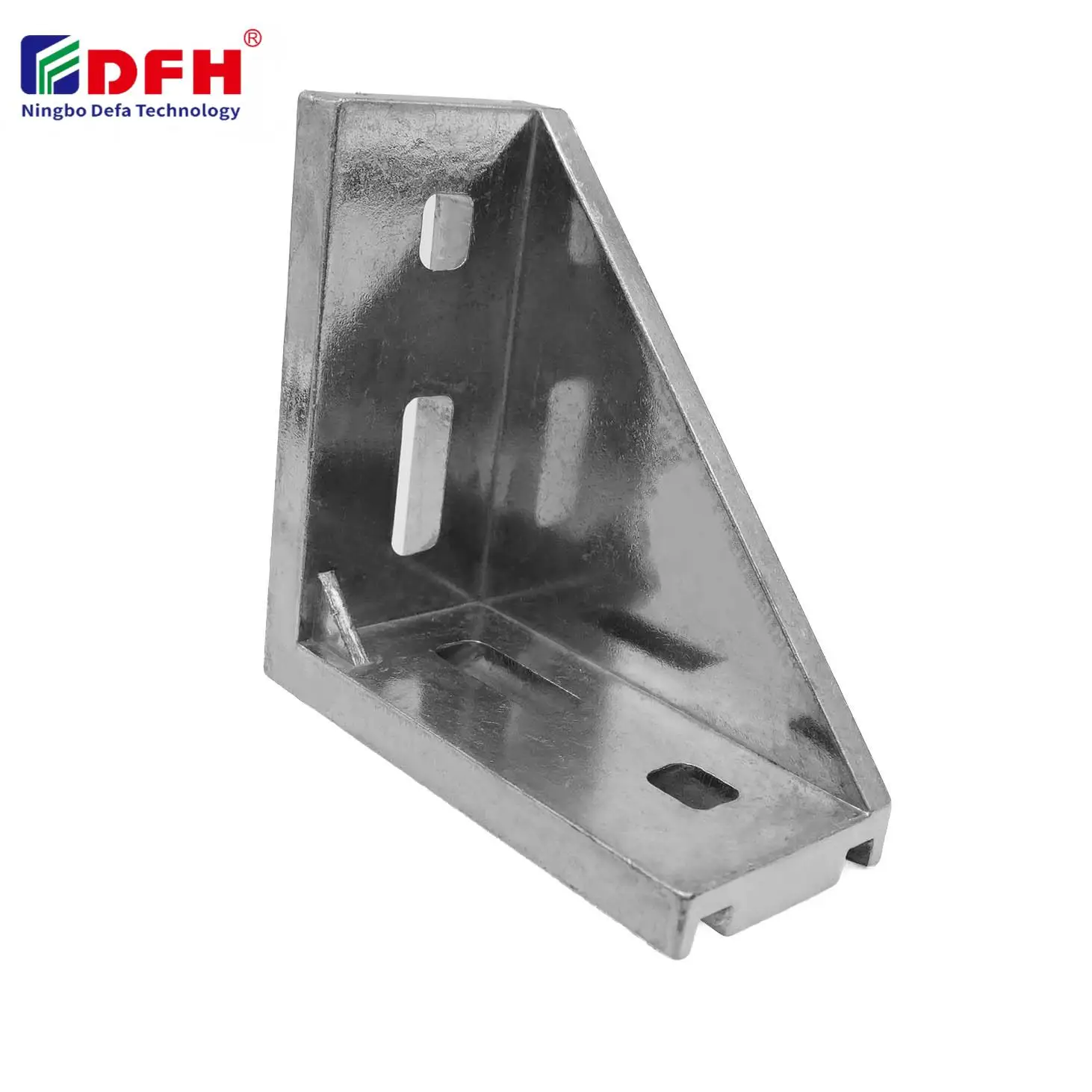
Whether you work with aluminum extrusion systems, steel frame assemblies, or modular construction platforms, the quality of your angle connector installation directly impacts structural integrity, dimensional accuracy, and long-term reliability. Poor installation practices with right angle brackets and corner fasteners can lead to loose joints, vibration-induced failure, and unplanned equipment shutdowns. By recognizing the root causes of these errors and implementing systematic checks, organizations significantly reduce rework costs and improve overall system performance.
One of the most frequent installation errors affecting angle connectors is failure to achieve true perpendicularity in 90 degree joints. When corner fasteners are installed at angles slightly off from 90 degrees, the resulting joint experiences uneven load distribution and concentrated stress at certain points. Even small angular deviations, as little as 2 to 3 degrees, can significantly reduce the joint's load-bearing capacity and accelerate fatigue failure. Technicians often underestimate the importance of precise alignment, assuming that 'close enough' will work adequately.
The consequences of perpendicularity errors extend beyond immediate structural weakness. Misaligned 90 degree joints create cascading misalignment throughout multi-stage assemblies, where each subsequent angle connector compounds the angular error. This phenomenon forces corrective adjustments in downstream components, consuming time and material resources. Using precision measuring tools such as digital levels, angle finders, and laser alignment systems during installation prevents these errors and ensures consistent joint quality.
Right angle brackets must be centered and properly positioned relative to the connected members to distribute loads symmetrically. Offset installation, where the corner fasteners are positioned asymmetrically on the connected surfaces, creates unbalanced moment forces that concentrate stress on one side of the joint. This asymmetric loading accelerates wear and increases the risk of unexpected failure, especially in applications subject to vibration or dynamic loads. Many installation errors stem from inadequate fixture setup or lack of clear positioning guidelines during assembly.
Proper centering of angle connectors on the connection points ensures that loads transfer evenly through the fasteners and into both connected members. Technicians should verify that corner fasteners sit squarely on both surfaces before tightening. Simple visual checks and tactile inspection can catch offset positioning before fasteners are fully secured, saving time and preventing costly rework.
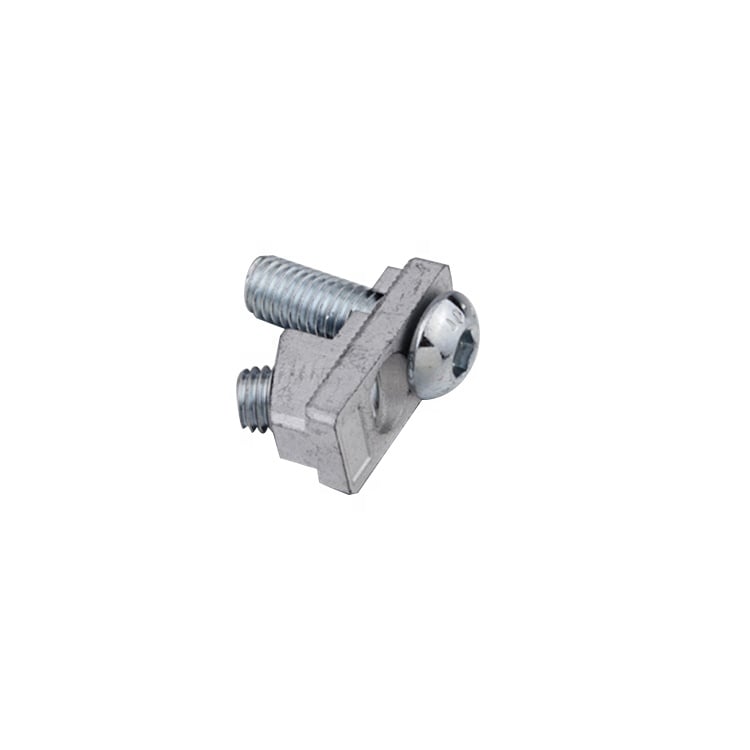
Incorrect fastener tightening represents a major category of installation errors affecting angle connectors in field and workshop settings. Under-tightening leaves gaps between the connector and the connected members, allowing micro-motion that gradually loosens fasteners further and degrades the joint. Over-tightening, conversely, creates excessive clamp force that can strip threads, crush softer materials, or induce residual tensile stress that weakens the fastener under repeated loading. Finding the proper torque specification for each application is critical to achieving reliable 90 degree joints.
Many technicians rely on intuition or hand-feel rather than torque specifications and calibrated tools. This inconsistency leads to variability in joint quality across the assembly. Implementing torque wrench protocols, establishing clear torque tables for different material combinations and fastener sizes, and training personnel on proper tightening techniques directly reduces installation errors. Corner fasteners should be tightened in a progressive sequence rather than fully tightening one fastener before moving to the next, which ensures even load distribution and reduces distortion.
Cross-threading occurs when fasteners are inserted at an angle or with insufficient alignment, causing threads to strip or bind before the fastener is fully seated. This error is particularly common when working with angle connectors in confined spaces where direct access is limited. Stripped threads cannot be retightened to specification and may cause the fastener to back out under vibration or repeated loading. Once thread damage occurs, the affected hole often requires rework such as tapping to a larger size or installing a thread insert, adding time and cost to the assembly process.
Prevention requires deliberate installation practices: starting fasteners by hand before applying torque tools, using pilot holes when appropriate, and ensuring that fastener and hole axes are perfectly aligned. For angle connectors in aluminum extrusion or composite systems, using thread-locking compounds on fasteners can compensate for minor thread imperfections, though this is not a substitute for proper installation technique.
Installation errors involving angle connectors often include combining incompatible materials without considering galvanic corrosion or material expansion differences. Using steel fasteners directly on aluminum right angle brackets, for example, initiates galvanic corrosion that weakens the joint interface and produces corrosion byproducts that interfere with proper seating. Similarly, joining materials with different thermal expansion coefficients, such as aluminum and steel in temperature-cycling applications, creates stress cycles that loosen fasteners and fatigue the connection over time.
Proper material selection involves specifying fasteners and corner fasteners with matching or compatible properties. Isolation washers, anodized coatings, and stainless steel fasteners provide protection in corrosive environments. Installation personnel must understand material compatibility requirements and verify that ordered components match the application specifications before assembly begins. Documentation errors, such as ordering the wrong fastener type, often cascade into installation quality problems.
Installation errors can occur when designers and technicians fail to account for how loads actually travel through 90 degree joints under service conditions. Angle connectors must be sized and positioned to handle both primary loads and secondary moments created by eccentricity or cantilever effects. If fasteners are positioned too far from the neutral load path or if corner fasteners are undersized for the application, stress concentrations develop at fastener holes and material interfaces. This error becomes apparent only under load, often manifesting as unexpected joint failure or fatigue cracking.
Prevention requires collaboration between design and installation teams. Load analysis, material selection reviews, and fastener sizing calculations should precede assembly. Site inspections and mock-ups help verify that the designed connection performs as intended before full-scale production assembly begins.
The most common error is failure to achieve and verify true perpendicularity in 90 degree joints. Even small angular deviations cause uneven load distribution and premature failure. Using precision alignment tools and establishing clear verification procedures prevents this costly mistake.
Start fasteners by hand before using torque tools, ensure perfect axial alignment between fastener and hole, use pilot holes when needed, and apply proper torque gradually. Training personnel on correct hand-starting technique eliminates most cross-threading errors with corner fasteners.
Mismatched materials between fasteners and angle connectors cause galvanic corrosion, material expansion mismatches, and interface degradation. Selecting compatible fasteners, using isolation washers, and applying protective coatings ensures joint integrity and prevents accelerated failure in corrosive or temperature-variable environments.
2026/09/30
Source aluminum profiles for versatile modular framing. Learn extrusion mechanics, strength benefits & corrosion resistance. Request details.
2026/09/30
Source aluminum profiles for construction projects. Learn structural framing, cladding & window benefits for maximum ROI. Download guide.
2026/09/30
Source optimal aluminum profile sizing techniques. Evaluate load, space, alloy, environment & cost factors to prevent deflection. Download guide.
2026/09/30
Struggling with fastener failures or rework? Master screw sizing by diameter, pitch, material, and load—plus industry-specific standards. Optimize reliability & compliance now.
2026/09/30
Source aluminum profiles for industrial engineering. Discover strength-to-weight ratios, corrosion resistance & 30% cost savings. Download guide.
2026/09/30
Source heat-resistant aluminum profile systems. Master thermal expansion science & stress management strategies for industrial builds. Download guide.