EN
EN
What is Aluminum Profile and How Does It Work?
2026/09/30
Source aluminum profiles for versatile modular framing. Learn extrusion mechanics, strength benefits & corrosion resistance. Request details.

2026/09/30
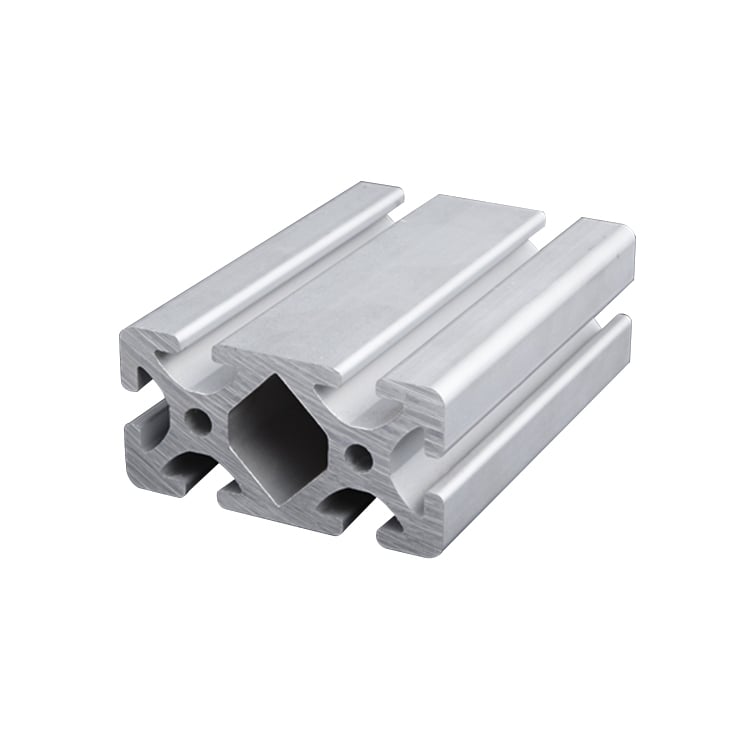
The Aluminum Profile has become a cornerstone material across numerous industries due to its lightweight nature, corrosion resistance, and exceptional versatility. From automotive manufacturing to architectural design, extruded aluminum serves as the backbone of modern industrial solutions. Understanding which sectors depend most heavily on aluminum profiles reveals insights into market trends, material selection criteria, and evolving industrial demands. This material choice reflects decades of engineering innovation and practical validation across diverse applications.
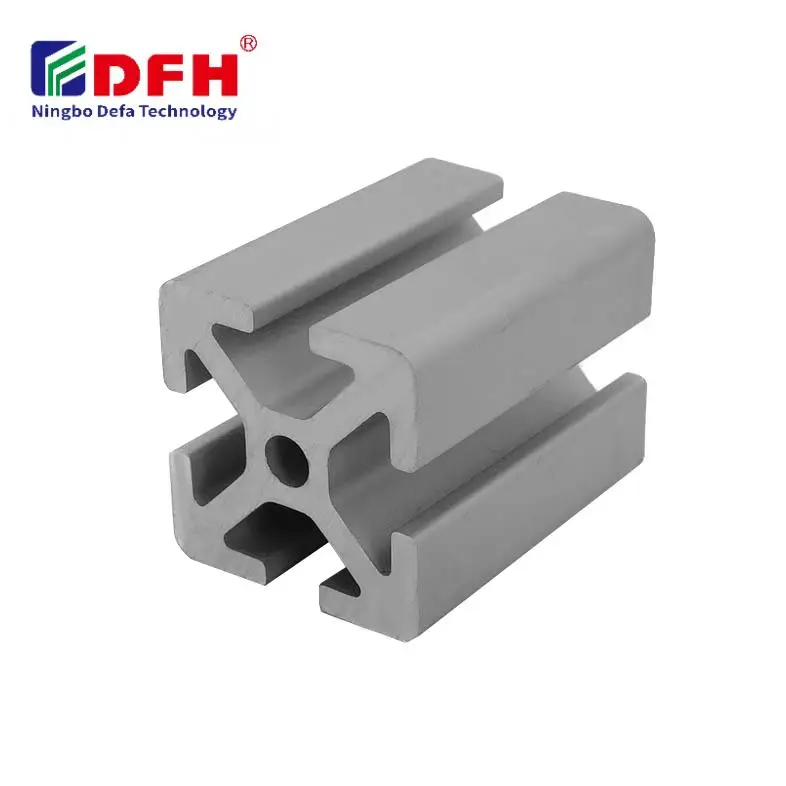
Industrial aluminum extrusions have transformed how businesses approach product design, structural integrity, and cost efficiency. Extruded aluminum offers customizable cross-sections, precise dimensional control, and rapid prototyping capabilities that traditional materials cannot match. Companies selecting industrial aluminum extrusions benefit from reduced weight, simplified assembly processes, and long-term durability. This technological advancement has opened new possibilities in construction, electronics, renewable energy, and precision manufacturing sectors worldwide.
The construction industry stands as one of the largest consumers of aluminum frame systems globally. Window and door frames, curtain wall systems, and structural supports rely heavily on extruded aluminum for their lightweight strength and aesthetic flexibility. Aluminum frame systems provide architects and contractors with design freedom while maintaining structural integrity and weather resistance. Modern commercial buildings, residential complexes, and industrial facilities increasingly incorporate aluminum profiles in their foundational systems, creating frameworks that last decades while requiring minimal maintenance.
Building facades represent a major application category where industrial aluminum extrusions dominate. These systems combine functionality with visual appeal, enabling architects to create contemporary designs while ensuring thermal efficiency and weather protection. Aluminum profiles facilitate rapid installation, reduce overall building weight, and contribute to LEED certification goals through their recyclability. Thermal break aluminum frame systems further enhance energy performance in demanding climates, making them preferred choices for premium commercial and institutional projects.
Automotive manufacturers depend extensively on extruded aluminum to reduce vehicle weight and improve fuel efficiency. Engine components, chassis supports, radiator frames, and door structures increasingly utilize aluminum profiles rather than traditional steel alternatives. The automotive sector's shift toward lightweight materials directly correlates with environmental regulations and consumer demand for better fuel economy. Industrial aluminum extrusions enable manufacturers to achieve performance targets while maintaining safety standards and structural reliability across vehicle platforms.
Railway systems and public transit infrastructure utilize aluminum frame systems for train bodies, bus structures, and specialized transport equipment. The weight reduction benefits of extruded aluminum directly improve acceleration efficiency, reduce brake wear, and lower operational energy costs. Transportation authorities worldwide specify aluminum profiles in specifications for new vehicles and fleet upgrades. This material choice extends vehicle lifespan, improves passenger capacity efficiency, and supports sustainability objectives across the transportation sector.
Electronics manufacturers and machinery builders extensively employ aluminum profiles for equipment enclosures, control panels, and assembly frameworks. The material's excellent thermal conductivity makes it ideal for heat dissipation in electronic equipment. Extruded aluminum frame systems provide modular construction capabilities, enabling manufacturers to scale production quickly and customize designs for specific applications. Industrial aluminum extrusions also resist electromagnetic interference in sensitive electronic environments while offering electrical grounding advantages.
Solar panel mounting systems, wind turbine components, and hydroelectric equipment increasingly incorporate aluminum profiles as primary structural materials. The renewable energy sector values aluminum's strength-to-weight ratio and corrosion resistance in outdoor environments. Extruded aluminum enables efficient manufacturing of standardized mounting systems that adapt to diverse geographical and climatic conditions. This application category continues expanding as global renewable energy capacity grows and infrastructure investment accelerates worldwide.
Industrial aluminum extrusions offer unique advantages including lightweight strength, superior corrosion resistance, thermal conductivity, and complete recyclability. Aluminum frame systems provide cost-effective manufacturing through rapid prototyping and customization capabilities. The material withstands harsh environmental conditions while maintaining dimensional stability and aesthetic appeal across decades of service. These combined benefits make aluminum profiles the preferred choice for industries seeking reliable, sustainable, and economically efficient structural solutions.
Extruded aluminum naturally develops a protective oxide layer that prevents rust and corrosion in outdoor environments. The material maintains its structural properties across extreme temperature ranges without brittleness or expansion issues common in steel. Anodizing and powder coating processes further enhance surface protection while enabling custom color and finish options. These characteristics make aluminum profiles ideal for architectural facades, transportation equipment, and renewable energy installations exposed to weather and environmental stressors.
Industrial aluminum extrusions enable modular assembly approaches that reduce production time and labor costs compared to welded or bolted alternatives. The material's lightweight nature simplifies handling, installation, and transportation throughout manufacturing and distribution. Precision extrusion processes create consistent dimensional tolerances that minimize rework and quality issues. Companies utilizing aluminum profiles achieve faster time-to-market, improved production flexibility, and enhanced competitive positioning in their respective industries.
2026/09/30
Source aluminum profiles for versatile modular framing. Learn extrusion mechanics, strength benefits & corrosion resistance. Request details.
2026/09/30
Source aluminum profiles for construction projects. Learn structural framing, cladding & window benefits for maximum ROI. Download guide.
2026/09/30
Source optimal aluminum profile sizing techniques. Evaluate load, space, alloy, environment & cost factors to prevent deflection. Download guide.
2026/09/30
Struggling with fastener failures or rework? Master screw sizing by diameter, pitch, material, and load—plus industry-specific standards. Optimize reliability & compliance now.
2026/09/30
Source aluminum profiles for industrial engineering. Discover strength-to-weight ratios, corrosion resistance & 30% cost savings. Download guide.
2026/09/30
Source heat-resistant aluminum profile systems. Master thermal expansion science & stress management strategies for industrial builds. Download guide.