EN
EN
What is Aluminum Profile and How Does It Work?
2026/09/30
Source aluminum profiles for versatile modular framing. Learn extrusion mechanics, strength benefits & corrosion resistance. Request details.

2026/09/22
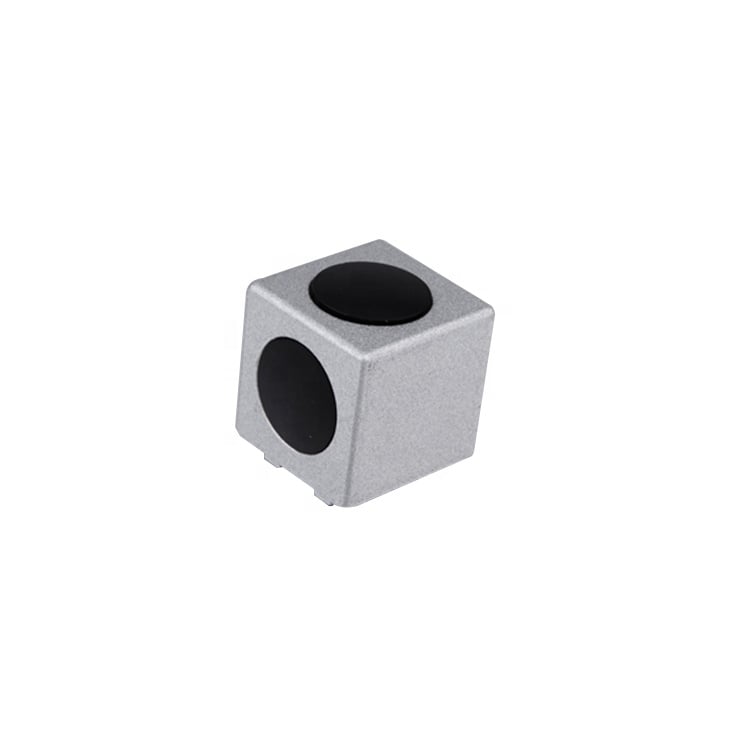
Bolt connectors represent a critical component in industrial assembly, and understanding the cost factors that influence their pricing is essential for procurement professionals and engineers. The expense associated with bolt connectors extends far beyond the initial purchase price, encompassing material selection, manufacturing specifications, installation complexity, and long-term maintenance requirements. Organizations that grasp these cost dynamics can make informed decisions that balance upfront savings with operational reliability and total cost of ownership.
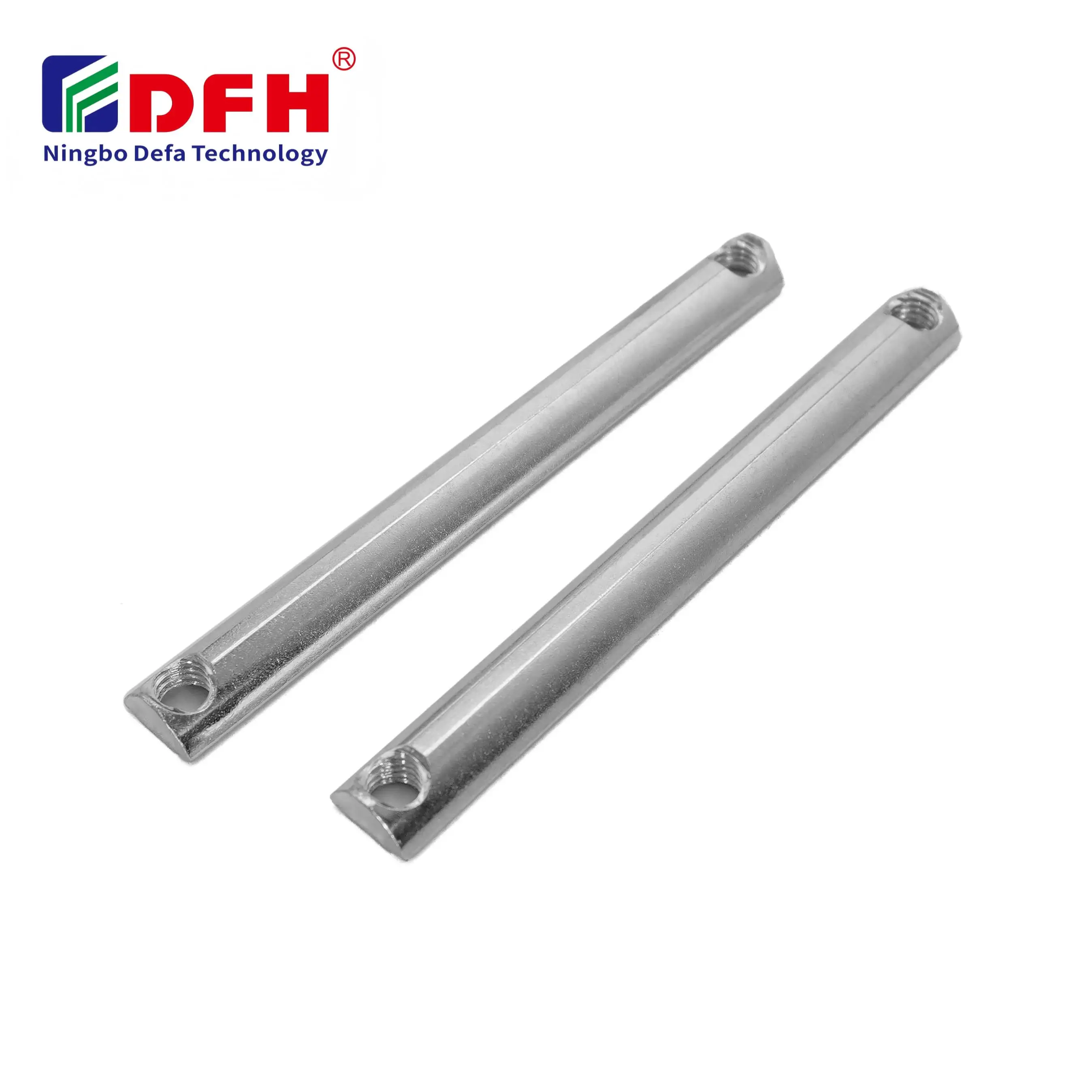
The financial impact of bolt connector selection reverberates throughout project budgets and operational timelines. When purchasing or specifying Bolt Connectors, procurement teams must evaluate multiple variables simultaneously to achieve genuine value rather than simply choosing the lowest-priced option. This comprehensive analysis requires understanding material grades, installation methods, tensioning specifications, and environmental conditions that directly affect both performance and expenditure.
Material grade represents the primary cost driver for threaded fasteners and bolt connectors. The steel grade determines tensile strength, corrosion resistance, and load-bearing capacity, which directly influence pricing structures. Grade 4.6, 5.8, and 8.8 classifications follow ISO standards, with higher grades commanding premium prices due to enhanced material properties and stricter manufacturing tolerances.
Galvanized finishes add significant cost compared to uncoated alternatives, but provide substantial corrosion protection in outdoor or chemically aggressive environments. Stainless steel bolt connectors cost considerably more than carbon steel options yet eliminate rust concerns in coastal, pharmaceutical, or food processing applications. Engineers must balance material premium costs against anticipated service life and replacement frequency to determine true cost-effectiveness.
Threaded fasteners exposed to moisture, salt spray, or chemical exposure require premium material specifications that increase per-unit costs significantly. A seemingly expensive stainless steel connector may prove economical over five years when compared to replacing corroded carbon steel alternatives multiple times. Material grade decisions directly impact failure rates, maintenance budgets, and unplanned downtime costs that extend well beyond initial procurement.
The method used to install and tension bolt connectors substantially influences total project costs beyond material pricing. Manual installation using standard wrenches requires less upfront equipment investment but demands skilled labor and extended timeline commitments. Hydraulic tensioning systems, pneumatic impact tools, and calibrated torque wrenches represent capital expenditures that affect project economics based on volume and installation frequency.
Connector tensioning specifications demand precise execution to prevent joint failure, leakage, or catastrophic separation. The choice between turn-of-the-nut methods, angle-of-rotation techniques, and ultrasonic bolt measurement technologies directly impacts labor hours and training requirements. High-volume manufacturing operations justify investment in automated bolt installation systems, while smaller facilities may find manual approaches more cost-effective despite higher per-unit labor expenses.
Proper bolt installation methods require trained technicians who understand preload mechanics, joint integrity, and environmental load factors. Organizations investing in worker certification and quality inspection protocols experience fewer connection failures but incur higher upfront training costs. The connector tensioning accuracy directly correlates with joint reliability and warranty claim reduction, making quality-focused installation approaches cost-effective over extended equipment lifecycles.
Order quantity dramatically affects unit pricing for bolt connectors across all material grades and specifications. Bulk purchases of standardized threaded fasteners typically receive volume discounts ranging from 10% to 40% compared to small orders. Supplier relationships, long-term contracts, and forecasted demand commitments influence pricing negotiations and cost stability in procurement strategies.
Standardized bolt connector specifications purchased in high volumes cost substantially less than custom or specialty sizes requiring unique manufacturing setups. Organizations consolidating supplier relationships and standardizing across bolt installation methods typically achieve 15% to 25% cost reductions compared to fragmented procurement approaches. Strategic inventory management balances working capital efficiency against bulk discount opportunities available through connector tensioning specialists.
Transportation costs, warehousing requirements, and inventory carrying expenses represent significant hidden cost factors often overlooked during fastener procurement. Sourcing bolt connectors from regional suppliers reduces lead times and logistics expenses compared to international sourcing, though overseas suppliers may offer lower material unit costs. Packaging specifications for threaded fasteners affect storage efficiency, damage rates during shipment, and organizational handling complexity that influences total procurement expenses.
Just-in-time delivery models minimize storage footprints and working capital tied up in fastener inventory but require reliable supplier relationships and predictable demand patterns. Organizations implementing lean manufacturing principles typically optimize bolt connector purchasing through coordinated supplier networks that balance cost reduction with supply chain resilience and delivery reliability.
Material grade determines tensile strength, corrosion resistance, and manufacturing precision, which directly impact per-unit costs and performance reliability. Higher-grade threaded fasteners cost more initially but deliver superior load capacity and extended service life, reducing total cost of ownership. Budget decisions should evaluate material grade in relation to application demands rather than selecting lowest-cost options that may require premature replacement.
Installation method selection influences both material costs and labor expenses throughout project execution. Standardized bolt installation methods using common tools reduce per-unit installation expenses compared to specialty techniques requiring calibrated equipment or advanced training. Organizations standardizing connector tensioning approaches across facilities typically achieve significant cost savings through workforce efficiency and reduced rework from improper installation.
Proper connector tensioning directly affects joint integrity, leak prevention, and operational reliability throughout equipment service life. Inadequate tensioning or inconsistent application leads to connection failures, emergency repairs, and unplanned downtime that multiplies initial fastener costs many times over. Investing in quality control and certified technicians who understand connector tensioning specifications proves highly cost-effective compared to reactive maintenance approaches addressing preventable failures.
2026/09/30
Source aluminum profiles for versatile modular framing. Learn extrusion mechanics, strength benefits & corrosion resistance. Request details.
2026/09/30
Source aluminum profiles for construction projects. Learn structural framing, cladding & window benefits for maximum ROI. Download guide.
2026/09/30
Source optimal aluminum profile sizing techniques. Evaluate load, space, alloy, environment & cost factors to prevent deflection. Download guide.
2026/09/30
Struggling with fastener failures or rework? Master screw sizing by diameter, pitch, material, and load—plus industry-specific standards. Optimize reliability & compliance now.
2026/09/30
Source aluminum profiles for industrial engineering. Discover strength-to-weight ratios, corrosion resistance & 30% cost savings. Download guide.
2026/09/30
Source heat-resistant aluminum profile systems. Master thermal expansion science & stress management strategies for industrial builds. Download guide.