EN
EN
What is Aluminum Profile and How Does It Work?
2026/09/30
Source aluminum profiles for versatile modular framing. Learn extrusion mechanics, strength benefits & corrosion resistance. Request details.

2026/09/09
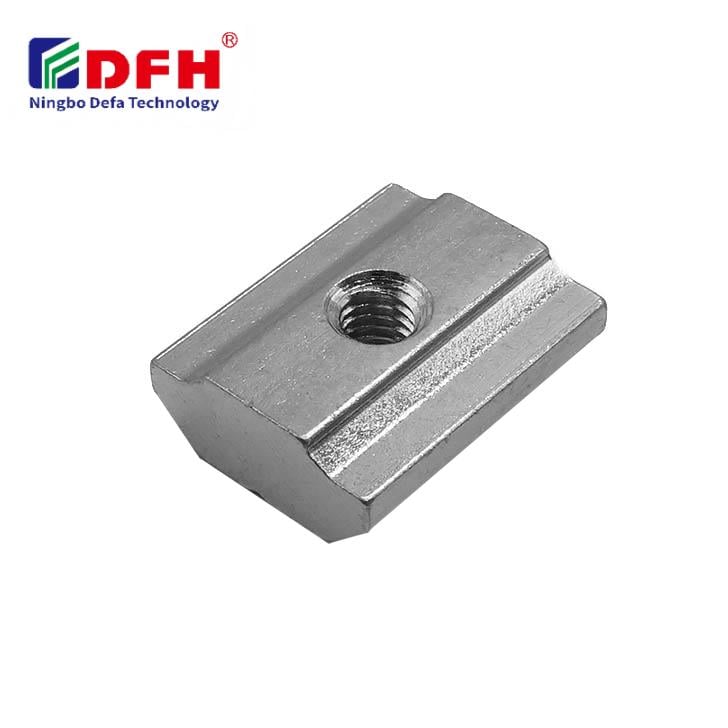
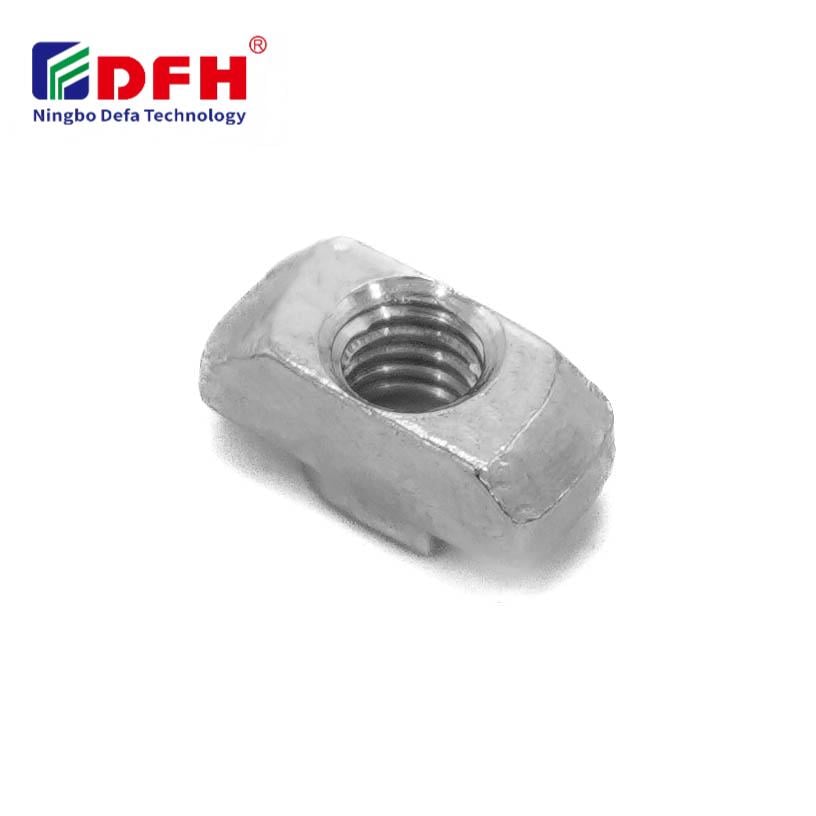
Corrosion resistance is a critical factor when selecting fastening hardware for industrial environments. A T Nut serves as a reliable threaded insert solution that withstands harsh operational conditions while maintaining structural integrity over extended periods. The corrosion resistance offered by T nuts depends heavily on material composition, surface treatment, and environmental exposure, making it essential to understand how these fastening hardware components protect your assembly systems.
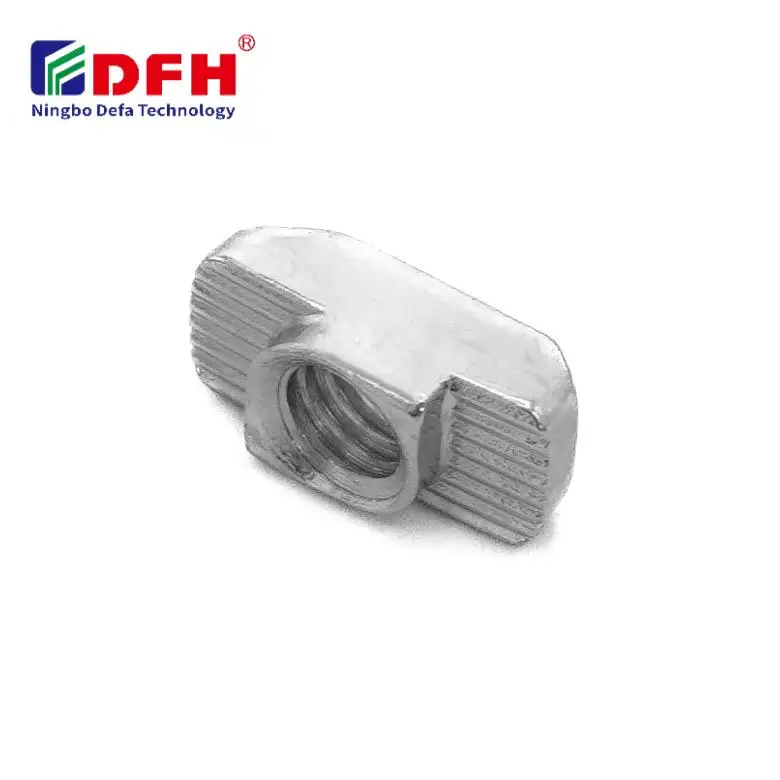
Industrial applications increasingly demand threaded insert solutions that resist corrosion without compromising performance. T-slot nut designs are engineered to provide dependable fastening hardware in metalworking, manufacturing, and assembly operations where moisture, chemicals, and temperature fluctuations pose ongoing threats. Understanding the corrosion resistance capabilities of your T Nut selection ensures long-term reliability and cost efficiency in your production environment.
The foundation of T Nut corrosion resistance lies in material selection and surface treatment. Most threaded insert products use carbon steel as their base material, offering adequate strength for industrial fastening hardware applications. The protective barrier comes from zinc plating, which is one of the most widely adopted coating systems for T-slot nut protection. Zinc creates a sacrificial layer that corrodes preferentially to the underlying steel, effectively shielding the fastening hardware from moisture and airborne contaminants.
Zinc-plated T Nut configurations typically withstand neutral to mildly corrosive environments effectively. The thickness of the zinc coating directly influences how long your threaded insert resists surface degradation and rust formation. Standard zinc plating ranges from 5 to 10 micrometers, providing reliable corrosion resistance for most indoor manufacturing settings and controlled industrial spaces. This balance between coating thickness and cost makes zinc a practical choice for standard T-slot nut applications.
For more demanding environments, specialized coatings enhance the corrosion resistance of your fastening hardware beyond standard zinc options. Hot-dip galvanizing applies a thicker protective layer, offering superior T Nut performance in wet or corrosive atmospheres. Blue steel treatment provides aesthetic appeal alongside corrosion resistance, making it suitable for visible threaded insert installations. Nickel plating offers excellent resistance in harsh chemical environments, though it comes at higher cost than traditional zinc-coated T-slot nut solutions.
Stainless steel T nuts represent the premium option for maximum corrosion resistance. While more expensive than steel fastening hardware, stainless steel threaded insert products eliminate the need for additional coatings and maintain their integrity in salt spray, acidic, and marine environments. Your selection between standard zinc, hot-dip galvanized, or stainless steel T-slot nut options depends on specific exposure conditions and long-term maintenance expectations in your operation.
Corrosion of fastening hardware accelerates when moisture combines with oxygen and salt ions. T Nut performance degrades predictably in humid environments, coastal regions, and indoor spaces with inadequate ventilation. Threaded insert components exposed to industrial chemicals, cleaning solvents, or acidic compounds face accelerated corrosion unless properly coated. Understanding your specific operational environment allows selection of appropriate T-slot nut protection levels that prevent premature failure.
Chloride exposure represents one of the most aggressive threats to zinc-coated fastening hardware. Near marine applications or in regions using road salt for winter maintenance, standard threaded insert coatings may corrode within two to three years. A T Nut installed in such locations benefits from hot-dip galvanizing or stainless steel composition to ensure reliable performance throughout its service life. Temperature cycling combined with moisture accelerates corrosion of less protected fastening hardware.
Proper installation and maintenance significantly extend the corrosion resistance of your T Nut and threaded insert assemblies. Keeping fastening hardware dry and protected from direct moisture exposure reduces corrosion initiation. Regular inspection of T-slot nut surfaces allows early detection of coating damage or rust formation before structural compromise occurs. Applying protective coatings or lubricants to exposed fastening hardware provides additional corrosion resistance between planned maintenance intervals.
Environmental design considerations also protect your threaded insert investment. Installing proper drainage, ventilation, and moisture barriers in equipment design prevents water accumulation around fastening hardware. Using compatible materials in adjacent components prevents galvanic corrosion, which occurs when dissimilar metals contact each other in the presence of moisture. These design practices combined with appropriate T Nut material selection create robust corrosion resistance across your industrial systems.
Industry standards establish corrosion resistance benchmarks for fastening hardware through standardized testing procedures. ASTM B117 salt spray testing measures how long zinc-coated threaded insert products withstand accelerated corrosion conditions. These tests simulate years of real-world exposure in concentrated timeframes, allowing manufacturers to predict T-slot nut lifespan. Results from such testing guide selection of appropriate coating thickness and material composition for your specific application requirements.
ISO standards similarly establish corrosion resistance criteria for fastening hardware across international markets. Testing protocols evaluate how quickly red rust emerges on the fastening hardware surface after exposure to salt spray, humidity, and temperature cycling. These standardized measures provide objective comparison between T Nut products from different manufacturers, ensuring your threaded insert selection meets minimum performance thresholds for corrosion resistance.
Laboratory testing translates into predictable service life for your fastening hardware in actual industrial conditions. A zinc-coated T-slot nut typically maintains corrosion resistance for five to ten years in indoor factory settings with moderate environmental exposure. Hot-dip galvanized fastening hardware extends this timeline to fifteen to twenty years in the same conditions. Stainless steel threaded insert components resist corrosion indefinitely in most industrial environments, making them ideal for long-term installations where replacement cost and downtime pose significant operational challenges.
Aggressive environments significantly reduce these timelines. Coastal facilities, chemical processing plants, or regions with heavy air pollution may see corrosion develop within two to three years unless premium coating systems protect your fastening hardware. Understanding realistic performance expectations for your chosen T Nut composition helps establish appropriate maintenance schedules and replacement planning for critical assemblies.
Zinc-plated T nuts typically resist corrosion for five to ten years in standard indoor manufacturing environments with moderate exposure to moisture and contaminants. In more aggressive environments such as coastal regions or facilities with high humidity, corrosion may develop within two to three years. The specific timeline depends on coating thickness, environmental humidity levels, presence of salt or chemicals, and maintenance practices applied to your fastening hardware.
Stainless steel fastening hardware becomes the preferred choice when your application faces marine exposure, chemical processing environments, or outdoor installations where standard coatings provide insufficient corrosion resistance. Consider stainless steel for long-service-life applications where replacement costs and downtime are prohibitively expensive, or where appearance and aesthetic consistency matter alongside corrosion protection. The higher initial cost of stainless steel threaded insert solutions often proves economical over extended service periods compared to frequent replacement of standard zinc-coated fastening hardware.
Regular inspection and cleaning of T-slot nut surfaces removes corrosive deposits and salt accumulation that accelerate fastening hardware degradation. Applying protective lubricants or corrosion inhibitor coatings to exposed threaded insert components provides additional resistance between maintenance intervals. Ensuring adequate ventilation around equipment and installing proper drainage systems reduces moisture accumulation near your fastening hardware. These preventive measures combined with appropriate material selection extend the effective corrosion resistance of your T Nut installations significantly.
2026/09/30
Source aluminum profiles for versatile modular framing. Learn extrusion mechanics, strength benefits & corrosion resistance. Request details.
2026/09/30
Source aluminum profiles for construction projects. Learn structural framing, cladding & window benefits for maximum ROI. Download guide.
2026/09/30
Source optimal aluminum profile sizing techniques. Evaluate load, space, alloy, environment & cost factors to prevent deflection. Download guide.
2026/09/30
Struggling with fastener failures or rework? Master screw sizing by diameter, pitch, material, and load—plus industry-specific standards. Optimize reliability & compliance now.
2026/09/30
Source aluminum profiles for industrial engineering. Discover strength-to-weight ratios, corrosion resistance & 30% cost savings. Download guide.
2026/09/30
Source heat-resistant aluminum profile systems. Master thermal expansion science & stress management strategies for industrial builds. Download guide.