EN
EN
What is Aluminum Profile and How Does It Work?
2026/09/30
Source aluminum profiles for versatile modular framing. Learn extrusion mechanics, strength benefits & corrosion resistance. Request details.

2026/09/28
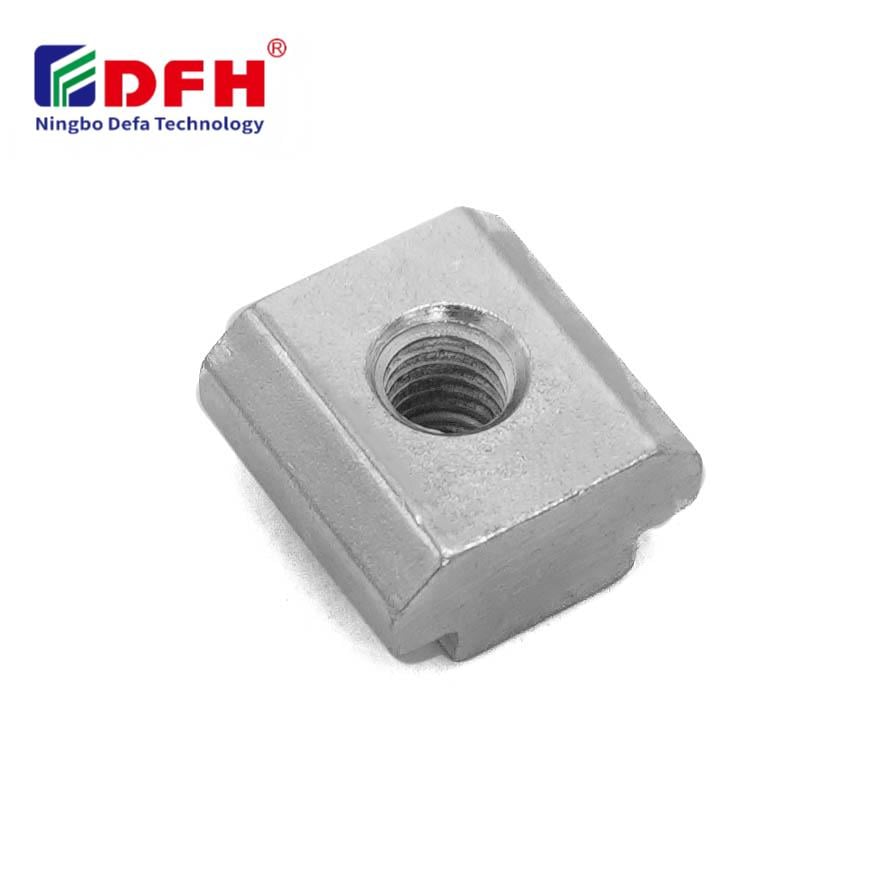
T Nuts are essential fastening hardware components widely used in industrial applications, manufacturing systems, and modular assembly frameworks. These specialized threaded inserts provide secure mounting points in aluminum profiles, slot systems, and precision equipment. Understanding what causes T Nut corrosion and rust is critical for maintaining structural integrity, extending equipment life, and preventing costly downtime. Corrosion affects both the fastening hardware itself and the surrounding assembly, creating operational challenges that impact productivity and safety across multiple industries.
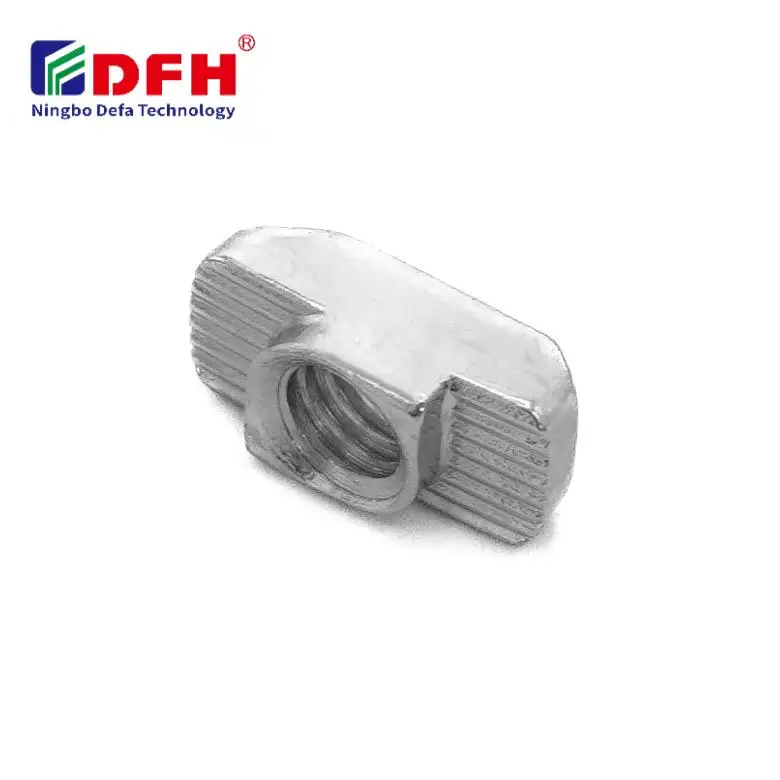
Environmental exposure, material composition, and installation practices all contribute to the degradation of threaded insert performance. When a T Nut encounters moisture, salt, oxygen, and temperature fluctuations, electrochemical reactions initiate corrosion processes that weaken the fastening hardware. Recognizing these mechanisms allows engineers, maintenance teams, and procurement professionals to select appropriate materials, implement protective coatings, and establish maintenance schedules that preserve slot nut assembly functionality over extended operational periods.
Moisture is the primary catalyst for T Nut corrosion, particularly in coastal environments, chemical processing facilities, and outdoor installations. Water molecules interact with the metal surface, creating an electrolyte layer that facilitates oxygen reduction reactions. When fastening hardware remains exposed to high humidity levels without protective barriers, corrosion begins within hours. The slot nut assembly absorbs moisture through microscopic surface irregularities, accelerating rust formation and weakening the threaded insert's grip strength significantly.
Salt spray environments, de-icing compounds, and industrial chemicals dramatically accelerate T Nut degradation. Chloride ions penetrate protective oxide layers on the metal surface, initiating pitting corrosion that creates deep cavities. This localized attack weakens the fastening hardware structure and compromises the integrity of the slot nut assembly. Chemical plants, marine facilities, and road construction equipment experience accelerated corrosion rates when fastening hardware encounters corrosive substances without adequate protective coatings or material upgrades.
The base material of a T Nut directly determines its corrosion susceptibility. Standard carbon steel threaded inserts lack inherent corrosion resistance, making them vulnerable to rapid rust formation in moist environments. Stainless steel options provide superior protection through chromium oxide layer formation, yet cost considerations often drive manufacturers toward carbon steel fastening hardware. The slot nut assembly's performance depends on whether engineers select appropriate material grades for their specific application environment, balancing budget constraints against longevity requirements.
Surface coatings on fastening hardware, including zinc plating, galvanizing, and paint applications, provide temporary corrosion protection by creating physical barriers between metal and environmental elements. However, mechanical damage during installation, thermal cycling, and UV exposure cause coating deterioration over time. When protective layers chip, crack, or wear away, the underlying threaded insert becomes exposed to corrosive agents. The T Nut's coating quality directly affects its lifespan, making coating selection and application consistency critical factors in slot nut assembly durability.
Dissimilar metal contact creates galvanic corrosion, where more reactive metals corrode preferentially to protect less reactive materials. When a T Nut made from carbon steel fastening hardware contacts aluminum profiles or stainless steel components, electrochemical reactions accelerate degradation of the fastening hardware. The threaded insert becomes the sacrificial element, corroding rapidly in the presence of moisture. Proper installation practices include using isolation washers, compatible fastening hardware materials, and conductive lubricants to minimize galvanic corrosion in slot nut assembly configurations.
Rapid temperature fluctuations cause metal expansion and contraction cycles that stress fastening hardware components. This mechanical cycling creates microscopic cracks in protective coatings and in the metal matrix itself, allowing corrosive agents to penetrate deeper into the threaded insert. Stress corrosion cracking occurs when tensile stress combines with corrosive environmental conditions, resulting in sudden brittle failure of the slot nut assembly. Industrial equipment operating in variable temperature environments, outdoor installations, and thermal cycling applications experience accelerated corrosion and mechanical failure rates.
Upgrading to corrosion-resistant materials represents the most effective long-term prevention strategy for T Nut protection. Stainless steel fastening hardware eliminates rust formation in most standard environments, though it carries higher material costs. Alternatively, high-quality zinc plating, hot-dip galvanizing, and ceramic coatings provide enhanced protection for carbon steel threaded inserts at moderate price points. The slot nut assembly's material specification should match the environmental severity, application duration, and failure cost to optimize cost-effectiveness and reliability.
Physical isolation of fastening hardware from corrosive environments through sealed housings, protective shields, and drainage design prevents moisture and chemical contact. Regular inspection schedules, preventive maintenance, and timely coating touch-ups extend the lifespan of T Nut installations. Applying corrosion inhibitors and protective oils to the threaded insert during storage and operation provides additional defense layers. Proper ventilation in equipment enclosures, moisture control systems, and environmental dehumidification protect slot nut assembly components from degradation in critical applications.
Early T Nut corrosion appears as surface discoloration, light rust spots, or white powdery deposits on fastening hardware surfaces. The threaded insert may feel rough when handled, and you might notice increased resistance when turning or adjusting the slot nut assembly. These initial signs indicate that protective coatings are beginning to fail and corrosive processes have started, requiring prompt protective action to prevent rapid deterioration.
Mild surface corrosion on fastening hardware can be partially reversed through mechanical cleaning with brushes, chemical rust removers, or electrolytic restoration techniques. However, deep pitting corrosion or structural damage cannot be fully reversed, making replacement of severely corroded threaded inserts necessary. Prevention remains far more cost-effective than remediation for damaged slot nut assembly components, emphasizing the importance of proactive protection strategies.
Stainless steel grades, particularly 304 and 316 stainless, provide superior corrosion resistance for threaded insert applications across most industrial environments. Hot-dip galvanized carbon steel fastening hardware offers excellent protection at lower cost for non-marine applications. For extreme corrosion environments like coastal zones, nickel-plated or ceramic-coated fastening hardware provides enhanced performance. The optimal choice depends on your specific application environment, budget constraints, and the required lifespan of your slot nut assembly.
2026/09/30
Source aluminum profiles for versatile modular framing. Learn extrusion mechanics, strength benefits & corrosion resistance. Request details.
2026/09/30
Source aluminum profiles for construction projects. Learn structural framing, cladding & window benefits for maximum ROI. Download guide.
2026/09/30
Source optimal aluminum profile sizing techniques. Evaluate load, space, alloy, environment & cost factors to prevent deflection. Download guide.
2026/09/30
Struggling with fastener failures or rework? Master screw sizing by diameter, pitch, material, and load—plus industry-specific standards. Optimize reliability & compliance now.
2026/09/30
Source aluminum profiles for industrial engineering. Discover strength-to-weight ratios, corrosion resistance & 30% cost savings. Download guide.
2026/09/30
Source heat-resistant aluminum profile systems. Master thermal expansion science & stress management strategies for industrial builds. Download guide.