EN
EN
What is Aluminum Profile and How Does It Work?
2026/09/30
Source aluminum profiles for versatile modular framing. Learn extrusion mechanics, strength benefits & corrosion resistance. Request details.

2026/09/09
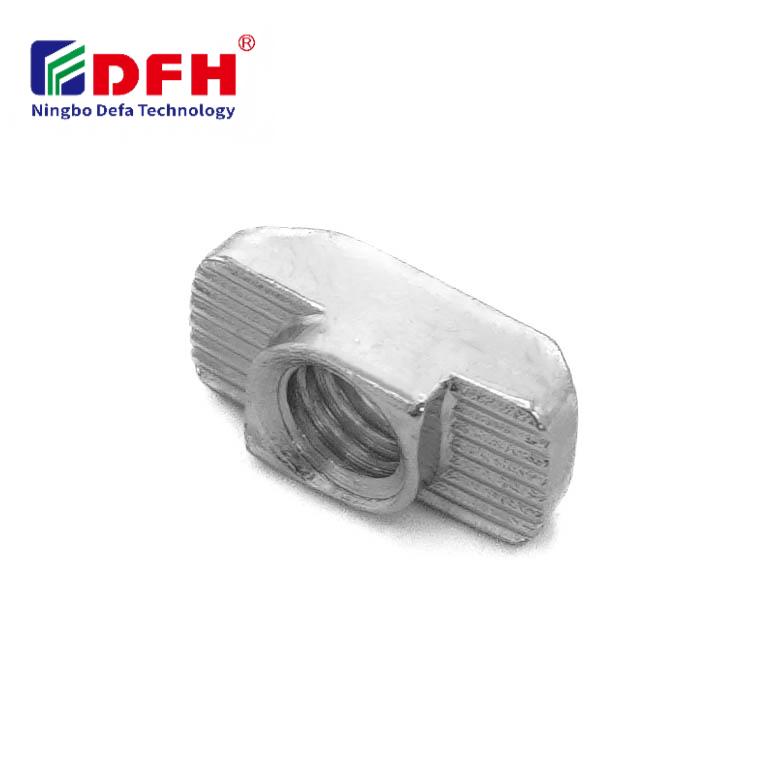
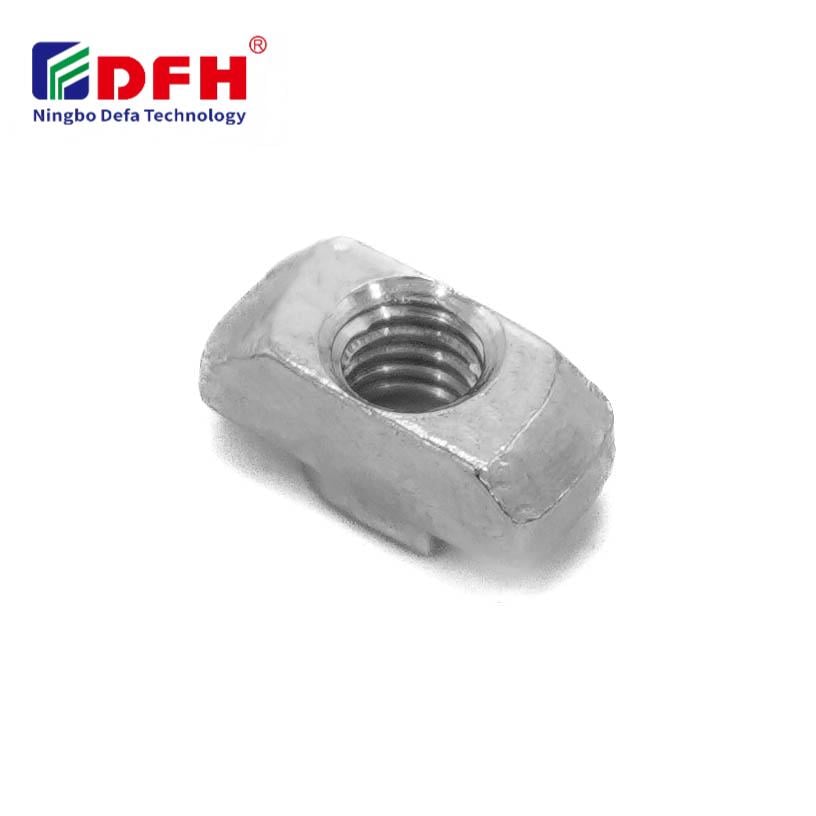
A T Nut is a critical fastening hardware component used to attach components to T-slot aluminum profiles and similar structural systems. Understanding the strength ratings of a T Nut is essential for engineers, manufacturers, and assembly professionals who need to ensure structural integrity and safety in their applications. The strength rating directly determines how much load a T Nut can safely support without failure, making this knowledge fundamental to proper design and installation.
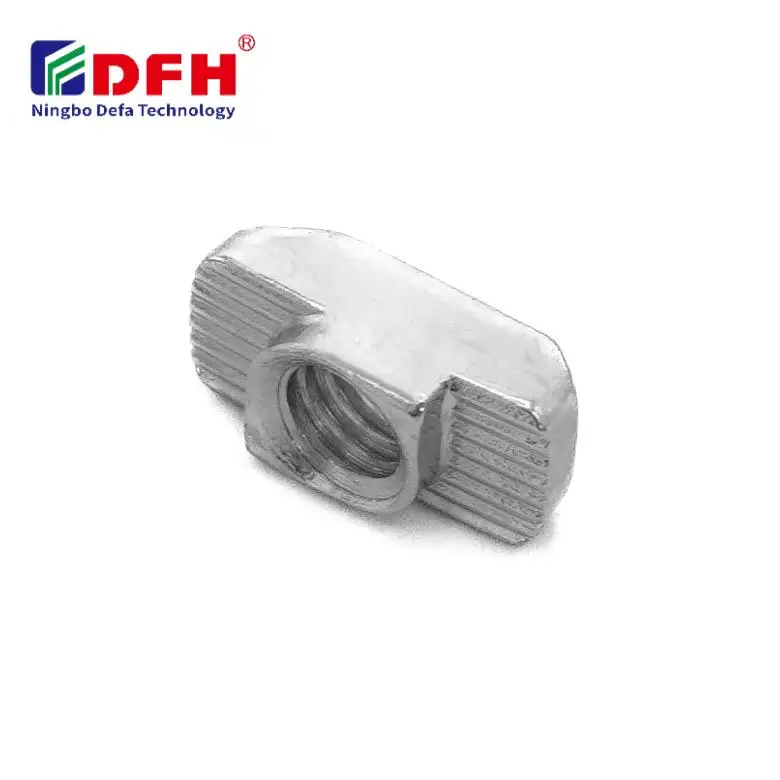
The strength rating of a T Nut depends on multiple factors including material composition, size specification, thread grade, and surface treatment. Different threaded insert designs and manufacturing standards produce varying load capacities, so selecting the correct T Nut for your application requires careful evaluation of both structural demands and environmental conditions. This guide explains how strength ratings are determined, what factors influence them, and how to choose appropriate fastening hardware for reliable performance.
The material of a T Nut fundamentally determines its strength characteristics. Most industrial-grade T Nuts are manufactured from steel, stainless steel, or zinc-plated steel, each offering different load capacities and corrosion resistance profiles. A standard steel T Nut typically achieves higher tensile strength than aluminum alternatives, making it suitable for demanding fastening hardware applications requiring superior load-bearing capacity. The grade classification, such as Grade 8.8 or Grade 10.9 for metric threads, indicates the specific tensile and yield strength values that the threaded insert will deliver under standard test conditions.
Thread diameter directly correlates with the load capacity of a T Nut. Larger thread sizes provide greater contact area between the nut and bolt, distributing forces more effectively across the T-slot nut structure. An M8 T Nut, for example, will support substantially higher loads than an M4 variant due to increased thread engagement and material volume. The relationship between thread pitch, material density, and distributed load creates a predictable strength hierarchy that engineers use when selecting fastening hardware for specific weight ratings and stress conditions.
Tensile strength represents the maximum stress a T Nut can withstand before breaking under direct pulling force, typically measured in megapascals or pounds per square inch. Shear strength indicates how much lateral or twisting force the threaded insert can handle without deformation or separation. Standard testing protocols for fastening hardware include tension tests, shear tests, and vibration endurance assessments that verify whether a T Nut meets published specifications. These measurements are documented in technical datasheets and provide engineers with quantifiable data for load calculation and safety factor determination.
Actual field performance of a T Nut often differs from laboratory test results due to environmental stressors including temperature fluctuations, corrosive atmospheres, and repeated loading cycles. Zinc-plated fastening hardware resists surface corrosion better than bare steel in humid environments, preserving load-bearing integrity over extended service periods. A T-slot nut installed in industrial machinery may experience thermal expansion and contraction, vibration-induced loosening, and cyclic stress that collectively reduce effective strength ratings compared to static laboratory measurements. Chemical exposure, moisture infiltration, and UV degradation further compromise the structural reliability of inadequately protected threaded insert systems.
Proper T Nut selection requires calculating total load requirements including static weight, dynamic forces, and shock loading potential. Engineers typically apply safety factors ranging from 2 to 4, depending on application criticality and load variability, to ensure the fastening hardware maintains adequate strength margin throughout its service life. A T Nut rated for 5000 pounds tensile strength might be used in an application carrying 1500 pounds maximum load, providing a 3.3:1 safety factor. This conservative approach prevents unexpected failures and extends the operational lifespan of both the T Nut and attached components.
Different industries maintain specific standards governing T Nut strength ratings and threaded insert specifications. Automotive, aerospace, and construction sectors require fastening hardware meeting ISO, ASTM, or DIN standards that certify material composition, manufacturing tolerances, and minimum strength thresholds. A T-slot nut used in load-bearing construction applications must comply with structural safety codes, often requiring third-party inspection and certified test reports. Manufacturing compliance documentation ensures that every T Nut batch maintains consistent quality and meets published strength guarantees, protecting end users from defective fastening hardware that could cause catastrophic failures.
Corrosive or extreme temperature environments demand specialty fastening hardware materials offering superior durability beyond standard steel T Nuts. Stainless steel threaded inserts resist saltwater corrosion ideal for marine applications, while high-temperature alloy T Nuts maintain structural integrity in furnace assemblies and aerospace components exposed to extreme heat cycles. Nickel-plated or ceramic-coated fastening hardware extends service life in chemically aggressive settings where zinc plating would degrade rapidly. Selecting appropriate material composition based on environmental exposure conditions ensures the T Nut maintains its rated strength throughout the expected service interval without unexpected degradation.
A standard M8 steel T Nut with Grade 8.8 classification typically exhibits tensile strength of approximately 640 megapascals, translating to roughly 3200 pounds maximum tensile load capacity. The actual breaking point depends on specific material composition, surface treatment, and manufacturing precision. It is recommended to consult the manufacturer's technical specification sheet for your specific fastening hardware to obtain precise load rating values applicable to your T-slot nut.
Environmental exposure including moisture, temperature fluctuations, and chemical corrosion can significantly reduce effective strength ratings of fastening hardware over time. Rust formation on unprotected steel threaded inserts reduces cross-sectional area and creates stress concentration points that compromise structural integrity. A T Nut's published strength rating assumes ideal laboratory conditions; real-world applications in humid, marine, or chemical environments may experience 20 to 40 percent strength degradation. Selecting corrosion-resistant materials and applying protective coatings helps preserve the rated load capacity of your T-slot nut throughout its service life.
Engineers typically recommend safety factors between 2 and 4 for fastening hardware depending on application consequences and load predictability. Critical aerospace and medical device applications often demand 4:1 safety factors, while standard industrial machinery typically uses 2:1 to 3:1 factors. A T Nut rated at 5000 pounds under a 3:1 safety factor would safely support approximately 1667 pounds continuous load. Consulting industry standards, engineering codes, and application-specific guidelines ensures your threaded insert selection provides adequate margin against unexpected failure and maintains compliance with regulatory requirements.
2026/09/30
Source aluminum profiles for versatile modular framing. Learn extrusion mechanics, strength benefits & corrosion resistance. Request details.
2026/09/30
Source aluminum profiles for construction projects. Learn structural framing, cladding & window benefits for maximum ROI. Download guide.
2026/09/30
Source optimal aluminum profile sizing techniques. Evaluate load, space, alloy, environment & cost factors to prevent deflection. Download guide.
2026/09/30
Struggling with fastener failures or rework? Master screw sizing by diameter, pitch, material, and load—plus industry-specific standards. Optimize reliability & compliance now.
2026/09/30
Source aluminum profiles for industrial engineering. Discover strength-to-weight ratios, corrosion resistance & 30% cost savings. Download guide.
2026/09/30
Source heat-resistant aluminum profile systems. Master thermal expansion science & stress management strategies for industrial builds. Download guide.