EN
EN
What is Aluminum Profile and How Does It Work?
2026/09/30
Source aluminum profiles for versatile modular framing. Learn extrusion mechanics, strength benefits & corrosion resistance. Request details.

2026/09/14
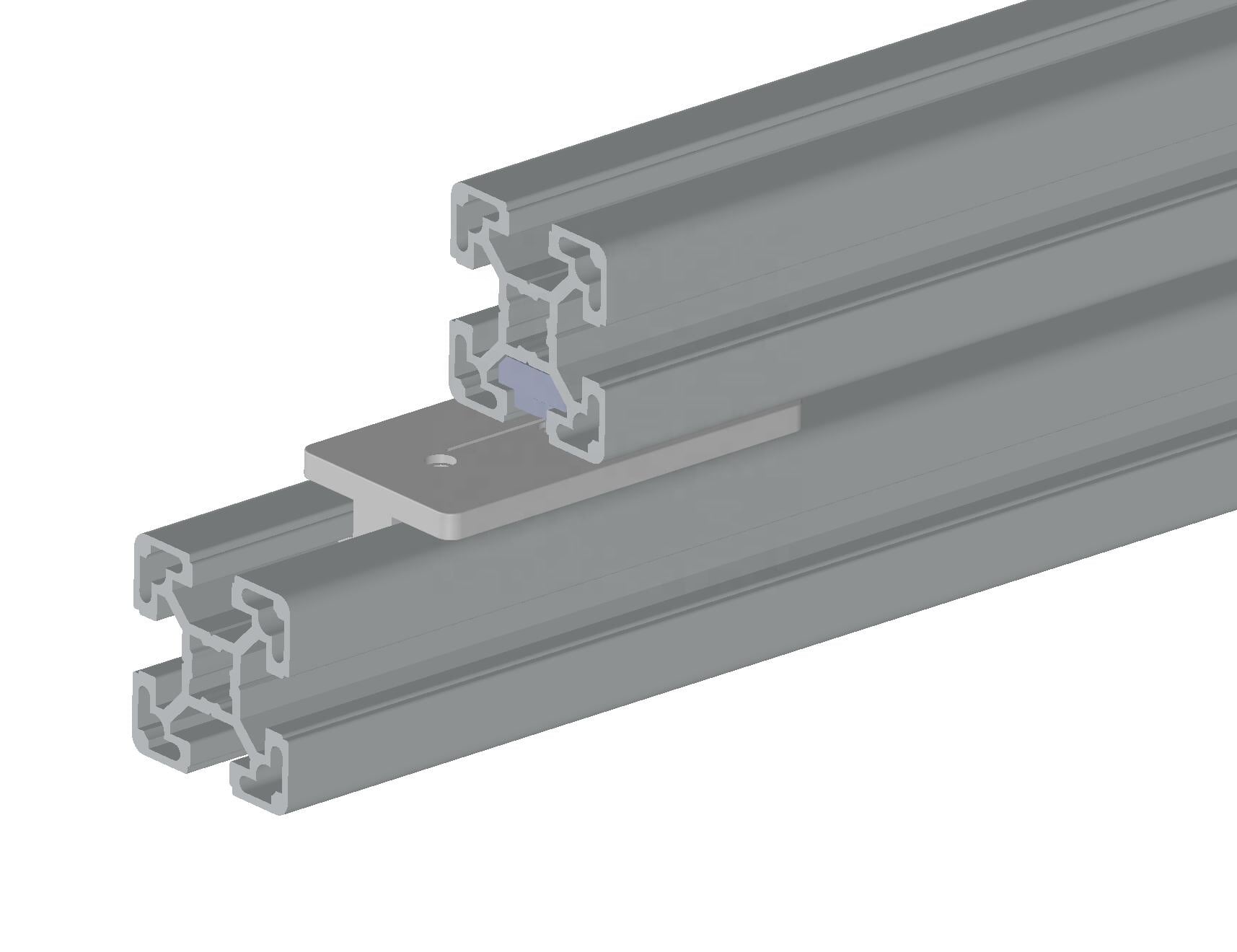
Aluminum profiles have become indispensable across countless industries, serving as the backbone for structural frameworks, enclosures, and precision components. An Aluminum Profile is a specially designed section created through aluminum extrusion, engineered to meet specific dimensional and functional requirements. The versatility of these components stems from their lightweight nature, excellent corrosion resistance, and ability to be customized into virtually any cross-sectional shape.
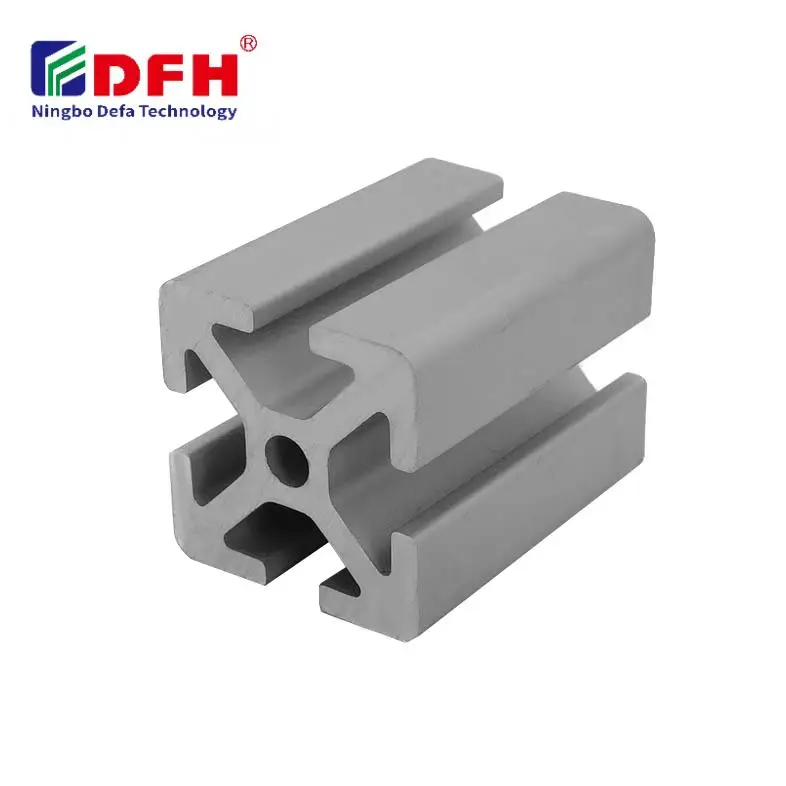
From architectural installations to machine frames, aluminum extrusion applications continue to expand as industries recognize the material's performance benefits and cost-effectiveness. The ability to create complex geometries through aluminum extrusion makes these components ideal for both standard production runs and specialized industrial aluminum components that demand precision. Understanding the primary applications helps manufacturers, engineers, and procurement professionals select the right solutions for their specific operational needs.
Window and door frames represent one of the most visible uses of aluminum structural framing in residential and commercial buildings. Aluminum extrusion profiles provide the necessary rigidity and thermal properties required for modern window systems, while their lightweight nature simplifies installation and reduces structural load on buildings. These industrial aluminum components are typically anodized or powder-coated to enhance durability and aesthetic appeal, ensuring long-term performance in exterior environments.
Curtain walls and building facades depend heavily on aluminum structural framing to create lightweight, weather-resistant enclosures. The aluminum extrusion process allows manufacturers to design profiles that integrate weatherproofing gaskets, thermal breaks, and drainage channels directly into the component. This integration reduces assembly complexity and improves building performance, making aluminum profiles the preferred choice for modern skyscrapers and commercial developments worldwide.
Industrial aluminum components serve as structural frameworks for production equipment, conveyor systems, and material handling machinery. The lightweight properties of aluminum extrusion allow engineers to design robust frames that reduce overall machine weight without compromising strength or stability. This characteristic enables easier transportation, installation, and reconfiguration of manufacturing equipment, while maintaining the precision tolerances required in industrial applications.
Modern factory automation relies extensively on aluminum profile frameworks that accommodate sensors, actuators, pneumatic components, and electrical conduits. The modular slot systems common in aluminum extrusion enable quick assembly and modification without requiring welding or permanent fastening. This flexibility makes industrial aluminum components essential for adapting equipment as production processes evolve or facility requirements change.
Retail environments, exhibitions, and showrooms utilize aluminum profile systems to create modular display stands, shelving units, and visual merchandising structures. The aesthetic qualities of aluminum extrusion, combined with its structural capability, enable designers to create sophisticated displays that attract customers while remaining cost-effective. Industrial aluminum components in these applications often feature integrated lighting channels, cable management, and adaptable mounting systems.
Solar panel mounting systems, wind turbine components, and electrical transmission infrastructure depend on aluminum structural framing for durability and reliability. Aluminum extrusion profiles provide excellent corrosion resistance in outdoor environments, making them ideal for long-term renewable energy installations. The ability to customize aluminum profile dimensions and specifications allows engineers to optimize performance while managing material costs across large-scale infrastructure projects.
Vehicle construction, including bus bodies, trailer frameworks, and specialty transport vehicles, relies on aluminum extrusion for weight reduction and improved fuel efficiency. Industrial aluminum components in transportation applications must meet strict safety and performance standards while maintaining durability under continuous operational stress. The strength-to-weight ratio of properly engineered aluminum profiles makes them increasingly popular as manufacturers seek to improve vehicle performance and environmental sustainability.
Industries ranging from construction and automotive manufacturing to renewable energy and food processing benefit significantly from aluminum extrusion applications. The versatility of aluminum structural framing allows each sector to customize profiles for their specific requirements, whether prioritizing thermal efficiency, lightweight construction, or corrosion resistance. Manufacturing, construction, and industrial aluminum components sectors represent the largest consumers due to the high volume and recurring demand for customized profiles.
Aluminum extrusion forces heated aluminum billets through specially designed dies to create consistent cross-sectional profiles, enabling complex geometries impossible to achieve through traditional machining or stamping. This process creates minimal material waste compared to subtractive methods, making aluminum profile manufacturing more cost-effective and environmentally efficient. The resulting industrial aluminum components offer superior precision and repeatability, making extrusion the preferred method for high-volume production.
Yes, aluminum extrusion offers exceptional customization capabilities, allowing manufacturers to design profiles tailored to precise dimensional and functional requirements. Industrial aluminum components can be engineered with integrated channels, thermal breaks, drainage systems, and fastening provisions without post-production modifications. This design flexibility, combined with the ability to treat surfaces through anodizing, powder coating, or mechanical finishing, enables aluminum structural framing to serve virtually unlimited specialized applications across industries.
2026/09/30
Source aluminum profiles for versatile modular framing. Learn extrusion mechanics, strength benefits & corrosion resistance. Request details.
2026/09/30
Source aluminum profiles for construction projects. Learn structural framing, cladding & window benefits for maximum ROI. Download guide.
2026/09/30
Source optimal aluminum profile sizing techniques. Evaluate load, space, alloy, environment & cost factors to prevent deflection. Download guide.
2026/09/30
Struggling with fastener failures or rework? Master screw sizing by diameter, pitch, material, and load—plus industry-specific standards. Optimize reliability & compliance now.
2026/09/30
Source aluminum profiles for industrial engineering. Discover strength-to-weight ratios, corrosion resistance & 30% cost savings. Download guide.
2026/09/30
Source heat-resistant aluminum profile systems. Master thermal expansion science & stress management strategies for industrial builds. Download guide.